In this article
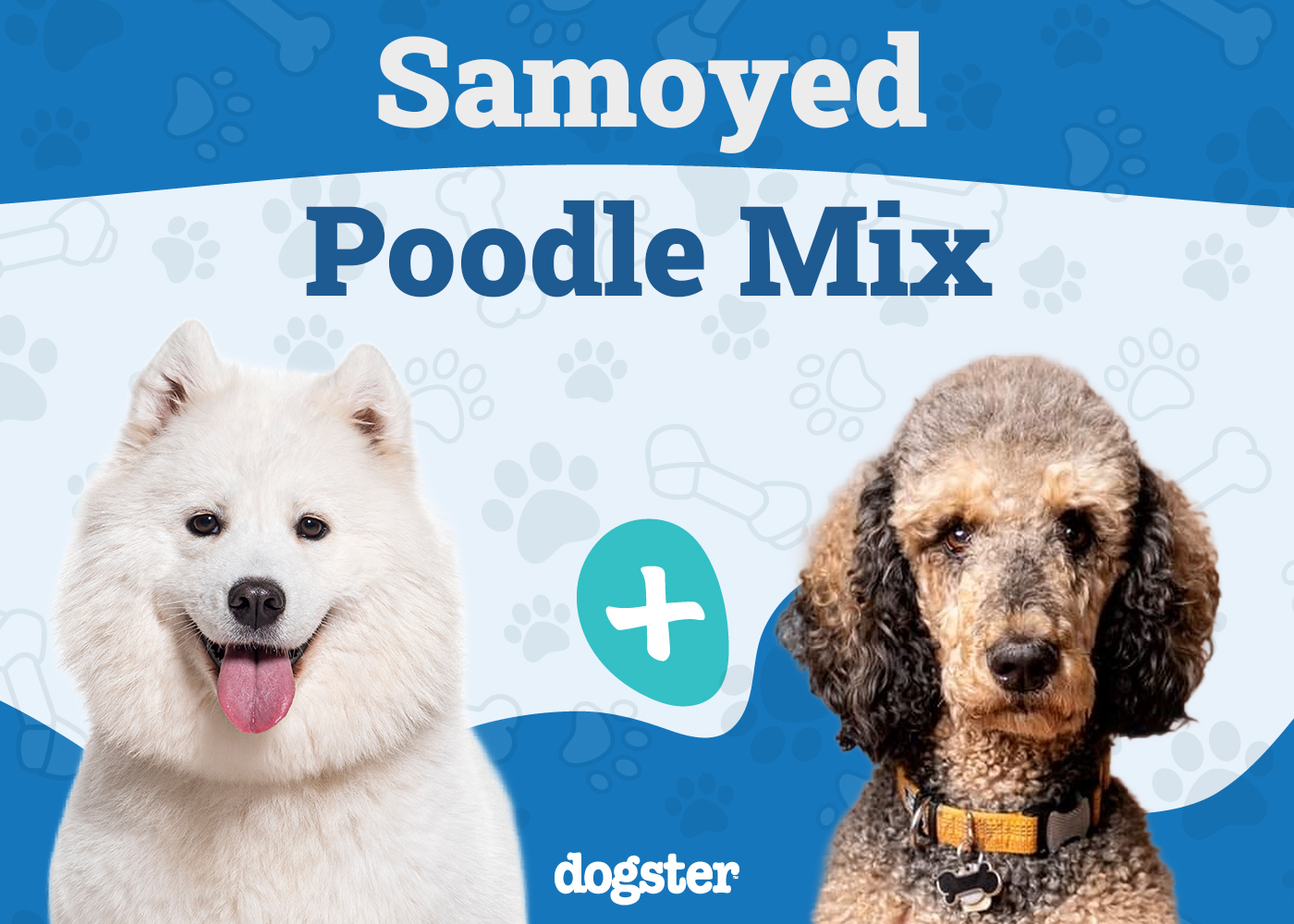
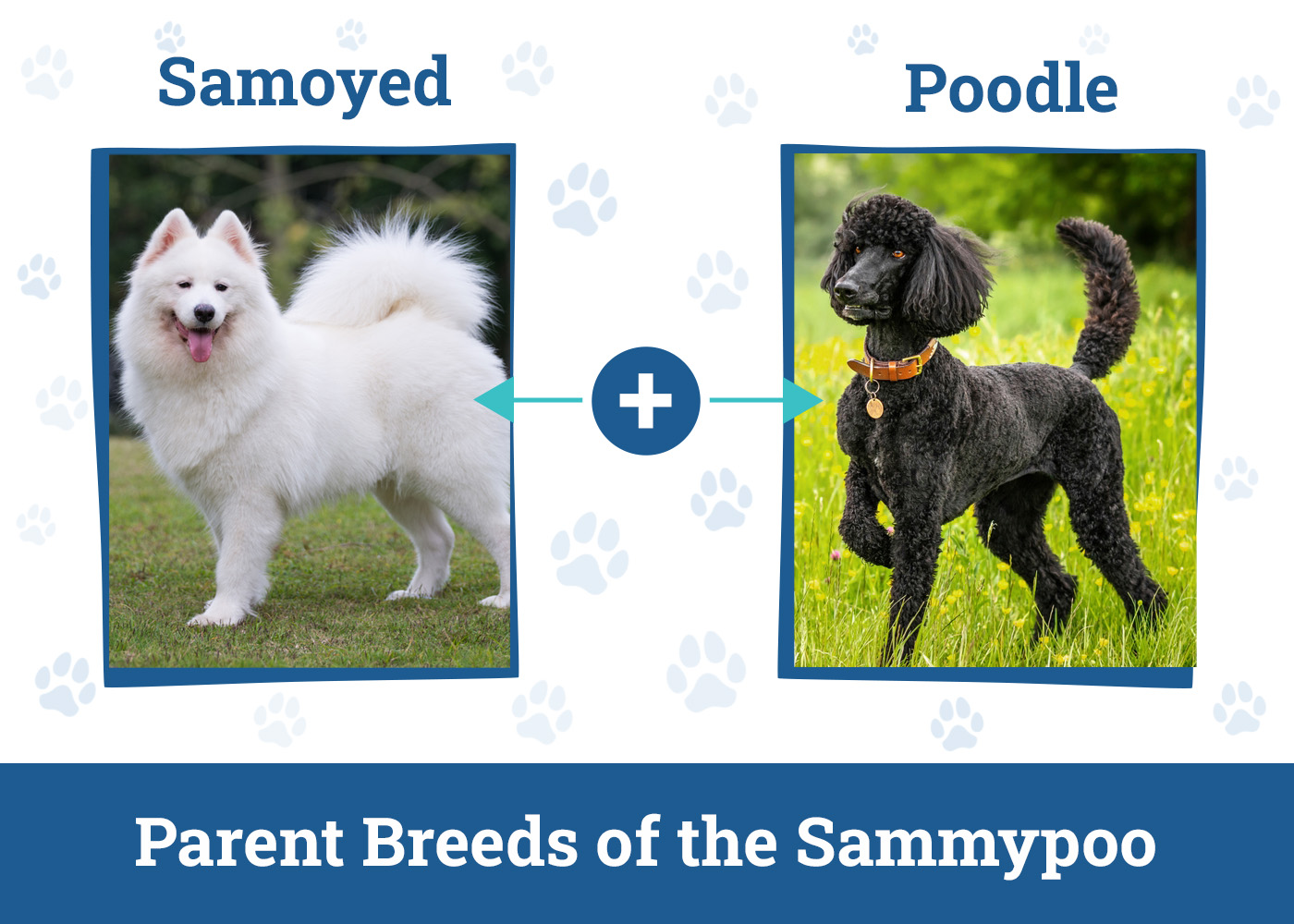
View 8 More +The Sammypoo is a unique cross between the protective Samoyed and the intelligent Poodle. The Sammypoo is an excellent companion dog for families and people of all ages because of their endearing personality, hypoallergenic coat, and adaptability.
If you are considering adding a Sammypoo to your family, they can be the ideal pet if you’re searching for a devoted and affectionate companion, but they have a lot more to offer and also require the utmost care. In this article, we’ll examine this spectacular canine to help you determine if the Sammypoo could be the perfect choice for you.
Breed Overview
Height:
16–22 inches
Weight:
40–70 pounds
Lifespan:
12–14 years
Colors:
Black, brown, white, gray, fawn, cream, sable, red, silver
Suitable for:
Owners looking for a hypoallergenic dog, active families, families with children, pet parents who need guard dogs
Temperament:
Intelligent, alert, energetic, affectionate, loyal, protective
A Samoyed and a Poodle were crossed to create the attractive dog known as the Sammypoo. They’re medium-sized, standing up to 22 inches tall, with a typical adult weight of 50–70 pounds. Due to their Samoyed lineage, they have medium-length fur that may shed a little, but they are hypoallergenic like Poodles.
This charming mix combines the most endearing qualities of both parents. The highly intelligent Sammypoo adores participating in training and obedience drills. They are naturally friendly and social with humans and other animals and are great playmates for kids. Due to their lively and energetic personality, Sammypoos are a favorite among families with young children.
Sammypoo Characteristics

Sammypoo Puppies
The Sammypoo is a relatively new hybrid, which may make the search for a breeder more challenging than more established breeds. You will need to do research to find a reputable breeder close to where you reside, and if that proves unsuccessful, you can get in contact with a Samoyed or Poodle breeder who may help point you in the right direction.
There is also a slight possibility that a Sammypoo may end up in a shelter or rescue center. However, it is more likely to be an older dog and is also very likely not to be a pure mix of a Poodle and a Samoyed. Determining the dog’s history and lineage may also prove a little difficult.
Sammypoo puppies need extra attention and care, just like all puppies. They are very curious and will quickly wander off to explore their new environment. They need a watchful eye, a puppy-proof home, and a well-balanced diet. Socialization and training should begin when Sammypoos are puppies.

Temperament & Intelligence of the Sammypoo 🧠
The temperament of your Sammypoo may vary depending on the number of traits they inherit from each parent. They may be more like a Samoyed or Poodle or be a unique combination of both. However, Sammypoos are generally loved for their charming and affectionate nature.
Most are friendly and playful, making them wonderful companions for families with children. They are active dogs that need a lot of physical and mental stimulation to be happy. They are extremely adaptable and can live in many environments. The Sammypoo is also an intelligent dog that is eager to learn and please, which makes them fairly easy to train. Overall, the Sammypoo is a loyal, loving companion who loves to be with their owners.
Are These Dogs Good for Families?🏡
The Sammypoo is a very affectionate and family-friendly dog for families of all sizes and ages. Their friendly demeanor and adaptability make them fantastic companions for singles, couples, and families with kids. However, early socialization and training are essential for any dog welcomed into a new family. Fortunately, the Sammypoo is easy to train and enjoys making their owners happy.
Does This Breed Get Along With Other Pets?
The Sammypoo is known to be a friendly dog that gets along with other pets. However, it’s vital that early socialization and training are provided. It’s always better if your dog and other pets are brought up together since they will grow up to be more tolerant of each other.

Things to Know When Owning a Sammypoo
When bringing home a new Sammypoo, you must be prepared and know what to expect to provide your dog with the best care. That means providing a healthy diet, maintaining grooming, providing daily exercise, and knowing which health issues they may be predisposed to. Here is what you should know to ensure you are ready to bring home a Sammypoo.
Food & Diet Requirements
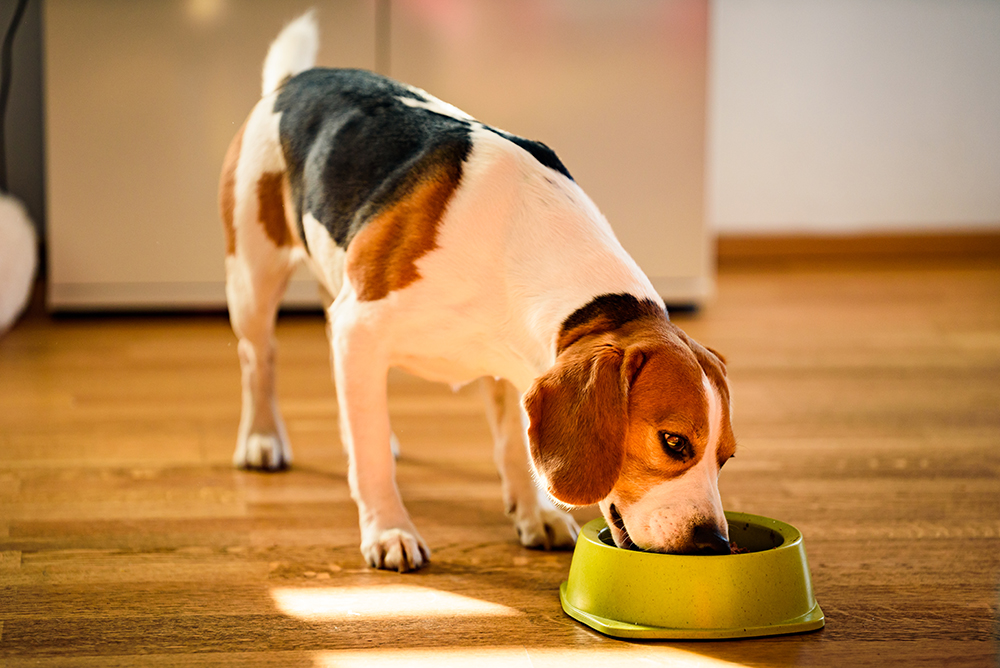
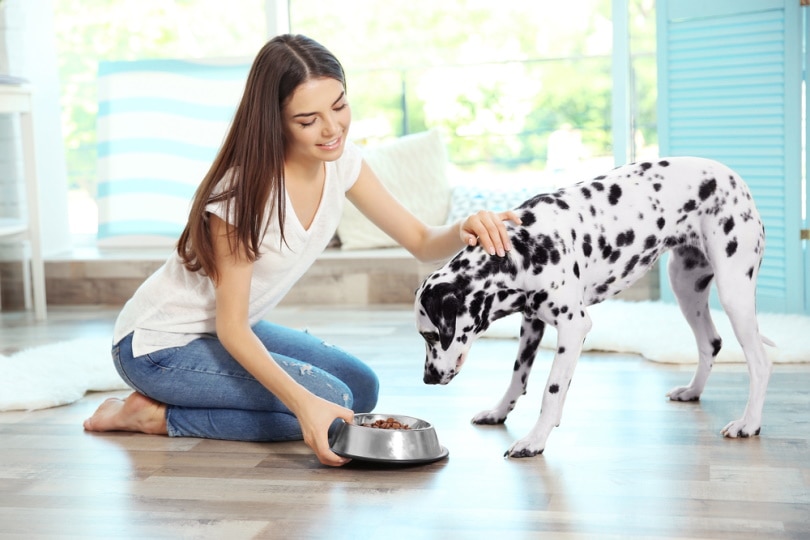
The Sammypoo requires a high-quality, well-balanced diet, which your veterinarian can help you develop, depending on your dog’s caloric and nutritional needs. Typically, dog food that is breed and life-stage-appropriate and approved by the Association of American Feed Control Officials (AAFCO) will be sufficient.
Portion control is also crucial since overeating can lead to obesity and put extra pressure on the dog’s joints. Your Sammypoo should also have access to fresh, clean water daily.
Exercise
Dogs need exercise to stay healthy and happy, but their exercise requirements vary depending on their energy levels, size, and history. Sammypoos are highly energetic and need an hour or more of exercise daily. They enjoy long walks and runs, playing games with their owner, and training.
They make excellent adventure buddies for owners who enjoy hiking or active owners who enjoy cycling and running. You can take them swimming because many Sammypoos enjoy water activities. It is an excellent way to expend more energy without significantly straining their joints.
Sammypoos are also intelligent, so mental stimulation is as important as physical stimulation. You can exercise their mind with interactive puzzle feeders and a short but effective training session.
Training
Sammypoos are eager to please their owners, which can make training relatively easy. However, they possess a stubborn streak, which can prove more difficult for first-time owners or those who do not have confidence in their abilities. Because of their high level of intelligence, it might be challenging to keep them motivated, so you’ll want to ensure that your sessions are as engaging as possible.
While your dog is being trained in obedience and housetraining, it’s crucial to establish pack leadership. It is also important to socialize Sammypoos to ensure they get along with other dogs and people because they tend to herd and chase small pets and children.
They respond best to positive reinforcement training. When training your dog, be consistent but firm, and reward and praise them verbally and with treats to establish a positive connection with a wanted behavior.
Grooming ✂️
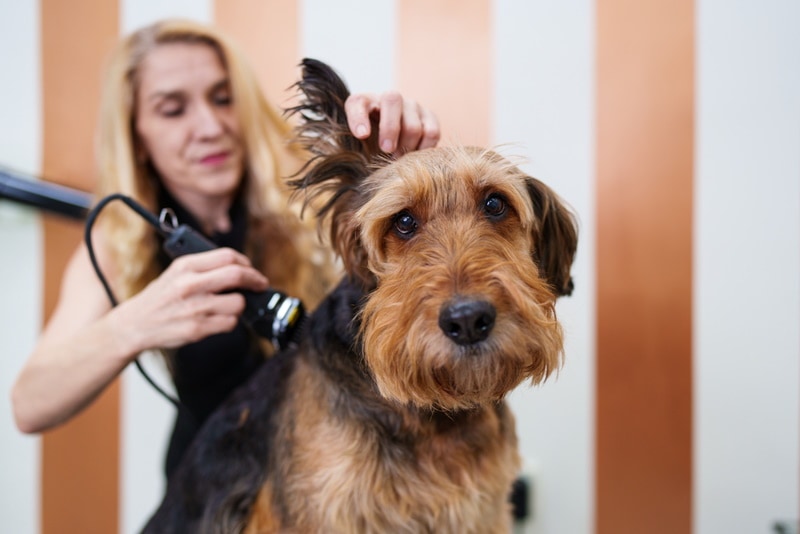
While all dogs shed naturally to some degree, Sammypoos are known to shed moderately and can inherit the hypoallergenic coat from their Poodle parents. Their coats require weekly brushing to remove loose hair and prevent knotting. It can be helpful to send your Sammypoo to a groomer once a month to keep their coats trimmed and looking neat.
Your Sammypoo will need a bath using a pet-safe shampoo at least once a month. Ensure you rinse and dry them thoroughly, and check your Sammypoo’s nails regularly for trimming. While the nails often wear down on their own, sometimes they need a little extra help. If you are unsure about clipping your dog’s nails, your groomer can help.
Their ears should be checked regularly for any signs of infection or ear wax build-up. On this note, if your Sammypoo enjoys swimming, you need to ensure their ears are dried thoroughly after their swim to prevent moisture from building up.
The Sammypoo’s dental health is very important and should never be overlooked. You must brush your Sammypoo’s teeth at least once a week with dog-safe toothpaste. You can also use dental wipes or treats, but speak to your veterinarian about the best options. Along with regular brushing, you should provide your Sammypoo with dental chews and chew toys to prevent plaque build-up.
Health and Conditions
Your Sammypoo will generally have a long lifespan of about 12–14 years. However, a few factors will determine how long they live, and their health is one of the most significant factors. While Sammypoos are typically a healthy breed, like all dogs, they are predisposed to health issues that every potential owner needs to be aware of.
- Allergies
- Corneal dystrophy
- Entropion
- Progressive retinal atrophy
- Sebaceous adenitis
- Addison’s Disease
- Hip and elbow dysplasia
- Mitral valve disease
It’s essential to stay current with your dog’s vaccine schedule and veterinary checkups. This can prevent or reduce the chances of diseases developing, and regular check-ups can detect early signs that are generally easier to treat. It is also essential to keep up with your dog’s preventative care for ticks, fleas, and worms, so consult your vet about the best options.
Male vs Female
Other than the fact that male Sammypoos are larger than females, there isn’t much difference between them. Your choice between male or female will come down to your preference. However, it is always helpful to speak to the breeder since they can provide more information about the temperament and personality of their litter.
Understanding that spaying and neutering can make a difference is also crucial. An intact male will generally be more territorial and display behaviors such as mounting and humping. They are also more prone to wander off to search for a nearby female in heat. The same can be said for an intact female. She will be a little more territorial, especially when in heat, which she will experience at least twice a year.

3 Little-Known Facts About the Sammypoo
1. The Sammypoo’s Size Can Vary
Poodles come in three sizes: standard, toy, and miniature. Breeders can produce Sammypoos from any Poodle, and the size of the resulting Sammypoo depends on the size of the Poodle used. While it won’t affect their general temperament, the smaller variety may be easier for older owners.
2. Sammypoos Come in a Variety of Coat Colors
Samoyeds are white, but there are different colors available for Poodles. Because of that, most Sammypoos have a white base over which any number of color schemes can be layered. But until the dog is completely grown, their markings might not become apparent, so what you see as a puppy might not be what you get as an adult.
3. The Sammypoo Makes a Good Watchdog
The Sammypoo has an instinct for protection and vigilance. They’re keenly observant of odd sounds or happenings and cherish defending their family.

Final Thoughts
You can’t go wrong with a Sammypoo if you want a highly intelligent, active dog that may be ideal for owners with allergies. The Sammypoo takes on the best traits from their parents and is a playful, energetic dog suitable for families.
However, Sammypoos require a firm and consistent leader and are more suited to active families who provide daily physical and mental stimulation. Make sure you find a reputable breeder and reliable veterinarian to get the best start.
See also: