
Click to Skip Ahead
The Brittany Spaniel is a popular hunting and sport dog worldwide. These dogs are intelligent and affectionate with family and have boundless energy to take them on the hunt.
Some people, including their original breeders, consider them spaniels, but they’re more of a cross between a setter and spaniel; they’re smaller overall than a setter but have longer legs than a spaniel.
Brittanys* need a lot of exercise or get bored and destructive; they won’t be happily crated inside all day. The Brittany is a great companion for an active, outdoorsy life, hunting, or competing in dog sports.
Brittanys excel at virtually every dog sport from flyball to agility and make good family pets for active and energetic families that can keep up with them.
* Note: “Brittany Spaniel” is a European term. The AKC registered name of the breed is Brittany and the correct pluralization of the word is “Brittanys” not “Brittanies” according to the AKC.

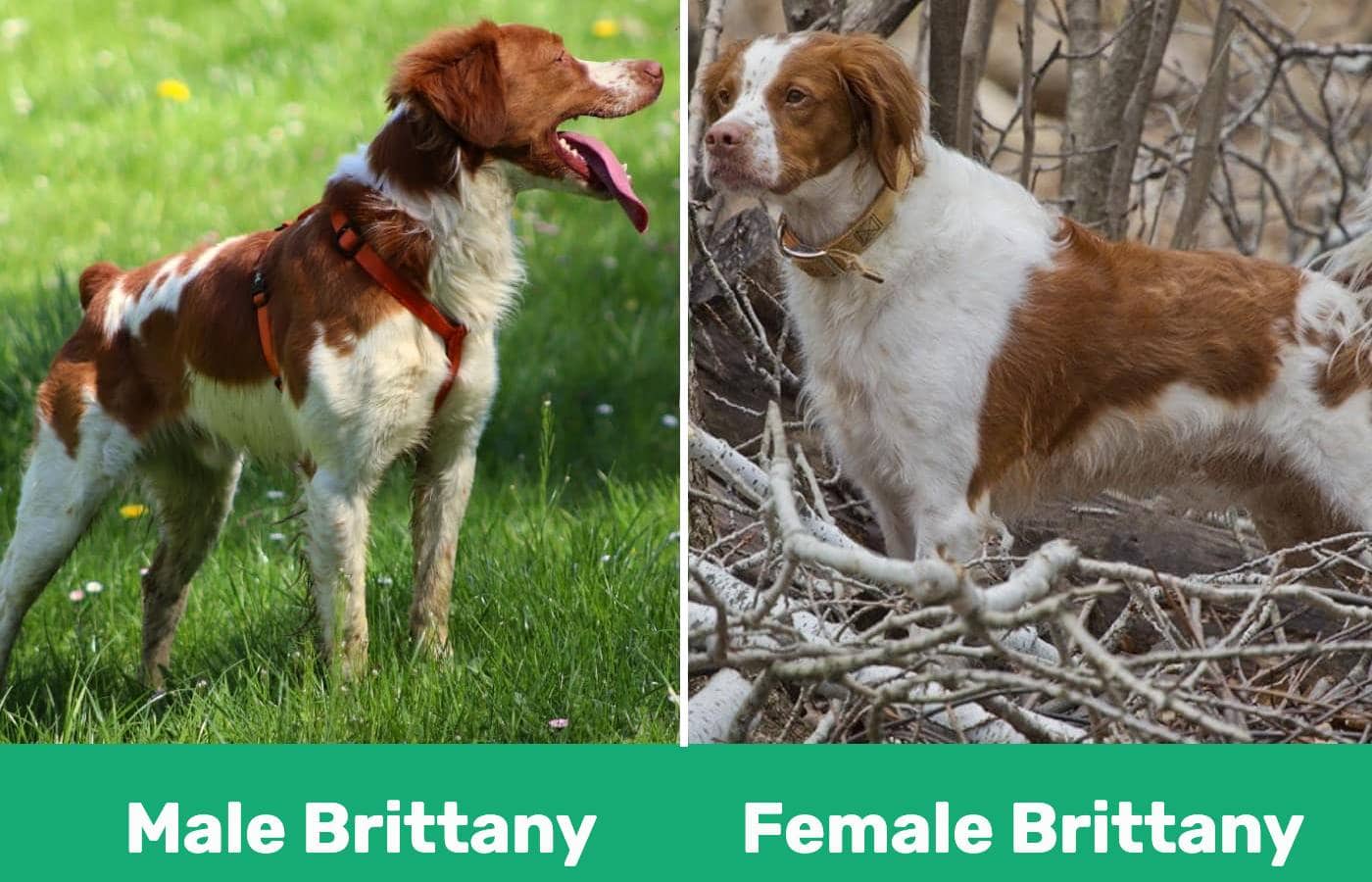
Visual Differences
At a Glance
- Average height (adult): 17–21 inches
- Average weight (adult): 35–40 pounds
- Average height (adult): 18–20 inches
- Average weight (adult): 30–40 pounds
 Brittany 101
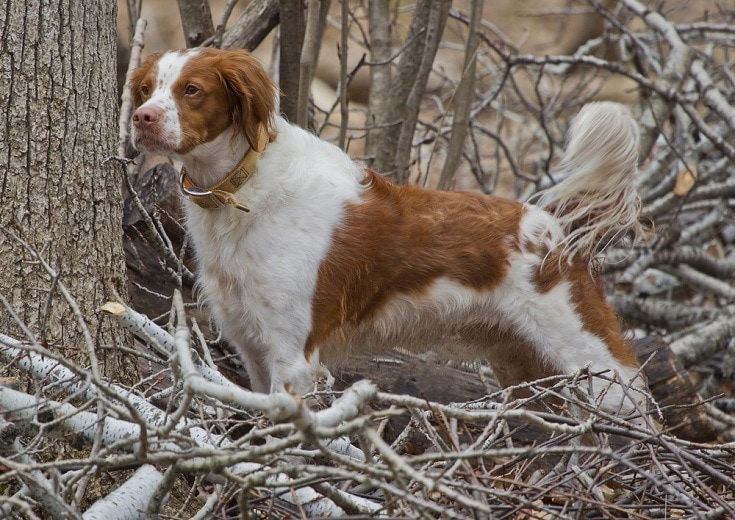
Brittanys hail from the Brittany region of France, where French hunters bred the Brittany to be considered the most versatile hunting dog for feathered game. When it comes to hunting birds, look no further than the Brittany for all your needs.
The Brittany was historically favored by peasants and workers who couldn’t afford a full kennel of dogs and valued versatility in their companion animals. This versatility has never left the Brittany’s genetics, even though the dogs have made their debut worldwide.
Brittanys have excellent stamina, a sharp sense of smell, and a lean, athletic build for chasing down game. In addition to their work abilities, they make loving companions who will take fantastic care of their favorite humans.
When the Brittany was first introduced to America, it was registered as the Brittany Spaniel, as its original breeders called it. However, after some time in the United States, U.S. fanciers of the breed considered the dog to be more of a pointer than a Spaniel, so its official name within the AKC was shortened to the “Brittany” by the AKC.

Male Brittany Overview
Personality / Character
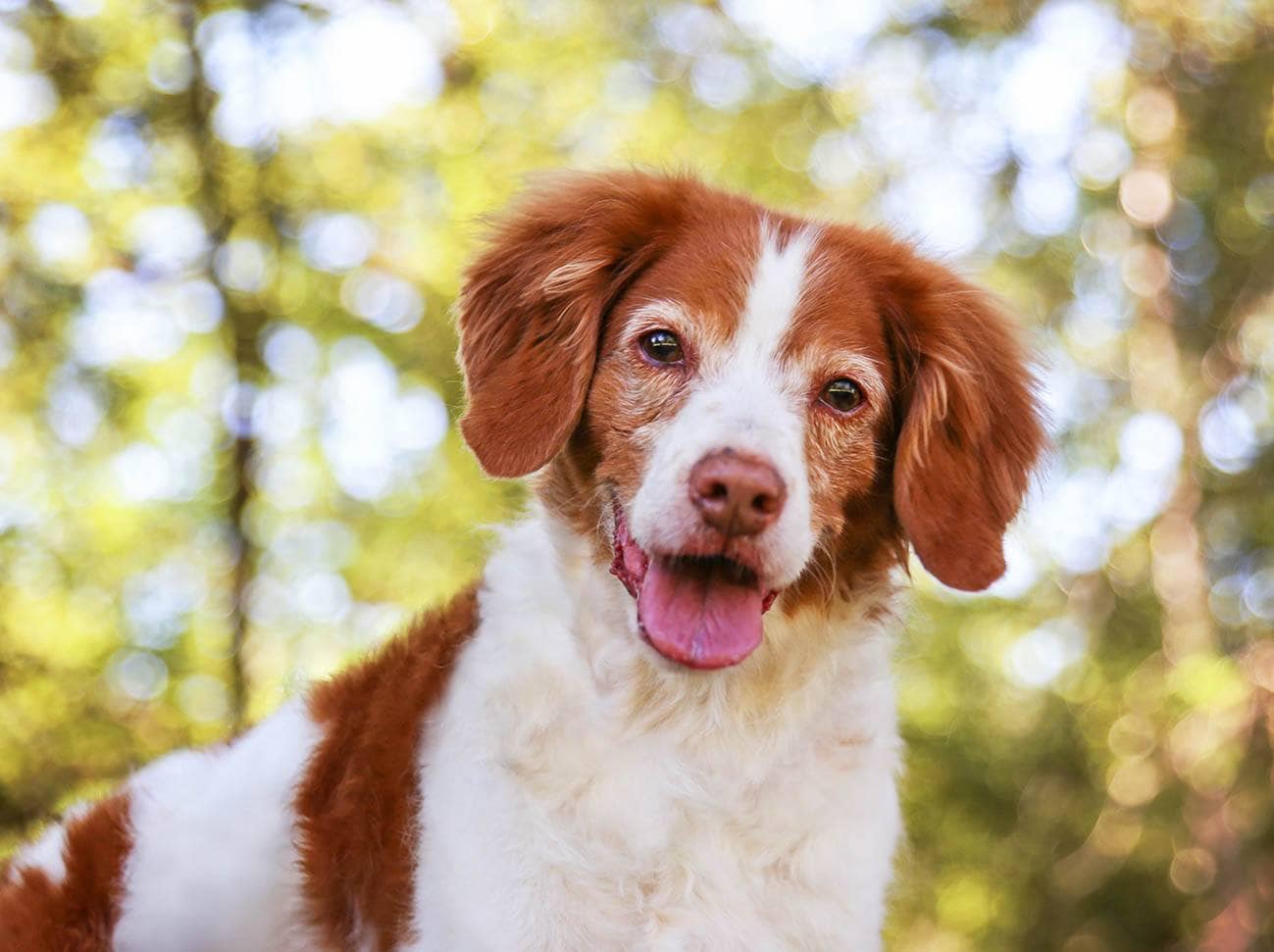
The male Brittany is playful and full of energy. He’s a people pleaser who will be attached to his owner at the hip. He is friendly and wants to be friends with just about every creature he meets, human or otherwise.
Despite his breeding as a sport dog, he can be pretty lazy when he isn’t playing and fancies himself a lapdog. He’s affectionate and wants to be cuddled by his favorite people whenever possible.
Training
The male Brittany is easy to train because of his desire to please his owners. He is focused on you and praise-driven, making it easy to get him to do what you want.
However, he can be erratic and hyper, which can make training sessions frustrating. While his focus is usually you, he can be distractable, leading to some roadblocks in training.
Health & Care
Cerebellar Ataxia, Elbow Dysplasia, and Retained Testicles are seen in male Brittanys more often, and in the case of the latter only in male Brittanys.
The most common early sign of Cerebellar Ataxia is a clumsy, goose-stepping gait. In severe cases, Cerebellar Ataxia can lead to paralysis. So, if you suspect your Brittany is showing signs, you should have him seen by a veterinarian.
Elbow Dysplasia is caused by irregular development of the elbow joints and makes him prone to arthritis. The most common sign of this illness is difficulty standing up after laying down.
Retained Testicles are when one or both testicles do not descend into the scrotum and, instead, remain in the abdomen. This illness can make him prone to cancer.
Breeding
There are no notable differences when it comes to breeding male Brittanys versus breeding female Brittanys.
- Affectionate
- Playful
- More of a people pleaser
- Can be hyperactive
- Can be harder to train because of distractability
Female Brittany Overview
Personality / Character
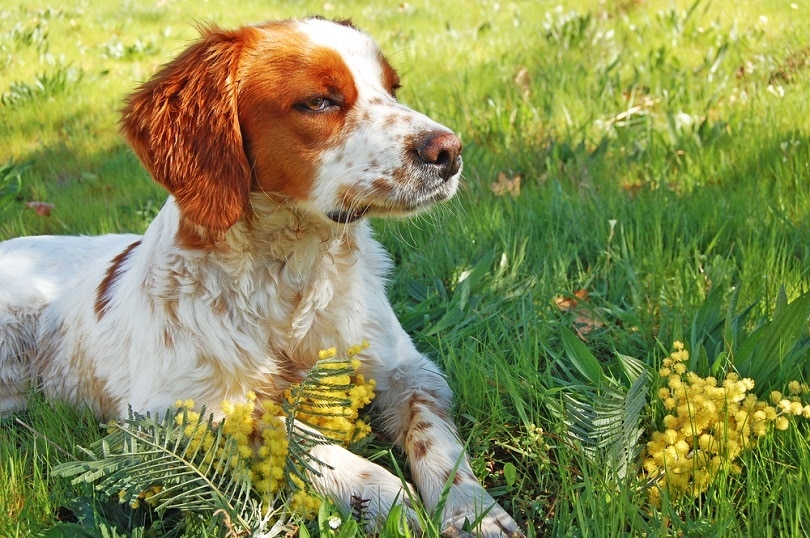
The female Brittany is more independent than her brother. She is self-assured, confident, and sometimes moody. She’s considered more intelligent than her brother, but this can be a double-edged sword since she may decide she’s above specific tasks.
She is less distractable and matures more quickly than her brother, making her easier to train, despite her independence and mood swings. Most hunters prefer a female Brittany to take on the hunt since she will stay focused on her task.
The female Brittany enjoys cuddles but is less of a lapdog than her brother. She also enjoys her alone time and doesn’t want to be attached to her people all the time.
Training
The female Brittany is considered easy to train when she’s in the mood to be trained. She’s less of a people pleaser than her brother and may not always be in the mood for a training session.
When she is ready to take on a training session, she’s highly focused and learns quickly. However, she can be proud and may not want to lower herself to certain tricks and commands.
Health & Care
Hip Dysplasia is more common in female Brittanys than males. This condition is caused by a malformation of the hip joints, which can affect movement and cause arthritis in the long term.
Canine Glaucoma is also more common in females. Glaucoma can lead to long-term damage to optic nerves, loss of visual field, and even blindness if left untreated.
Breeding
There are no notable differences between male and female Brittanys when it comes to breeding them.
Female Brittany Pros
- Independent
- Easier to train
- Easier to leave to her own devices
- Moody
- Can be proud to the point of being defiant

Which Brittany Is Better for Families?
Deciding which Brittany is better for your family is determined by what kind of lifestyle your family leads. A very active family might want to consider a male Brittany because he can and will keep up with you and your kids.
While it is essential to supervise your children when they interact with dogs regardless of temperament, the male Brittany is also more friendly and tolerant of rough-housing, so a family with young children might want to consider a male Brittany.
On the other hand, a female Brittany is more careful when playing with children as she’s got a more reserved personality. However, she’s less tolerant of rough-housing and values her alone time.
Which Brittany Is Better with Other Dogs?
Male Brittanys tend to be more territorial than their female siblings. However, their friendly nature tends to be the more dominant trait when interacting with other dogs. Male Brittanys will get along with opposite-sex dogs and play with them quickly but may show same-sex aggression as they can be territorial.
Female Brittanys show a disposition towards same-sex aggression as their brothers, but the fights between them are more intense and severe. Female Brittanys are also harder to socialize because they’re more stubborn and won’t socialize unless they want to.
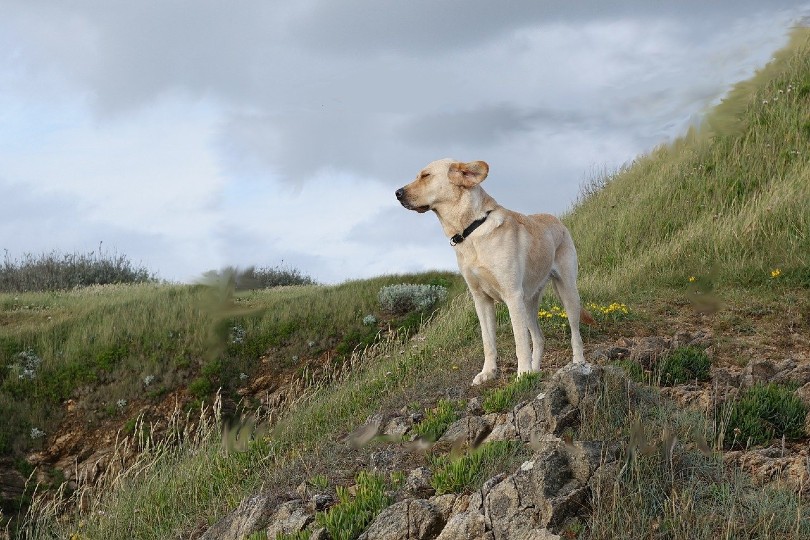
Which Brittany Is Better for Hunting?
Hunters generally prefer female Brittanys as their partners. Female Brittanys are less hyperactive and are more focused when they’re given a task. They’re also less lazy and will do their jobs with enthusiasm.
Male Brittanys make better companion dogs than hunting dogs because they’re lazy and prefer to be lapdogs. They’re also friendlier and would rather make friends with the game than hunt it, which can be challenging for hunters to deal with.
Which Brittany is Right For You?
When deciding which Brittany to bring into your family, you should make sure that you consider your lifestyle.
Both dogs fit into active families, but a female Brittany will be more suited to a lifestyle where she has to work. Male Brittanys will enjoy the exercise and playtime of hiking but aren’t as focused and on task as their sisters.
Considering your family composition is also essential. Female Brittanys might be better suited for a single owner who works, while male Brittanys will integrate better into a larger family where someone is home all the time.
Of course, each dog is also unique and may display traits more commonly associated with the other sex. So, it’s essential to tailor your decision not just to the sex of the dog but the individual. Meeting your dog’s parents can help determine what kind of temperament your dog will be predisposed to.
Featured Image Credit: Down: TanyaCPhotography, Shutterstock