In this article
View 8 More +Are you searching for the perfect furry companion to join your family? Look no further than the Jindo Lab mix dog. This unique hybrid breed combines the intelligence and loyalty of the Jindo with the playful and friendly nature of the Labrador Retriever.
Breed Overview
Height:
18–22 inches
Weight:
45–80 pounds
Lifespan:
14–17 years
Colors:
White, light brown, black, brownish white
Suitable for:
Active families, those looking for a low-shedding dog
Temperament:
Fun, loving, easy to train, loyal, intelligent, active
The Jindo Lab mix is a versatile and adaptable dog that thrives in various environments, making it an excellent choice for city dwellers and suburban families alike. With their striking physical appearance, characterized by their muscular build and expressive eyes, these dogs are sure to turn heads wherever they go. But it is not just their looks that make them special–their loving and affectionate personalities make them incredibly popular among dog lovers.
Jindo Lab Mix Characteristics

Jindo Lab Mix Breed Puppies
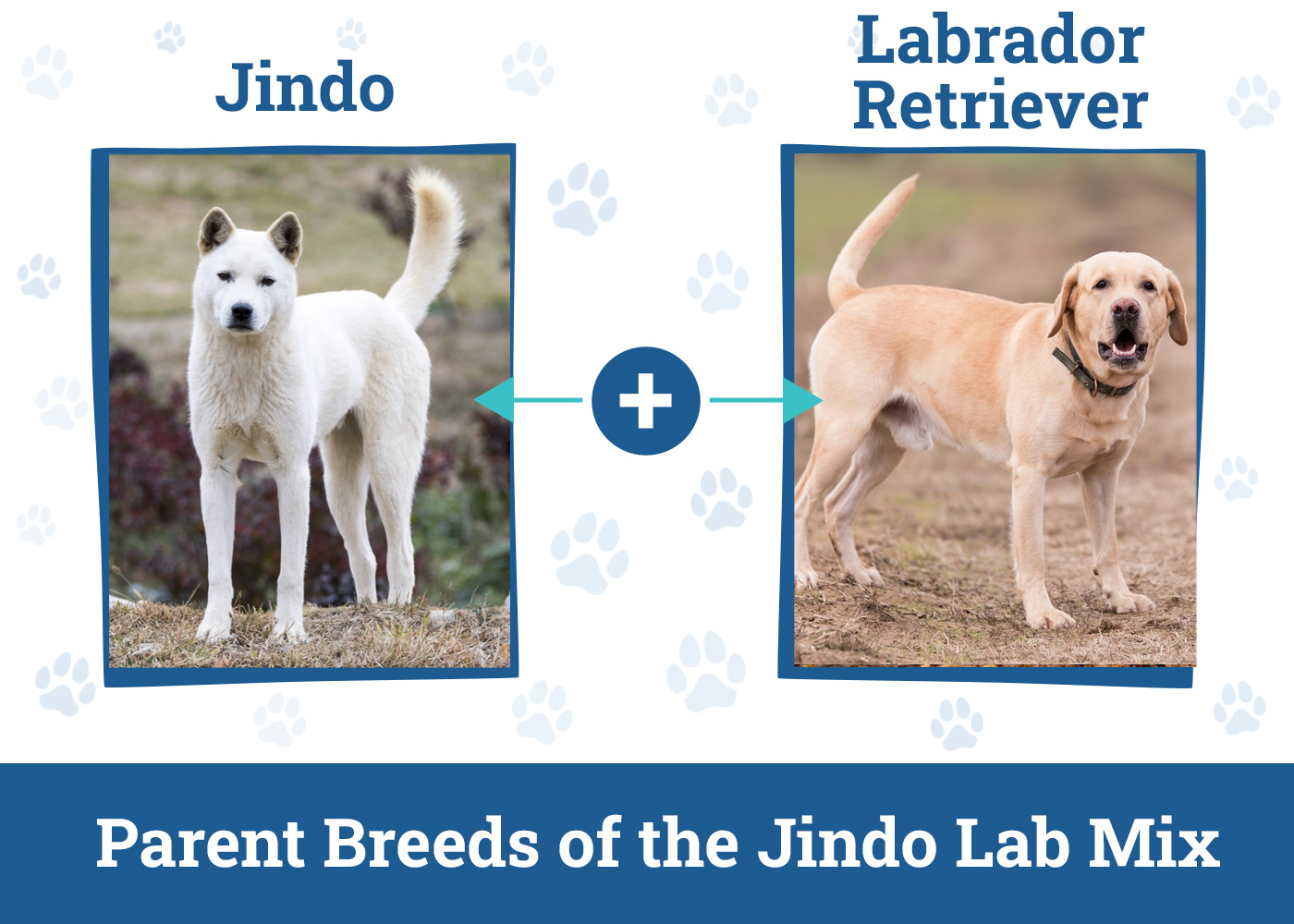
The Jindo Lab mix is a crossbreed between the Jindo, a native Korean breed known for its loyalty and hunting skills, and the Labrador Retriever, a popular breed renowned for its friendly and outgoing nature. These adorable puppies inherit the Jindo’s intelligence, independence, and strong prey drive, as well as the Labrador Retriever’s sociability, trainability, and love for water. This combination makes them an excellent choice for families who enjoy outdoor activities and want a dog that is both loyal and adaptable.
Temperament & Intelligence of the Jindo Lab Mix
Are These Dogs Good for Families?
Yes. Overall, the Jindo Lab Mix can make a great addition to a family due to its friendly and loyal nature. Both the Jindo and Labrador Retriever breeds are known for their intelligence and obedience, which makes the Jindo Lab Mix relatively easy to train. This is especially important for families with children, as a well-trained dog can be a great companion and playmate for kids. Additionally, both breeds are generally good with children, making them a good choice for families with young kids.
Does This Breed Get Along With Other Pets?
Yes and no, it depends on different factors. When it comes to their compatibility with other pets, it largely depends on their individual temperament and socialization. Generally, the Jindo Lab Mix can get along well with other pets if they’re properly introduced and socialized from a young age. This breed tends to have a strong prey drive and may have a tendency to chase smaller animals, so it is important to supervise their interactions with smaller pets such as cats or rabbits. Additionally, early socialization and training can help minimize any potential aggression or dominance issues.
It is also worth noting that the Jindo Lab Mix may display a strong protective instinct towards its family, which can even extend to other household pets. This can be both a positive and negative attribute, as it means they’re loyal and devoted to their loved ones but may exhibit some territorial behavior towards other animals.
Common Behavioral Issues and How to Address Them
Like any other breed, the Jindo Lab mix may exhibit certain behavioral issues if not properly trained, socialized, or given enough mental and physical stimulation. Some common behavioral issues include separation anxiety, excessive barking, and destructive behavior.
To address separation anxiety, gradually desensitize your Jindo Lab mix to your departures by leaving for short periods and gradually increasing the duration over time. Providing them with interactive toys or puzzles can help keep them occupied while you’re away.
Excessive barking can be managed through consistent training and teaching them the “quiet” command. Identifying the triggers for their barking and addressing them appropriately can also help minimize this behavior. Destructive behavior can often be a result of plain old boredom or excess energy. Ensuring your Jindo Lab mix receives sufficient exercise, mental stimulation, and providing them with appropriate chew toys can redirect their energy and prevent destructive behaviors.
And if these behavioral issues persist or become severe, consulting with a professional dog trainer or behaviorist can provide you with specialized guidance and support.
Things to Know When Owning a Jindo Lab Mix
Food & Diet Requirements
Like all canines, this larger-sized mixed breed dog requires a combination of protein, carbohydrates, and a minimal amount of fats, vitamins, and minerals to maintain optimal health. A good quality commercial dog food that is specifically formulated for medium to large breeds is usually recommended. It’s essential to read the ingredients list and choose a brand that includes real meat as the main ingredient–good options include chicken, beef, turkey, lamb, and fish. Additionally, it’s best to avoid artificial additives and preservatives.
Fruits and vegetables like carrots, apples, and sweet potatoes can also be included as they provide valuable vitamins and fiber. And it’s best to avoid feeding certain foods that are toxic to dogs: onions, garlic, chocolate, and caffeine. Also, when it comes to their diet, there is some debate over whether they can/should have a raw diet. A raw diet consists of uncooked meats, bones, fruits, and vegetables, and is believed to be more natural and beneficial for a dog’s health.
However, it is important to note that each dog is different and what works for one may not work for another. So be sure to consult with a veterinarian before making any changes to your Jindo Lab’s diet. They’ll be able to assess your dog’s specific needs and provide guidance on what type of diet is best for them.
Exercise
One of the most important aspects of caring for a Jindo Lab is ensuring they receive the appropriate amount of daily exercise. These energetic and acting dogs require regular physical activity to maintain their overall health and well-being. Ideally, a Jindo Lab should engage in at least 60 minutes of exercise every day. This can be in the form of brisk walks, jogs, playing fetch, or participating in agility training. It’s important to note that the exercise should be a combination of both physical and mental stimulation to keep them engaged and happy.
Remember who the parents of this beloved breed are: the Jindo and a Labrador Retriever, both of which are known for their high energy levels and love for physical activities. Failing to provide them with enough exercise can lead to behavioral problems such as excessive barking, destructive chewing, or even aggression. It is essential to meet their exercise needs to prevent such issues from arising.
Additionally, the amount of exercise required may vary depending on the individual dog’s age, health, and overall temperament. Puppies and younger dogs may have more energy and may need additional playtime and exercise to burn off excess energy. On the other hand, older dogs may still require exercise but may need shorter walks or less intense activities.
Training
When it comes to training a Jindo Lab dog breed, there are several tips that can help ensure a successful and effective training process. First and foremost, it’s important to establish yourself as the leader and maintain a consistent and firm approach throughout the training sessions. This breed is known for its intelligence and independence, so it’s crucial to establish boundaries and reinforce them consistently.
One of the most important aspects of Jindo Lab training is consistency and short training sessions. Use games like fetch and common obedience commands like “sit”, “come”, and “heel” to train them all while providing them with the exercise that they need. Be sure to keep training sessions short to about 10 to 15 minutes, and do these two or three times a day at least.
Consistency is key when training a Jindo Lab. This breed is known for its stubbornness and can be challenging to train at times. However, by setting clear expectations and consistently reinforcing desired behaviors, you can effectively communicate your expectations to your dog.
One of the key aspects of training a Jindo Lab is socialization. This breed tends to be reserved and wary of strangers, so early and frequent exposure to different people, animals, and environments is essential. This can be achieved through regular visits to dog parks, obedience classes, and inviting guests over to your home. Positive reinforcement techniques, such as treats and praise, can also be used to reward desired behaviors during socialization.
Grooming ✂️
Grooming a Jindo Lab dog can be a rewarding and enjoyable experience for both the dog and the owner. These dogs have a beautiful and unique coat that requires regular maintenance to keep it healthy and looking its best.
Brushing
Regular weekly brushing is essential for maintaining the coat of a Jindo Lab dog. These dogs have a dense double coat that can become easily tangled and matted if not properly cared for. By brushing your dog’s coat at least once a week, you can prevent matting and remove any loose hair or debris that may be trapped in the fur. Use a slicker brush or a grooming comb with wide teeth to gently and thoroughly brush through the coat, paying extra attention to areas such as the neck, belly, and tail where matting is most likely to occur in these pups.
Bathing
Bathing your Jindo Lab dog on a regular basis is also important for keeping their coat clean and healthy. Aim to bathe your dog once every 6 to 8 weeks, or as needed if they get particularly dirty or smelly (like if they’ve rolled around in dirt or in the woods).
Use a gentle dog shampoo that’s specifically formulated for their coat type, as harsh chemicals can strip away the natural oils in their fur. Be sure to thoroughly rinse out all of the shampoo to avoid any residue that could irritate their skin. After bathing, towel dry your dog and allow them to air dry or use a blow dryer on a low setting if they’re comfortable with it.
Ears, Teeth, & Nail Trimming
Lastly, keep an eye on your Jindo Lab dog’s ears and teeth. These dogs can also be prone to ear infections and bacteria or moisture-related issues, so it’s important to check their ears on a regular basis for any signs of discharge or odor, as this could mean there’s an infection. Clean their ears with a gentle ear cleaner and cotton ball, being careful not to insert anything into the ear canal. Additionally, maintaining good dental hygiene is crucial for your dog’s overall health.
Brush their teeth regularly with a dog-friendly toothbrush and toothpaste or provide dental treats or toys to help keep their teeth clean. You’ll also want to trim your dog’s nails every 4 to 6 weeks, or whenever they grow too long. This will prevent them from injuring themselves (or walking in pain) and from scratching up your floors – remember, these dogs are heavy.
Health and Conditions
The Jindo dog breed is known for its strong and robust nature, but like any other breed, they’re also prone to certain health issues.
- Ear infections
- Allergies
- Autoimmune diseases
- Obesity
- Joint dysplasia
- Eye issues
- Exercise-induced collapse
Obesity
One of the most common health issues that some Jindo Lab mixes face is obesity due to their Labrador genetics. Labs have a tendency to overeat and can easily gain weight if their diet and exercise are not properly managed. Obesity can lead to a range of health problems, including joint issues, heart disease, and diabetes. So, Jindo Lab owners should ensure that their dogs are fed a balanced diet and provided with regular exercise to maintain a healthy weight.
Joint Dysplasia
Jindo Labs are also susceptible to hip and elbow dysplasia. This is a genetic condition where the joints do not develop properly, leading to pain, stiffness, and difficulty in movement. These dogs are particularly prone to this condition due to their active lifestyle and high energy levels. Regular exercise on hard surfaces, such as concrete or asphalt, can increase the risk of developing hip and elbow dysplasia. However, responsible breeders will screen their breeding dogs for this condition to reduce the likelihood of passing it on to their offspring.
Eye Issues
These mixes are also prone to various eye problems, including glaucoma, cataracts, and progressive retinal atrophy (PRA). These conditions can cause vision impairment or even blindness if left untreated. Regular eye examinations by a vet are essential to detect any early signs of these issues. Also, often, Jindo Labs may need to be protected from excessive exposure to sunlight as it can increase the risk of developing certain eye problems.
Exercise-Induced Collapse (EIC)
A less common but still significant health issue in Jindo Labs is exercise-induced collapse (EIC). This is a condition where dogs experience weakness, collapse, and sometimes seizures after intense exercise or excitement. It’s believed to be a genetic disorder that affects the muscles’ ability to generate energy. While EIC cannot be cured, it can be managed by avoiding strenuous exercise and providing plenty of rest and cool-down periods.
Ear Infections
Another common health issue in Jindo dogs is ear infections. Due to their upright ears and thick fur, Jindo dogs are more prone to ear infections caused by bacteria or yeast. It’s important for owners to regularly clean their dog’s ears and keep them dry to prevent the buildup of moisture and bacteria. If an ear infection does occur, it should be treated promptly with medication prescribed by a veterinarian. You can also simply clean your dog’s ears with a clean microfiber cloth or cotton ball–just be sure to wipe the interior edges and not shove anything down the ear canal as this can damage their eardrum.
Allergies
Jindo dogs are also susceptible to allergies, which can manifest in various ways such as skin irritation, itching, and gastrointestinal problems. These allergies can be caused by environmental factors such as pollen or certain foods (especially during seasonal changes). It’s important for owners to identify the allergen and make appropriate dietary changes or take measures to reduce exposure to allergens.
Autoimmune Diseases
One of the less common but still important health issues seen in Jindo dogs is autoimmune diseases. These conditions occur when the immune system mistakenly attacks healthy cells in the body. Autoimmune diseases can affect various organs and systems, leading to fever, weight loss, and fatigue. Treatment for autoimmune disease can vary but usually includes a modified diet and/or lifestyle changes and may include regular medications.
Male vs. Female
While both sexes share similar physical characteristics, there are certain traits that set them apart. For example, the males tend to be larger in size compared to their female counterparts. This is a general trend observed in many dog breeds, where males typically have a more robust build and slightly larger frames.
Male Jindo Lab dogs are known to be more dominant and territorial. They often display a strong sense of protectiveness over their family and property, making them excellent guard dogs. On the other hand, female Jindo Labs are generally more independent and less inclined towards dominance. They’re often described as being more nurturing and affectionate, making them great companions for families with children.
In terms of training, male and female Jindo Lab dogs may exhibit different learning styles. Males tend to be more stubborn and may require a firmer hand during training sessions. They can be independent thinkers and may test boundaries or resist commands. Females, on the other hand, are often described as being more eager to please their owners. They are typically more receptive to training techniques and may respond better to positive reinforcement.
Another notable difference between male and female Jindo dogs is their reproductive behavior. Female Jindo Labs go through heat cycles approximately twice a year, which can last for several weeks. During this time, they may display certain behaviors such as increased vocalization, restlessness, and attraction towards male dogs. But males, on the other hand, may become more territorial and exhibit a greater desire to mark their territory during this period.
3 Little-Known Facts About the Jindo Lab Mix
1. They’re really smart
The Jindo Lab mix is known for its high intelligence and trainability. Both the Jindo and Labrador Retriever are renowned for their intelligence, and this mix inherits those traits. This makes training relatively easy and enjoyable for both the owner and the dog. The Jindo Lab is quick to learn new commands and tricks, making it an excellent choice for obedience training or even more advanced tasks.
2. They’re super adaptable
This mixed breed is highly adaptable and can thrive in various living environments. The Jindo Lab is known for being adaptable to different climates and living conditions. Whether you live in a small apartment or a spacious house with a backyard, this mix will be content as long as it receives enough mental and physical stimulation. However, it’s important to note that this mix has a lot of energy and requires regular exercise to keep it happy and healthy.
3. They’re great for families
The mix is also an excellent family companion–for any family size. Both the Jindo and Labrador Retriever breeds are known for their loyalty and affection towards their families, and this mix is no exception. It forms strong bonds with its owners and is known to be great with children. However, it’s important to socialize the Jindo Lab from an early age to ensure that it gets along well with other pets and strangers.
Conclusion
The Jindo Lab is a fascinating hybrid breed that combines the best traits of the Jindo and widely adored Labrador Retriever. This mix is known for its intelligence, adaptability, loyalty, unique appearance, and grooming needs. If you’re looking for a smart, loving, and versatile companion that also makes for a great family pet, this fun mixed breed dog might be the perfect choice for you.
Related Reads: