
In this article
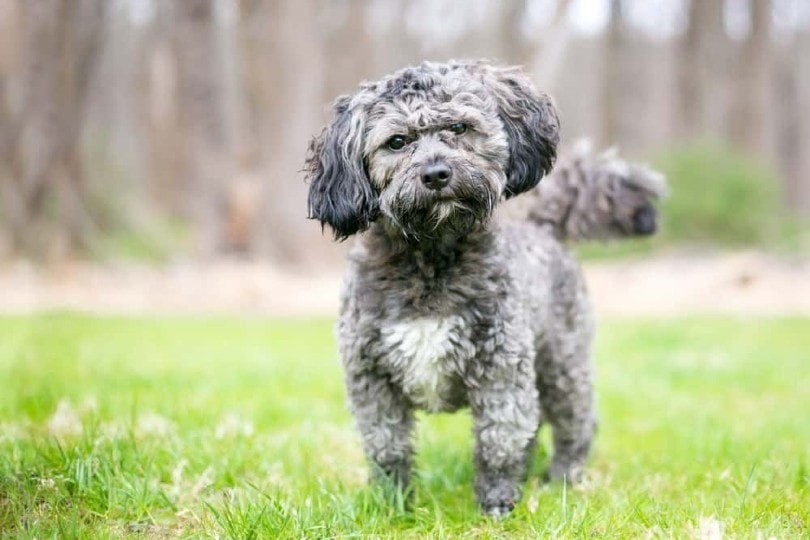
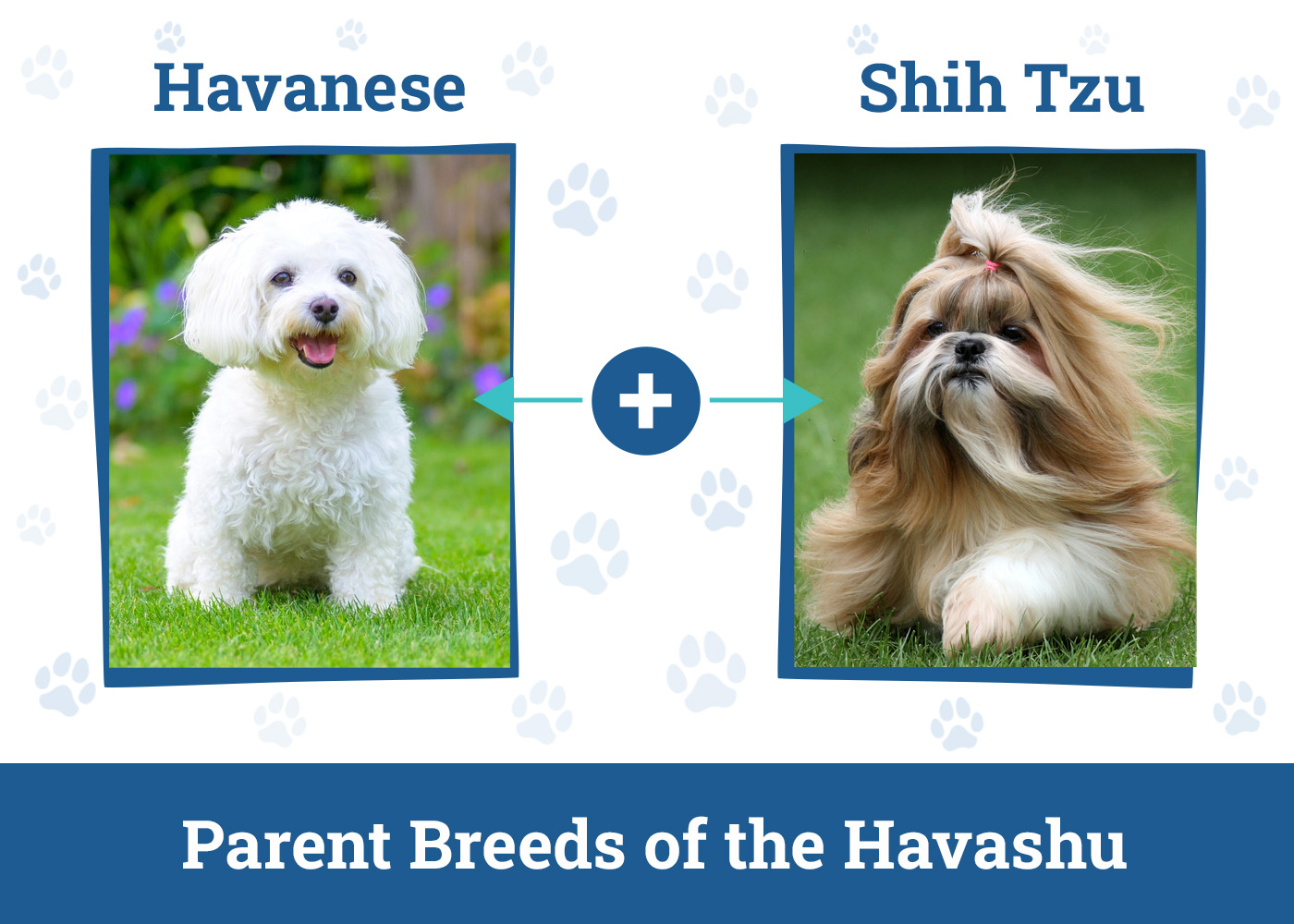
View 8 More +The Havashu is a small crossbreed dog from the Havanese and the Shih Tzu breeds. This affectionate pet is a very enthusiastic and hyperactive family companion dog. This breed is a suitable companion for kids, and it combines the people-loving personality of the Havanese and the feisty nature of the Shih Tzu.
The Havashu are very playful and could play all day. As much as they adapt well to living in an apartment, they could use a yard to run around freely. This dog is full of life, loves sitting on its owners’ lap, and welcomes strangers.
Breed Overview
Height:
8–12 inches
Weight:
8–15 pounds
Lifespan:
12–16 years
Colors:
Brown, white, gray, black
Suitable for:
Apartment dwellers, families with kids and other pets, first-time dog owners
Temperament:
Intelligent, playful, affectionate, and easy to train
Although the actual origin of the Havashu breed is unknown, this dog has been part of the designer dog category since the 1990s. The Havanese’s parent breed dates back to the 1400s and was brought in by Spanish settlers who settled in Cuba. On the other hand, the Shih Tzu was bred in royalty as a lap dog companion and a gift to noblemen in ancient China and Tibet.
The resulting cross of these two luxury dog breeds resulted in the Havashu. Their association with celebrities has increased their popularity. Most of the breeds now originate from the US, with some coming from the UK, Canada, and Australia.
If you love tiny lap dogs, the Havashu is a perfect choice. But before you get one from your breeder, you need to know how to care for it, the nutrition needs, potential health issues, exercise requirements, grooming, and training needs. Here’s a complete guide.
Havashu Characteristics

Havashu Puppies
The Havashu is an adorable dog that is highly affectionate, energetic, and easy to train. They are good for first-time dog owners and families.
If you’re looking for an intelligent and playful dog, the Havashu is an amazing pet for you. They love to have human company, so it’s important to be able to play with them and give them enough mental and physical stimulation. Havashus are small dogs that will highly enjoy your company. Bringing home a Havashu will be a fun adventure with your little furry friend.
Temperament & Intelligence of Havashus
The Havashu is a playful, intelligent, and affectionate dog that enjoys meeting new people. Because of these traits, these dogs get attached to their families. As long as they are socialized as puppies, they will be very good with kids and other pets.
Due to their tiny size, you should train children how to handle them properly. They are alert, and intelligent, and will occasionally bark to warn you of strangers in your house or compound. Therefore, if you are considering getting this breed, be prepared for a dog that’s full of energy and personality.
Are These Dogs Good for Families?
This dog would do well in any family as long as it’s not left alone. Due to their breeding as lap dogs, they are people pleasers who love staying with their keepers; otherwise, they’ll get separation anxiety.
For families with members with allergies, it’s advisable to get the dog tested before taking it home. The parent breed, the Shih Tzu, is hypoallergenic; therefore, the offspring might inherit this trait. The only way to confirm is to ensure that your breeder carries out the necessary tests before purchasing the puppy.
Does This Breed Get Along With Other Pets?
Havashu gets along well with other pets. However, due to its playful nature, it might occasionally chase smaller animals to try and play. Early socialization helps with developing this character to ensure the dog does not treat other animals as prey.
If you have kittens or other pets, Havashus are not threatening and will get along with them just fine.
Things to Know When Owning a Havashu
Before owning any pet, you need to know the specific requirements of each breed. This information helps you take care of your dog correctly. Here are some of the critical things you need to know before taking a Havashu to your home.
Food and Diet Requirements
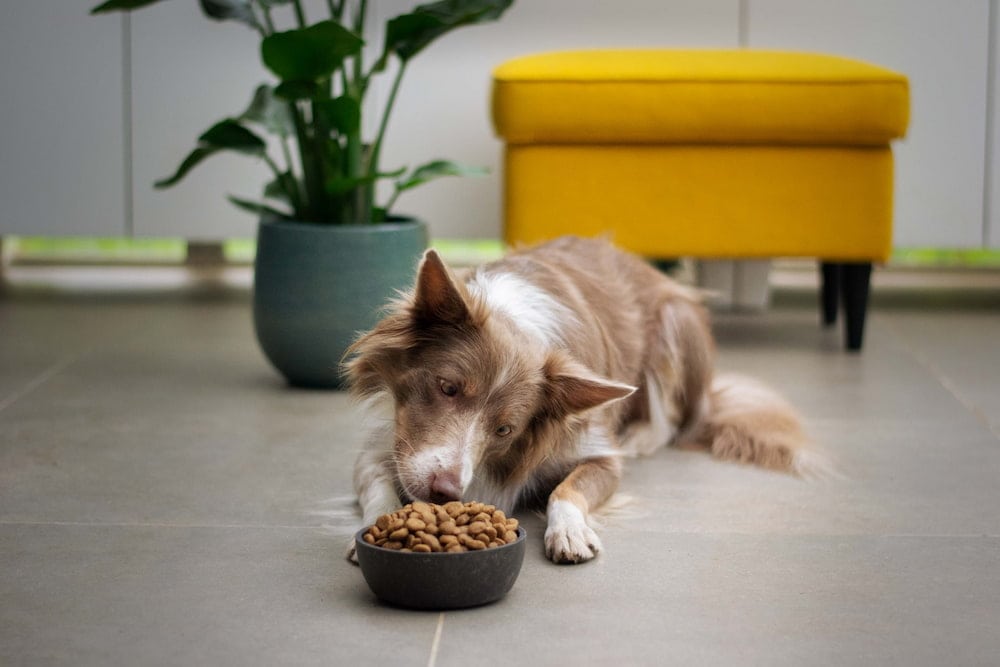
The Havashu is a small dog and, therefore needs very little food. However, these packs of energy also love their food and can become obese if not checked properly. In a day, you should feed this dog breed small meals two to three times a day.
When planning the meals, avoid foods with fillers such as carbohydrates that will make them overfeed. Havashu are most likely to develop joint issues as they age. To prevent this, you should feed them nutrient-rich food that coincides with their weight, age, size, and activity level.
Also, keep tabs on their weight. Once you notice your dog is becoming overweight, it’s time to cut down on the amount of food and increase exercise sessions.
Exercise
Havashu dog breed needs moderate forms of exercise. While most of it comes from following the family around the home, you can schedule a few hours for a short walk. Since this breed tends to be hyperactive, these short bouts of exercise help the dog burn off some energy.
For apartment dwellers, you can schedule a walk across the neighborhood or take your dog to the park and let it run around without a leash. These trips outside the home allow the dog to socialize with other dogs and become comfortable.
If your Havashu inherited the Shih Tzu’s flat face, it’s more likely to get brachycephalic airway syndrome. If your dog has this issue, you’ll notice that they start panting or struggle to keep up during a walk or jog. This syndrome causes breathing difficulties; therefore, it’s best to carry them back home if your dog is struggling.
Training
A Havashu can be very stubborn, a trait they inherited from the Shih Tzu. Because of this, training them might require you to have a little more patience. You can also incorporate a reward system to keep them motivated during training.
However, they take up commands well due to their intellectual abilities and because they are people pleasers. As you train them, avoid being harsh; puppies are very sensitive. To avoid these difficulties in training, begin early socialization when they are still young to makes things easier for both of you.
Grooming ✂️
While this breed is not a heavy shedder, the long, silky coat still requires daily brushing to remove tangles and prevent matting. You should schedule a bath every 3 to 4 weeks to keep their coat clean. Since these dogs have floppy ears, the owners should clean them weekly to keep away infection.
Like other small dogs, Havashus are prone to dental complications. Therefore, you should make sure you brush their teeth regularly – about three times a week. Additionally, trim the nails and make sure they don’t get too long.
Health and Conditions
As a designer dog, Havashus are not prone to many diseases. The breeding is meant to improve on the health quality in comparison to their parent breeds. Despite these improvements, they are not entirely immune to all diseases.
Here are some of the conditions you should watch out for.
- Allergies
- Ear infections
- Chondrodysplasia
- Patellar luxation
- Bladder stones
Allergies (Minor Condition)
It’s common for some Havashus to have allergic reactions. If your dog is suffering from an allergy-induced condition, you need to identify the cause and find ways to protect it.
Ear Infections (Minor Condition)
Havashu needs their ears cleaned regularly every week. By doing this occasionally, you’ll protect your dog from inflammation and infection that can eventually lead to deafness.
To avoid and prevent most of these medical problems, get your puppy from a reputable breeder who’ll show you medical clearances for the parent breeds. Also, have the dog tested for potential health problems such as patella, hip problems, eyes, and joints.
You can also plan for routine tests as your dog grows, such as urinalysis, X-ray imaging, complete blood work, and hearing. With proper care, Havashus can live for up to 12 to 16 years.
Chondrodysplasia (Serious Condition)
The Havashu can suffer from canine dwarfism. This genetically transmitted disorder limits the dog’s bones from growing to their potential size. A condition inherited from the Havanese parent breed, its characterized by the forelegs being shortened or bowed, which increases the risk for hip dysplasia and arthritis.
Patellar Luxation (Serious Condition)
This condition occurs when the kneecap gets dislocated from its normal position. It’s a common medical issue for small breeds such as Havashus.
Bladder Stones (Serious Condition)
If your Havashu has bladder stones, you’ll notice that they might have blood in the urine or strain to urinate. This is because bladder stones cause inflammation of the bladder walls, which can be irritating and painful for your dog.
Male vs. Female
There are no distinct differences between the male and female Havashus, especially in terms of personality. You’ll get an energetic, playful dog despite the gender. However, they differ in size, with the females being slightly smaller than the male Havashus.
On average, males grow to a height of 9 to 12 inches and 8 to 15 pounds, while females weigh 7 to 14 pounds and are 8 to 11 inches tall.
3 Little-Known Facts About the Havashu
1. The Havanese Is the National Dog of Cuba
The parent breed of the Havashu, the Havanese dog breed, is the national dog of Cuba. This is because it’s the only native breed from Cuba. It was very popular in the early 1800s with the rich in Cuba, and this also became prominent with royalty and the wealthy across Europe.
2. The Shih-Tzu Breed Almost Became Extinct
During the Chinese Communist Revolution of 1949, the Shih Tzu, a parent breed for the Havashus, almost went extinct. However, the breed survived because of some dogs that made it to Britain.
3. Hollywood Personalities Love This Breed
A-list celebrities such as Barbara Walters, Venus Williams, and Charles Dickens own the Havanese breed. On the other hand, Dalai Lama, Bill Gates, Jon Stewart, and Beyonce are some of the famous Shih Tzu owners.
Final Thoughts
The Havashu dog breed makes a great companion. They are playful, energetic, and enjoy human company. Therefore, you need to make sure there’s someone at home with the dog at all times.
Get a puppy from a reputable breeder to ensure that your pet doesn’t inherit significant health issues from the parent breeds. Havashu needs more constant grooming than other dogs; therefore, you need to make room for that. If you are looking for a small, loving dog that your kids will like, a Havashu is a perfect choice.
Looking for more crossbreeds? We have tons of Havanese Mixes and Shih Tzu Mixes for you to look through!
Featured Image Credit: Mary Swift, Shutterstock
























2 Responses
our Havashu GusGus is 12 weeks old, was doing fine with Pedigree can puppy food , now his poops are soft very runny at times , not the tootsie roll he had in the beginning , doe he need hard food only ? I do mix just a few morsels in his food with no change, wondering why he softened up , any help please
Hi Jimmie, thanks for reaching out to us. There could be several reasons for GusGus's sudden change in stool, so we'd need a bit more information to provide an answer. However, we do offer an online vet service called PangoVet, where one of our qualified veterinarians can help you with any concerns you may have about your pup. https://pangovet.com