In this article
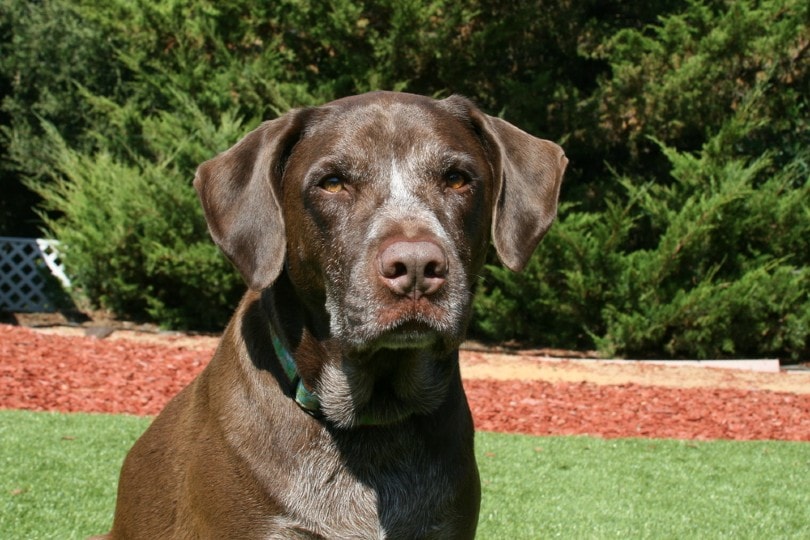
View 8 More +German Shorthaired Pointers and Labrador Retrievers are two of the most popular medium-sized dog breeds. Whenever you breed these two dogs together, you get the German Shorthaired Lab, which is lesser known than the two parent breeds, but it is still highly athletic, intelligent, and loving.
Breed Overview
Height:
26-28 inches
Weight:
55-80 pounds
Lifespan:
10-14 years
Colors:
Red, Brown, White, and Black
Suitable for:
Active families who want a loving, intelligent, and playful dog; homes with a fenced yard
Temperament:
Loving, Intelligent, People-Pleaser, Athletic
If you are looking for a big dog to fit in with your active family, the German Shorthaired Lab may be the dog for you. If you’re willing to keep up with this dog’s exercise and grooming demands, the dog will fit into your family perfectly.
Because of this dog’s athletic and playful nature, this isn’t the right breed for everyone. To find out if this dog breed is right for you, keep reading. This article gives you a complete guide to all things German Shorthaired Labs.
German Shorthaired Lab Characteristics

German Shorthaired Lab Puppies
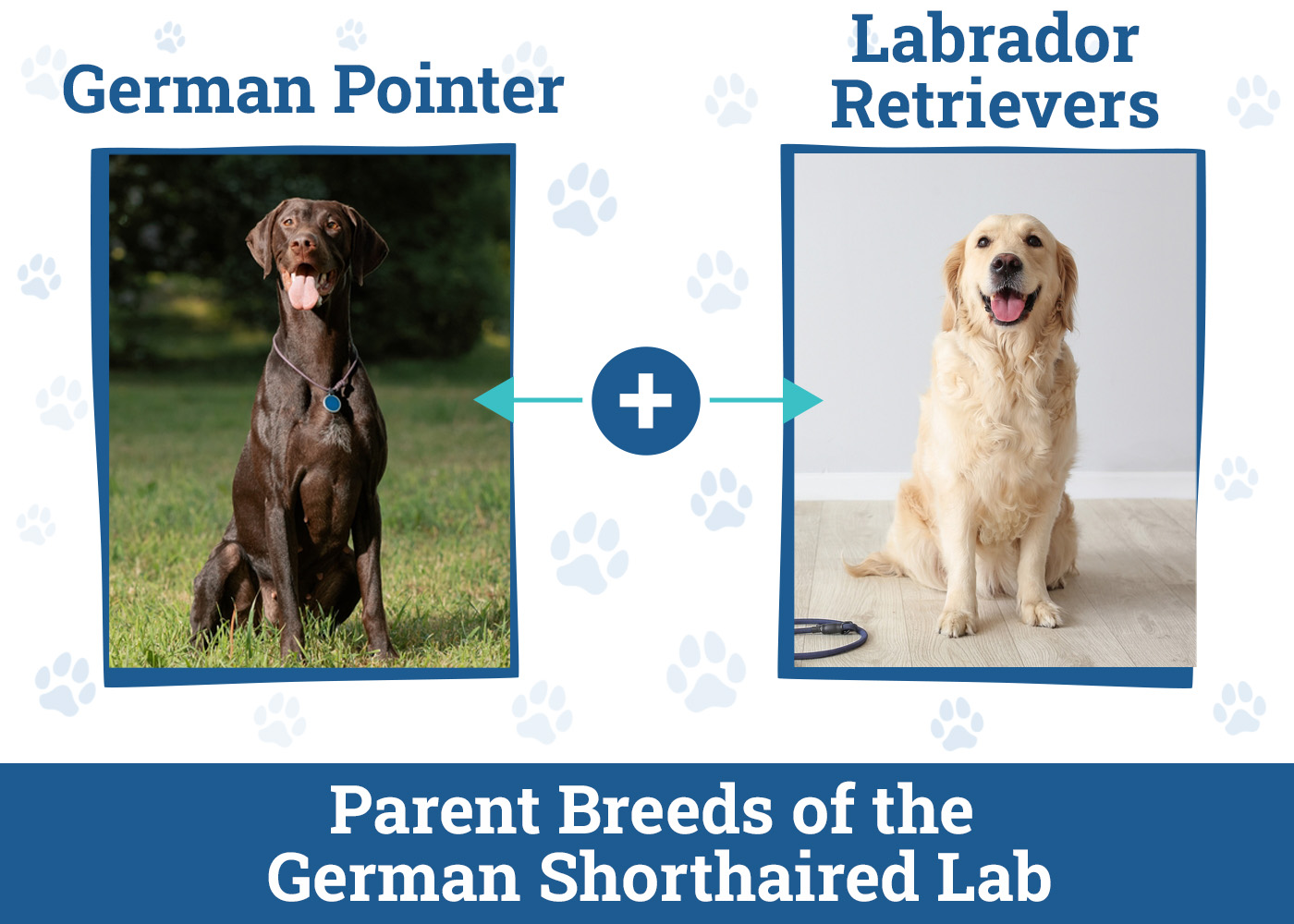
The German Shorthaired Lab is a cross between a German Shorthaired Pointer and a Labrador Retriever. These puppies will exhibit traits from both parent breeds. German Pointers are known for their intelligence, versatility, and eagerness to please, making them great companions for active families. Labrador Retrievers are known for their friendly, outgoing personalities and their high level of trainability.
As with any mixed breed, it is important to research both parent breeds to get a better understanding of the potential characteristics and temperaments of the puppies. Additionally, it is important to only purchase puppies from reputable breeders who prioritize the health and well-being of the dogs.

Temperament & Intelligence of the German Shorthaired Lab
German Shorthaired Labs are one of the best breeds in terms of temperament and intelligence. On the one hand, this breed is super intelligent and clever since it was bred to perform many tasks. On the other hand, the dog is still very lovable and suitable to be around other people, children, and dogs.
Are These Dogs Good for Families?
German Shorthaired Labs make one of the best family dogs. Because both German Shorthaired Pointers and Labrador Retrievers were bred to be family dogs, the crossbred offspring fits in perfect in just about every family, especially families with multiple members.
German Shorthaired Labs are known to get separation anxiety if they are kept away from their family members for too long. That is why it is a great idea to include it in a family with many members so that there’s a better chance someone is home to be with the dog.
Whether you have teenagers or young children, the German Shorthaired Lab will fit in fine. Despite its larger frame, the dog is incredibly gentle and loves to be around children. Children also like this dog because it is really playful at the same time. This dog is so gentle, in fact, that this is a good breed for therapy work.
Of course, we always recommend supervising playtime between the dog and young children. Supervision can ensure the child is not doing anything that the dog would perceive as annoying or aggressive. While supervising playtime, teach your child how to respectfully play with dogs.
Does This Breed Get Along with Other Pets?
This dog does surprisingly well with other animals despite its hunting background. The Pointer in these dogs may be a bit more prone to chase cats and other small mammals, but Labrador Retrievers rarely have this drive. As a result, German Shorthaired Labs can get along with most cats and other small mammals with early socialization.
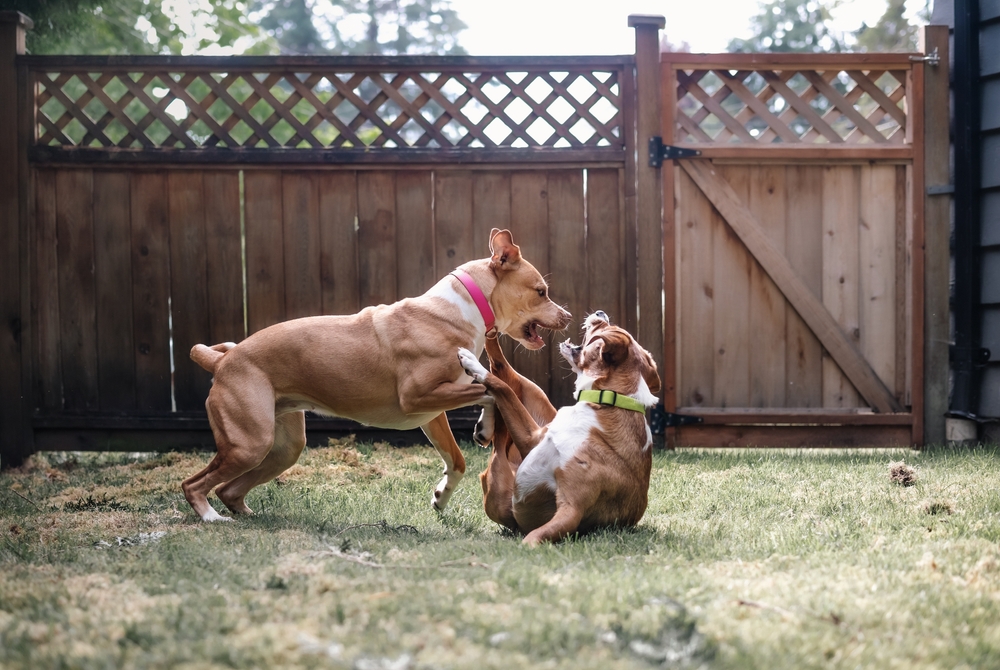
When it comes to dogs, you won’t have any issues with this breed. The dog is super playful and loving, meaning it should get along with most other dogs just fine. It does not have any tendencies to be overly aggressive or territorial against other canines.

Things to Know When Owning a German Shorthaired Lab:
German Shorthaired Labs require much less maintenance than other dogs. Still, there are some things you need to know before deciding to welcome a German Shorthaired Lab into your home.
Food & Diet Requirements
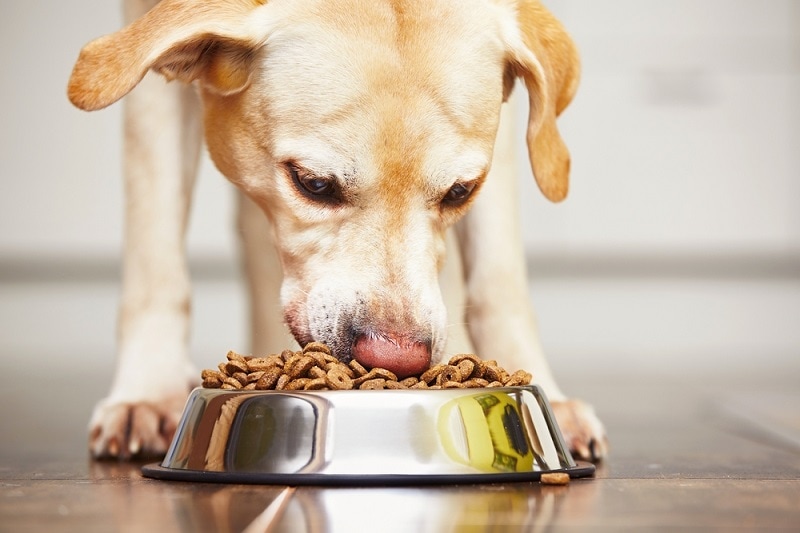
German Shorthaired Labs have a moderate to high risk of becoming overweight. That’s because Labrador Retrievers are incredibly food driven. They will act hungry all times of the day and beg for food. It’s important to stick to a consistent and healthy diet to ensure the dog is of a healthy weight.
We recommend getting a dog food variety that is specific to medium-sized dogs. Make sure that it has a healthy proportion of protein, fat, and carbs. You want most of the calories to come from protein and fat instead of carbs.
Exercise
One area where German Shorthaired Labs need a lot of maintenance is in their activity and exercise. Because both parents were bred for working purposes, the breed as a whole has a lot of energy. Not to mention, the dog is highly intelligent, meaning that it needs mental stimulation as well as physical.
Agility and obedience training are great options for this dog. This training requires a lot of physical and mental activity. The dog also likes tasks that require retrieving such as fetch or a game of hide and seek. Since this dog has such intense exercise requirements, it is not suited for apartment living.
Just to put in perspective how much exercise this dog needs, it requires about 90 minutes of activity every single day and 12 miles worth of walks every week. If you cannot deliver, it’s best to get a different breed.
Training
Because German Shorthaired Labs are so intelligent and loyal to their owners, they are incredibly easy to train. These are classic people-pleasing dogs, and they will try their best to listen. As people-pleasers, positive reinforcement is the best training method. Negative reinforcement can cause the dog to shy away from tasks if they think they may get in trouble for doing it incorrectly.
While you are training this dog, we recommend trying agility or obedience training. These trainings force the dog to be highly receptive to your demands, but they will also exert a lot of energy at the same time, helping to meet this dog’s high exercise requirements.
Grooming ✂️
Grooming German Shorthaired Labs is a bit of a task as well. Like Labrador Retrievers, these dogs have a double-layered coat, with the undercoat repelling water. Because of this double coat, the dog sheds quite a bit and requires extra grooming.
We recommend brushing the dog once a day to minimize shedding. You can even use a shedding tool for removing loose fur during its shedding periods. Luckily, you don’t need to bathe this dog very often unless it gets muddy or finds a way to dirty itself up.
One area of grooming you especially need to watch out for is their ears. This dog is prone to ear infections because of its floppy ears and affinity for water. Always dry the ears after the dog is finished swimming and clean out the ears as needed. You may need to trim these dog’s nails, but some dogs are active enough that the nails wear down on their own.
Health and Conditions
German Shorthaired Labs are an incredibly healthy breed. In comparison to some other designer dogs, you won’t have as much to worry about in terms of health. Proper exercise, diet, and grooming eliminate most health conditions.
- Ear infections
- Entropion
- Hip dysplasia
- Bloat
- Obesity
- Joint dysplasia
- Cancer
Although many German Shorthaired Labs never experience serious conditions, almost all will get an ear infection during their lives. Ear infections are highly common in these dogs and require care pretty frequently.
Obesity is the most common serious condition, and it can lead to other serious conditions such as joint dysplasia or cancer. Luckily, you can fight obesity with exercise and the right diet.
Male vs Female
While male and female German Shorthaired Labs are very similar in terms of temperament, energy levels, and intelligence, there are a few subtle differences between them that are important to consider before deciding to have a German Shorthaired Lab.
Males tend to be a bit larger and more muscular, often weighing more and standing a bit taller than females. They are usually more energetic and playful, sometimes being more independent than females, which can require extra time and patience during training.
On the other hand, females are usually more focused and may mature faster, which can make them easier to train. They also tend to be more affectionate toward people, especially with children. Overall, a puppy’s socialization, personality, and training will have more influence on a dog’s behavior than a dog’s gender, but it’s still a good starting point to decide whether a male or female pup is best for your lifestyle.
3 Little-Known Facts About the German Shorthaired Lab
1. It’s a designer dog with hunting roots.
When most people hear the word “designer,” they assume the dog is very attractive and mainly selected for aesthetic purposes. Although German Shorthaired Labs are really cute and desirable for their appearance, they are more than just attractive.
Despite its fashionable classification, German Shorthaired Labs have hunting roots. That’s because both of the parent breeds were hunting and working dogs. German Pointers were specifically bred to be athletic and responsive for hunting purposes. Similarly, Labrador Retrievers were primarily bred by Canadian fishermen to retrieve lines.
Because of the hunting roots in this dog, German Shorthaired Labs are very athletic, agile, and able to perform a number of high energy and mentally taxing tasks.
2. Despite the hunting roots, the dogs are highly lovable.
Certain dog breeds that were bred for hunting tend to be slightly aggressive and not suitable to be around other animals or people. The same cannot be said for German Shorthaired Labs. This fact goes back to their parent breed roots as well.
Even though both German Pointers and Labrador Retrievers were bred as working dogs, they were also bred to be companions that the hunters and fishers could take home with them. As a result, these breeds are incredible family animals that are highly lovable and fun for everyone, making the German Shorthaired Lab a lovable pooch too.
3. They have a water-repellent coat.
One thing that Labrador Retrievers are known for is their water repellent coat. This coat allowed them to pull fishing lines for the Canadian fishers, even in colder temperatures. Because of this trait, German Shorthaired Labs have a water repellent coat as well.

Conclusion
German Shorthaired Labs are a great breed for active families who want a fun and loving dog. Because of its parent breeds, this variety is highly intelligent and active while still being man’s best friend. Just about any active family would love to have this dog in their home.
You should select a different breed if you live in an apartment or cannot keep up with this dog’s intense exercise requirements. Even though it’s a bit disappointing that you shouldn’t get this dog if you’re in this scenario, it’s always best to get a dog that you know you can care for perfectly.
See Also:
- GSP Vizsla Mix: Care Guide, Pictures, Temperament & More
- Vizsla German Shepherd Mix: Care Guide, Pictures, Temperament & More
Featured Image Credit: Sheryl Lynch, Shutterstock