Boston Terrier vs. French Bulldog: The Main Differences (With Pictures)

In this article
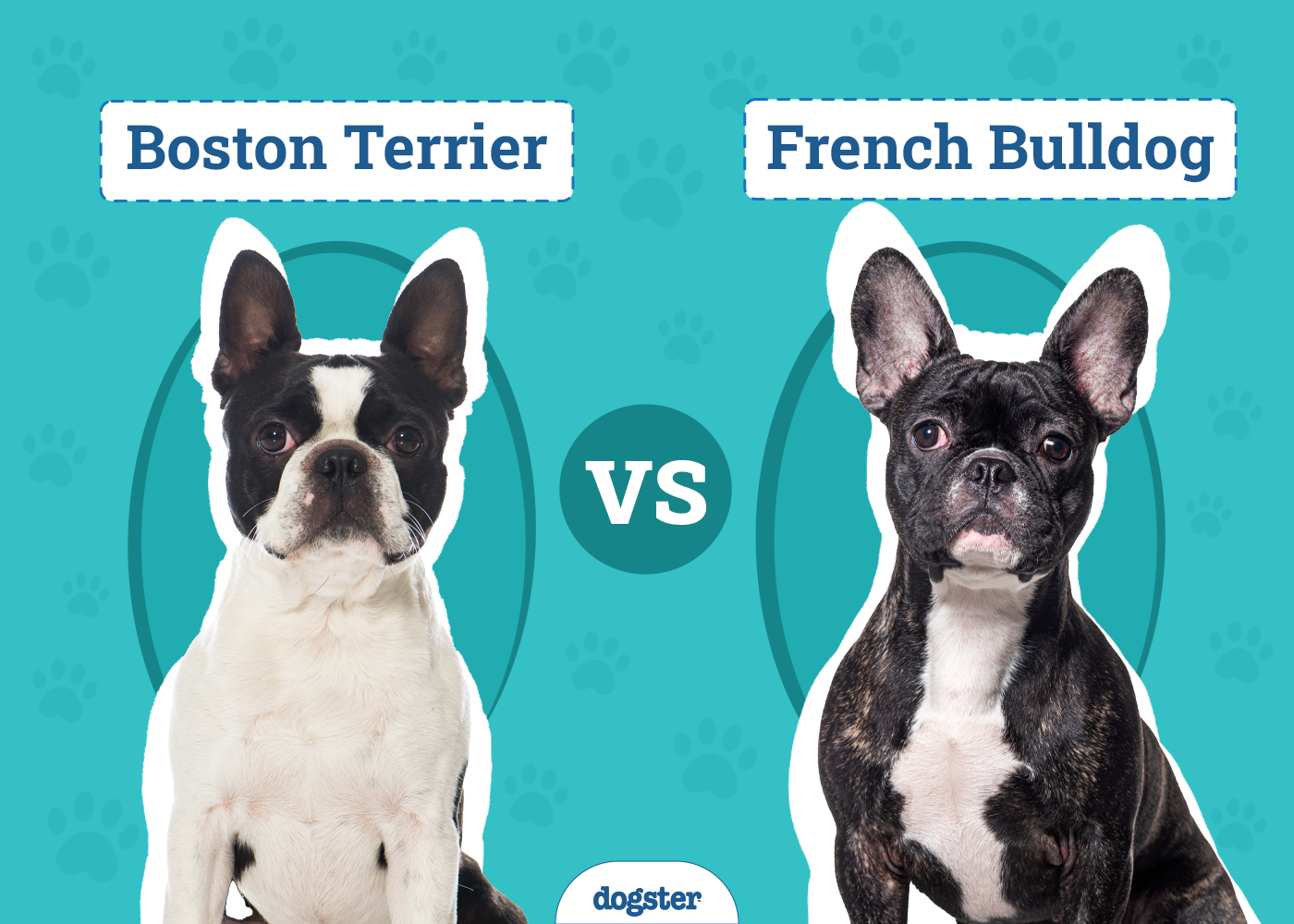
The Boston Terrier and French Bulldog are beloved canines that make excellent pets. Although their origins are distinct, they have several similarities that can make it challenging to decide which breed to adopt. They are both affectionate, adorable dogs that can adapt to living in a small apartment or large family home, but they also have their differences that you need to be on the lookout for. In the guide below, we’ll tell you everything you need to know about the Boston Terrier and the French Bulldog.

Visual Differences

At a Glance

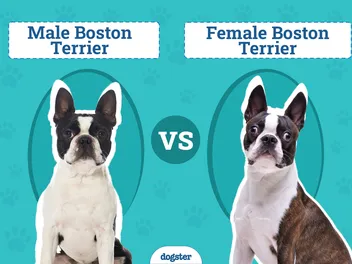
Boston Terrier Overview

The Boston Terrier’s history can not only be traced back to 1860 but also traced back to a specific building. In Southborough, Massachusetts, a 13-bedroom mansion known as the Burnett House was built in 1847 for chemist Joseph Burnett, but the story of the Boston Terrier starts with his son Edward Burnett. Edward Burnett served a term as a U.S. congressman, but more importantly to our story, he had a dog named Burnett’s Gyp.
Burnett’s Gyp was a white bulldog with a flat face. Sometime in the 1860s, she was bred with a dog named Hooper’s Judge. Hooper's Judge was a mix of an English Bulldog and an English White Terrier. The two had one puppy named Eph. Eph was raised in the Burnett House, and his descendants would eventually become the foundation of the Boston Terrier breed. Sadly, these dogs were bred to be aggressive and were used in dogfighting,
The late 1800s saw the Boston Terrier’s situation improve; they became popular with women and were bred as companion animals. They were bred to be smaller and have more gentle expressions, which led to their nickname, “Roundheads.” Interestingly, the “Boston Terrier” wasn’t the first choice for the dog’s name. Eventually, they were given the name American Bull Terriers, which drew the ire of Bull Terrier fanciers.
By the time the American Kennel Club recognized the breed in 1893, Boston Terrier fanciers had moved on from the American Bull Terrier name and settled on the Boston Terrier.
Personality
Despite their violent origins of pit fighting, the Boston Terrier is not an aggressive breed. In fact, they’re known for their laid-back attitude and friendliness. They rarely bark and tend to get along just as well with strangers as they do with people they know. This friendliness does mean they make horrible guard dogs, but you probably weren’t planning on getting a 20-pound guard dog anyway.
Boston Terriers are not intelligent dogs, which means they may need some help occasionally. They may find themselves in predicaments you’ll have to help them out of.

Training 🎾
Boston Terriers are sort of a mixed bag when it comes to training. They’re eager to please and enjoy spending time with their owners, so getting them to stay put shouldn’t be a problem. However, as mentioned above, they aren’t the sharpest canines, and getting them to learn commands can be a slow process.
You need to be patient and stop the training if they seem distracted, but you can keep the sessions brief to keep them engaged. The Boston Terrier is a sensitive dog, so you should never use harsh training methods since they’ll become scared and resistant to training. It’s best to use positive reinforcement when teaching them. They also respond well to treats, so giving them a reward when they learn a trick or command is the most effective method.
Suitable For:
The Boston Terrier is a very versatile dog, and their small stature and quiet nature make them ideal for apartment living, but there’s no reason they can’t live in a house. As long as they’re properly socialized and trained, they get along perfectly fine with other animals and strangers.
They often cling to their owners and can suffer from separation anxiety if left alone for too long. Training a Boston Terrier is challenging, but with enough patience and love, they can become well-behaved, loyal pets.

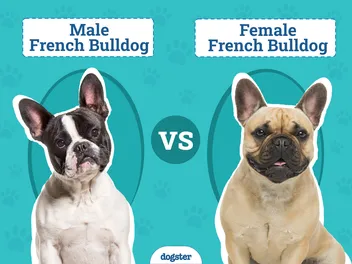
French Bulldog Overview

The French Bulldog, interestingly enough, traces their lineage back to Great Britain. The original Bulldog was developed in Britain and was used in a barbaric “sport” known as bull baiting. In bull baiting, a Bulldog would be pitted against a bull, and the dog would use their jaws to hold onto the nose or neck of the bull for as long as possible, usually ending in injuries for the dog and death for the bull.
This blood sport died out in the 1830s when animal cruelty began to become a bigger worry in the average citizen’s mind, and Bulldogs instead found themselves in dog shows. This led to the Bulldog being classed by size, including the English Toy Bulldog. Around the same time, the English textiles industry began booming thanks to new machines that worked 100 times faster than a human’s hand could.
Britain’s talented artisans had been replaced by female lacemakers, making pennies on the dollar and working in dangerous conditions. The English Toy Bulldog became incredibly popular amongst these lacemakers, presumably because the dog was small enough to fit in their cramped living conditions. Eventually, the lacemakers’ jobs were completely wiped out by technology, and they moved across the English Channel to Normandy, France.
In France, there was still a market for bespoke clothing made by hand, and when the lacemakers emigrated, they brought their adorable dogs with them. Some of the dogs had erect ears, which was uncommon among English Toy Bulldogs and is a recognizable feature of the modern French Bulldog. Although the Frenchie originated in England, they were refined in France.
Personality
Frenchies were bred to be companions, and as a result, they desperately need to be the center of attention. Despite their very loving nature, they can easily become jealous if someone grabs your attention instead of them. This desire to be the center of your world can be reduced and controlled by socializing your Frenchie early on and getting them used to sharing you with other pets and family members.
Frenchies absolutely love to play games, especially with their owners. However, their energy is not constant, and most French Bulldogs are perfectly content to sleep the day away on the couch beside you.

Training 🎾
The French Bulldog is an intelligent dog with a strong desire to please. This eagerness to please their owner makes training a Frenchie pretty easy, but not always. Some are stubborn and will actively choose not to learn your commands, and although not every Frenchie will display this behavior, it’s good to be prepared for a long training process.
However, they’re clever dogs that respond well to positive reinforcement, and since most are food-motivated, they love being rewarded with tasty dog treats.
Suitable For:
The French Bulldog is best for single owners who spend most of their time at home. They always want to be the center of your attention and, even with training, may act out and attempt to fight for your attention if they feel even slightly neglected.
They can become stressed and unhappy if their owners leave them alone for long periods, but owners can keep them engaged by hiring pet sitters until they return home. French Bulldogs make excellent pets, but they’re one of the most expensive breeds and require a substantial investment to purchase them.
Which Breed Is Right for You?

At the end of the day, the Boston Terrier and the French Bulldog are very similar dogs. The Boston Terrier is a better choice for families, while the French Bulldog has less energy and is better for solo owners. Both breeds can be stubborn with training, but with plenty of patience, the Boston Terrier and French Bulldog can be trained to be the perfect pets. They’re lovable and clingy with their owners and have moderate exercise requirements. However, one of the biggest differences is the price of adopting them. French Bulldogs are expensive pups that cost more to adopt than Boston Terriers.
Sources
Featured Image By: (T) BIGANDT.COM, Shutterstock | (B) Alexandru Sofronie, Unsplash
Expert dog care, straight to your inbox
News, insights, expert advice, and everything dog.

No spam — unsubscribe anytime.
By signing up, you agree to our Terms & Conditions and Privacy & Cookies Policy.
How useful was this post?
Click a star to rate. You can leave written feedback afterwards. (We read all feedback.)
Patricia is an experienced pet writer and lifelong animal lover. When she isn’t writing, Patricia enjoys spending time with her pets, cats Binx and Link and dog Mystery. Mystery and Link have been with her since birth. Binx was found under her house as a kitten and promptly welcomed into the family. Patricia enjoys volunteering at her local rescue shelter and sharing her extensive knowledge of pets.