Why Do Dogs Chase Cats? 4 Vet-Verified Reasons & How to Stop It



In this article
View 2 More +If you’re both a dog and a cat owner, odds are you’ve wondered why your canine can’t stop chasing your feline. This can be inappropriate behavior and can cause your kitty stress. Most people have heard the saying, “fighting like cats and dogs,” which is certainly not a literal scenario you want in the home. But there is hope. Despite the frustration, cats and dogs can live in harmony, we swear!
To further examine this behavior, let’s take a deeper look at the possible reasons why dogs chase cats and how to stop it.

The 4 Possible Reasons Why Dogs Chase Cats
1. Instinct
Dogs are natural hunters, and their instincts play a huge role in this behavior. Many dogs, especially hunting breeds, have the innate desire to chase things that move, and your kitty is no exception. When your cat or kitten scurries across the room, your dog’s prey instincts may kick in, and the chase is on. Training, socialization, breed traits, and individual temperament strongly affect whether chasing occurs.

2. Play
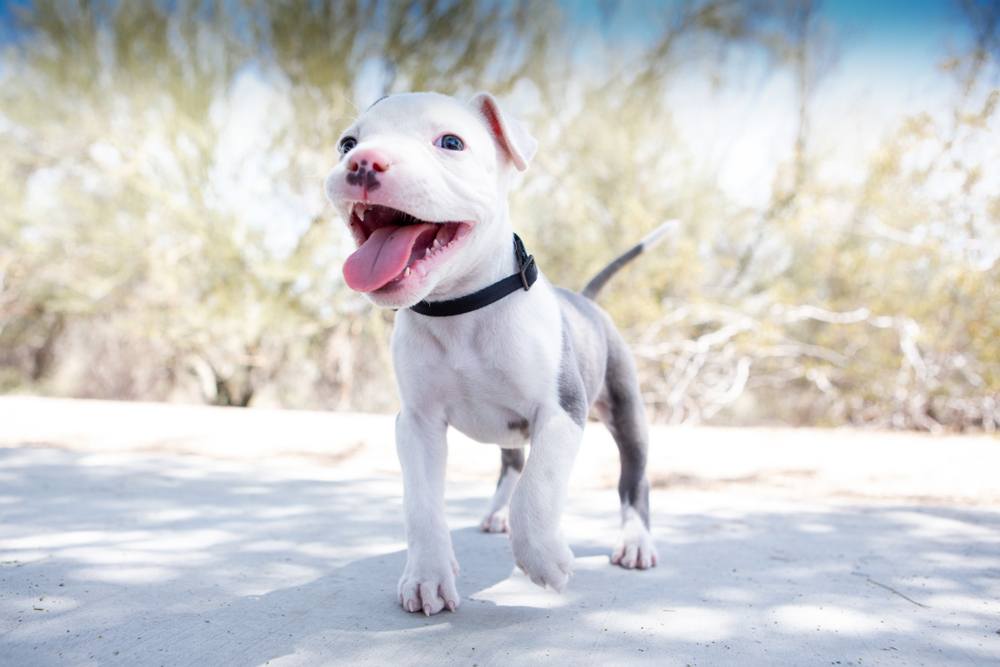
Not all chases are carried out with sinister intentions. Some dogs, particularly puppies, simply want to play with their feline housemate, and the puppy may look at the cat or kitten as a toy. On the other hand, your feline fur baby might not appreciate being chased and will constantly be on the lookout for a safe place to take cover. If your kitty is always on edge because of this, life for your feline can be downright miserable.
3. Type of Dog Breed
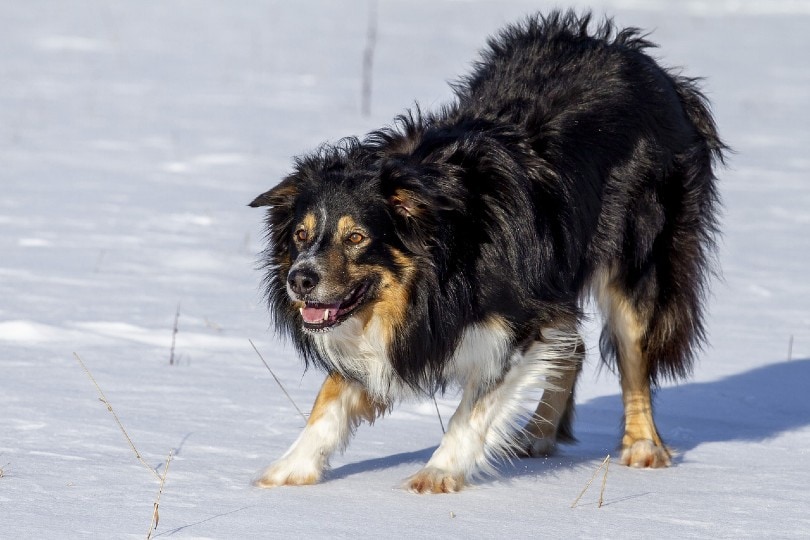
This behavior can be especially dominant if you have a breed of dog with herding instincts. Dogs in herding breeds may be more likely to engage in chase behaviors, and it can take consistent training and management to reduce the habit. But hey, if the dog and cat get along and it’s a game, then no harm, no foul—as long as the dog isn’t rough and understands limits and boundaries.

4. A Territorial Issue
There are many different reasons why some dogs display territorial behaviors, and getting to the root of the behavior is important for managing the issue and helping keep your cat safe. Some signs of territorial aggression are growling, snapping, lunging, and biting. If your dog displays any of these behaviors, it’s important to address the issue as soon as possible with a veterinarian or a qualified certified canine behaviorist.
Now that we've examined why dogs chase cats, read on to learn how to stop it.
The 3 Ways to End the Game of Chase
1. Redirect the Behavior
You’ll want treats or your dog’s favorite toy on hand for this training exercise. Positive reinforcement is the key to redirecting the behavior. It will take time and patience on your end, but with consistency and perseverance, you can significantly reduce unwanted behavior. The gist is this: anytime your dog wants to chase the kitty, turn their attention toward you, but be sure to have a treat or their favorite toy in hand. Be careful, though, not to give the reward until your dog averts its attention away from the cat.
2. Use a Collar or Leash
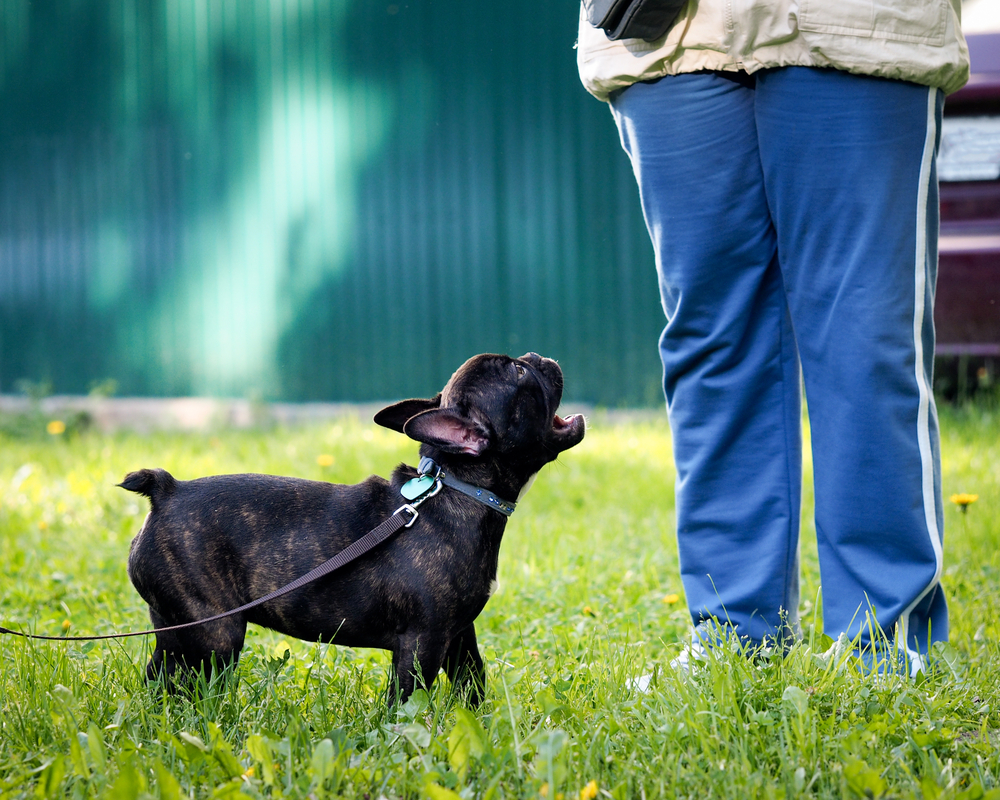
This method comes in handy, especially if you’re introducing a new kitty to the home. The leash will provide a safe boundary for the two to get acclimated to one another before letting your dog off-leash. You can also incorporate positive reinforcement during this process to teach your dog that chasing the kitty is a no-no.

3. Use a Clicker
Clickers come in handy as a training tool, as well. This tool helps reinforce desired behaviors around the cat, such as looking away, ignoring the cat, or responding to given cues. When the desire strikes your dog to chase the kitty, command the dog to “leave it.” When your dog complies, push the button on the clicker and give it a treat. Again, consistency is key.
Frequently Asked Questions
Are cats afraid of dogs?
The simple answer is that many cats may be cautious of dogs, especially if they are unfamiliar. Put yourself in the cats’ shoes: if something much bigger than you were chasing you, you’d be afraid, too. But not all cats are afraid. Some cats are more social and curious and want to feel the dog out, while others will retreat to their safe area until the canine is out of sight. Some cats may also be more confident or assertive in their interactions, so you’ll need to monitor both the dog and the cat’s behavior to address the situation effectively.

Can I use a shock collar?
No, shock collars and e-collars are not recommended and may do more harm than good, causing fear and discomfort. These devices use electrical stimulation at varying levels, which some people use as a training aid. However, due to safety and welfare implications, they are not recommended by veterinarians and behaviorists. Because of the potential for misuse and stress, many experts recommend positive reinforcement-based training methods instead, especially for managing unwanted behavior. If you are not sure how to approach training your dog to stop chasing cats, speak to your vet or a certified canine behaviorist.
How do I train my puppy to stop bothering the cat?
If you’re bringing a puppy into the mix, you’ll have a great chance of socializing and training the pup to leave the family cat alone. At first, you’ll want to separate the pup and cat, and baby gates come in handy for this purpose. The separation will give your cat time to adjust to the pup’s presence during the training process.
Puppies are full of energy, so regular play will keep the pup exercised and ideally somewhat tired. As time goes by, try gradually introducing the two. Using a leash is an effective way to keep the pup from lunging at the cat, and it will allow you to reward good behavior when the pup ignores the cat.

Final Thoughts
It’s important to supervise your fur babies during the entire training and introduction process, as well as afterwards. Never leave your dog and cat unsupervised until it is 100% safe to do so. It’s also important to provide your kitty with a safe area to retreat to if they feel in danger, somewhere the dog cannot follow. Remember, you can train your dog to reduce chasing behavior with patience, consistency, and time. Seek professional help if needed.
Related Read:
Sources
Featured Image Credit: Shufrych, Shutterstock
Expert dog care, straight to your inbox
News, insights, expert advice, and everything dog.

No spam — unsubscribe anytime.
By signing up, you agree to our Terms & Conditions and Privacy & Cookies Policy.
How useful was this post?
Click a star to rate. You can leave written feedback afterwards. (We read all feedback.)
Nicole has loved animals of all sizes her whole life so it's no wonder she has dedicated her career to helping them through what she loves best: learning, writing, and sharing knowledge with others. She’s the proud mom of two dogs, a cat, and a human. With a degree in Education and 15+ years of writing experience, Nicole wants to help pet parents and pets around the planet to live happy, safe, and healthy lives.