It is important to establish mutual trust between you and your dog. When your dog trusts you, they are going to look to you to know how to behave in different situations, and being able to trust your dog plays a vital role in socialization, training, and being part of the family. While many dogs will give their trust to us easily, some are more wary, and earning their trust can take time, patience, and understanding. You do not need to go above and beyond to build trust with your dog, as there are various small ways to build it that can be applied to your everyday routine.
This article will discuss the eight proven ways to build trust with your dog, so keep reading to find out more.

The 8 Ways to Build Trust with Your Dog
1. Avoid Punishment
If you unnecessarily or harshly punish your dog, it will take a toll on the bond and trust they have with you. Although you will sometimes need to correct your dog’s behavior, harsh punishments should never be used. If your dog is doing something destructive or dangerous, loud, sharp sounds, like a clap or bang, can be helpful to interrupt the behavior, then you can remove them from the situation or redirect the unwanted behavior.
- Don’t dig – play with this puzzle toy instead
- Don’t chew my shoe – here is a dog toy
- Don’t jump up – I will ignore you until you are calm, and then give you a reward
Dogs will struggle to learn the corrections if they are fearful of you and your punishments. This can ultimately affect how much they trust you and damage the relationship. Constantly telling your dog what not to do, without clearly showing them what you want them to do instead, can lead to frustration.
Obedience should be achieved through trust and positive reinforcement, not through fear of retaliation. Reinforcing good behavior is better than only focusing on punishing your dog for bad behavior.
2. Establish Canine-Friendly Communication
Communication is key if you want you and your dog to understand each other better so that you can build trust. Although your dog might not speak the same language as you, there are other canine-friendly ways to communicate with them.
You can establish this communication by understanding your dog’s body language, vocalizations, and reactions to different situations. Dogs are quite expressive with their body language, which is why it is one of their primary forms of communication with humans. Understanding what body language they display when feeling comfortable, stressed, anxious, or excited helps you master canine communication.
For example, most dogs wag their tails and pant when they are excited. Furthermore, dogs may tuck their tails underneath themselves when feeling anxious or stressed. Learning these differences can help you interact with your dog and respect their feelings or boundaries. This, of course, is essential for trust.
3. Help Them To Feel Safe
The major building blocks to trust is a sense of safety. You want your dog to feel safe around you if you want to earn their trust. If your dog doesn’t feel safe with you, they are not going to be very interested in trusting you.
- Understand their communication methods so you know how to read your dog better in different situations and how to respond to their behavior.
- Learn how to identify signs your dog is feeling insecure.
- Avoid harsh punishments or training methods that might make your dog feel scared of you.
- Stick to a daily routine to make your dog feel comfortable. Dogs enjoy the same daily routines as it makes them feel safe.
- Give them praise when necessary and make corrections to their behavior using proven training methods.
- Do not ignore them when they communicate different wants and needs that need to be met. Allow your dog to learn that you will provide them with things they need.
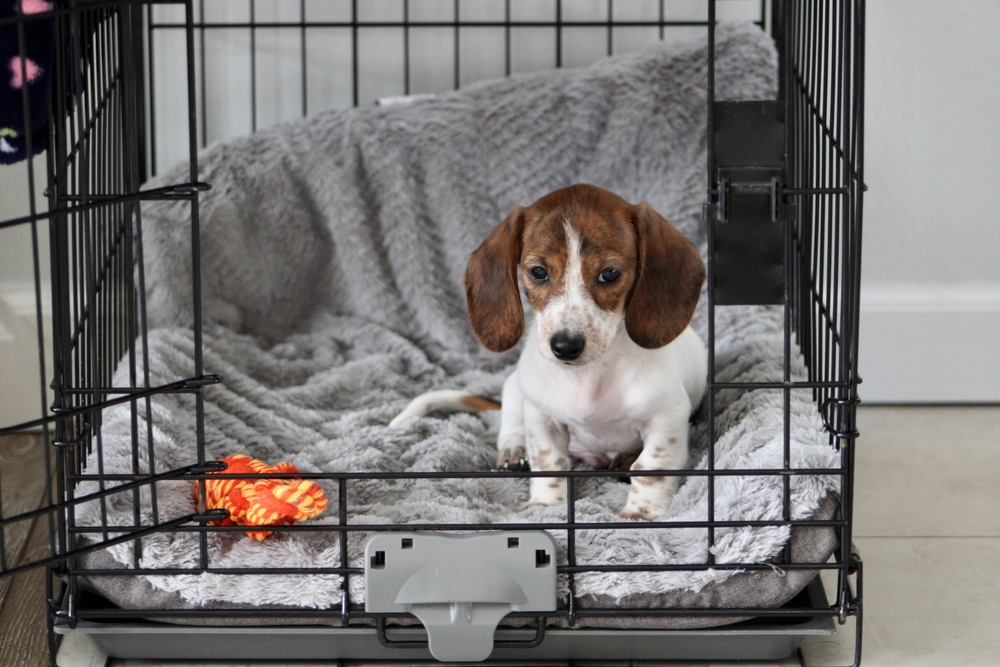
- Provide them with a safe space such as a crate, pen, or quiet corner, where they can chill out and not be disturbed. This space should be like their bedroom, cozy and quiet.
- Don’t force them- whilst encouraging your hesitant dog with treats and affection can help build trust, forcing them to be or stay in a situation they are struggling to get away from will have a significant negative impact on their trust.
4. Work On Training Them
Training can help build a good relationship with your dog and allow you to interact with them better. It can be challenging to build trust with a disobedient dog that doesn’t follow commands or understand basic social and house rules. Socialization, command cues, obedience training, and housebreaking are essential things you should incorporate into training.
Early socialization is a vital part of training your dog and helps prevent them from becoming uncertain around people, other animals, or environmental stimuli. It is difficult to earn a dog’s trust if they haven’t been socialized and are still fearful of you and their environment.
Furthermore, command cues such as sit, stay, or come allow you and your dog to have a spoken language you both can understand. Obedience training may help prevent behavior problems while strengthening the bond between you and your dog. These are all important if you want to build your dog’s trust.
If you are worried about your dogs behavior, we suggest speaking with a vet
If you need to speak with a vet but can't get to one, head over to PangoVet. It's our online service where you can talk to a vet online and get the advice you need for your pet — all at an affordable price!

5. Meet Your Dog’s Wants and Needs
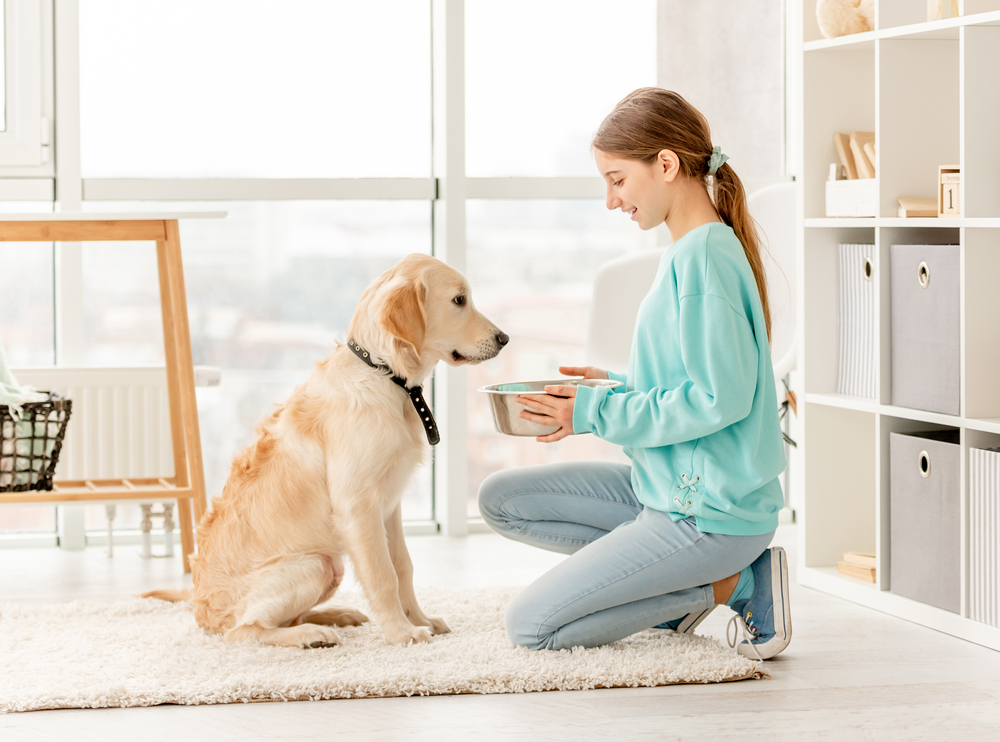
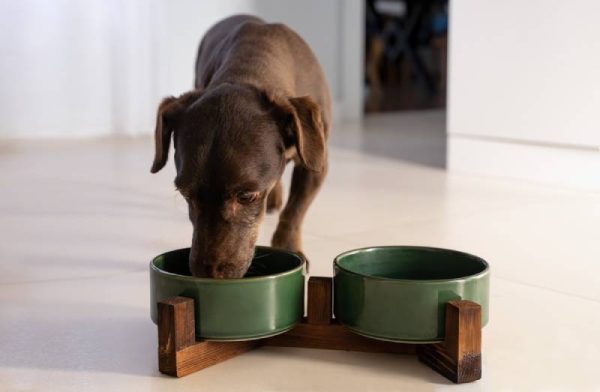
This might seem obvious, but meeting your dog’s wants and needs is important if you want them to trust you. You want your dog to know that you can provide for them and that their needs, such as food, security, and exercise will be met. Your dog will be able to rely on you if they want or need something and can learn ways to express themselves to get it.
For example, your dog can wait in the kitchen a few minutes before feeding time as they know you will feed them and feed them soon. When your dog wants to be exercised or receive your attention, they can communicate this to you knowing you will meet these needs.

6. Create a Daily Routine for Comfort
As we already discussed, dogs thrive with familiar routines because it brings them comfort. Your dog might struggle to trust you if they do not have a daily routine and constantly experience changes in the routine. This is because they won’t know what to expect and it can make you seem unpredictable. Routines can be beneficial for each aspect of you and your dog’s relationship, even when building trust.
You can establish a routine with your dog by doing everyday activities at a similar time each day. Try feeding, grooming, walking, exercising, and playing with them within the same time frame every day. Doing the same activities regularly is a great way to establish a routine. Avoid being too precise with your routine, however, as your dog may become anxious if the schedule is off by 5 or 10 minutes.
7. Take Time to Bond with Them
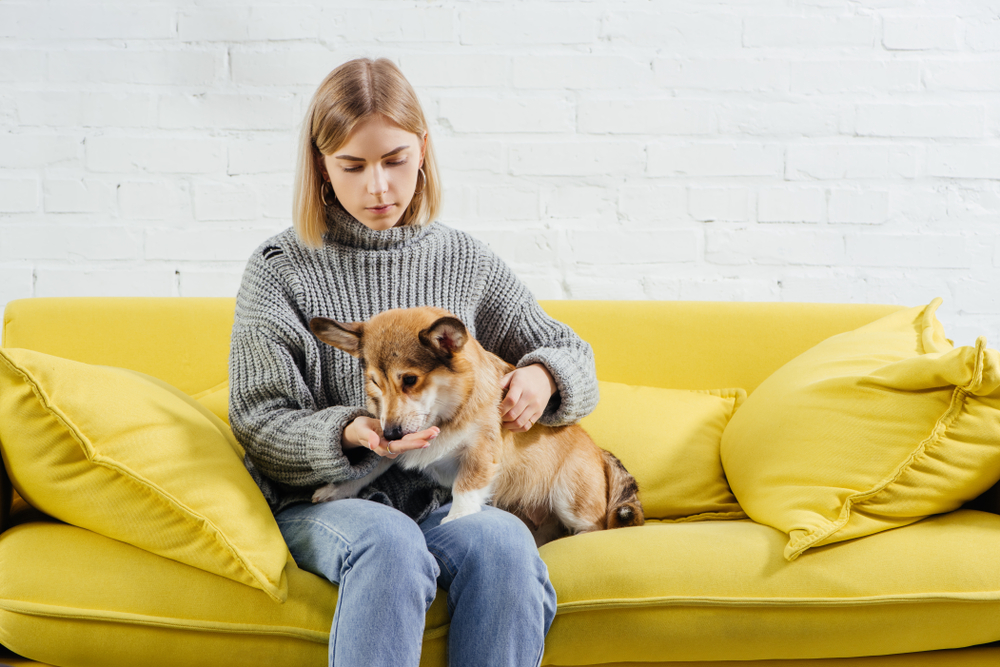
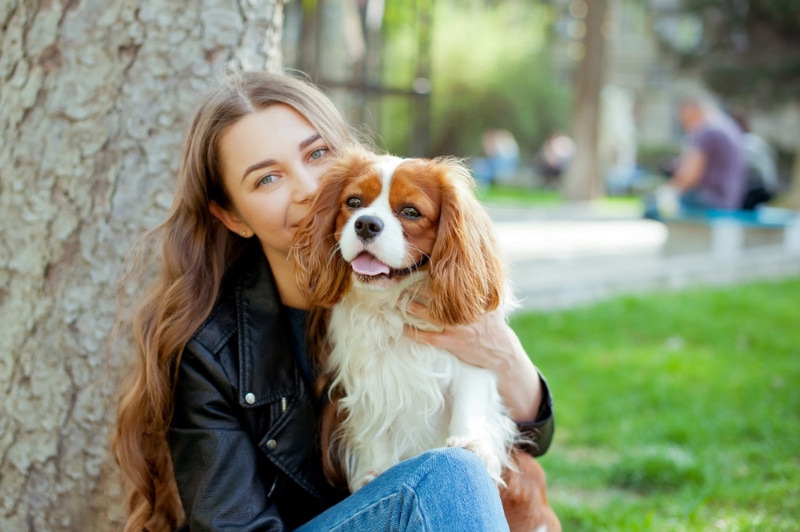
Bonding with your dog is a great way to build trust with them. The best way to bond with your dog and build mutual trust is to do things both you and your dog enjoy. Exercise and playtime are guaranteed to engage your dog’s interest and spark positive emotions between you both.
Take some time to exercise your dog by walking them daily or playing outdoors with a frisbee or ball. Some dogs prefer walks more than playtime, so see which activity your dog enjoys best and incorporate it into bonding time.
You can also bond with your dog by allowing them to sleep near you while you watch television or work. These silent bonding moments allow your dog to relax in your presence and trust you.

8. Be Consistent with Your Dog
Being consistent with your dog during interactions and training is a great way to earn their trust. Dogs may struggle to trust you if you are inconsistent with your behavior, moods, and training methods. They do not know what to expect from you, which starts to affect trust in the relationship.
Also, being inconsistent can set you back in dog training. If you have trained your dog to understand that a certain behavior gets a specific reaction out of you, you can’t change it up and confuse your dog.
Conclusion
To build trust with your dog, you want to work on strengthening the security, bond, communication, consistency, and reliability in the relationship. Each of those factors should be worked on when building your dog’s trust. This can take time, and some dogs trust quicker than others.
You should work at a pace you and your dog feel comfortable with and experience the most progress with. Use positive reinforcement to strengthen your dog’s trust, and avoid using punishment to stop unwanted behavior. Instead, focus on redirecting unwanted behaviors, and make sure every ‘don’t’ comes with a ‘do’.
Remember, most dogs want to trust, so take it slow, be a place of safety and security for them, and you will soon be showered with the love and affection of a dog that trusts you implicitly.
See Also:
- How To Convince Your Parents To Get A Dog: 7 Vet-Approved Tips
- Why Do Dogs Rub Their Faces on the Ground
Featured Image Credit: Sabelnikova Olga, Shutterstock
 The 8 Ways to Build Trust with Your Dog