In this article
Dogs must be taken out for a walk every day to defecate and exercise, but taking your dog for a walk on hot days can be challenging. What should you do when it’s hot outside? What temperature is too hot to walk your dog?
If the thermometer indicates that the temperature is around 68°F, it is safe to take your dog outside for a walk. When the temperature exceeds 75°F, however, it is advisable to stay indoors because your dog risks dehydration and heat stroke.
In this article, you will learn the ideal temperature to walk your dog outside, the signs of heatstroke in dogs, and what to do when your dog is suffering from heat to help them cool down.

How Hot Is Too Hot for My Dog’s Body?
On hot days, lunchtime walks aren’t much fun for dogs. The sidewalk is hot, and dogs can get burned even through their thick fur.
The ideal temperature to walk your dog is around 68°F. Anything above this temperature can create discomfort for your pet, and temperatures above 75°F can lead to dehydration and even heatstroke. That said, in terms of air temperature, you must also consider other factors when you want to take your dog for a walk, such as air humidity and air currents (whether the wind is blowing).
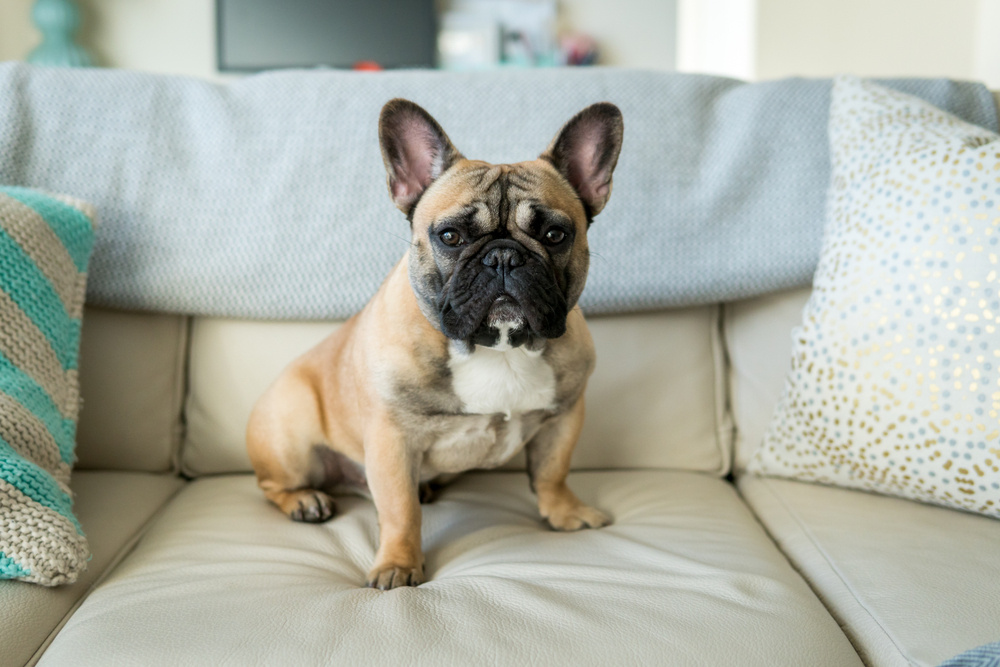
Your dog’s breed and size should also be taken into account. For example, brachycephalic dogs (Pugs, Boxers, or Bulldogs) have a different tolerance to heat compared to other breeds. They have short heads and breathing problems that do not enable them to cool down properly.
The same factors apply to puppies, overweight dogs, and sick dogs; they will heat up much faster than a healthy adult dog. Also, certain breeds, such as the Alaskan Malamute and the Siberian Husky, are more prone to heatstroke.1

Also, as it warms up outside, the sidewalk temperatures can be up to 59°F higher than the air temperature (in direct sunlight, with no wind and low humidity), and dogs can burn their paw pads. It only takes a minute of walking on a 124°F sidewalk for your dog’s paws to burn.
- Lameness
- Insistent licking of the paws
- Blistered paws
- Paws being darker in color than usual or even exfoliated
What Are the Clinical Signs of Heatstroke in Dogs?
Heatstroke occurs when dogs are exposed to high temperatures, and their bodies overheat because they cannot cool down. Usually, this condition occurs when dogs do prolonged activities in high temperatures. It can also occur when the sun hits your dog’s head directly for a long time or if you leave your pet in the car with the windows closed and without air conditioning.
Some dogs (especially those with long, matted fur) can suffer from heatstroke faster than dogs with short fur. Signs of heatstroke in dogs include:
- Body temperature is greater than 105°F, measured with a thermometer (normal body temperature is 101°F to 102.5°F)
- Excessive panting
- Excessive salivation
- Vomiting
- Diarrhea
- Pale mucous membranes
- Raid heart rate
- Lethargy (dog seems sleepy)
- Unable to walk straight
- Disorientation
- Collapse
- Move them to a shaded, cool area.
- Wet their body with lukewarm water; apply wet towels on their neck and chest.
- Offer them small amounts of water if they want to drink; don’t give your dog water by force.
- Take your dog to the vet immediately if they are disoriented, unconscious, or breathing with difficulty.
Did you know you can speak to a veterinarian without having to travel? Just head over to PangoVet. It's our online service where you can talk to a vet online and get the advice you need for your pet — all at an affordable price!

The 6 Tips for Walking Your Dog in Hot Weather
Here are a few tips that can help you avoid the risks that you expose your dog to if you must walk them in hot weather.
1. Plan Your Walking Time
Take your dog for a walk in the early morning or late evening to avoid the hottest part of the day and when the ground starts cooling down.
2. Make Sure the Ground Is Not Too Hot for Your Dog’s Paw Pads
Even at night, when it may not seem that hot outside, it can take a while for the ground to cool down. To make sure your dog doesn’t burn their paw pads, place the back of your palm on the ground, and hold it there for 5 seconds. If you can’t keep your hand on the ground for that long, it means it’s too hot for your dog. Only take them out when the ground cools.
3. Adjust Your Walking Route
On very hot days, it is recommended not to go far or take long walks with your dog. Also, choose to walk your dog only in shaded areas.

4. Look for Alternatives to Walking Your Dog on the Sidewalk
If it is too hot for your dog to walk on the sidewalk, you can walk them on grass (be careful of ticks) or ground/dirt. These surfaces do not heat up as much as concrete or asphalt and are usually safe for your dog’s paw pads.
5. Always Take Water with You When You Go for a Walk With Your Dog
High heat can lead to dehydration. To avoid this, pack a water bottle for your dog before you leave home (you can add ice cubes to the water to keep it cold longer). Give your dog water at regular intervals.
6. Do Not Leave Your Dog in a Hot Car
Do not leave your dog in the car in the sun, with the windows rolled up, and without air conditioning, because you risk killing them. Hot cars are like ovens on wheels.
Frequently Asked Questions
Is It Safe to Walk a Dog in 20°F Conditions?
Temperatures below 32°F are not recommended for taking your dog outside. If it is a physiological emergency, you can take them outside for a short time—only while they urinate/defecate. Like humans, dogs can also suffer from frostbite.
As a result, do not walk your dog on ice or snow, and do not keep them outside for more than a few moments. When temperatures are 20°F, you can take medium or large dogs out for 30 minutes and small dogs for 15–20 minutes.
Do Fans Cool Dogs?
No, fans do not cool dogs and are a waste of electricity. Dogs don’t have sweat glands all over their bodies as humans do; their sweat glands are located on the nose and paws. They cannot sweat through their skin to cool themselves, so they resort to panting.
As a result, a fan would not make much difference to a dog. To cool down your dog, play with them in water, keep them in a shaded and cool place, or take them for a walk in an air-conditioned pet-friendly store.

Summary
Heat can create discomfort for dogs and even lead to dehydration or heatstroke. Temperatures of 68°F are ideal for walking your dog. If it’s over 75°F outside, it is recommended to keep your dog indoors and go for a walk in the morning or evening, when the temperature drops and the ground gets cooler; too-hot concrete can burn your dog’s paw pads.
Signs of heatstroke in dogs include hypersalivation, vomiting, diarrhea, panting, pale mucous membranes, and rapid heart rate. If your dog shows these signs, take them to the vet immediately. Also, temperatures below 20°F are not recommended for walking your pet because they can lead to frostbite and hypothermia.
Featured Image Credit: Elizabeth Grieb, Shutterstock