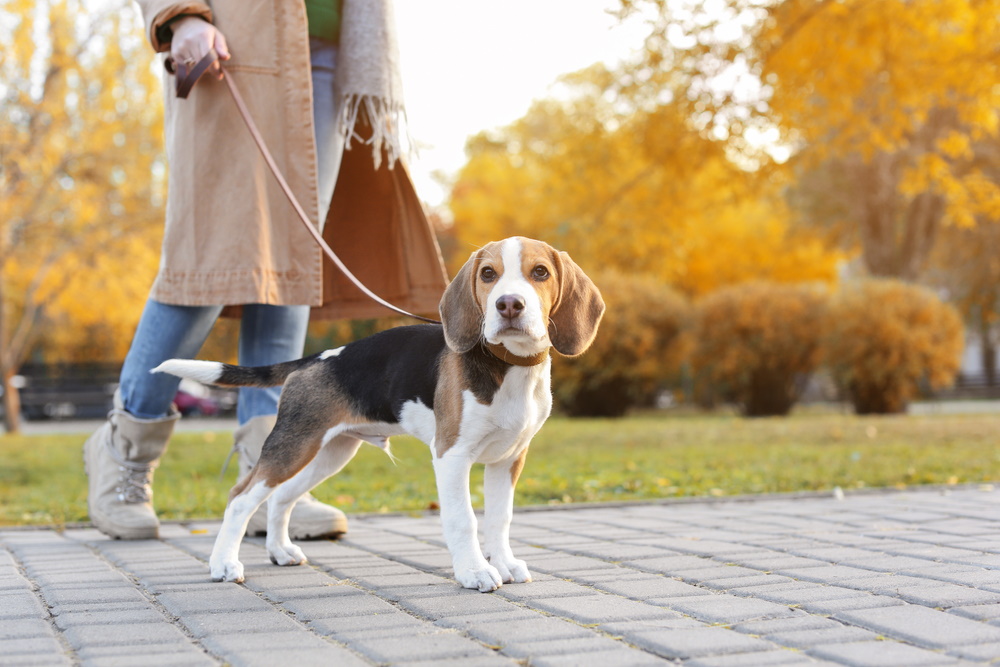
When I’m walking my dog on roads and most public places, she is walked exclusively on a leash. She is still young, and I don’t want her running into traffic. Similarly, while most dogs are happy to see her, some can be anxious or reactive. It’s not their fault, and they have as much right to be walked as my dog.
So, Tula stays on a leash until we reach a designated dog park or a particular spot in the woods nearby where she occasionally runs free with her canine friends. There’s no denying she loves the experience of being off-leash. She would much rather be running free from the constraint of her restraint, but having an unleashed dog in public is a risk for the dog, the owner, and other people and animals.

The 7 Reasons Dogs Need to Be on a Leash in Public
Laws are different depending on where in the world you are, but a lot of states and cities require that dogs be kept on a leash next to roads and in public places. Some beaches and parks are designated as off-leash areas, but you will need to check before letting your dog roam free.
In all cases, you must have total control of your dog. An out-of-control dog could land you a fine, expensive vet bills, and even insurance claims.
1. To Avoid Traffic Dangers
Even if your dog is well-behaved and responsive most of the time, it doesn’t take much to either attract a dog’s attention or spook them. If something on the other side of the road attracts your pup, they may run across traffic. If something nearby spooks your dog, even a couple of backward steps could lead to them being stood in the road.
This is a danger to your dog, but it also causes a danger on the road. If a car swerves or stops abruptly, it can lead to traffic accidents. Having your dog on a leash means that even if your dog is spooked or has their attention attracted, they can’t run into the road.

2. To Avoid Reactive Dogs
Your dog might be great with other pups. They might not even approach them, but that isn’t necessarily true of all dogs. Some dogs can be aggressive, either through fear or because they dislike other dogs approaching. If your dog is on a leash, you can avoid these potential dangers and prevent your dog and others from getting injured.
3. To Prevent Anxiety
Not all dogs react aggressively if they are scared by the presence of other dogs. Some become very anxious. If your off-leash pup runs up to an anxious dog, it not only ruins their walk for the day but will also likely reinforce these feelings of anxiety. Next time they go out for a walk, they will be even more anxious, looking out for dogs running up to them.
4. To Stop Your Dog From Jumping Up
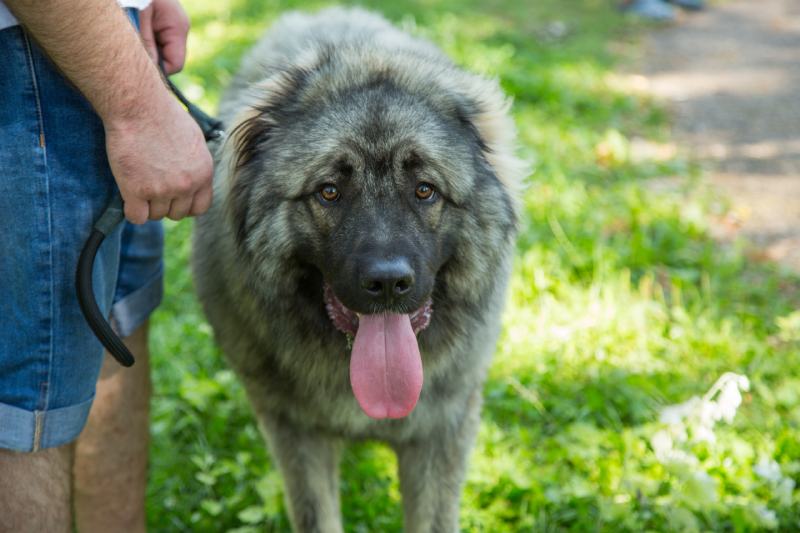
My dog prefers to meet dogs rather than people and will, for the most part, ignore humans. Occasionally, she wants to say hello, though, and she might try and jump up to give a proper greeting. While she’s on a leash, I can prevent her from jumping up and keep her out of the way of people who don’t want to meet her.
Not all people are dog lovers, and in the same way that some dogs are anxious around other dogs, there are a lot of people who are anxious around and scared of dogs.
Even if your dog is like Tula and not usually interested in meeting people, it only takes a young child with candy in their hand to be around, and you have a problem.
5. To Meet a Legal Requirement
Dogs are allowed off-leash in some areas but certainly not in most areas. Having your dog off leash in an area where they are prohibited may mean you are told to put the dog on a leash. It could also lead to fines, and it may mean that you are liable for any damage caused by your dog, and in some cases, you may be found guilty of negligence.
Check your local laws before taking the leash off.
6. To Lessen the Chance of Losing Your Dog
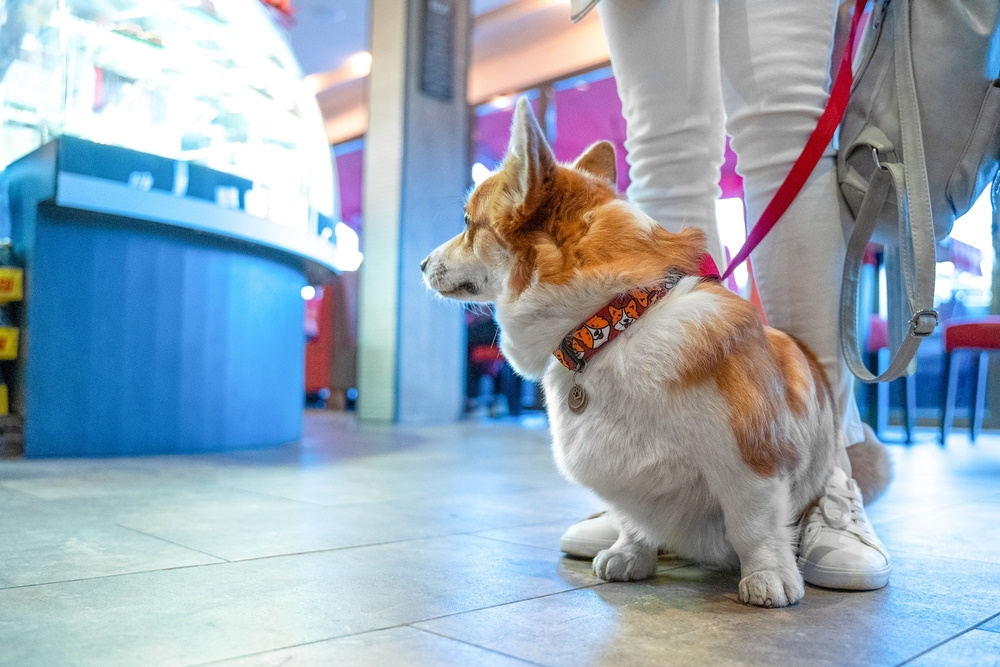
Losing your dog is heartbreaking and difficult. Even if your dog is microchipped, you can’t be 100% sure that you will get them back, and you don’t know what might happen in the time your dog is away from you. Using a reliable leash means you can keep your dog close to you and prevent them from having their head turned and their attention grabbed.
7. To Stop Them From Getting Dirty
There are other benefits to having your dog on a leash. Some will walk calmly alongside their owners. Others will smell some intriguing fox feces and jump in for a quick roll. Others, typically Spaniels and Labradors, will find the nearest deep puddle and jump in for a muddy swim.
On a leash, you can prevent your dog from getting muddy every time you leave the house or at least enjoy a degree of control over when and how often they are allowed to partake in messy fun.

The 5 Tips to Leash Train Your Dog
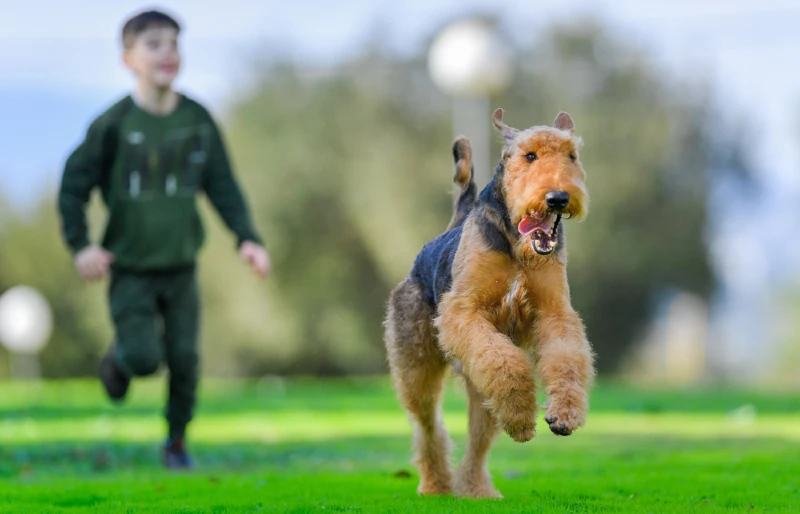
Whether your dog is still a puppy, they are accustomed to walking off leash, or you just need to get your mature dog used to walking on a leash for everybody’s benefit, leash training is important. Here are five tips to help you leash-train your walking companion.
1. Get Them Used to Wearing a Leash
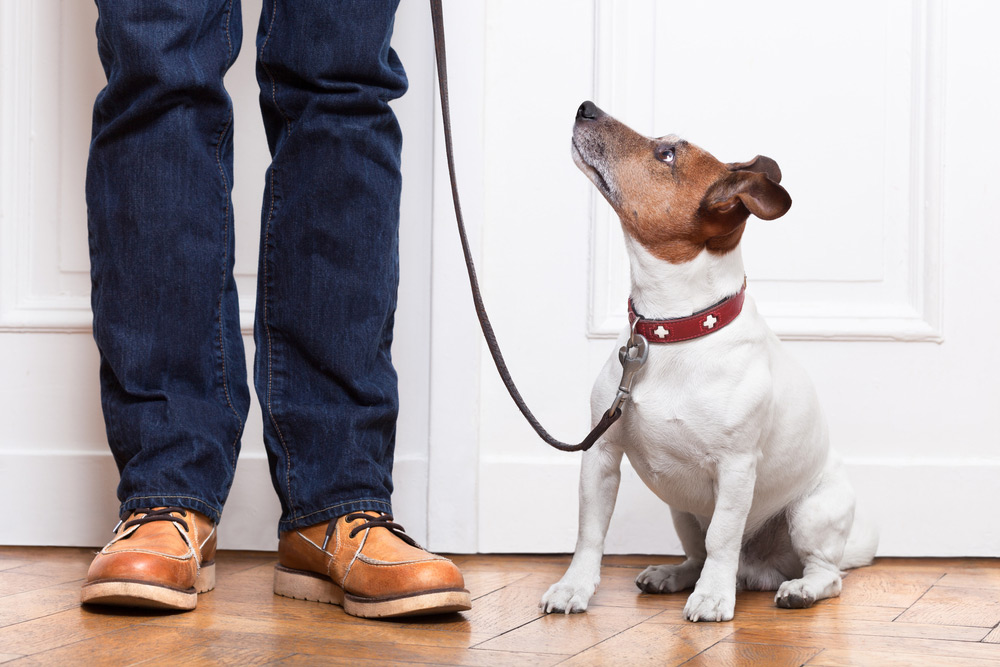
Wearing a harness or collar and leash is alien to most dogs, at least until they get used to it. Before you take your dog out into the loud outside world, let them get used to having these items on. Put the collar or harness on for a few minutes at a time, and praise and reward your dog for leaving it be and just sitting down or paying the collar no attention.
Once they are used to the collar, put the leash on and do the same thing.
2. Practice at Home
Once your dog gets used to wearing the collar and leash, it’s time to take them outside. Start in your own garden or yard, if you have one. Your dog should know the area, and there won’t be as many new sights and distractions as there will be when you go on a proper walk.
3. Start With Short Walks
When it is time to head into the real world, start with short walks. Typically, this means walking around the block. Everything will be new to your dog, so don’t overwhelm them with an hour-long first outing. Your first walk should be no longer than a few minutes. You can increase walk length as you and your dog get used to the experience.
4. Keep It Fun
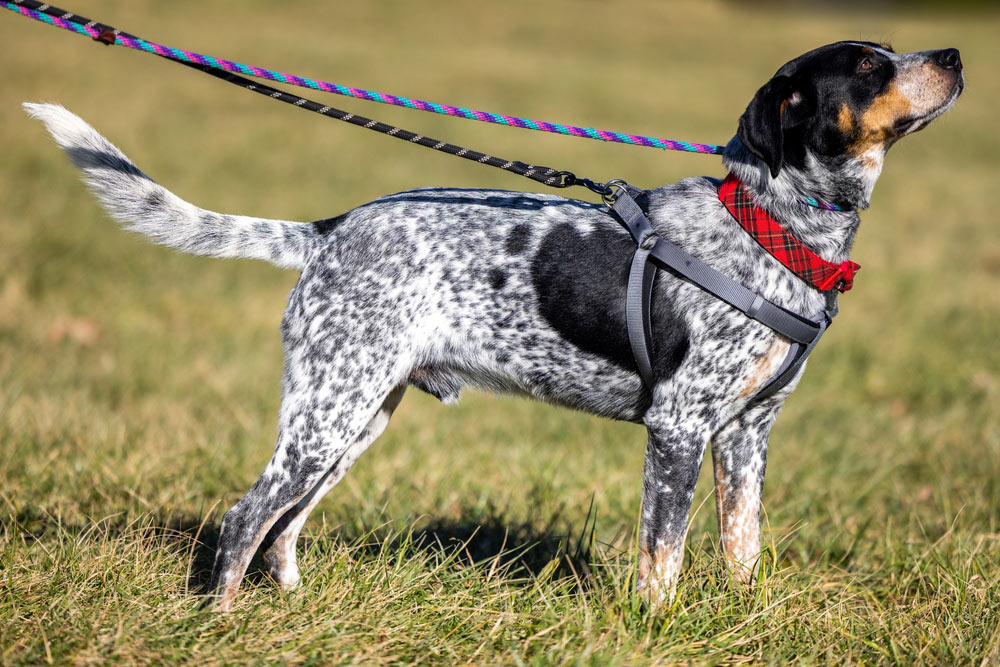
Going out walking should be a fun experience for both of you, so avoid getting stressed or anxious. You shouldn’t be playing while on the leash, but that doesn’t mean you have to be serious the entire time. Take treats, speak calmly to your pup, and make sure they enjoy being outdoors.
If you get stressed, your dog will pick up on it and may experience the same anxiety you do.
5. Use Reward-Based Training
Use plenty of praise and rewards when your dog is walking on a loose leash next to you, and stop walking when they pull or try to dictate where you’re going. Using reward-based training will keep the walks fun and help ensure you both have an enjoyable time.
Conclusion
A lot of dogs enjoy being off-leash, but there is a time and place. On the sidewalk, near anxious dogs, and when your dog is approaching other people aren’t the right times. Find a local dog park or beach that allows off-leash walking, ensure your dog is well-behaved and under control when you do allow them off the leash, and train your pup to walk well on the leash so you can both enjoy your time outdoors.
- Related Read: Dog Leash Laws by State
Featured Image Credit: New Africa, Shutterstock