

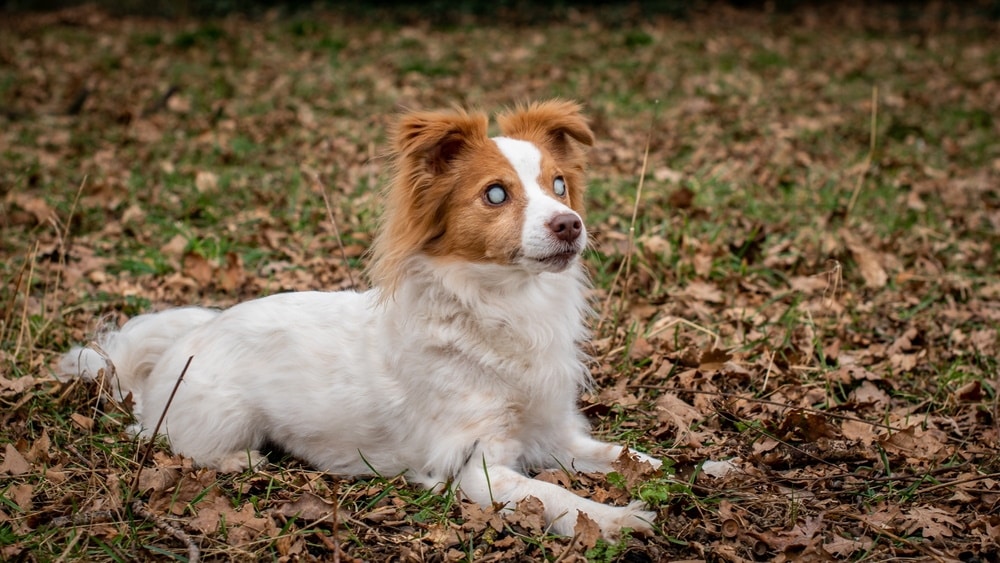
Few of us could imagine operating in the world without our eyesight, and it’s easy to worry when you notice your dog’s vision begin to decline. Their quality of life is invariably affected when they lose this sense, leading to increased bodily risks and temperament changes that can overwhelm their loved ones.
Yet, coping with a dog’s blindness is often more challenging for owners than their pets. Dogs adapt surprisingly well to their situation with the proper support, giving owners hope for a happy life even with a missing sense. Take a proactive approach to managing their failing vision by following these tips on how to help a blind dog live well.

How to Live With a Blind Dog: 14 Tips for Success
1. Maintain the Indoor Arrangement
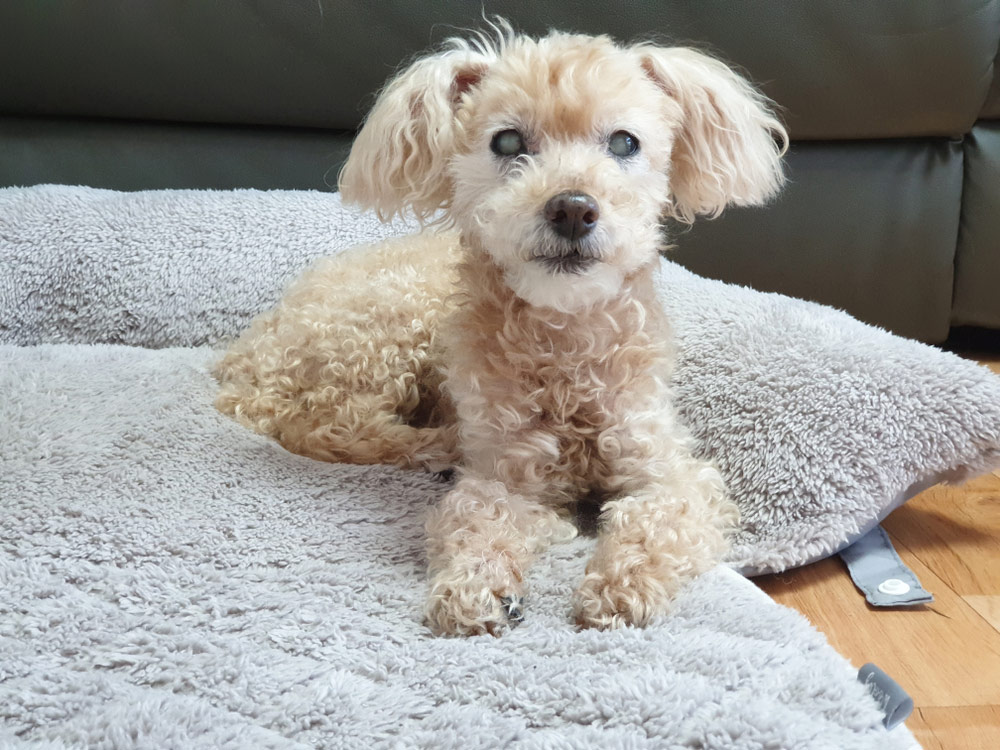
Consistency is crucial when living with a blind dog. Losing sight is stressful, leaving dogs feeling vulnerable and uncertain. They’ll need help restoring their confidence, and one of the best ways to do that is to create a secure, predictable environment where they can navigate safely.
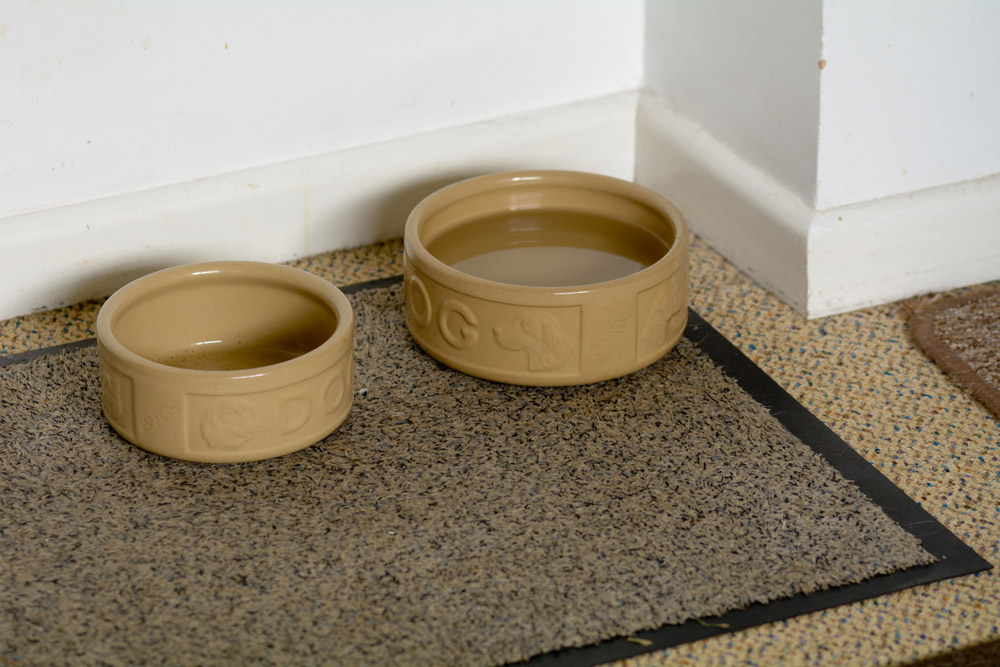
Maintain a consistent layout in your home so your dog can quickly acclimate and move about easily. Keep furniture and your dog’s items, like food and water dishes, in the same place. Fortunately, dogs map their environment quickly, letting you make occasional minor adjustments to the layout without much issue.
2. Reduce Hazards Around the Home
While they’re trying to orient themselves, your blind dog will need help staying safe inside and outside the home. Indoors, previously unconsidered hazards can appear. Your dog could suffer a severe fall if they accidentally stumble on the stairs or take a whack if they run into a table’s sharp corner.
Consider the hazards around and outside your home and how to eliminate them. Keep clutter to a minimum, block stairs with baby gates, and put soft covers on the edges and table legs of hard furniture to keep your dog safe and confident.
Remove potted plants, precarious fountains, and hazardous vegetation from your yard. You can also add barriers like fences and gates to open ends of the yard or around pools and stairs to avoid any risk of injury outside.
3. Use Textures to Guide Your Dog
When a dog’s vision fails, they fill the gaps with their other senses, including touch. Although dogs typically create a workable mental map of their environment, you can provide support to ease your pet’s navigation and protect them. One of the best ways to do this is using various textured markers.
In the home, unique mats in front of food bowls, furniture, and entryways can help dogs figure out where they are. Carpet runners in hallways and frequently used paths will keep your dog on the right track.
Outside, grassy areas will indicate safe play areas, while mulch can surround trees and other landscaping, warning your dog of upcoming obstacles and hazards. To provide clear paths to follow, consider using river rocks, pea gravel, or pavers.
4. Let Your Dog Move on Their Own
As easy as it is to coddle your blind dog and treat them as a helpless soul, carrying them around and doing everything for them won’t help them learn to manage their vision loss.
Guiding your dog and training them to do essential tasks for themselves will reduce their stress and take the work off your back. Let them walk and explore at their own pace, offering reassurance and direction to keep them safe and successful.
5. Keep a Consistent Routine
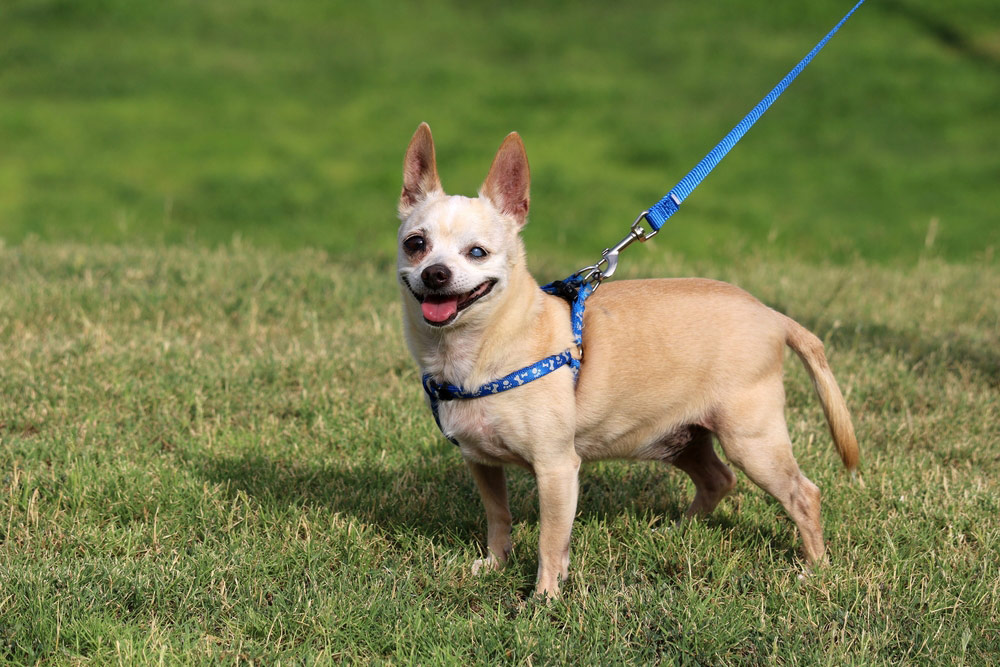
Like their environment, a blind dog’s routine must be predictable to help them recover their confidence and independence. Feeding, play, grooming, and walks should occur on a fixed schedule to ensure your dog knows what’s happening.
As you and your dog adapt to their vision loss, you can decide whether to make minor changes to provide new experiences. You could try a different walking route once they build their self-assurance. All dogs will adjust to blindness differently, so it’s essential to gauge your pet’s comfort before trying something new.
6. Leave the Radio or TV On
Leaving a radio, television, or noise machine on creates a hub that blind dogs can reference to determine where they are. An ongoing sound will help your dog reduce their anxiety and feel less lonely when left at home. If they take a nap, it gives them a prompt sense of location to prevent any immediate stress upon waking.
7. Offer Toys That Use Smell and Sound
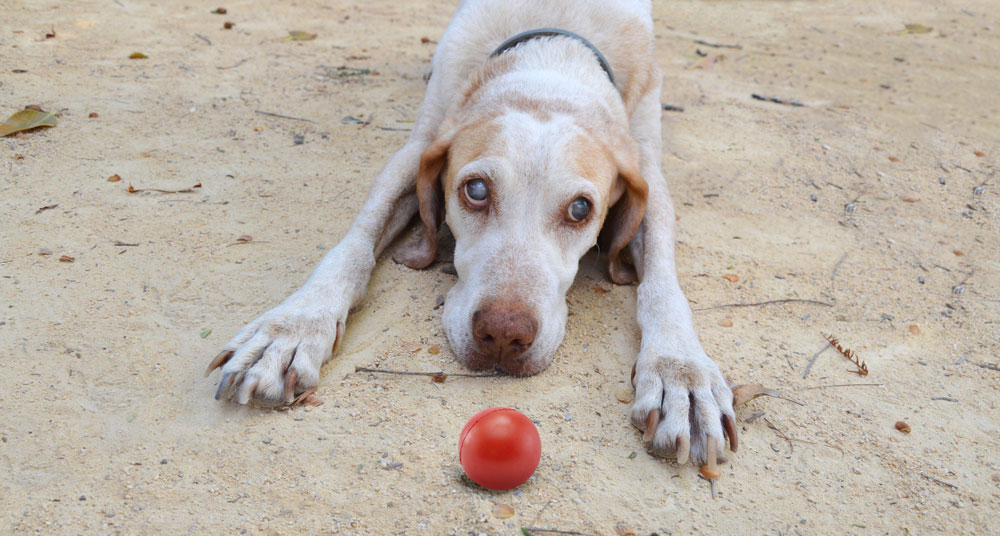
Dogs can adjust more easily to vision loss because their other senses are so acute. Smell is their strongest sense and the most valuable in getting information about their surroundings and nearby animals or people. Sharp hearing lets them pick up various frequencies and localize sounds.
With working ears and noses, blind dogs can quickly create a mental map, identify threats, and pinpoint anything beneficial. You don’t have to skip a beat during playtime if you engage these other senses.
Squeaky toys are effective, but you can also use food-stuffed chews or scented toys your dog can track with their nose. With a food-filled ball, you and your dog can continue playing games of fetch in a safe, enclosed space.
8. Use Smells to Define Areas of the House
With their sensitive scent detection, dogs can adjust to vision loss if they have smells to direct them, and you can apply scents to significant features around the home. You can use dog-safe essential oils to mark points like obstacles, paths, and entryways.
Different smells can clearly define each area, so your dog knows immediately where to go and what to avoid. Products like SightScent provide sticky markers you can place around the house for discreet scent mapping.
9. Provide Auditory Cues Around the House
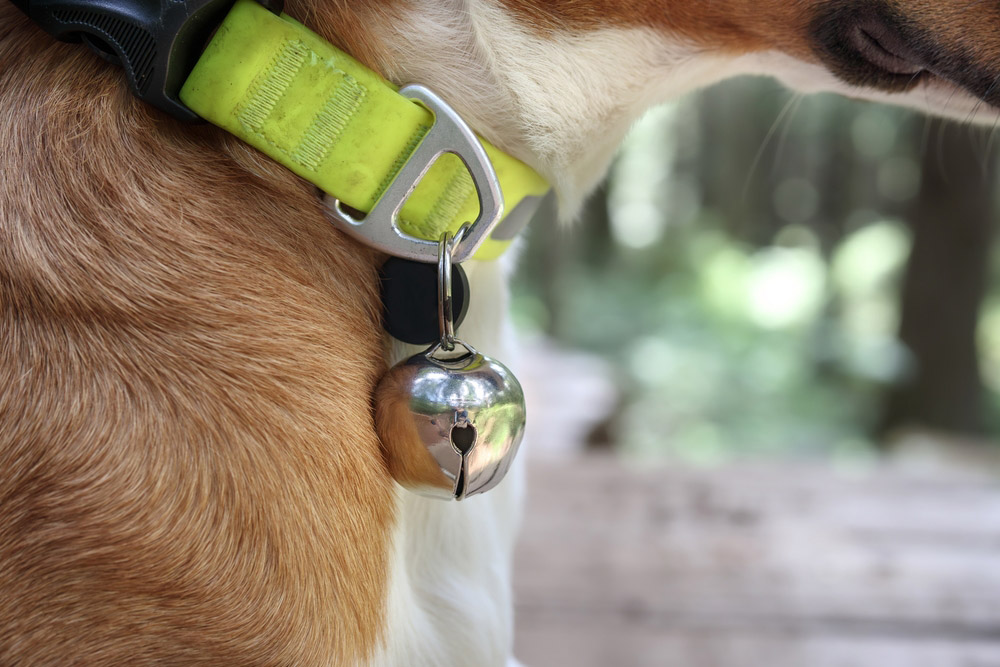
Alongside the scent markers, you can add auditory cues to further aid your dog in visualizing the space with their working senses. While scented points work best on stationary objects, bells and chimes are ideal for anything that moves.
Many people use wind chimes outside the backdoor to indicate whether the door is open. To keep anyone from sneaking up on your blind dog, you can also attach small bells to the collars of any other pets in the house or even to your indoor shoes to ensure your dog can keep tabs on everyone at all times.
10. Talk to Your Dog Constantly
Talking to your blind dog frequently will help them feel safe and avoid anxiety, particularly when you need them to cooperate. Let your dog know you’re about to touch them or walk into the room so you don’t startle them accidentally.
Talking regularly to your dog will keep them oriented, especially on walks, and aware of all that’s happening around them.
11. Provide Exercise and Enrichment
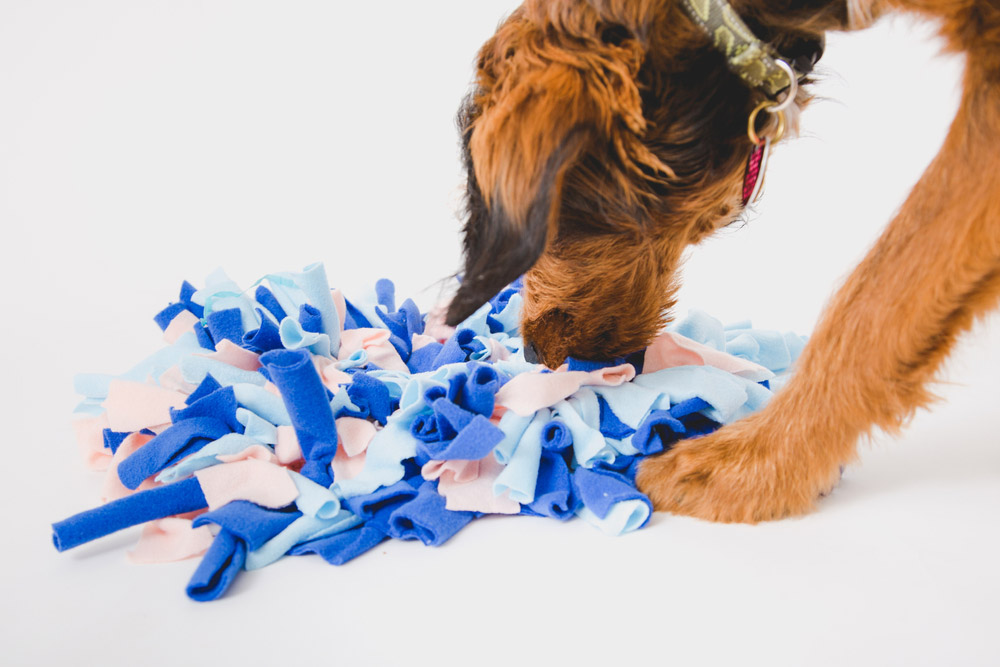
Exercise doesn’t stop being crucial to a dog’s mental stimulation and physical health when their vision begins to wane. Regular enrichment will keep your dog happy, in shape, and confident that their missing sense doesn’t entail missing out on their favorite activities. You just have to modify your approach.
Some activities can stay the same, like tug-of-war and other contact-based games. Puzzles like feeder toys are fun for any dog, and nose work, in general, is a perfect way to help a blind dog get in a mental workout. Try scatter feeding, seeking games, and snuffle mats to entertain your dog when you’re hanging out at home.
Minor adjustments can also boost your dog’s confidence while walking around new places. Teaching your dog to target with your hand or a food-filled target stick can be beneficial, letting you bring your dog to your side as needed to keep them safe.
12. Use Ramps When Possible
Stairs, even short sets, are a focal factor in creating a safe, navigable environment for a blind pet. Descending stairs can be nerve-wracking since dogs don’t always know where they’ll end up once they step over the edge.
While you can block off or train your dog on staircases around the house, you can also ease their stress and let them move without help using strategic ramps. For instance, a ramp from the patio to the backyard is a simple addition.
You can also set up small ramps in the house to let them get on furniture or elevated sleeping areas.
13. Practice New Verbal Commands
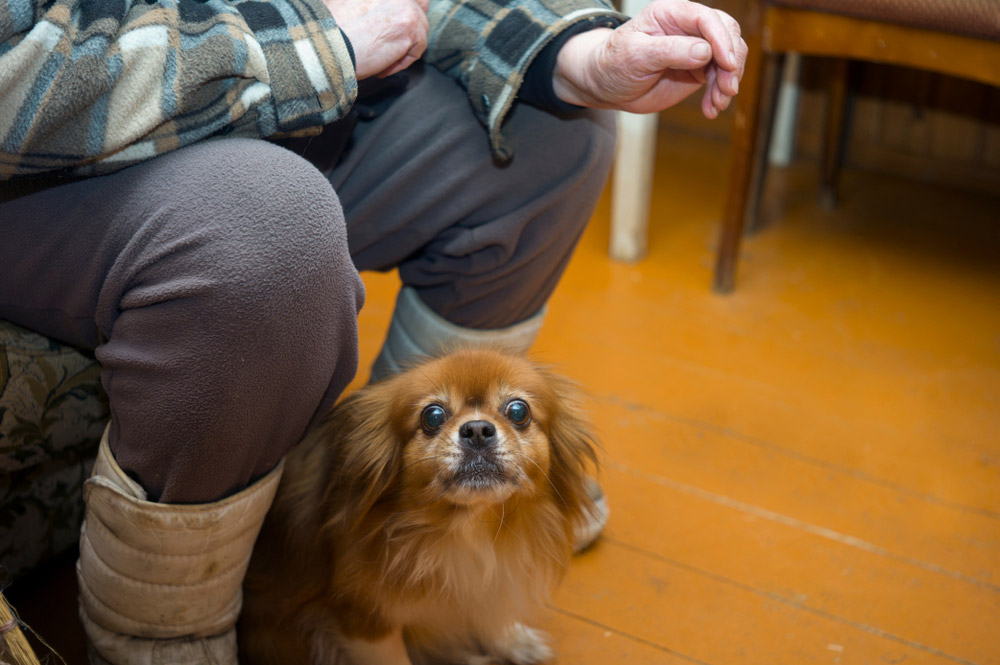
Blind dogs become more receptive to auditory cues, making it easier to help them around unfamiliar areas and warn them of potential dangers. Clicker training is practical for blind dogs, and you can incorporate numerous verbal markers.
Some of them involve how you talk to your blind dog before touching them. Training them on cues like “touch” or “lift” will prepare them for handling. Other commands will enhance their safety and navigation while walking or exploring unfamiliar areas.
You can also begin teaching your dog the names of people, animals, or items they encounter often. Dogs have an enormous capacity for learning verbal cues, so try developing as many associations as possible to make your dog understand you better.
- “Left” and “right”: Directional cues allow you to steer your dog
- “Step”: Your dog will learn to step up or down when they approach a curb or steps
- “Careful”: Teaching this cue will make your dog slow down and investigate with caution
- “Stop”: Bringing your dog to a halt will keep them from running into obstacles
- Recall: Teaching your dog to return when they hear their name or a “come” command will let you give them more off-lead freedom in safe areas
14. Let Others Know About Your Blind Dog
Although you and your family are considerate of your blind dog’s needs, you can’t expect a random stranger on the street to recognize your dog’s condition and act accordingly.
Unsolicited pats or introductions to other dogs on their walk can be stressful for a dog that can’t see, creating negative associations with socializing. You can help others help your dog by using visible markers to tell them your pet is blind.
You can get collars and leashes with “Blind Dog” warnings across them or make a custom tag at home. When others can identify your blind dog from a distance, they’ll be more cautious and communicate with you to ensure your dog doesn’t react negatively.

Should I Get My Blind Dog an Assistive Device?
Many people try to use assistive gear like a bumper halo or echolocation devices to aid their dog’s navigation. Studies have shown the efficacy of these devices in controlled settings, but they may not be the best starting point when helping your dog adjust to their blindness.
Assistive devices may be uncomfortable and ineffective for some dogs and can get pricey. More importantly, these aids can limit movement and may not empower your dog to make necessary mistakes and learn to operate without them.
Before using an assistive device, make the necessary alterations to your dog’s environment and routine. Adjustments don’t cost a dime and, if effective, can save you the daily effort of dealing with cumbersome gear. If they still need help after you make the changes, ask a vet whether an aid like a blind dog halo might be practical for your pet.
Did you know you can speak to a veterinarian without having to travel? Just head over to PangoVet. It's our online service where you can talk to a vet online and get the advice you need for your pet — all at an affordable price!

Final Thoughts
All dogs adapt to failing vision differently depending on their unique personalities, the severity of their vision loss, and the speed of its onset. Living with a blind dog can feel stressful and overwhelming, but your attitude will have the most significant impact on their success.
Approach challenges with patience and positivity, and your dog will stay motivated to regain their confidence and find fulfillment in this new stage of life.
- You may also be interested in reading: Living With a Deaf Dog: Vet-Approved Tips for Caring Owners
Featured Image Credit: Philipp Skoufas, Shutterstock
 How to Live With a Blind Dog: 14 Tips for Success

























4 Responses
Thank you for your post! I’ve had a dog before that went blind and now my King Charles is loosing sight and hearing.
Hello,
thank you very much for your nice feedback, although we are sorry to hear about your King Charles going blind and deaf. Hopefully our articles will provide you with enough helpful information so you will be able to make the life of your King Charles long and happy!
Best wishes
Our minpin went blind a couple of years ago from diabetes. Lately when we put her on our bed, she shakes off and on. Since she's used to sleeping with us, would it hurt her to put her in a kennel at night?
Hello Judy,
thank you for your question. Since your Minpin is blind and is used to sleep with you in the bed, it could be very stressful for her to get locked in the kennel suddenly and not knowing what is happening. With that being said, it is possible to train your dog slowly and gradually to get used to her kennel, especially when you provide her with familiar items with smells that she could recognize, so she would know she is in a safe space.
We would recommend you booking an appointment with one of the professional veterinarians at www.PangoVet.com. In 20-minute online videocall, the veterinarian will give you step-by-step guide on how to start the crate training and ensure that it goes smoothly both for your Minpin and for you.
Hope this helps.