13 Vet-Approved Home Remedies to Help Your Dog's Allergies


In this article
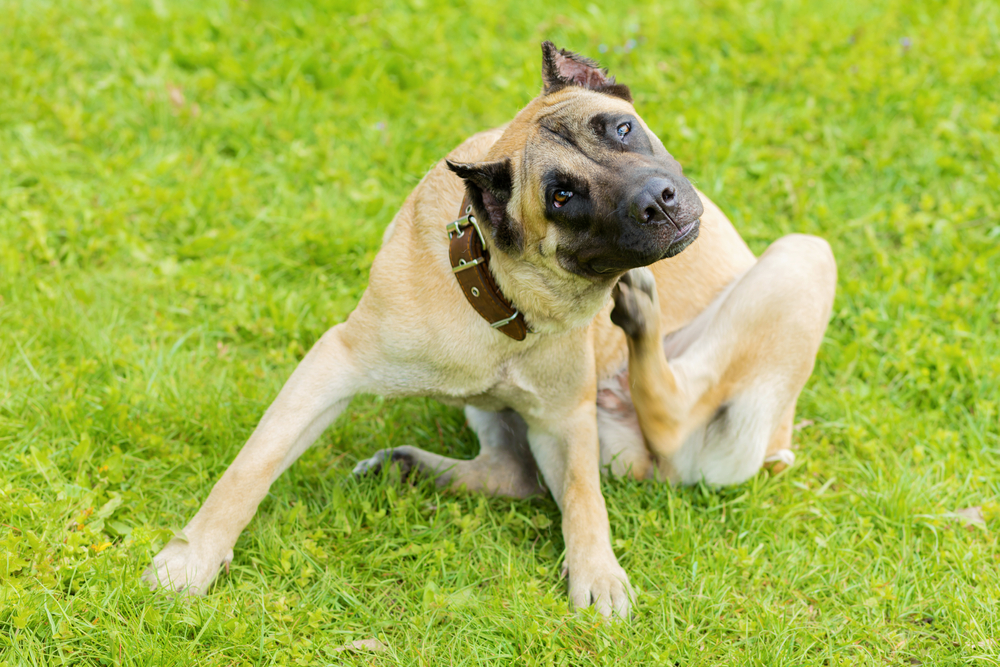
View 4 More +Allergies can be a nightmare for dogs to live with. They can cause eyes to stream and noses to run. They also lead to itchy, flaky skin that manifests itself in scratching, nibbling, and biting. What’s worse, it can be very difficult to determine what’s causing these reactions.
While there isn’t an easy cure, you can do something to help soothe and relieve your dog’s signs.

The 13 Home Remedies to Help Your Dog's Allergies
1. Daily Changes
Although a small minority of dogs are allergic to something in their food, most allergies are environmental.
Determine where your dog walks and what they do before having allergic reactions and try to make changes to avoid the allergens that are causing problems. This might mean taking a different route while you’re out walking or preventing your dog from rolling in a certain part of the garden.

2. Change Their Diet
If you’ve taken your dog to the vet and they have told you that your pup is allergic to a particular food ingredient, you should look for an alternative food that avoids those ingredients. There are many foods on the market, including those with unique protein sources that avoid some of the more common food allergens.
Change their diet slowly to prevent diarrhea and gastrointestinal problems and make sure the food meets all of your dog’s nutritional requirements.
- Our Recommendations: Best Dog Food for Skin Allergies – Vet-Recommended Reviews & Top Picks
3. Install an Air Purifier
Some environmental allergens might be present in the air in your home. It might be dust mites or pollen that is triggering allergic reactions. An air purifier helps remove allergens from the air to provide fresh air that should prevent allergic reactions in your pup.

4. Oatmeal Bath
An oatmeal bath can be great for soothing itchy skin. It acts as an emollient, effectively holding moisture against the skin to reduce dryness and itching. You can create an oatmeal bath yourself for your dog by blending oatmeal into a fine powder and adding it to your dog’s bath water.
Alternatively, you can use an oatmeal shampoo when bathing your dog. It will not only help to soothe sore skin, but it can also help to remove any environmental allergens that are lodged in the fur.
If you are looking for the perfect, pet-friendly shampoo and conditioner combo, we highly recommend the products by Hepper. With a soothing oatmeal shampoo, free of soaps and other harsh chemicals, and a cucumber and aloe-scented conditioner, your pet's skin and coat will be smooth, hydrated, and irritation-free.
| Image | Product | Details | |
|---|---|---|---|

|
Hepper Oatmeal Pet Shampoo |
|
Check Price |

|
Hepper Pet Conditioner |
|
Check Price |
At Dogster, we’ve admired Hepper for many years, and decided to take a controlling ownership interest so that we could benefit from the outstanding products of this cool pet company!
5. Yogurt
Yogurt can make a great addition to your allergic dog’s diet. The natural probiotics can help balance good vs bad bacteria and keep yeast and bacterial skin infections under control. Most pups love the flavor of this creamy treat and it can make a healthy topper, especially for dry kibble.
Some dogs are lactose intolerant, though, so start with a small amount and monitor for signs. If you do notice any vomiting or a change in stools, stop feeding yogurt and look for an alternative. You should also only choose plain yogurt, which doesn’t contain sweeteners or extra sugar.

6. Probiotics
Probiotics are good bacteria that live in the gut whose main job is fighting off bad bacteria and promoting good digestive health. They can also help regulate the immune system, which means strengthening your dog’s response to allergies.
If your dog has loose stools or other digestive problems, either as a result of food allergies or any medication they are taking to combat the signs, probiotics can help here, too. Live yogurt is a good source of probiotics, but not all dogs can eat lactose.
Probiotics can also be found in some dog foods and there are probiotic supplements that can be given.
7. Coconut Oil
Coconut oil is a substance that can be used orally or topically. When applied topically, it helps get rid of itchiness and inflammation. The consistency makes it ideal for simply rubbing into the affected area of your pup’s skin.
As with chamomile, it is safe for consumption in small amounts, so it won’t cause any ill effects if your dog licks the oil after it has been applied.

8. Vitamin E Supplement
Vitamin E is a strong antioxidant that fights free radicals to prevent damage to tissue and cells. Vitamin E is commonly found in commercial dog foods and may also be included in some shampoos and other dog products.
Alternatively, you can buy vitamin supplements that are fortified specifically with vitamin E, and you can buy vitamin E topical creams and oils for application directly on afflicted areas of the body to relieve inflammation.
9. Fish Oil
Omega-3 fatty acids help with a host of functions, from heart health to skin and coat condition. These fatty acids can be added to food to help reduce inflammation in the skin which can help relieve itchiness, swelling, and redness.

10. Aloe Vera
Aloe vera is used to treat burns and other skin conditions, and it can be used to help dogs with itchy, flaky skin. It has anti-inflammatory properties, as well as antioxidants, and you can add a few drops to your dog’s water bowl or over their food or apply an aloe vera gel to red and inflamed areas of skin.
11. Chamomile
Chamomile is a great natural treatment for a variety of ailments and problems, including allergies. It can be applied topically to help soothe irritated skin. It offers an immediate cooling effect that brings relief, and it has the added benefit of a pleasant smell.
Make some chamomile tea, let it cool, and dilute it with a little extra water before spraying it onto the affected areas of your dog. It’s safe for dogs to drink in small quantities, which makes it a viable solution to the problem.

12. Epsom Salts
Epsom salt is made up of magnesium and sulfate. It is commonly added to baths to help with swelling, soreness, and relaxation as well as wound healing and soothing skin irritated by allergies.
Add half a cup to your dog’s bath or soak a cloth in Epsom salt solution and apply it to the affected areas of your dog.
13. Apple Cider Vinegar
Apple cider vinegar is a popular home remedy for a lot of human conditions, including allergies, though there is little scientific evidence that it actually works. It’s also popular with pet owners. It is said to help ward off fleas and it can help control the signs of allergies in dogs.
Mix apple cider vinegar in a spray bottle with water and apply the solution to itchy, red areas of skin that your dog is scratching. Alternatively, you can add some to your dog’s bath. Apple cider vinegar does have a strong, acidic smell, though, and some dogs really dislike it. It can also be drying to the skin, so be sure to not overdo it and speak to your vet first.


What Causes Allergies?
An allergic reaction occurs when the immune system overly reacts to a harmless substance and essentially tries to fight that substance. Such substances can include anything from pollen to dust, but they can also include food sources, perfumes, or fleas.
The most common and obvious symptoms of allergies in dogs are scratching and itching, as well as flaky and red skin. Your dog may also have puffy, red, swollen eyes, and may cough or sneeze more than usual.
Allergies typically cannot be cured, but it is possible to help control the signs. This usually involves lifestyle and habit changes, as well as the application of topical creams or the administering of medication or other remedies.

How Do You Know What Your Dog Is Allergic To?
Context and timing can help determine what your dog is allergic to, so if you notice your dog always has an allergic reaction after walking in a particular field, there may be a plant or something else in that field they are allergic to, or they may have a reaction after eating a particular food.
However, it isn’t always obvious. A vet can help identify the likely cause of allergic reactions using testing, or they may encourage an elimination diet to see if it is food-based, as well as other investigative solutions.
A vet will be able to advise you on the best course of action to ensure the well-being of your pet.
What Is the Most Common Allergy In Dogs?
Dogs can be allergic to things in their environment, which is most common, or to ingredients in the food they eat. Food allergies are commonly to the protein source in the food, such as chicken, beef, or egg, while plants, pollens, mold, dust mites, chemicals or fleas can be causes of allergies in the environment. Speak to a vet to try and help determine exactly what your dog is allergic to.

Should You Take Your Dog to the Vet for Allergies?
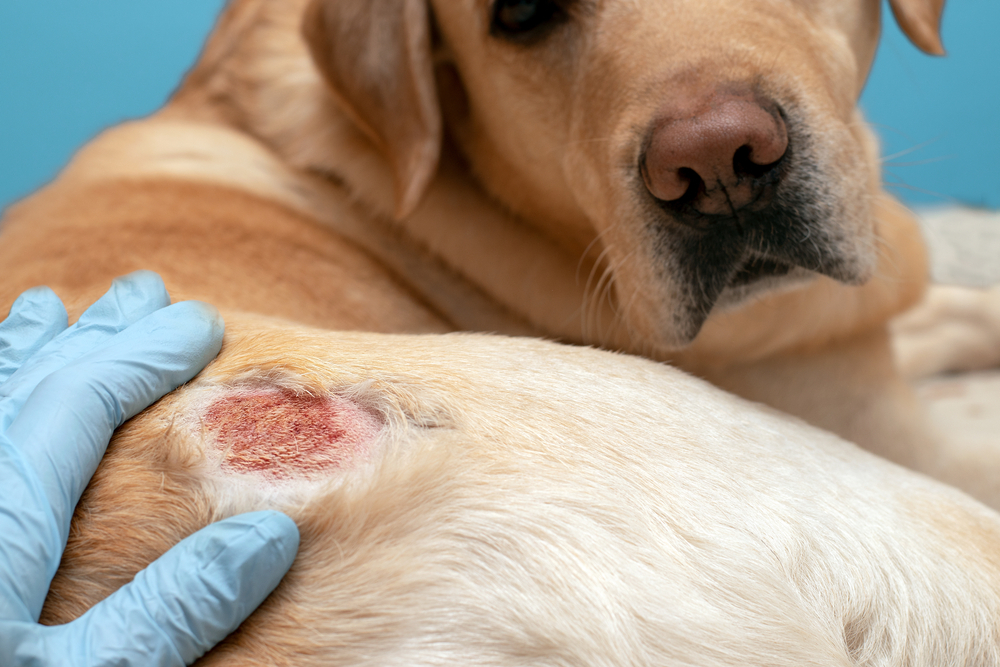
Allergies can be very irritating, causing inflammation that leads to itchiness, swelling, and redness of the skin. If dogs scratch or chew their skin excessively, it can lead to wounds or even an infection. If your dog is scratching or biting uncontrollably, it’s time to see a veterinarian to try to get them some relief.
In Conclusion
Dogs can suffer from allergies, just like humans can. The most common types of allergies are flea allergies and allergies to environmental factors. While the allergy itself cannot be cured, it is possible to help soothe the itching and try to manage the other signs associated with allergic reactions. While you can get medication and creams from the vet, some home remedies can help. See also:
Featured Image Credit: ARVD73, Shutterstock
Expert dog care, straight to your inbox
News, insights, expert advice, and everything dog.

No spam — unsubscribe anytime.
By signing up, you agree to our Terms & Conditions and Privacy & Cookies Policy.
How useful was this post?
Click a star to rate. You can leave written feedback afterwards. (We read all feedback.)
Matt is a freelance writer from the UK. He lives with his partner and daughter, as well as two cats and one dog. A data analyst by profession, Matt moved from numbers to words more than 15 years ago and has been writing ever since. Having volunteered at a local animal sanctuary, he has a lot of experience with dogs, cats, and horses. Matt has also kept bearded dragons, a variety of birds, fish, guinea pigs, hamsters, mice, and rats. His daughter has adopted the same passion for animals, keeping and breeding snakes. A geek at heart, Matt is a member of a local board gaming group and regularly forces his family to “enjoy” board games with him at home.