Get

In Your Inbox

Dogster is reader-supported. When you buy via links on our site, we may earn an affiliate commission at no cost to you. Learn more.

7 Ways to Prevent Dog Walking Injuries: Vet-Approved Safety Guide

Share

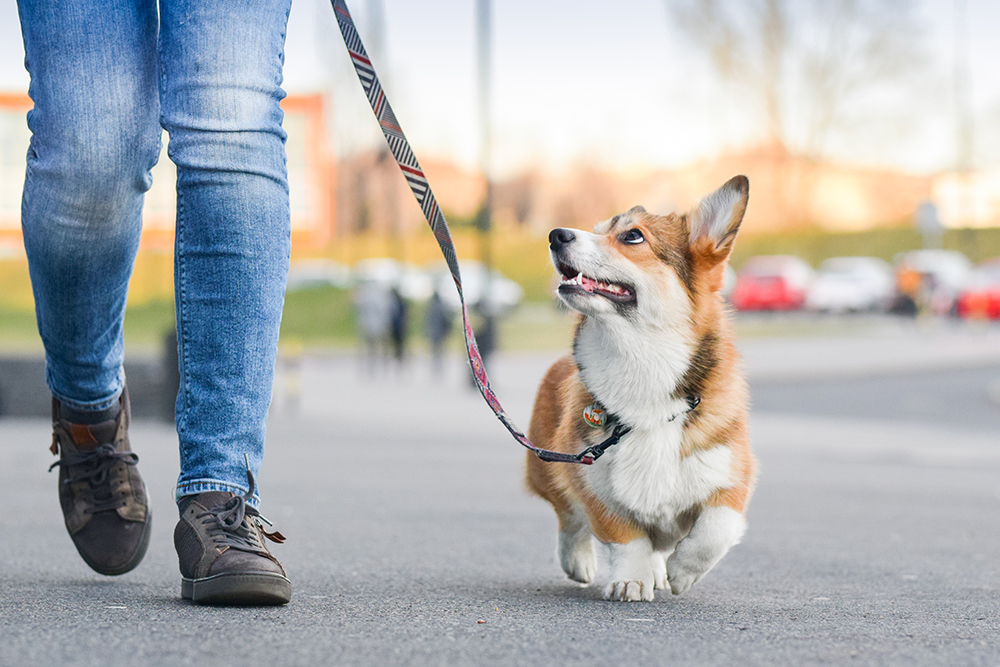
pembroke welsh corgi dog going for a walk

Walking your dog at least once a day is a great way to help both of you stay fit, enjoy nature, and socialize with other humans and canines. However, as with any outdoor activity, walking your dog incorrectly can cause injuries.

In this article, you’ll learn seven important tips to prevent dog walking injuries, such as wrist or shoulder injuries. You’ll also find additional information on keeping your pet safe during walks.

divider dog faces oct 2024


The 7 Ways to Prevent Dog Walking Injuries

1. Choose the Right Leash and Collar
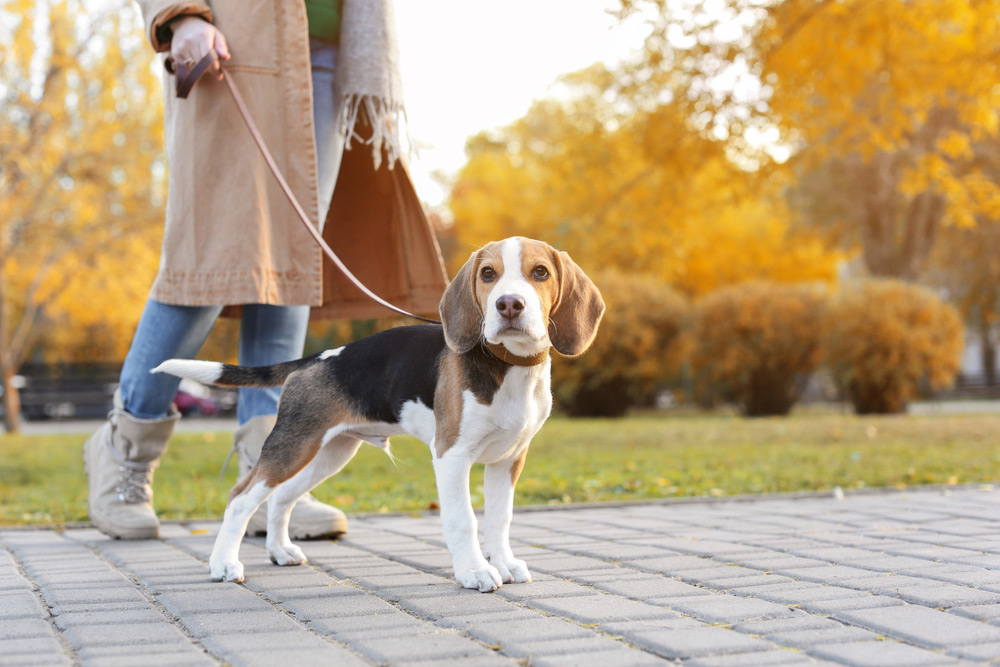
woman walking her beagle dog at the park
Image Credit: New Africa, Shutterstock

One of the most important ways to prevent dog walking injuries is by choosing the right leash and collar for your pup. Using a long or retractable leash might seem like a good way to give your dog more freedom, but it also makes it difficult to keep your pet under control.

If you’re walking a rowdy dog on a long leash, they could easily trip you, run into the street, or get into a fight with another animal. Instead, choose one that’s 4 to 6 feet long at the most. Make sure your dog’s collar fits securely. If your dog consistently yanks on the leash, consider using a no-pull harness or head collar.


2. Wear the Right Shoes
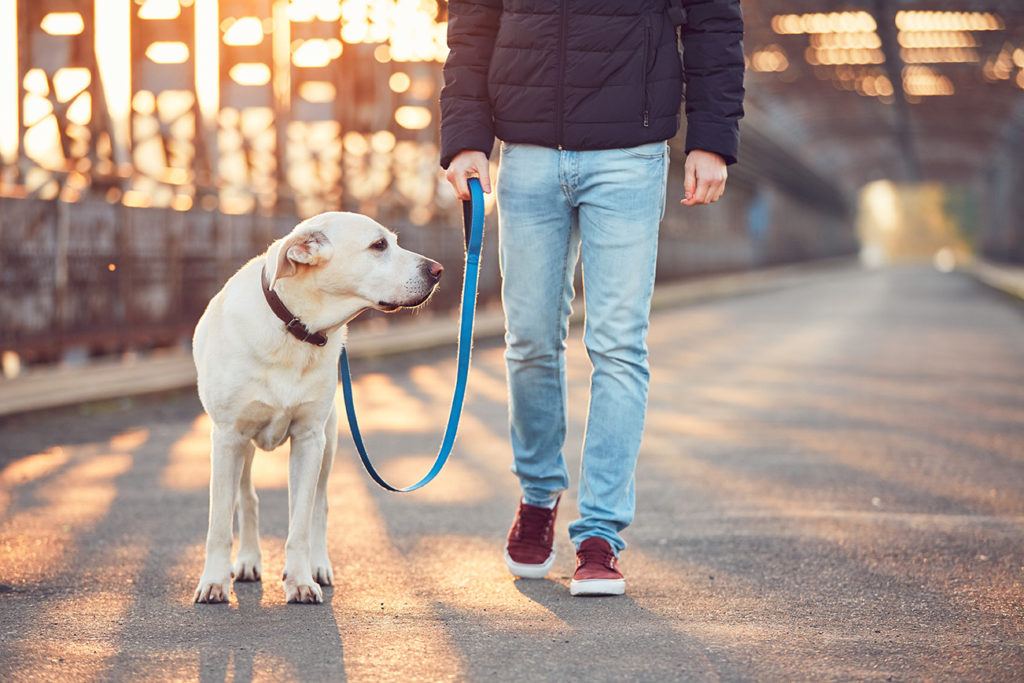
Protect yourself while walking your dog by slipping into the appropriate footwear before you head out the door. Your shoes should be comfortable, slip-resistant, and appropriate for the weather.

You can wear snow or rain boots if necessary to provide the right traction. Avoid walking your dog in shoes with high or thin heels or slippery soles, especially if you own a large and energetic canine. Attempting to walk your dog in the wrong shoes can lead to preventable injuries if your pup bolts or knocks you off your feet.


3. Don’t Wrap the Leash Around Your Wrist
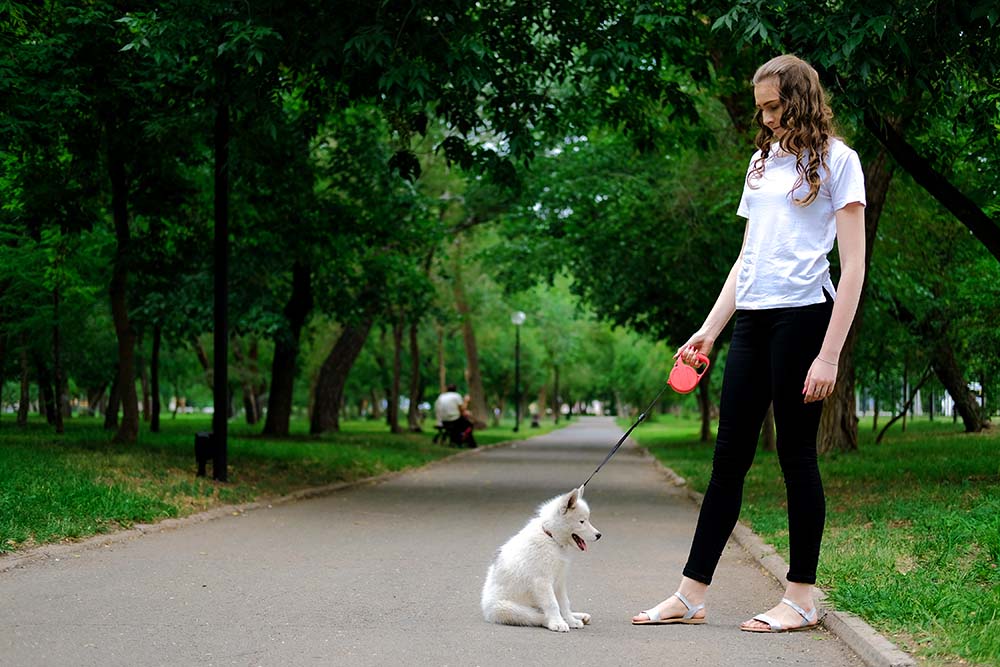
Young girl is walking with her dog on a retractable leash on asphalt sidewalk
Image Credit: Yolya Ilyasova, Shutterstock

If you’re worried your dog will pull free of your grip, it can be tempting to provide more security by wrapping the leash around your wrist. However, this technique can be dangerous for you.

For example, you could be pulled over and dragged by your dog if they bolt after a squirrel, and you can’t get the leash off your wrist quickly. You’re also at risk of hand, wrist, arm, or shoulder injuries if your dog jerks hard on the leash.


4. Train Your Dog
Lancashire Heeler dog with leash at the park
Image Credit: Vera Reva, Shutterstock

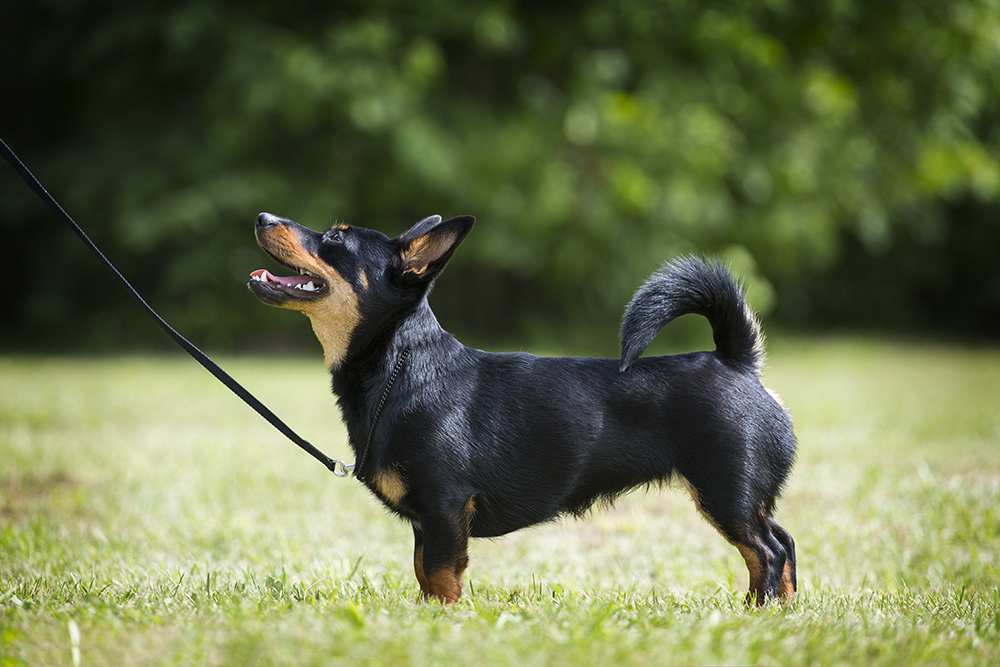
Teaching your dog basic leash manners will not only make walks less stressful for you but could also prevent injuries. As soon as your puppy is old enough to walk on a leash, teach them how to walk calmly without pulling or straining.

Leash training should also be part of your dog’s basic obedience lessons. Training your dog to sit on command and come when called will make it easier and safer for you to walk them. If you aren’t sure how to teach your dog to walk politely on a leash, look for training classes or a professional dog trainer to assist you.


5. Don’t Try to Do Too Much
couple walking in-the park with dog
Image Credit: baranq, Shutterstock

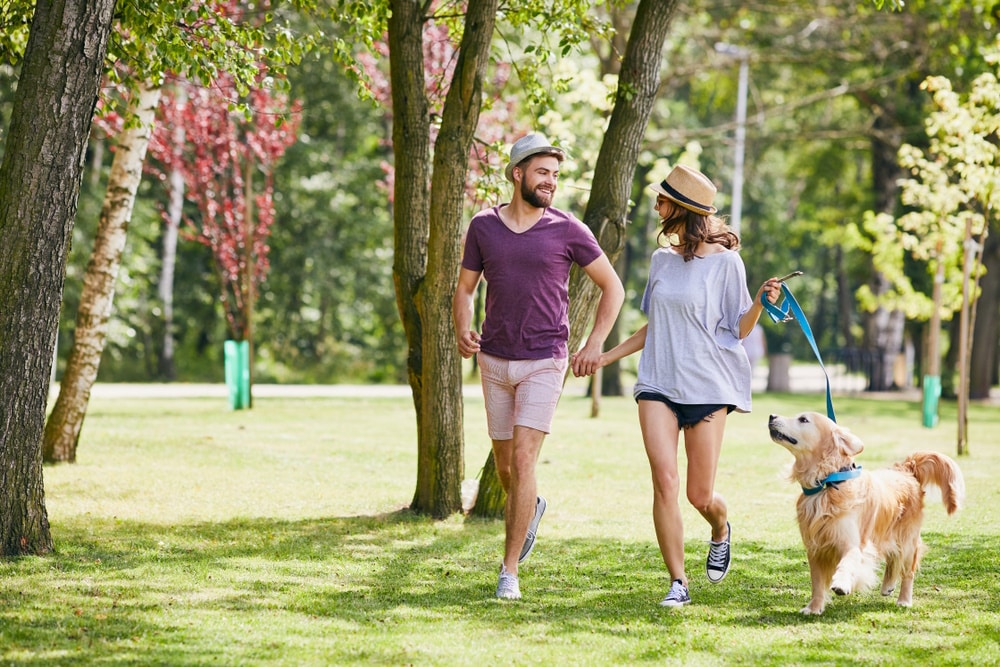
Many dog walking injuries can be prevented simply by using common sense. For example, if you own several large dogs, don’t try to walk them all simultaneously. Whoever walks the dog should be big enough and strong enough to keep the animal under control.

Kids shouldn’t be allowed to walk dogs who weigh more than they do, and they should avoid “walking” the dog while riding a skateboard or scooter. If you want to exercise your dog while riding a bike, look for special equipment to allow you to do so safely.


6. Choose the Right Dog
Woman walking a dog with lots of treats
Image Credit: absolutimages, Shutterstock

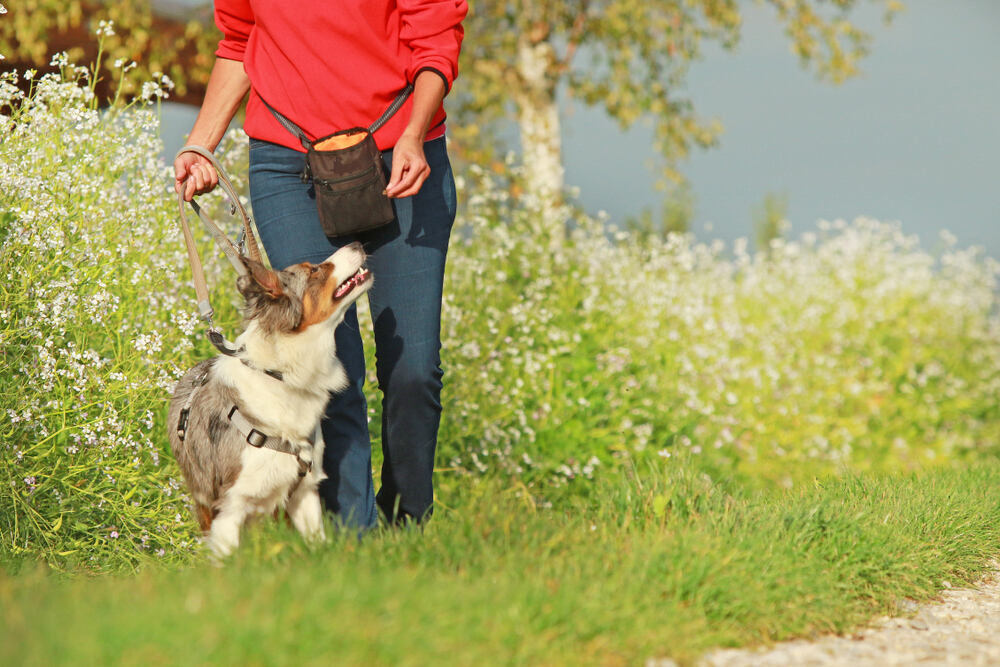
Not every dog or breed is the right match for every living situation or owner. This is especially true regarding the dog’s energy level and exercise needs. Seniors or people with mobility issues may not be the right fit for big, energetic dogs.

If you’re unsteady on your feet or have joint problems, for example, you could be injured more easily while walking your dog. As adorable as you may find a Golden Retriever, a smaller, more easily managed pup may be the safer choice.


7. Pay Attention to Your Surroundings
First person perspective of a hand holding a retractable leash on a dog
Image Credit: Matthew Ashmore, Shutterstock

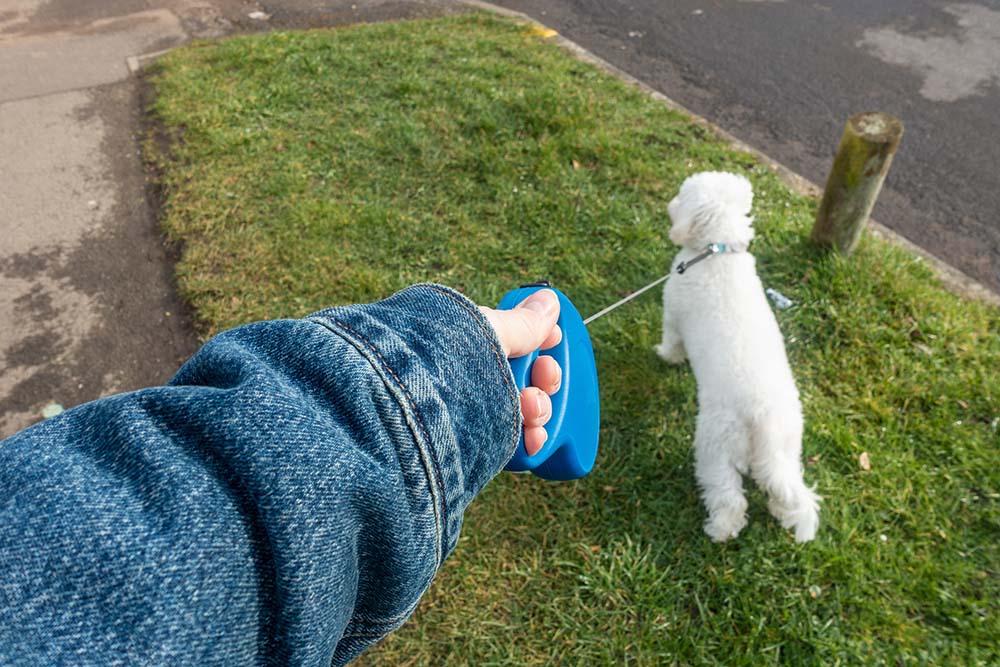
If you’re distracted while walking your dog, it’s harder to anticipate actions that could lead to injuries. For example, if you’re glued to your phone, you might not see a loose dog getting ready to charge yours and cause them to run under your legs. You can also look ahead for uneven or slippery surfaces.

Paying attention to your surroundings helps keep you and your dog safe while walking.

divider single dog paw oct 2024

Additional Tips to Keep Your Dog Safe

Many of these tips we mentioned prevent dog walking injuries and can keep your pet safer. Here are a few more precautions to take before you snap on the leash and head out for a walk.

  • Make sure your dog is protected from parasites and disease by keeping them current on their shots and applying worm, flea, and tick preventatives.
  • Ensure your dog wears identification with your contact information in case you’re separated during the walk. For added protection, you can get your dog microchipped and make sure their information stays current.
  • Protect your dog from the elements, such as extreme temperatures and icy sidewalks. Avoid walking your dog when it’s hot outside since they can easily become overheated. Dress your dog in a jacket and protective booties when it’s cold and snowy.
  • Make sure your dog stays hydrated and doesn’t overdo it on walks. Build up their physical fitness before attempting long or strenuous hikes.
  • To protect your dog’s paws, avoid walking them on hot asphalt or rough terrain.
  • If you and your dog are walking at night, you should wear reflective gear. In rural areas, wear bright colors to make sure you and your dog are visible during hunting season.

divider dog faces oct 2024

Conclusion

Although you can’t necessarily avoid all injuries while walking your dog, these tips can help you prevent them as much as possible. If you get hurt while walking your dog, contact a medical professional for advice and care. If you worry you can’t walk your dog safely or as much as they need, consider turning to friends, family, or professional pet sitters for help.


Featured Image Credit: Jus_Ol, Shutterstock

Want content like this delivered to you?

Sign Up For Our Newsletter

News, insights, expert advice, and everything dog

* By submitting, you agree to our Terms & Conditions and Privacy & Cookies Policy.


How useful was this post?

Click on a star to rate (you can leave written feedback after clicking submit)

Help us improve Dogster for pet parents!

Your feedback really matters.

What did you like about this post? Also how can we improve it?

Join the conversation

Leave a Reply

You’re very welcome to leave a comment or question. Please know that all comments must meet our community guidelines, and your email address will NOT be published. Let’s have a positive and constructive conversation.


Dogster's Digital Magazine is Back!​

Dogster Magazine Cover June 2026

Vet-approved health & behavior advice

Real dog stories & community features

The Organization Helping Pets Feel Safer, Happier, and ‘Fear Free’ – Heroes of the Pet World

For many pet owners, stress during veterinary visits, grooming appointments, travel, or even routine handling can feel like an unavoidable part of life...

Why Some Dogs Treat Mealtime Like Playtime – And When to Pay Attention

Most dogs are reliable eaters. Bowl goes down, food disappears. So when a dog starts batting kibble across the kitchen floor, tossing pieces...

Major Win for Dogs: Ontario Becomes the Final Province to Ban Ear Cropping and Debarking

​​Ontario has approved new animal welfare regulations that will prohibit elective ear cropping and devocalization (debarking) procedures in dogs from January 1, 2027....

Dogster’s Weekly Photo Contest Winners: Most Adorable Puppy (June 8, 2026)

Every week our team gets the privilege of sorting through our readers photos to choose what dogs will win this weeks contest! See...

More related

Feeding Frenzy: Lava, Hela & Lajka’s Mealtimes

Hi, I’m Dr. Maja! Read my introduction to learn more about me and my three dogs, Lava, Hela, and Lajka. Having three dogs,...

Are Beagles Good Family Dogs? Breed Temperament Explained

Beagles are extremely friendly and quite low maintenance as compared to many other dog breeds. Therefore, they are often considered good family dogs....

Can Dogs Eat Watermelon Seeds? Vet-Verified Nutrition Facts & Info

Watermelon is synonymous with summer. People certainly love it, with the per capita consumption in 2022 at 14.12 pounds.1 It’s an ancient fruit,...

Diabetes in Dogs: Our Vet Discusses Causes, Signs & Treatment

Have you ever wondered … “Can dogs get diabetes?” And if dogs can get diabetes, what are the symptoms of canine diabetes and...

Keep reading

Can Dogs Eat Peanuts? Vet-Approved Nutrition Guide

Our canine companions love peanut butter. There are even photography books dedicated entirely to pictures of dogs who love eating this tasty and beloved treat! Dog parents love giving their pups peanut butter, too, especially as a means of getting...

Can Dogs Eat Peanuts

How to Cook Chicken Liver for Dogs: Vet-Approved Recipes & FAQ

Chicken liver is commonly used in many dog treats and dog food formulas. This delicious organ meat is a great way to add some nutritional value to your dog’s diet 1, so whether you are looking to serve it plain,...

Raw chicken liver in bowl on white table

Can Dogs Eat Apple Pie? Vet-Verified Nutrition Facts & Info

We can share a lot of our food items with our dogs, permitting we know the safety and nutritional quality. After all, our dogs are omnivorous just like us. However, when it comes to sweet treats and heavily processed goods,...

Dogster-Can-Dogs-Eat-Apple Pie

Health Benefits of Peanut Butter for Dogs: 6 Vet-Approved Advantages

Is there anything dogs love more than peanut butter? Well, maybe a few things, but peanut butter is likely in the top three things dogs love most! After all, peanut butter is delicious and fun to eat since it’s messy...

Cute puppy eating peanut butter from a spoon

Can Dogs Eat Cheetos? Vet-Approved Reasons, Risks, & FAQ

If you’re a dog owner, the chances are high that you’ve experienced something similar to the following situation. You finally get a chance to sit down and relax after a long day, and you take the opportunity to open a...

Can Dogs Eat Cheetos

Can Dogs Eat Raw Chicken Feet? Vet-Verified Nutrition Facts & Info

Dog owners must have strong stomachs when they think of the unusual snacks we give our pets, like pig ears, cow hooves, and bully sticks. But can you add raw chicken feet to that list? The mere suggestion may sound...

Dogster-Can-Dogs-Eat Raw Chicken Feet

Canidae Dog Food Review 2026: Recalls, Pros & Cons

Review Summary   Aimed at dogs of all shapes, sizes, and ages, Canidae dog food has been around since 1996 and is one of many high-quality brands available for pets throughout the U.S.A. With its focus on sustainable and regenerative...

Dogster_Canidae Dog Food Review

Can Dogs Drink Human Breast Milk? Nutrition & Health Facts

Many pet owners consider their dog to be their baby, and there’s nothing wrong with that. However, there are some things that we shouldn’t be sharing with our pets, and breast milk is one of them. In addition to being...

Can Dogs Drink Human Breast Milk

Love Dogs? So Do We! Join the Dogster Community

Stay informed with expert pet care insights delivered straight to your inbox! Discover professional guidance on animal behavior, feeding tips, trusted product picks, and much more.


Sign up for the Dogster Email Newsletter