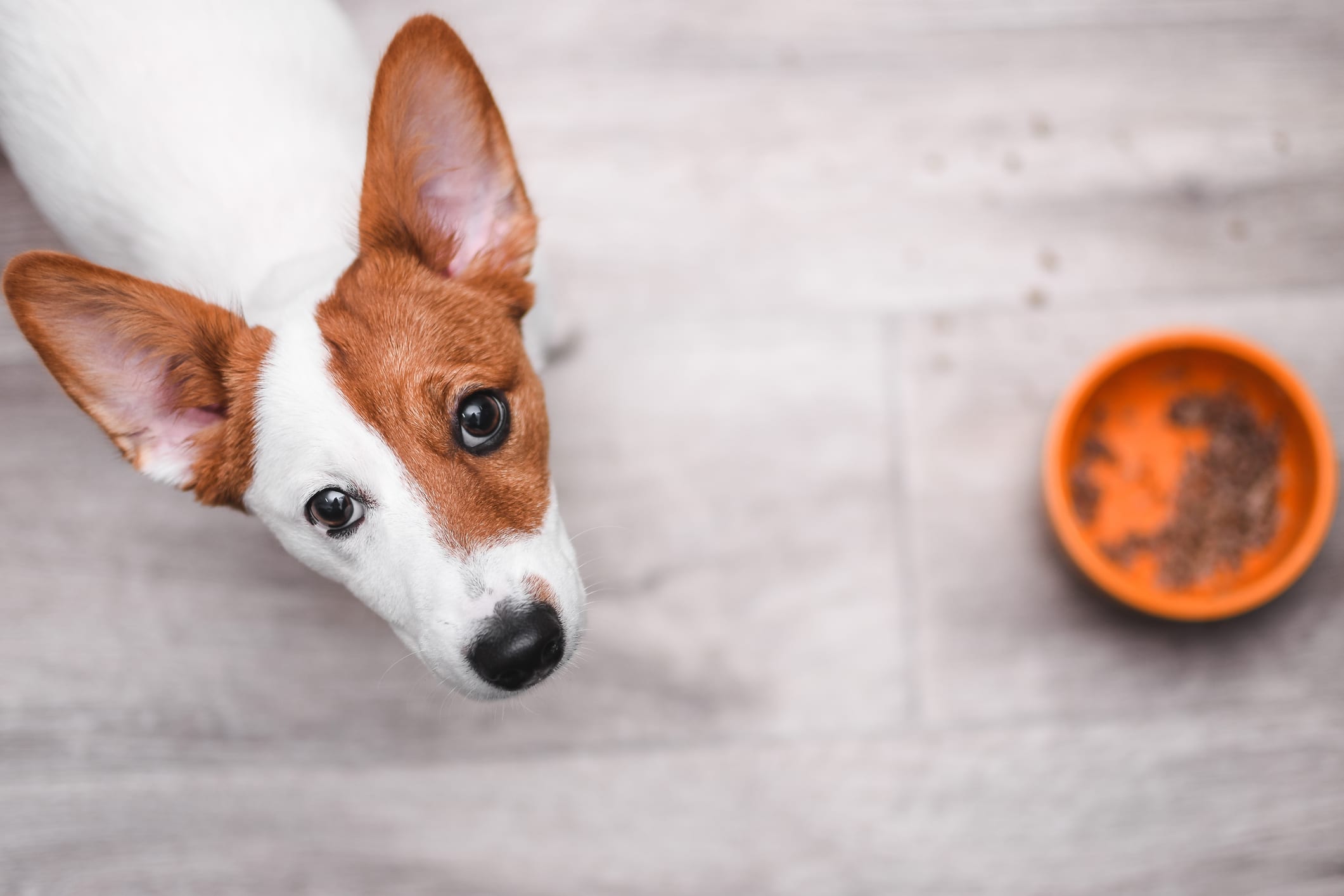
Puppies have big appetites, so it can be worrisome when they don’t want to eat. Although it can be quite common for new puppies not to have a hearty appetite when you first bring them home, it is unusual for an adjusted puppy to start refusing food. There are several reasons why your puppy isn’t eating, ranging from new foods, illness, certain dietary preferences, and teething pain.
These possible reasons will be explained more thoroughly in this article.

The 8 Reasons Why Your Puppy Isn’t Eating
1. Unfamiliar Food
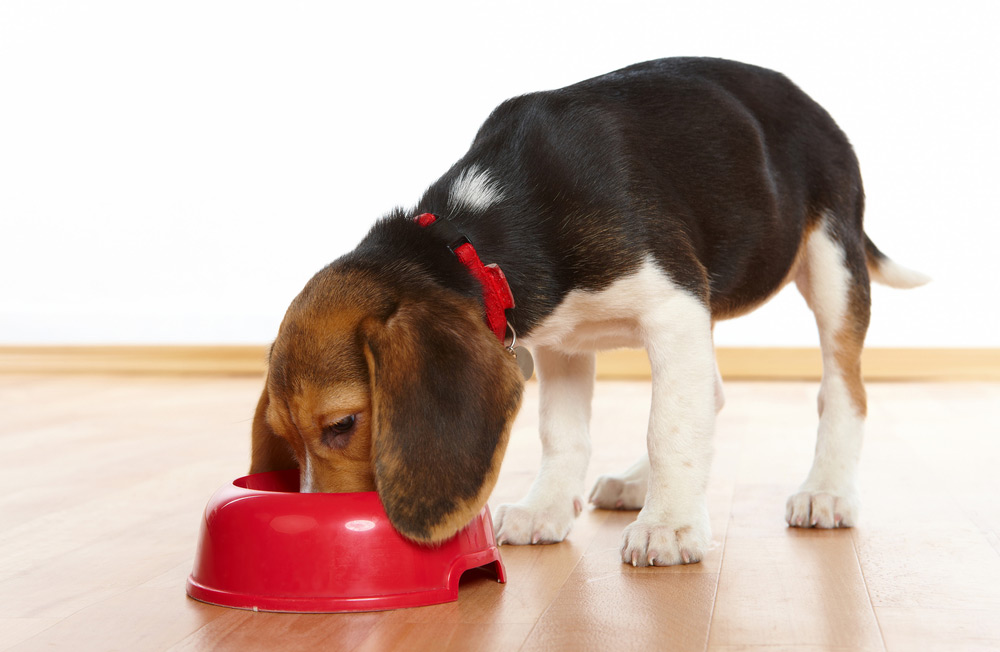
When you bring a new puppy home, they have a lot of things to get used to, food being one of them. Not every puppy will be comfortable enough to eat unfamiliar foods, as all foods have a slightly different smell, taste, and texture. It can be a lot for pickier eaters to take on in one day, so it’s always best to try to decrease the amount of change that you can and try to feed them the same food as their previous diet if possible and slowly transition to a new diet if you want to.
2. Adjusting to a New Environment
An unfamiliar environment can be stressful for a puppy, which can make them feel too uncomfortable to eat. There are many strange smells and sounds in a new environment that puppies need to adjust to. Once they start feeling more comfortable in the new environment, they may regain their appetite.
It’s important to make the adjustment period as stress-free as possible for new puppies. Keep them in a quiet area of the home with a comfortable bed or crate and their food and water. You want to gradually introduce them to other pets or family members to avoid stressing them out further.
3. Teething
By the time a puppy is between 12 and 16 weeks old, they will begin losing their baby teeth so that their adult teeth can start growing. The teething process can last 2-3 months, and you might notice rice-sized teeth lying around the home. Teething can cause puppies to feel uncomfortable and even painful, as their gums can become swollen. This could cause them to eat less.
Teething puppies might struggle to eat dry kibble or other hard foods that further irritate their sensitive gums. Introducing softer foods that don’t cause teething puppies pain can help encourage them to eat.
It is best to consult with a veterinarian about the right diet for your teething puppy if you feel it is the cause of their poor appetite.
4. Parvovirus
Canine parvovirus is a virus that commonly affects unvaccinated dogs or puppies that haven’t received the parvovirus vaccine yet. One of the first signs a puppy could be sick from parvovirus is a reduced appetite and lethargy. These signs can become more severe as the virus progresses and they may start experiencing gastrointestinal signs such as diarrhea and vomiting.
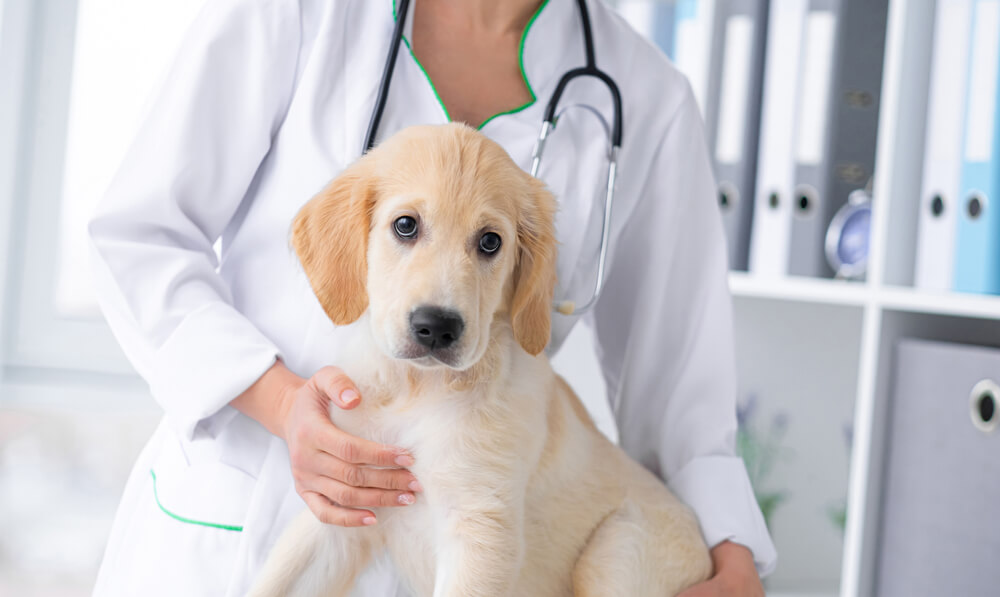
It’s important to take your puppy to a veterinarian if you suspect they may have parvovirus. Puppies without the core parvo vaccine that have been exposed to an environment with other dogs are at major risk for this virus.
5. Food Preferences
Just like people, puppies can have different food preferences, too. Not every type of food is going to appeal to them, so they might be reluctant to eat it. Some puppies prefer wet foods over dry foods or specific flavors. If they are not happy about the food they are offered, they might not want to eat it.
Also, drastic changes in their diet could affect their appetite. For example, if your puppy was eating wet food with a chicken flavor, switching them to kibble with a beef flavor could affect their appetite. It’s important to slowly transition puppies from an old diet to a new diet. You could add some of their old food with the new food and gradually lessen the amount of old food until they are eating the new food.
6. Digestive Issues
There are a number of digestive issues that could affect a puppy’s appetite.
- Constipation
- Gastritis
- Gastrointestinal obstruction
- Bloat
- Colitis
- Gastroenteritis
When a puppy is experiencing digestive issues, they may be reluctant to eat and show other worrisome signs such as lethargy, diarrhea, or vomiting. You might also notice changes in their stool and bowel movements. Abdominal pain is a common sign of most digestive issues in puppies, which can be uncomfortable and make them hesitant to eat.
Most digestive issues are serious in puppies and require veterinary treatment. You should contact a veterinarian immediately if you notice your puppy is showing signs of digestive issues. Serious digestive issues such as bloat or gastrointestinal obstructions require an emergency trip to a veterinarian as prompt treatment is essential to save your puppy.
7. They want to play
Most puppies are go-at-all-costs balls of energy that require short naps to recharge. Sometimes, they can be so focused on playing or hanging out with you that they won’t eat for fear of missing something. This is especially true if they will eat when you’re with them but will abandon the food bowl the instant you walk away.
For these puppies, it’s okay to sit with them until they are done or try feeding smaller meals more frequently so that they can quickly eat and then move on to the next thing without missing a meal or any of the excitement.

8. Vaccinations
It’s not unusual for some puppies to lose their appetite shortly after receiving their vaccinations from a vet. Most puppies tolerate their vaccinations well, but one of the mild side effects could be a reluctance to eat or eat less than normal. This is usually accompanied by other signs such as fatigue, irritation at the injection site, and a low-grade fever. These signs typically only last 24-48 hours post-vaccination and will get better on their own. See your vet if they don’t.
If you’re concerned about your dog’s health we suggest you speak to a vet.
If you need to speak with a vet but can't get to one, head over to PangoVet. It's our online service where you can talk to a vet online and get the advice you need for your dog — all at an affordable price!
Conclusion
Puppies should have a hearty appetite and eat throughout the day. It’s not good for them to go without eating for very long, and a lack of appetite is not a good sign. Some possible reasons for puppies not to eat are mild, while others are concerning and need medical treatment.
Puppies can be reluctant to eat new foods in unfamiliar environments or shortly after their vaccinations. More worrisome reasons are digestive problems, such as an obstruction causing stomach pain and vomiting.
If your puppy isn’t eating and showing signs of illness or pain, they should be taken to a veterinarian.
Featured Image Credit: Olena Vasylieva, Getty Images
 The 8 Reasons Why Your Puppy Isn’t Eating