How to Take Care of a Puppy: Vet-Approved Guide for First-Timers


In this article
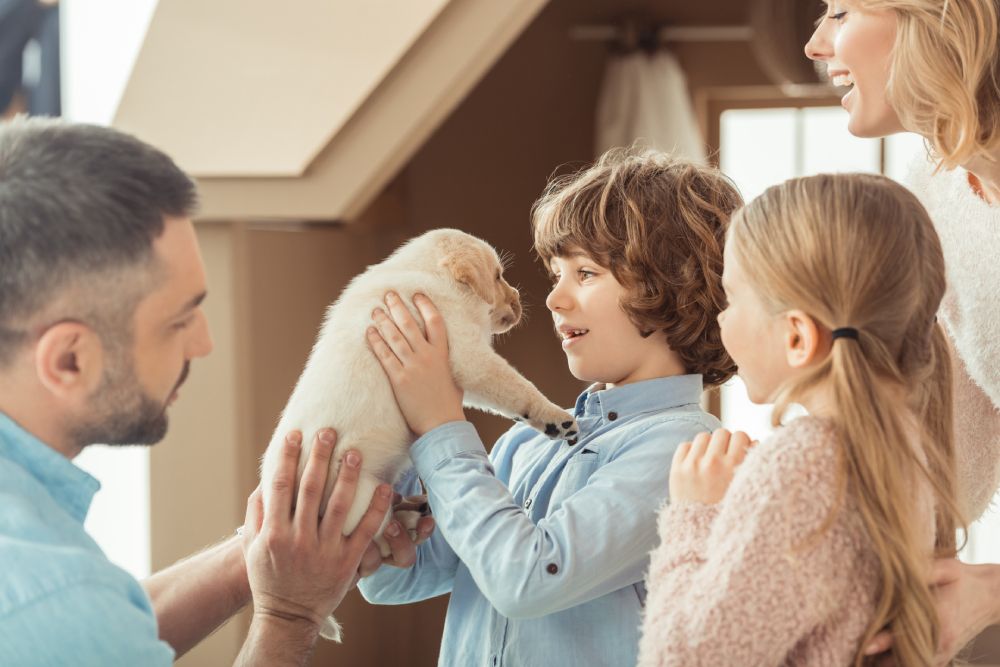
It can be so exciting to introduce a new puppy to your family. But if this is your first time with a baby dog, it can also be an overwhelming time! There are several things that you should do before bringing your puppy home, and it’s also a good idea to know how to handle things after they’ve joined your family.
We put together this puppy care guide to help anyone who is not sure what to expect when welcoming this destructive yet adorable force of nature into their home.

Before Bringing a Puppy Into Your Home
Do Your Research
It is essential to research the breed of puppy that you're interested in before you adopt or buy one. For example, if you are hoping for a calm lapdog, you won’t want a Husky. If you’re aiming for a running companion, the Bullmastiff is not the best choice. Your new dog must be the right fit for you and your family!
Gather Supplies
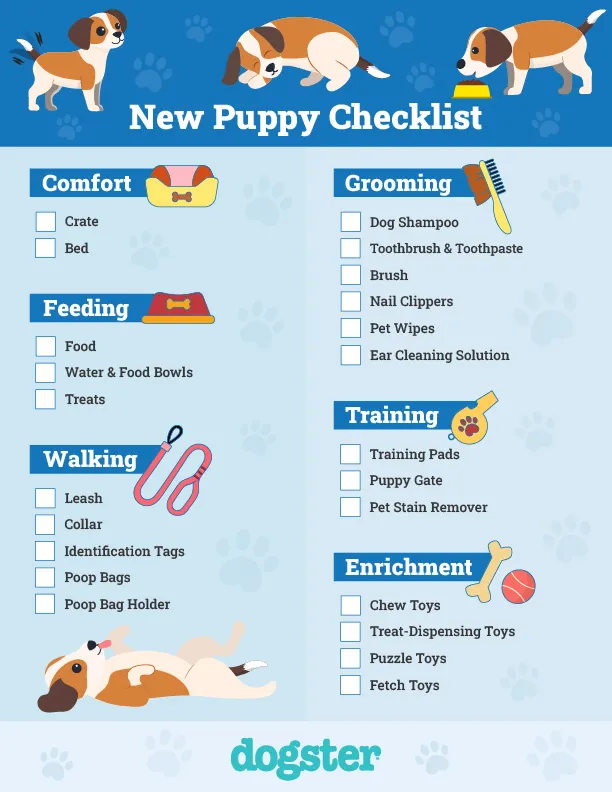
Whether you are planning to adopt or buy a puppy, having all the necessary items beforehand is vital.
These include the following items:
Puppy-Proof the House
It's vital to ensure that your entire living space is safe for your new puppy, just as you would childproof a home for a baby. Puppies tend to explore and learn about the world through their mouths and will chew on almost anything that they come across.
To ensure your puppy's safety, get down on the floor, and look around from their eye level. This way, you can identify any potential dangers for your new puppy.
Common hazards include:
Puppies can be quite rambunctious and may knock things over or jump up to reach items. So, cover up electrical cords, and invest in locks and devices to keep your pup out of cupboards and trash cans. Finally, keep your place well-vacuumed and watch out for any small objects that your puppy might choke on.

Set Up a Safe Space for Your Puppy
Puppies can get into all sorts of trouble if left loose in your home, and they also require a quiet and calm space to rest. Most dog parents opt for a crate, which puppies may initially dislike but eventually view as a haven.
You can purchase a crate that is large enough for your puppy when they become an adult, as most of them come with a partition to adjust the crate to your puppy’s size. This helps tremendously in preventing your puppy from urinating or defecating inside their crate, as they typically don’t want to soil the place where they sleep.
Additionally, you can use baby gates and puppy pens. Don't forget to include soft blankets and a dog bed for your puppy's comfort.

The 10 Tips on How to Take Care of a Puppy
1. Bring Your Home Puppy
When you pick up your new puppy, make sure you have a carrier for the trip home to ensure their safety and the safety of everyone in the car. Once you arrive home, remember that your puppy may be overwhelmed by the new environment with its unfamiliar sounds, sights, and smells. Therefore, it's best to introduce them to family members and other pets gradually.
2. Name Your Puppy
Choosing the right name can take time, but it’s advisable to begin using the name as soon as your puppy arrives home. If you get your puppy from a breeder, they may use your chosen name for your pup well in advance.
Opt for a name with a nice flow that isn’t long and awkward. A good rule of thumb is to say the name out loud several times, which can make or break your decision. There are plenty of puppy name lists out there if you need inspiration.

3. Feed Your Puppy
When you bring home your puppy, whether you adopt them from a rescue group or get them from a breeder, try to feed them the same brand of food they’ve been eating and avoid switching to something else, at least right away.
If you want to switch to a different brand, you’ll have to do so slowly. Puppies can have sensitive stomachs, and if you change their diet too quickly, they may get sick and experience diarrhea.
4. Find a Veterinarian
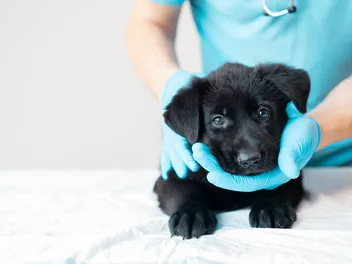
You’ll need to locate a veterinarian in your area if you haven’t already done so. Check online reviews, or ask any family or friends with dogs for recommendations. Once your puppy has been home with you for several days, make an appointment for a health check. This is also when you can review your puppy’s vaccine schedule with the veterinarian.
Expect to bring your puppy to the vet every month until around 4 months of age. By 6 months old, they can be spayed or neutered. Once your puppy reaches adulthood, typically by the age of 1 year, you will need to see your vet at least once a year for your dog's annual check-up.
5. House Train Your Puppy
House training is usually the first thing that puppy owners tackle. You should designate a specific area in your yard for your puppy to visit, and you'll need to take them there frequently. The younger the dog, the more often they need to go outside. As a general rule, puppies can hold their bladder one hour for every month old they are. For instance, 8-week-old puppies typically need to go outside every 2 hours and after eating and drinking.
If your puppy happens to have an accident inside the house, avoid punishing or yelling at them. This will only make them fearful and confused. Instead, whisk them outside the moment that you see them start to "assume the position." If your timing is off, clean up the mess using an enzymatic cleaner, which will thoroughly remove the odor and help prevent future visits to that spot.
If you're looking for an all-in-one, pet-friendly, enzyme cleaner, we highly recommend the Hepper Advanced Bio-Enzyme Pet Stain & Odor Eliminator Spray.

- ADVANCED ENZYMATIC CLEANER - Penetrates the most stubborn smells and stains at the deepest molecular levels to dissolve any pet mess you encounter and lift it away at the source.
- FOR ANY MESS, ON ANY SURFACE - This pet odor eliminator cleans your carpets, floors, furniture, fabrics, and more. Whether it's urine, feces, vomit, or drool, you can erase all foul spots and smells!
- FRESH, NATURAL ODOR - Our unique formulation doesn't rely on dangerous or unpleasant chemical fragrances to get the job done. We eradicate smells and stains, not just cover them up.
It eliminates tough stains and odors easily and is excellent for accident prevention. Plus, it comes with a 100% satisfaction guarantee! Click here to order now.
At Dogster, we’ve admired Hepper for many years, and decided to take a controlling ownership interest so that we could benefit from the outstanding products of this cool pet company!
6. Know That You Can’t Start Training Too Early
Beyond house training, you can start to train your puppy at any time with basic commands, such as "leave it," "watch me," "sit," and "come." Training your puppy not only keeps them safe (which is why teaching them to “come” and “stay” is so essential) but also strengthens your bond and builds their confidence.
7. Start Socializing Your Puppy
Socialization is a vital part of raising a puppy. You’ll need to introduce your puppy to different people, environments, and animals at an early age to help them become well-adjusted adult dogs. However, before introducing your puppy to strange adult dogs, it is best to consult your veterinarian. Young puppies are not fully vaccinated yet, so exposing them to unfamiliar dogs can be dangerous. Any dog your puppy interacts with must be current on their vaccinations. It is also advisable to avoid dog parks and other pet areas until your puppy is fully vaccinated.
8. Know That Playtime Is Essential and Fun
Playing is essential for your puppy's development. Puppies enjoy playing on their own, which is why they require plenty of chew toys. Providing your pup with toys can help keep them away from objects that you don't want them to chew on, such as your shoes.
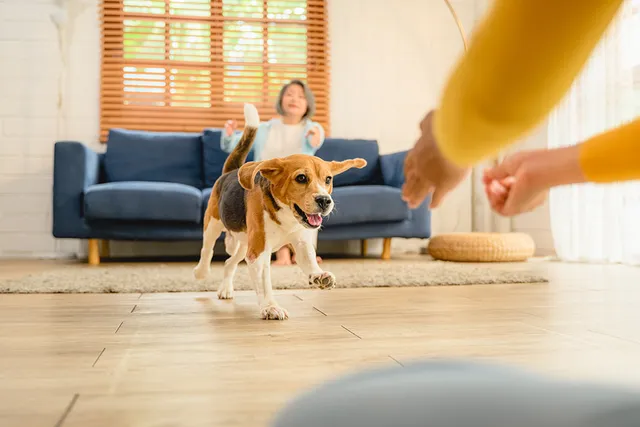
Playing with your puppy can also help you strengthen your bond with them and provide an outlet for all that puppy energy! You can try gently tossing balls or playing tug of war to keep them entertained and active.
9. Introduce Your Puppy to Grooming
All dogs need to be groomed, so if you introduce the grooming process to your puppy at a young age, they will become familiar with it, and there should be less anxiety about it as they mature.
Make a point of handling their paws frequently and gently touching your puppy all over. When they take to this handling well, give them treats—this is a form of training. You’ll want to touch them everywhere, particularly around areas where many dogs traditionally don’t like being touched, such as around their ears, eyes, legs, and hind end.
Once they seem comfortable with your hands, you can start introducing grooming tools like brushes and nail clippers, one at a time.

10. Form a Strong Bond With Your Puppy
One of the most critical things that you can do with your puppy is form a strong bond with them. Grooming, training, exercising, and playing are all contributing elements. But you’ll also want to cuddle and praise them. They’ll likely want to spend most of their time with you, especially when they first come home. So, if possible, take time off from work to be with your puppy during this period.
Conclusion
Caring for a puppy is quite a significant responsibility, but with the proper preparation, it can go relatively smoothly. Always treat your puppy with kindness and understanding, keeping in mind that they don't understand anything you’re saying. If they keep chewing your shoes, it's up to you to teach them and redirect them to things that they are allowed to chew (like chew toys).
It's important to stay on top of your veterinary visits and the training, so your adorable, tiny, fluffy bundle can grow up to be a healthy, well-adjusted adult dog. That said, make the most of your time with your puppy and enjoy every moment!
See also:
Featured Image Credit: LightField Studios, Shutterstock
Expert dog care, straight to your inbox
Vet-reviewed advice, training tips, and the best of Dogster. Free, and you can unsubscribe anytime.
By signing up, you agree to our Terms & Conditions and Privacy & Cookies Policy.
Kathryn was a librarian in a previous lifetime and is currently a writer about all things pets. When she was a kid, she hoped to work in a zoo or with wildlife in some way, thanks to her love for animals. Unfortunately, she's not strong in the sciences, so she fills her days with researching and writing about all kinds of animals and spends time playing with her adorable but terribly naughty tabby cat, Bella. Kathryn is hoping to add to her family in the near future – maybe another cat or two and a dog.
Join the conversation
Ask a question, share your story, or send private feedback.