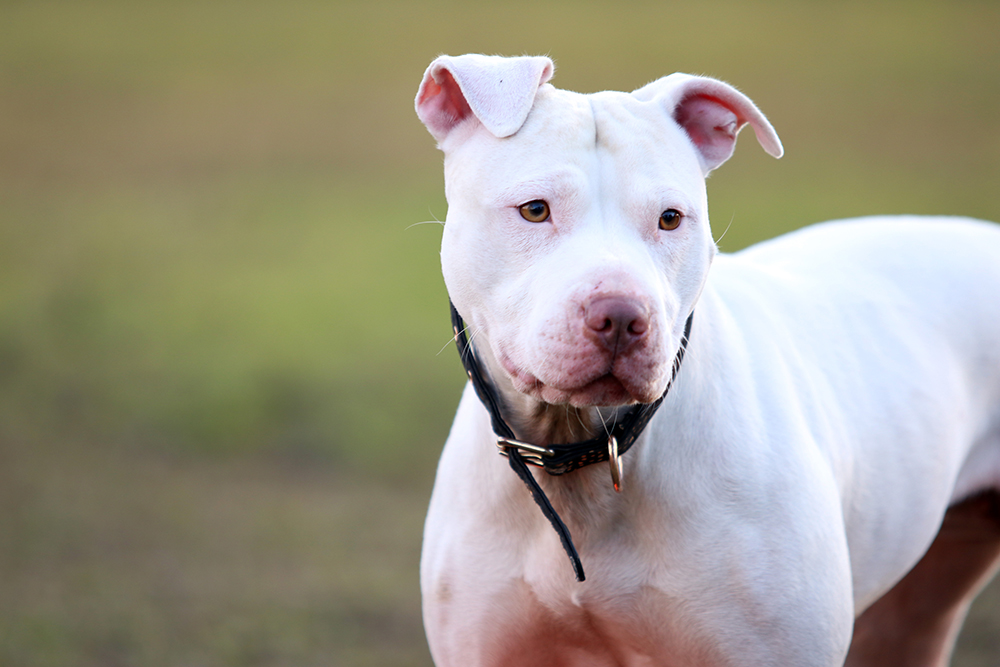
While the Pit Bull has become a well-established and popular dog, it is not officially recognized by the American Kennel Club (AKC). In fact, there is very little mention or discussion of the Pit Bull on the AKC at all! The closest recognized breed is the American Staffordshire Bull Terrier, or AmStaff, which originated with the British Staffordshire Bull Terrier. However, the Pit Bull Terrier as it is known today has been further bred from the AmStaff and is now considered to be a standalone breed. Their lack of recognition by the AKC may be due to their inconsistent lineage or rather controversial status as the breed most commonly reported in serious dog bite injuries and fatalities.1 However, given the aforementioned breeding lineage, being able to accurately identify a Pit Bull becomes something of a problem, too.

Classifying Pit Bulls: Why It’s Complicated
Although the American Pit Bull Terrier was originally bred for their skills in the bull-baiting and dog fighting arenas, more and more, these dogs are being selected for bloodlines that favor loyalty, affection, and companionship. As a result, there are a number of different bloodlines recognized within the American Pit Bull breed, and being familiar with those bloodlines can have a huge impact on the size, temperament, and instincts of the dog you bring into your home.
Although socialization, training, and treatment of an individual puppy arguably have the most significant impacts on canine behavior, genetics and breeding also influence temperament. When we are talking about a dog that has the physical capacity to cause serious injury, being able to identify their family history does become quite important.
Breeders of the American Pit Bull have cultivated bloodlines, most of which have origins in the breeds mentioned above. Here are 10 bloodlines you might see when looking at Pit Bulls.
Please note: The images used in this article are representative of the dogs discussed. However, due to the similarities across the bloodlines, and those of their contributing breeds, we cannot 100% guarantee the bloodline of the individual dogs in these images.
The 10 Types of Pit Bull Bloodlines
1. Colby Pit Bull

Colby Pit Bulls are one of America’s oldest and most popular Pit Bull bloodlines. They were the result of arduous work by American breeder John Colby in 1889. The Colby bloodline features a distinct lineage of Irish and English dogs to produce a standard look for the bloodline.
Now sporting over 100 years of history, Colby Pit Bulls feature highly muscular builds, broad heads, and short tails. Colby Pit Bulls also have a characteristically shiny coat. They shed like it’s nobody’s business, though, so regular grooming will be necessary to keep your Colby Pit Bull looking great.
They’re popular for their even temperament and make great family dogs.
2. Old Family Red Nose Pit Bull
The Old Family Red Nose bloodline originates from the Irish “Old Family” Pit Bull bloodline, dating back over 150 years in Ireland. The name comes from the long history of inbreeding within the bloodline.
The Old Family Red Nose has a red coat and nose and is highly popular among fanciers for its amiable nature. They are stockier and bulkier than other Pit Bull bloodlines and have a powerful jaw.
In addition to their red nose, they’ll have a copper or reddish-brown hue to their nails as well.
3. Razor’s Edge Pit Bull
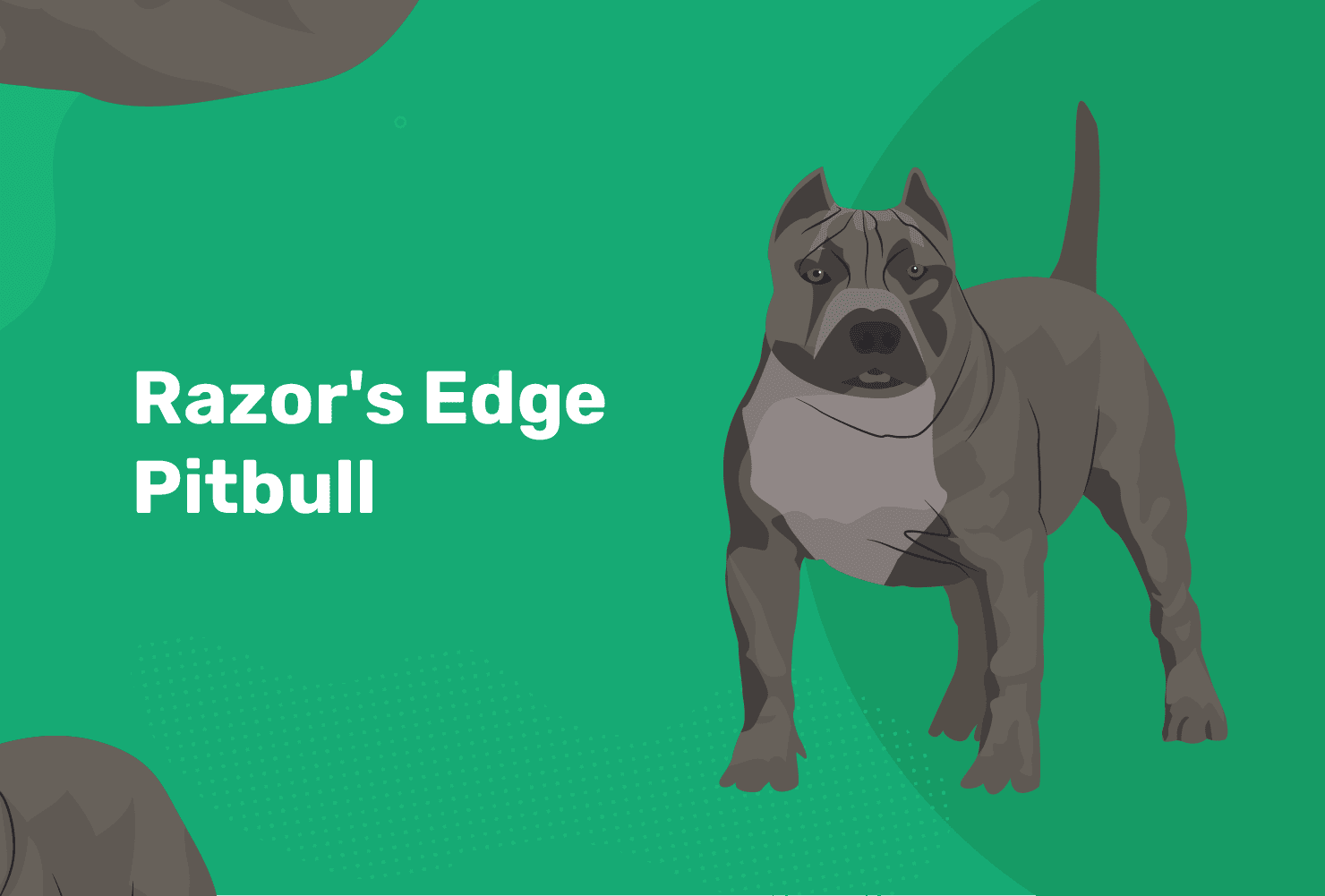
The Razor’s Edge bloodline is best known for being one of the best companion breeds of Pit Bull. Despite its rather intense name, the Razor’s Edge bloodline features a mild and calm temperament.
Razor’s Edge Pit Bulls belong to the American Bully breed and feature a blocky muzzle with a broad chest and large bones despite their otherwise slim body. They have a coarse coat, but the look should still be sleek and shiny.
4. Gator Mouth Pit Bulls
The Gator Mouth Pit Bulls or Gator Pit Bulls are thought to be extinct by breed fanciers. The bloodline is the direct descendant of Champions Gator and Alligator and was initially bred for fighting.
Since dogfighting has become illegal, the bloodline is thought to be extinct. Anyone looking for a Gator Pit Bull should look for a reputable kennel with ethical breeding and selling practices.
Be very wary of backyard breeders who claim to be selling dogs of the bloodline. You should be sure that the kennel can furnish them with a Certificate of Bloodline.
5. Ruffian Pit Bull Bloodline
The Ruffian bloodline is bred from Champion, The Ruffian. The founders of the Ruffian bloodline are Clayton Harriman and William Whitaker, who worked tirelessly to produce the champions of this bloodline.
The Ruffian bloodline features short, pointed ears with a short tail. They have a sleek coat and a muscular build that makes them excellent show dogs. Their bloodline was bred alongside the X-Pert bloodline (see below).
6. X-Pert
The X-Pert bloodline of Pit Bulls is a bloodline of American Staffordshire Terriers. The bloodline was started in 1930 by Clifford and Alberta Ormsby when Pit Bulls could be found for a mere $5.
At the time, the streets were crawling with poorly bred Pit Bulls with no standards of breeding or care. The Ormsbys purchased Ormbsy’s Madge, the first dog in the X-Pert bloodline, from a Texas breeder and sired her with Bennett’s Mack, who carried lineage in the Smiths and Tudors bloodlines.
The X-Pert bloodline is agile and lithe and features a springy gait and a powerful jump.
7. Jeep
The Jeep bloodline started with Jim Crenshaw’s Pit Bull “Crenshaw’s Jeep.” Born in 1976, Crenshaw’s Jeep was unofficially crowned the king of fighters and sired many future champion dogs.
The Jeep bloodline is marked by deep-set eyes that are smaller than the average Pit Bull’s. They’re muscular, harkening back to Jeep’s fighting days, and have a wide ribcage. The deep ribcage is a hallmark feature of the bloodline and goes well with its wide and powerful forearms.
Another notable feature of the Jeep bloodline is its long tail, a feature that isn’t as commonly seen in bullies. Unlike some other Pit Bull bloodlines, the Jeep bloodline doesn’t have a shiny coat. But their coats do have a glossy sheen.
8. Gottiline
Gottiline Pit Bulls are named for their sire, Juan Gotty, who sired his first litter at around 7 months old. Juan Gotty is considered the most celebrated American Bully of all time, and his children were so popular that Gotty sired over 1,000 pups before passing.
Gottiline Pit Bulls are easy to spot because they’re incredibly bulky. They’re very muscular and powerful and lead with their broad, square heads. The Gottiline Pit Bull has a defined neck that blends seamlessly into his chest.
9. Carver
The Carver bloodline is a highly popular bloodline within the Bully breeds, and many other bloodlines have lineage in the Carver line. It’s hard to find a pure Carver bloodline dog because their bloodline has been used to create so many different bloodlines.
The Carver bloodline is versatile when it comes to bully breeds. Some Carver dogs are known for their gentle dispositions, while others are known for their fighting history. Because of their versatility, almost every Pit Bull bloodline can be traced back to the Carver bloodline.
10. Budweiser Crusher
Mickel’s Budweiser Crusher sired the Budweiser Crusher bloodline. The bloodline is very popular in North Carolina, from where Budweiser Crusher hailed.
Budweiser Crusher was a champion show dog despite the somewhat silly name, but he had it all. He was known for being a great family and hunting dog when he wasn’t busy winning dog shows.
Dogs in his bloodline are known for their gentle and friendly temperaments and make great family dogs.

Conclusion
As you can see, quite a number of different bloodlines have been used to create the American Pit Bull Terrier as we know it, resulting in variations in form, temperament, and colors. The visual differences are often subtle, and we can’t always tell one from another just by looking at them.
Although breeding and genetics can’t guarantee the temperament or behavior of a dog, by selecting Pit Bull bloodlines that are known for sweet and soppy predispositions, we can increase our chances of creating a breed that can shrug off the current Pit Bull preconceptions and prejudices.
So if you’re looking to add a pittie to your family, ask about their family history so you know what you’re getting.
See also:
- Best Muzzles for Pit Bulls – Reviews & Top Picks
- National Pit Bull Awareness Month: When It Is & How to Celebrate
Featured Image Credit: Chris Anabalon, Shutterstock
 Classifying Pit Bulls: Why It’s Complicated