Separation anxiety is anxiety caused when dogs are separated from their owners. Typical signs include destructive behaviors, toileting accidents and other unwanted behaviors while the owner is away from the dog or as the owner prepares to leave.
Some dogs suffer anxiety after an hour or two, but some can start to show signs of anxiety immediately. It can emerge in any dog, regardless of their breed or background, but it tends to be more common in rescue dogs.
Although it can take time, it is possible to help your dog through separation anxiety, and below we highlight 15 steps you can take to combat the issue.

The 15 Tips to Help Your Adopted Dog With Separation Anxiety
1. Recognize the Signs
Separation anxiety can start as soon as your dog believes you are leaving the house, and these early signs can range from your dog running and hiding to them messing on the floor or jumping up and getting overstimulated.
Typical behaviors when you’re out of the house include excessive barking and howling as well as destructive behavior. Your dog might pee and poop in the house. And it is all rounded off by excessively energetic behavior when you get home, sometimes resulting in more accidents.
If your dog is showing signs of separation anxiety, we suggest you speak to a vet.
If you need to speak with a vet but can't get to one, head over to PangoVet. It's our online service where you can talk to a vet online and get the advice you need for your dog — all at an affordable price!

2. Rule Out Medical Causes
Some of the potential signs of separation anxiety can also be signs of illness. For example, peeing on the floor might be a sign of a bladder infection as well. Consider your dog’s toileting habits when you’re not away from the house or preparing to leave. If there is a health problem, the unwanted peeing will take place at other times.
Similarly, your dog’s howling might be caused by pain or other problems. If they bark or howl for seemingly no reason, it’s worth investigating.
3. Rule Out House Training Problems
Improper or incomplete training might also be the cause of some behavioral issues. If your rescue dog wasn’t house-trained properly, they might just think it’s acceptable to pee indoors. This can be especially problematic with dogs that have spent a lot of time in kennels.
They may not have had to go outside to pee and poop and just because they now have a home doesn’t mean they know not to pee on the living room carpet.
Be sure your dog is properly house trained before deciding if they are suffering from separation anxiety.
4. Desensitization
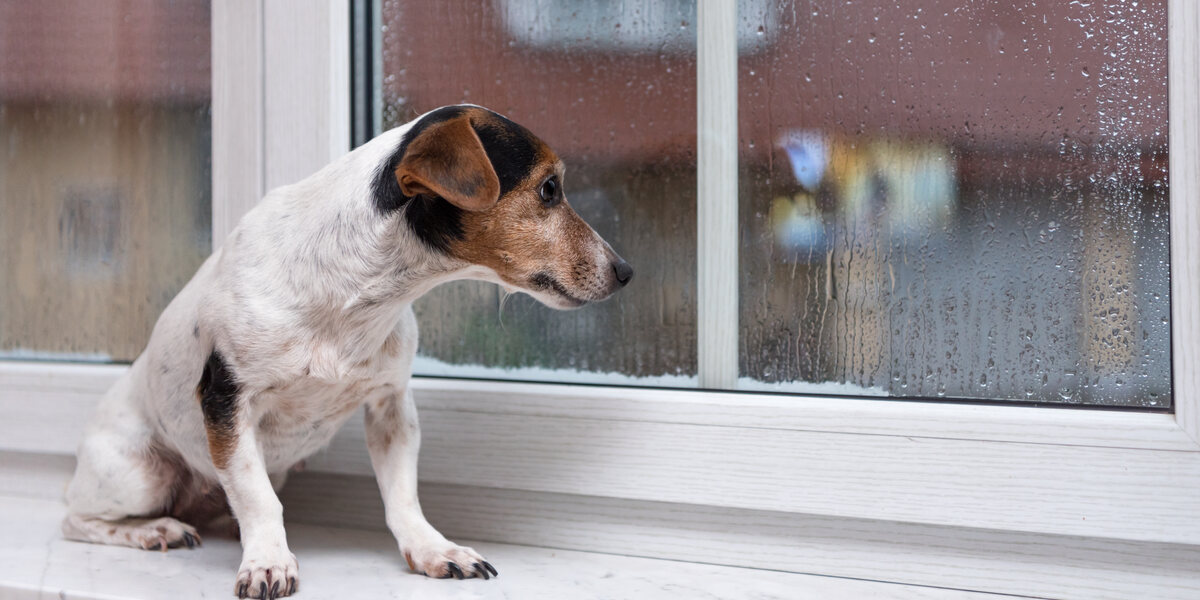
Identify your dog’s triggers—the things that set them off when you leave the house or are preparing to leave the house. Does your dog start to go mad when you jangle the car keys? Or when you put your coat on? Maybe they don’t react until you open the door or even when they hear you get in the car.
When you’ve identified the trigger, reenact the action without leaving the house. Grab and jangle your keys as you pass them in the hall or open and close the front door occasionally throughout the day so that they won’t necessarily associate that action with you leaving.
5. Build Up to Longer Periods of Alone Time
Start out by leaving your dog alone in the house for a few minutes. Put your coat on, get your keys, and head out the front door as though you are going to be away for hours.
Walk up and down the road, or around the block, then come back in giving them lots of praise and rewards. Do this a couple of times a day for several days. When your dog gets used to being left alone for such a short period, increase the length of your absence. Keep doing this and gradually increase the time you’re away.
6. Exercise Them Before You Leave the House
A tired dog tends to be calmer and less likely to exhibit unwanted behaviors. Before you leave the house to go to work, make sure your dog gets plenty of exercise.
Take them on a long walk or head out into the garden and throw a ball around. Grab a toy and play. Whatever it takes to get your dog physically exhausted. They’ll be more likely to fall asleep rather than be anxious when you leave the house.
7. Use a Crate or a Separate Room
Some dogs’ anxiety can get worse if they feel they have to protect the whole house. This may cause them to pace between rooms, look out of all the windows, and feel like there’s tons of pressure on them to guard and protect the house.
Limit your dog to a single room when you go out. This also makes it easier to limit the damage and makes it easier to offer your dog toys and treats in one area.
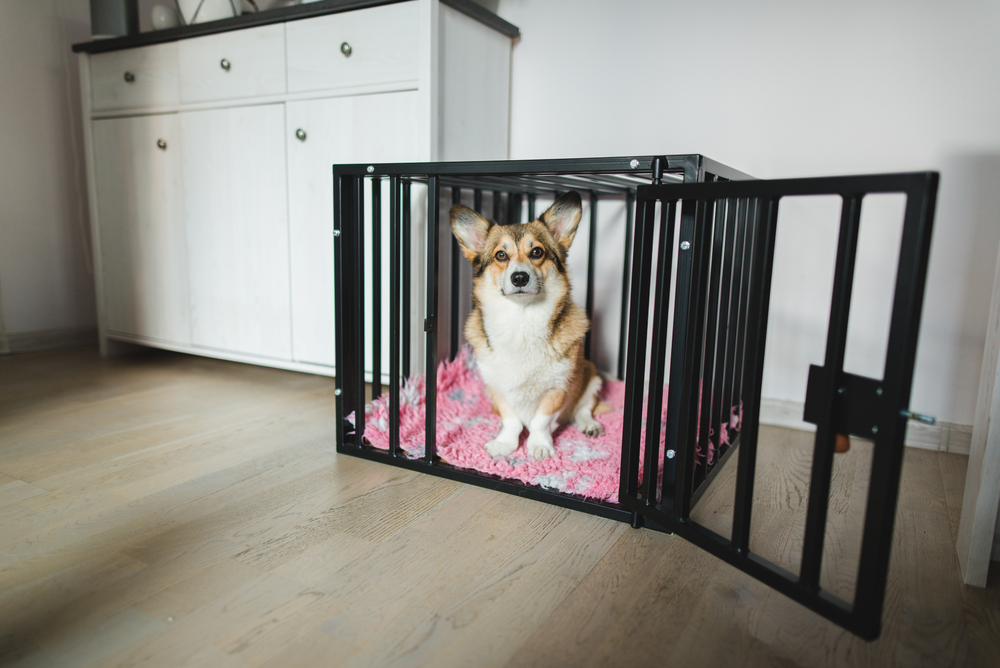
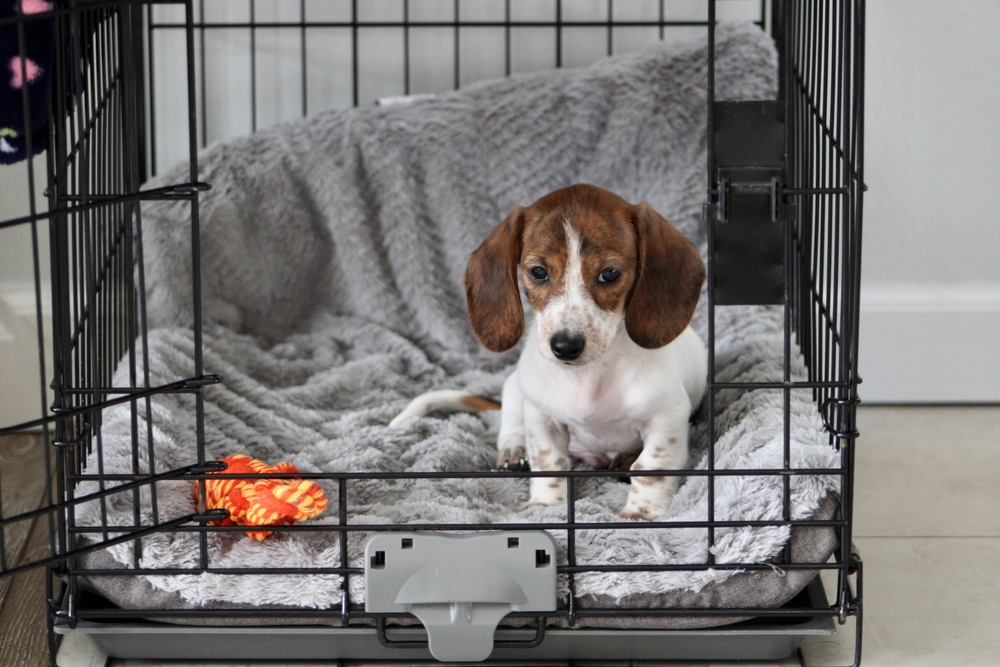
Alternatively, consider crate training. Crate training isn’t a form of punishment, but rather gives them their own safe space. Make sure your dog associates their crate with a positive experience, and it can make them feel more calm and in control.
8. Be Calm When You Leave and Return Home
It’s tempting, if your dog is reacting anxiously to your departure, to try and reassure them. Similarly, it is tempting to shower them with love and affection when you get home. However, doing so can reinforce the feelings of anxiety and make it more difficult to break the bad habits they adopt.
Be calm when you leave and when you get home. It is okay to greet your dog but don’t get too excited about it.
9. Offer Treats
Most dogs love treats, and offering a long-lasting, healthy treat when you leave the house may be enough to keep your dog calm for an hour or two while you’re gone. Do check the calories of the treats you’re giving, especially if you’re giving them every day when you go to work.
10. Offer Toys
Toys are another good way for dogs to take their minds off you leaving the house. Have your dog’s favorite toy on hand and restrict their access to the toy to only when you’re away.
Alternatively, use interactive and treat dispensing toys and fill them or set them when you’re leaving the house. This way, not only is your dog distracted, but they will associate you leaving the house with a positive experience.
11. Enlist the Help of Family and Friends
If you can, get somebody to walk your dog or at least pop in and check on them while you’re out. It will break up the day, so rather than being alone for 5 or 6 hours, your dog is alone for a couple of hours at a time.
12. Use a Dog Walker
If you don’t have friends and family who are willing to keep your dog company or take them out for a walk, you can hire a professional walker.
Professional dog walkers can visit once or twice a day, take your pup out for a walk, and some will even put down food and perform some other basic tasks while they’re at the house.
13. Find a Doggy Daycare
Another option is to find a local doggy daycare. You can drop your dog off at daycare when you leave the house and pick them up on your way home. They get to play with other dogs, which is also great for socialization, and they are less likely to suffer separation anxiety.
Some dogs can struggle with being left alone with big groups of dogs; in which case you will need to find a daycare that keeps your dog in smaller groups or separate from others.
14. Speak to a Canine Behaviorist
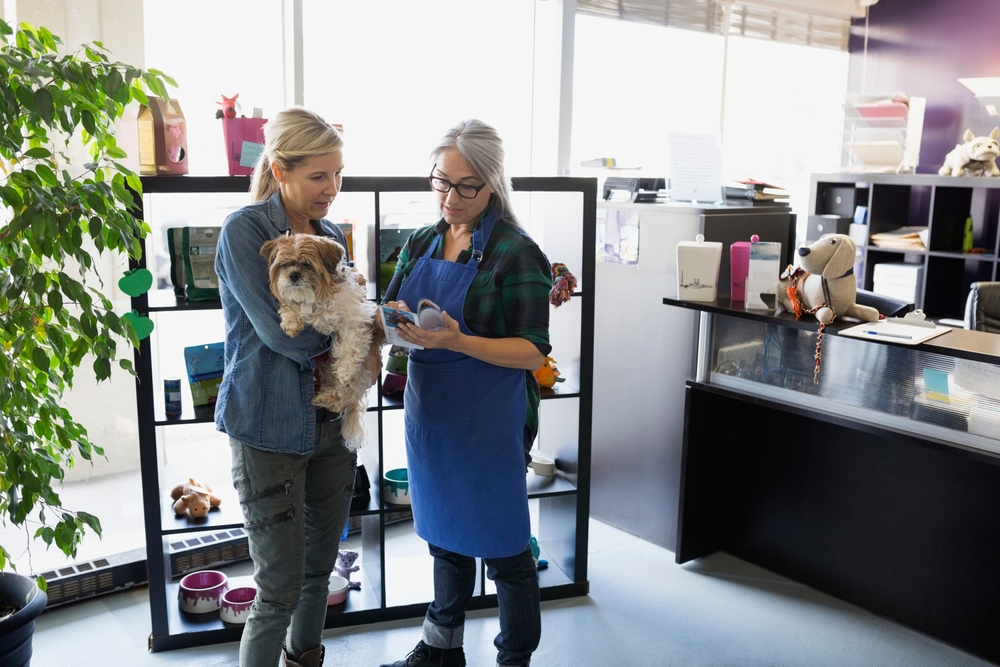
Canine behaviorists specialize in identifying and correcting problems. They can help with training and behavioral issues, and they can also help remedy separation anxiety. As with any of the methods above, this does take time, but a behaviorist can also help with any other issues you might be facing with your new pup.
15. Consider Supplements
Some products can help with separation anxiety. As well as treat-dispensing toys, you can also get anxiety vests and other anxiety clothing. Some supplements calm your dog, and anxiety medication can be prescribed by a vet, but this should be the last alternative when all other options have been exhausted.
Frequently Asked Questions
Why Are Adopted Dogs More Likely to Suffer from Separation Anxiety?
Some adopted dogs have had very difficult lives. They may have been abused physically or mentally, and this can affect nerves and anxiety. They may also be afraid that you leaving the house is an indication that they are being abandoned again or that they will face the same conditions they did when homeless or in a shelter.
Can a Vet Help with Separation Anxiety?
A vet can help with separation anxiety. Initially, they can rule out medical causes of certain problem behaviors and offer training tips and advice or recommend a professional trainer to work with. If all else fails, they might be able to prescribe anti-anxiety medications.
Conclusion
Separation anxiety is common in dogs, and especially common in rescue dogs with previous negative experiences. Signs include destructive behavior, pottying accidents, and overstimulation when you leave or return to the house.
Desensitizing and distracting your dog with treats and toys can help, but if the problem is severe, you may need to hire a dog walker or enlist the help of a friend or neighbor. Don’t be afraid to get your vet or a canine behaviorist involved as well to help identify the problem and rectify it.
- See also: How to Help Dogs Adapt to a Divorce
Featured Image Credit: sophiecat, Shutterstock
 The 15 Tips to Help Your Adopted Dog With Separation Anxiety