In this article
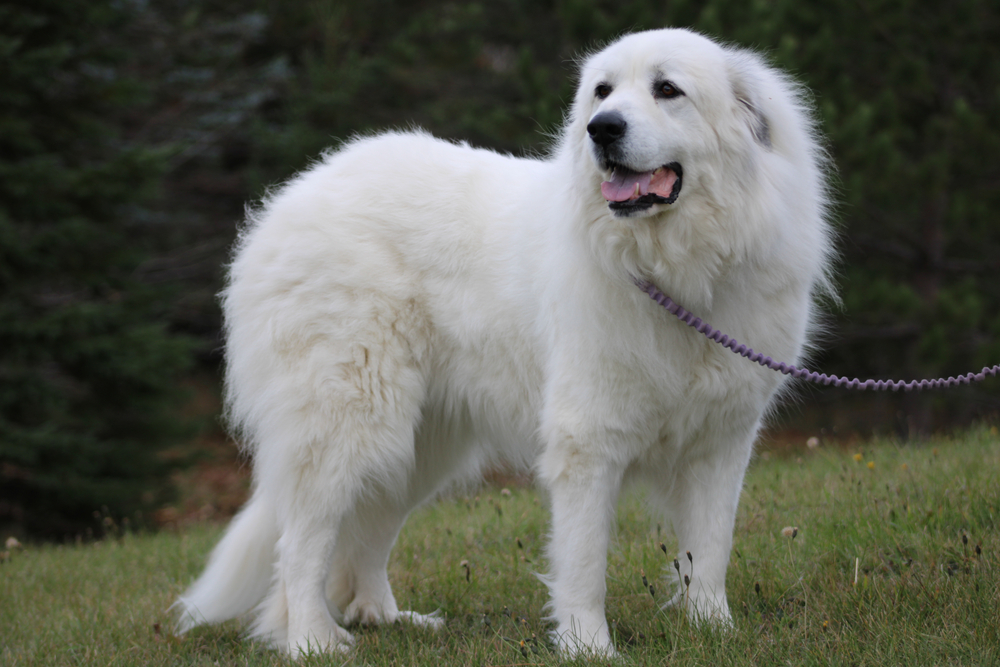
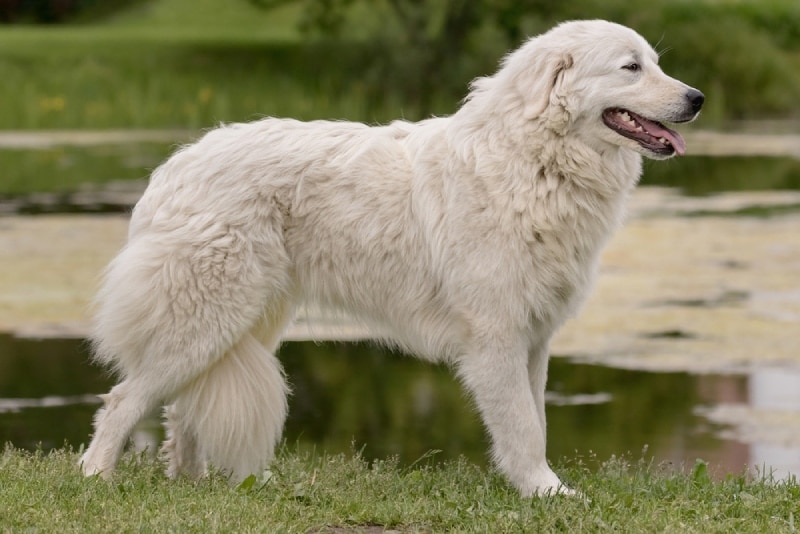
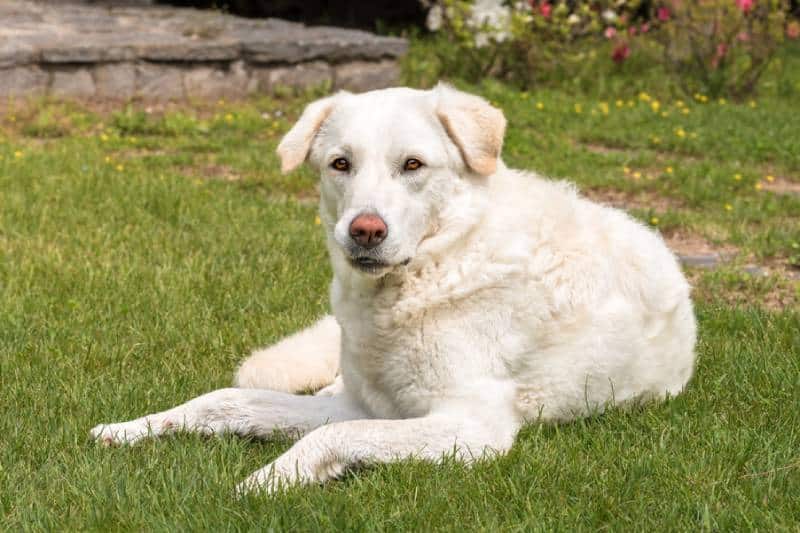
View 8 More +The Maremma Sheepdog is a large breed that has a thick, usually wavy white hair and sometimes, a few creamy/orangish patches throughout the coat. With a tapered muzzle and a big, broad head, this sheepdog is athletic, adventurous, and dependable. With a brave attitude and a protective nature, the Maremma can make a great watchdog in households of many varieties. The ideal owner lives rurally, where there is a large amount of land to explore and maybe even sheep to protect. However, this dog can get along in traditional household settings if properly trained, well-exercised, and thoroughly socialized. Here’s what you should know about this interesting breed.
Breed Overview
Height:
26 – 29 inches
Weight:
65 – 100 pounds
Lifespan:
11 – 12 years
Colors:
White, sometimes with creamy/orangish markings
Suitable for:
Farms, ranches, and homes with large, securely fenced properties
Temperament:
Intelligent, dependable, protective, brave, patient
The Maremma Sheepdog is a large mountain dog that was created to guard flocks of sheep, horses, goats, and even nomads from thieves and predators. They are believed to have descended from various ancient Asian dog breeds. Nomads traded their Maremma Sheepdogs for goods and other essentials as they traveled, eventually leaving several of their prized dogs behind in the Pyrenees Mountains. Here, the dogs were protected from genetic influences from other places and thus, their breed was established as a unique variety.
Maremma Sheepdog Characteristics

Maremma Sheepdog Puppies
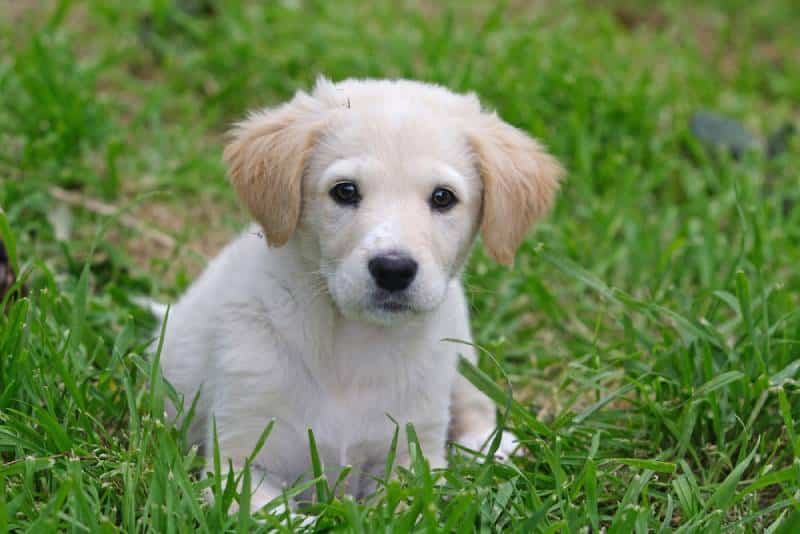
As puppies, they are gentle, curious, and great fun to be around. They don’t stay small for long, though, so treasure every moment with them as they grow. Puppyhood is the time to make obedience training and socialization a priority. Otherwise, these dogs can grow up to be destructive, uncontrollable, and aloof with strangers. These proud, protective dogs have a natural instinct to protect their pack members, which are those whom they live with. If they’re not taught how to properly direct their energy, their social behavior will be lacking.
Temperament & Intelligence of the Maremma Sheepdog 🧠
The Maremma Sheepdog is extremely smart and seems to understand that their duty is to be alert and protective. These dogs are loyal and dependable, spending as much time as possible by their companion’s side. This self-sufficient breed displays a powerful sense of agility and grace when they are on the move. With a strong sense of independence, the average Maremma is discerning when introduced to new social situations.
They learn quickly how to tell a friend from foe, often with stunning accuracy. However, without socialization and becoming too accustomed to the people who spend the most time around them, they can easily become overprotective and decide that staying home is the only way to go. This can make it extremely tough to have visitors or bring your pup along on camping trips and other adventures.
The good news is that these dogs typically do not engage in unprovoked aggression and are considered gentle giants by those who know them the most. As they age, they tend to become less worried and involved in interactions with strangers. So, the older they get, the less often owners will have to manage their protectiveness.
Are These Dogs Good for Families? 🏡
Most members of this dog breed can get along well in family environments, but not all. First, since this is a large, independent breed, owners should be experienced when it comes to training and social engagement. The size of this breed alone can be dangerous for children due to the risk of accidental injuries. That said, these loving dogs can bond with people of all ages in their household. A firm yet loving hand is necessary when acting as a part of their “pack,” and everyone in the household should take a “leader” position.
Does This Breed Get Along With Other Pets? 🐶 😽
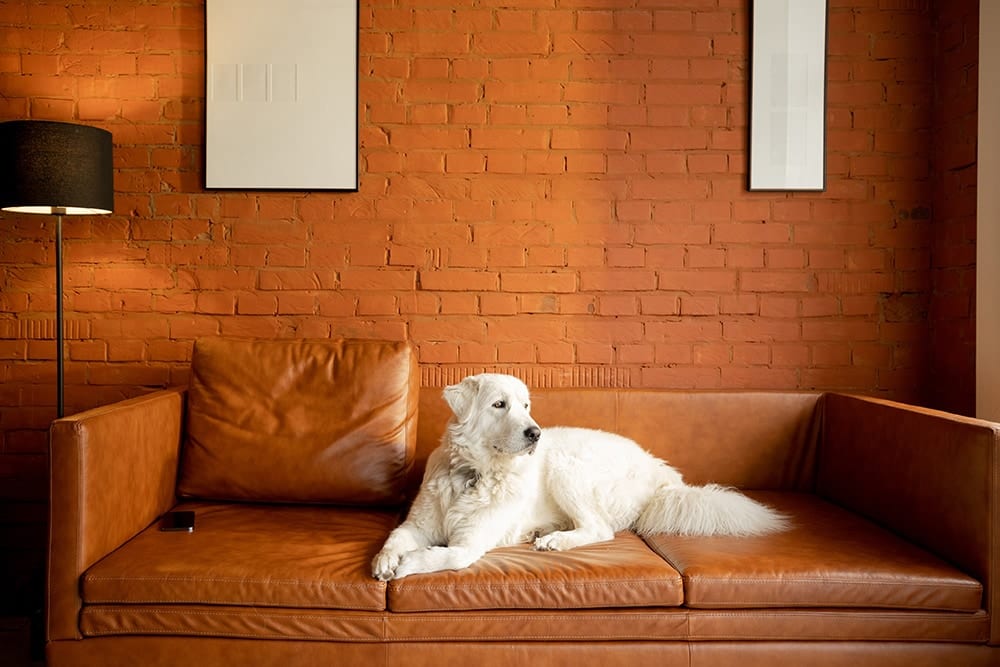
The Maremma breed can get along well with other pets in the household, but they need to learn how to do so through training and socialization. If they are introduced to the other pets in the house when they are first brought home as puppies, they will be used to having other animals around as part of their regular life. This should make it much easier to introduce new pets to the household later, when the dog is older.
Things to Know When Owning a Maremma Sheepdog
Food & Diet Requirements 🦴
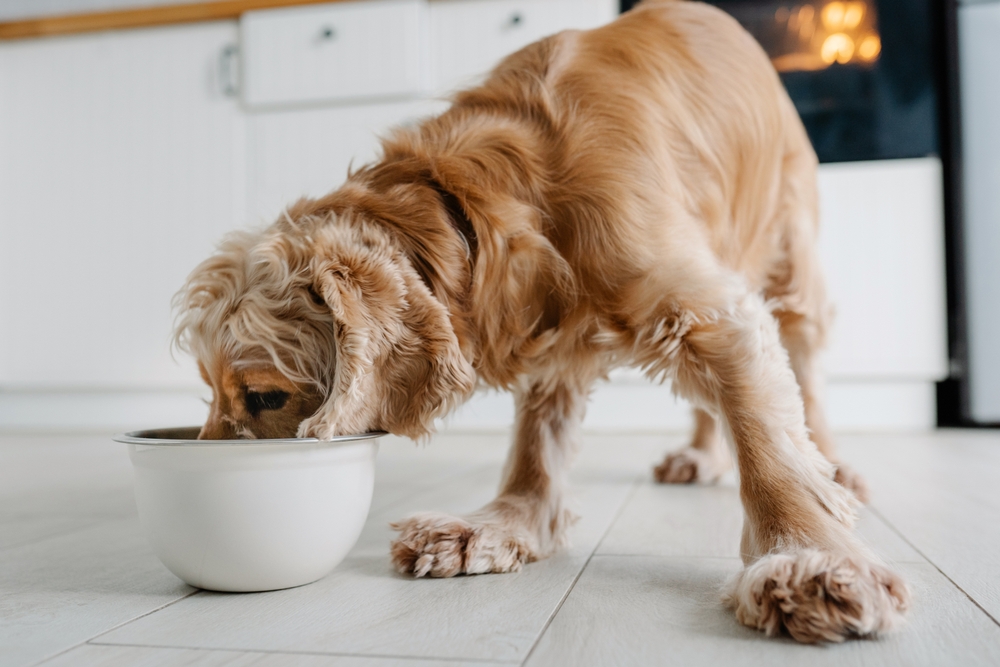
The large physique of the Maremma Sheepdog indicates the need for plenty of nutrients for them to stay happy and healthy. Choose a commercial dry food that is designed specifically for large breeds. The dry food will help keep their teeth clean, as wet food tends to get stuck and build up in teeth. Look for food brands that don’t include artificial colors or flavors, as these are nothing but fillers, and it’s not always clear what kinds of artificial ingredients are actually being used. Many Maremma dogs like to eat quickly, which can lead to serious problems, such as bloat. To minimize the risk of bloat and other digestive issues, a slow-feeder bowl can be utilized during mealtime.
Exercise 🐕
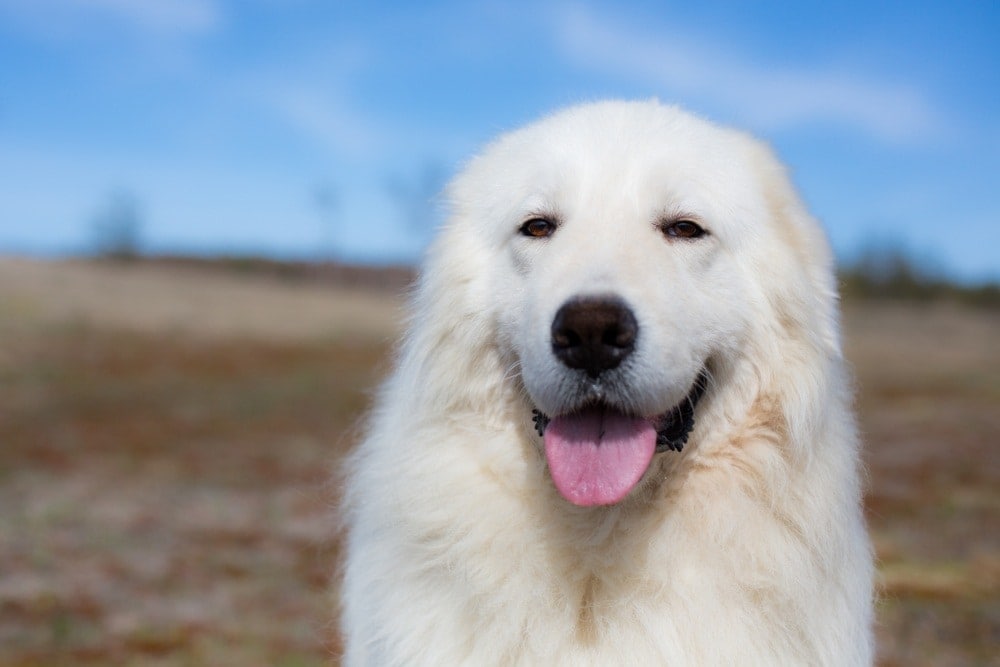
All dogs need regular exercise, and it is no different for the Maremma Sheepdog. This breed is active but not so much so that they must run and play all day. A daily 30-minute walk should be enough to keep a Maremma happy, especially if they can be outside in a fenced yard or on the farm to move around as they please for a few hours a day. When well socialized, these dogs love to do things like camping trips with their human companions.
Training 🦮
Training is essential when living with a Maremma Sheepdog. In fact, this is the most important factor when it comes to raising a well-rounded, well-behaved dog that is safe to be in social/public settings. Obedience training can and should begin by about 8 weeks of age. Patience and a firm yet loving hand are necessary for success. It’s a good idea to work with a professional trainer or invest in training guides to increase training effectiveness and efficiency overall.
Grooming ✂️
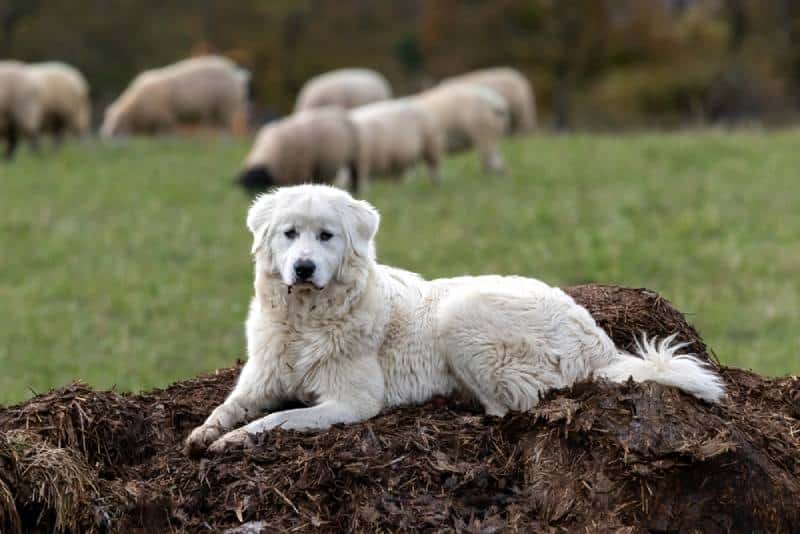
The Maremma Sheepdog has a dense, thick coat that requires regular brushing to keep shedding and matting in check. Thoroughly brushing or combing their coat daily is ideal. When dirt gets stuck in the coat, it can create mats, so monthly baths are ideal. Daily teeth brushing minimizes the risk of dental disease development. If this is not possible, daily dental chews can help make a positive impact on dental health. If their nails get so long and sharp that they catch on blankets and accidentally injure people, a quick trim with the help of a nail grinder machine will take care of the problem.
Health and Conditions ❤️
- Patellar luxation
- Hip and elbow dysplasia
- Entropion
- Distichiasis
- Gastric torsion
Male vs. Female
Male and female Maremma Sheepdogs are similar, as is the case for most dog breeds. There may be slight differences in terms of behavior and temperament, but not so much to rule out one sex in favor of another when choosing a lifelong companion. That said, females tend to be a bit more independent, while males seem to be slightly more protective.
3 Little-Known Facts About the Maremma Sheepdog
1. Maremma Sheepdogs Have Been Working for Centuries
The original Maremma Sheepdogs were bred to work all day, protecting their human companions and flocks of sheep and other animals. They enjoyed life on farms throughout the countryside of Italy, where they would work directly alongside the shepherds. They were serious barriers between the flocks and predators like wolves. They’ve been doing protective work for centuries and still do it today.
2. Maremma Sheepdogs Have Been Charged With Protecting Penguins
In 2006, a group of penguins on Middle Island were being relentlessly attacked by foxes, so the “Middle Island Project” was created to stop the steep decline in their population. This program enabled the training of Maremma Sheepdogs to live on Middle Island and protect the penguins. The first two Maremma dogs to work as penguin guardians on Middle Island were named Tula and Eudy.
3. Maremma Sheepdogs Cannot Help But Protect
Since they were bred to do so, protecting companions and other animals that are considered to be in danger is instinctual for Maremma Sheepdogs. They can’t help but protect those that they feel need protecting. It’s not something that you can train out of them, but you can help them properly direct this drive as necessary.

Final Thoughts
The Maremma Sheepdog is a special breed that does well at the things that they were designed to do. They are amazing guardians, they are ever so dependable, and their intelligence makes them a great all-around dog to spend time with. These dogs are not for everyone, but they are the perfect companions for those who like to spend time outdoors and are experienced with large, independent pups.
Featured Image Credit: Degtyaryov Andrey, Shutterstock