In this article
View 2 More +Dogs might be the most domesticated animals on Earth, but they are still deeply connected to their ancestral roots. It might not seem like it on the surface, but dogs display a host of behaviors that go back tens of thousands and even hundreds of thousands of years. These behaviors are ingrained in a dog’s DNA through generations of breeding, evolution, and adaptation. To better understand a dog’s ancestral instincts, we first have to understand the dog’s evolutionary path and their history with humans.
Here is a quick guide to help understand your dog’s ancestral instincts, including some examples of common behaviors with a very ancient tradition.

How Did Dogs Evolve?
Dogs evolved from wolves over 15,000 years ago during the last Ice Age. Today’s cuddly pet dogs are the species known as Canis familiaris. These dogs evolved from simple gray wolves (Canis lupus) and were subsequently domesticated by humans.
There is much debate about the DNA record of the modern dog. Some studies suggest that dogs evolved twice. One population evolved from European wolves, and another population evolved from Asian wolves and eventually mingled. Another more recent study suggests that dogs evolved from wolves just one time before splitting into various different populations in the Eastern and Western parts of the planet. In both cases, the result was the same. A new population of dogs (Canis familiaris) emerged from the old population of wolves and started living with and around humans.
Dogs began to evolve when wolves started tailing ancient human hunters. These wolves found a benefit in feeding off the scraps left by adept hunters. Over time, these tailing wolves and dogs began to co-evolve with humans. Dogs today have developed some traits that are specifically appealing to their human masters.

When Were Dogs Domesticated?
Dogs were the first animals definitively domesticated by humans. Dogs likely made great hunting companions and guard animals during a fraught and dangerous time.
Dogs were domesticated thousands of years before other animals, so it is no wonder that man and mutt have such a strong and special relationship. Despite the long period of living together in harmony, dogs still retain some of their ancient ancestral instincts. Many canine behaviors observed today are remnants of old behaviors that were passed down from dogs’ ancient ancestors.
Below are five examples of ancient ancestral instinctual behavior you can observe in dogs today.

The 5 Examples of Ancestral Instinct Behavior
1. Spinning Before Lying Down
Dogs like to spin in circles before lying down. This has very little to do with getting comfortable and has a lot to do with a dog’s natural instincts. Before dogs were lying in specially designed Tempur Pedic dog beds, they were bedding down on the hard ground. Spinning around allowed dogs to clear an area, kick away sticks, dirt, and bugs, and flatten an area to lie down. It was more about making a space safe and habitable than it was about getting comfy.

2. Curling Up into a Ball to Sleep
Some dogs like to curl up into a small and adorable ball when they sleep. This behavior had two purposes in the wild. First, it protects a dog’s internal organs from danger. If you observe your dog curled up in a tight ball, you will notice that the spine is facing outwards, and the skull and paws are curled inwards towards the belly. This would prevent the dog from sustaining massive injuries if it happened to be attacked while sleeping.
Curling up into a ball also makes a dog smaller and harder to see so they can feel safer while they sleep. This behavior stems from an ancient desire to remain safe while in the most vulnerable position imaginable – sleeping out in the wild.
3. Digging and Burying
A dog’s digging can be frustrating and destructive, but this is an instinct that stretches back to their wolf ancestors. Dogs would bury valuable pieces of carrion, bones, and meat to keep them away from other dogs and scavengers. When a dog was full, it would dig a hole and bury its treasures so that it could return and retrieve them at a later date. This prevented some things from going to waste and kept their favorite things away from other nosey animals. Today, pet dogs will sometimes bury bones and toys in the yard, which shows that they value those things. It also reminds us of a dog’s ancient instincts.

4. Rolling in Smelly Things
Some dogs have a truly nasty habit of rolling around in foul smelling things. Dogs like to roll in everything from animal poop to mud and even garbage. Dogs get on their back and roll around like crazy, getting themselves covered in the yuck. This is an instinct that helps dogs mask their scent.
When a dog is hunting or scavenging, it is beneficial if they smell like dung rather than a hungry dog. Animals can smell a dog coming, and if they catch a whiff of a dog on the prowl, they are likely to dart in the opposite direction. Being covered in a masking smell allows dogs to sneak up on prey and mosey on another dog’s territory without alerting them to the threat by their natural odor.
5. Tail Wagging
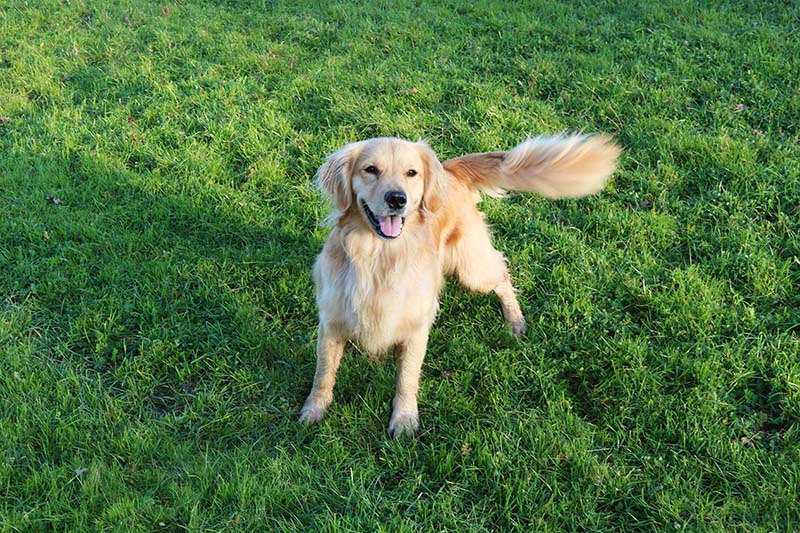
Lastly, one of a dog’s most noticeable behaviors is another ancient one. Tail wagging is a way for dogs to communicate with one another. A dog’s wag can convey whether they are happy, wary, or scared. A happy dog supposedly wags their tail to the right. An uneasy dog will wag their tail to the left. A scared dog will stick its tail between its legs. These are all ways to show other dogs their current emotion and disposition.
Dogs in the wild that spotted other dogs happily wagging their tails would be fine around one another. Dogs with their tails between their legs showed submissive behavior to a larger or more dominant dog. This prevented dog fights and allowed dogs to go their separate ways without too much fuss.

Conclusion
Dogs evolved from wolves thousands of years ago before becoming domesticated by people. This long process of evolution, domestication, and co-evolution with people created a new species that has some very unique behaviors that stretch back into the distant past. Many dogs’ behaviors that we see today are directly linked to old instincts they inherited from their very distant ancestors. Ancestors that lived outside fought to survive and had to deal with far more threats and dangers than modern dogs have to.
Featured Image Credit: Hollysdogs, Shutterstock