Like humans, dogs can get stressed out, which can lead to changes in behavior and other problems. If you think that your pet is suffering from anxiety, you’ll need to try and determine the cause so you can mitigate or even eliminate it. Here, we look into the common causes of stress for dogs, the signs that your pet is stressed, and what you can do to help your pup feel more comfortable.

What Is Stress in Dogs?
Stress is a response in the nervous system to pressure or threats in the environment that prepares the dog for a fight or flight reaction to help them cope with any perceived danger. High levels of stress in the longer term can lead to several problems, including behavioral changes, alterations in eating habits, digestive upset and even a weakened immune system, potentially making existing issues worse.

What Are the Signs of Stress in Dogs?
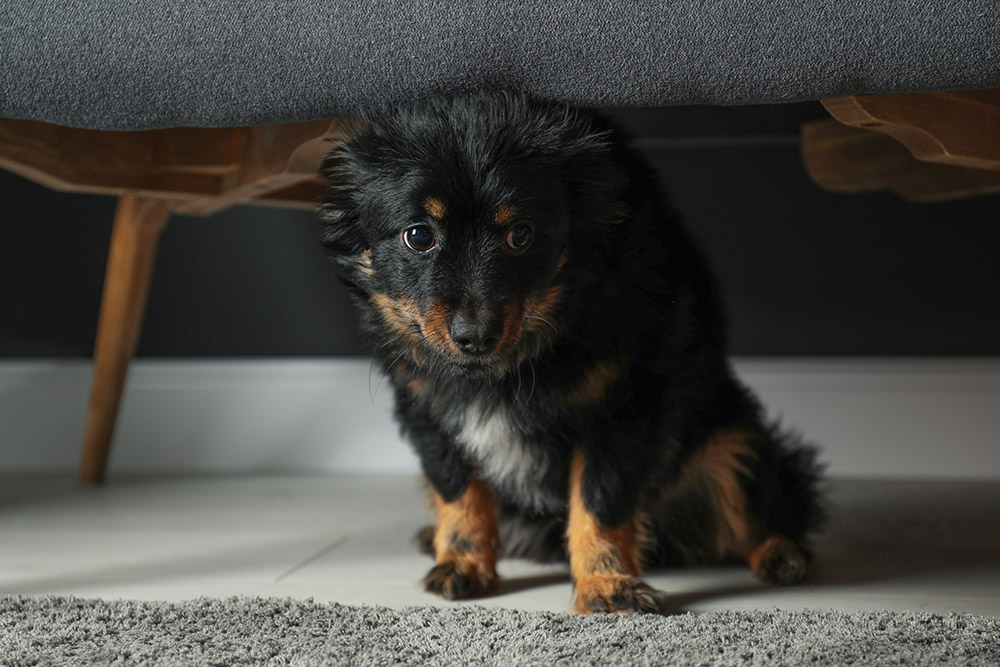
The signs that your dog is stressed can vary. Here are some of the signs to be on the lookout for:
Body Language
- Changes in body language like pacing, trembling, excessive yawning, drooling, or licking their lips more frequently
- May freeze in place if there is a sudden trigger
Change in Personality
- Often refusing to interact with other people or animals
- Conversely, some dogs become more clingy
- May become more vocal and more aggressive
Health Issues
- Loss of appetite or occasionally an increase in eating
- May suffer from gastrointestinal issues like diarrhea
- More frequent shedding and excessive licking

What Are the Causes of Stress in Dogs?
There are several causes of stress in dogs; some of them seem quite obviously stressful, and other situations might not. For example, loud and chaotic surroundings can obviously cause stress in most dogs; however, lack of mental stimulation can also be a cause. Let’s have a look at some more obvious and less obvious causes of stress:
Obvious Stressful Situations
- Fireworks, thunderstorms, garbage trucks, and other loud noises
- Crowded places, chaotic environments, or being in a situation where a dog feels trapped
- Pain or illness
Less Obvious Stressful Situations
- Being left alone for extended periods can lead to stress, especially for dogs that are not used to being by themselves
- Moving to a new home or bringing in a new pet
- A lack of a consistent routine
- Not enough physical and mental exercise
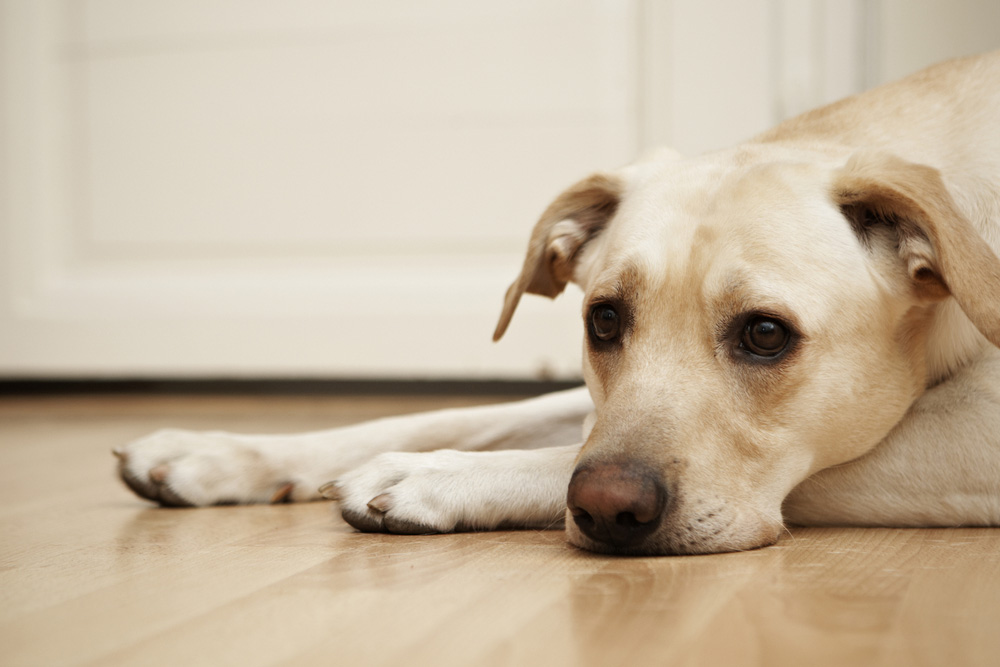
How Do I Care for a Dog With Stress?
The first step in caring for a stressed dog is to identify what is causing the stress, which can be a new pet, loud noises, a change in living arrangements, etc. Take note of the stress levels of other people in the home. If you or a family member are struggling during a tough time, the anxiety that you feel can transfer to your dog. In many cases, making ourselves feel better will help our pets do the same.
Provide a quiet, safe place that your dog can retreat to when they need to, away from noise if possible. Many dogs enjoy retreating to a crate, as the close, familiar quarters can help them feel more secure. Try to keep a consistent schedule for feeding, walks, and playtime, to help your pet get into a routine that they can feel comfortable with.
Regular physical exercise and mental stimulation can help reduce stress. Long walks, training sessions, and games of fetch can help your pet burn off excess energy, which can help eliminate boredom and might even help with separation anxiety.
Early socialization as a puppy, including plenty of positive experiences with other people and animals and visiting new places, can help them feel more comfortable around those things as adults. Training sessions can help provide mental stimulation for your pet so they are less likely to become bored, and it can help your pet feel more confident in stressful situations. Give your dog plenty of affection and reassurance, but try not to make a big fuss about it, as it might make them even more anxious.
If your dog’s stress signs persist or if you’re unable to identify or remove the cause, consulting a veterinarian or an animal behaviorist can be a great way to get help that’s specific to your pet. Behavioral modification programs for dogs usually use a combination of desensitization and counterconditioning. Desensitization exposes your dog to the trigger at a very low level and gradually increases the intensity. Counterconditioning pairs the trigger with something pleasurable, such as a treat or toy, to change the way the dog feels about it.
If you are concerned about your dogs behavior, we suggest you speak with a vet.
If you need to speak with a vet but can't get to one, head over to PangoVet. It's our online service where you can talk to a vet online and get the advice you need for your pet — all at an affordable price!


Frequently Asked Questions (FAQ)
How Can I Help My Dog Relax?
Serve them healthy meals, give them plenty of exercise, do consistent training, avoid stressful situations if possible, and manage your own stress levels to help reduce your pet’s stress level. Several products can also help, including pheromones, thunder jackets, and calming supplements. Speak to your vet for advice and support; they may refer you to a behaviorist.
Can Stress Affect a Dog’s Health in the Long Term?
Unfortunately, chronic stress can lead to several health issues, including digestive problems and behavioral changes that can get progressively worse over time.
Do Certain Breeds Experience More Stress?
Yes, certain breeds may be more prone to stress due to genetics and specific breed traits. For example, Border Collies are highly intelligent and energetic and can become anxious if they do not have enough physical and mental exercise. German Shepherds and Jack Russell Terriers can be more prone to suffering from stress for similar reasons. Some breeds of dogs do not like to spend time alone and may be more likely to suffer from separation anxiety, including Vizslas, Toy Poodles, and Bichon Frise. However, a dog’s individual personality and living environment will play a much bigger role in the amount of stress that your pet experiences.
Conclusion
Stress can lead to behavioral and health problems for your dog, and it can degrade their quality of life. Signs can vary depending on the cause but may include changes in body language, hiding or avoiding interactions, pacing and panting, and even becoming more vocal and aggressive. If you notice these problems, ideally locate the source of the anxiety and try to eliminate it if possible or work on methods to help them cope. Plenty of physical and mental stimulation, as well as giving them a safe place to relax, can all help in the general reduction of stress.
Common stressors for dogs include moving to a new location, bringing a new pet home, and being near loud noises, which can include thunder and fireworks. If you are struggling to help reduce the amount of anxiety that your pet is experiencing, contacting your vet or an animal behaviorist is a good idea.
Featured Image Credit: New Africa, Shutterstock