In this article
If you have a dog, you know how nice it is to have it trained to go outside as needed. Housebreaking is a much-appreciated learned skill, and while you would much prefer to have your dog urinate outside, your dog can still wreak havoc on your lawn and garden. Dog urine has high concentrations of nitrogen and other salts, which can burn plant roots and may create an unfavorable environment for plants to grow.
Fortunately, there are numerous plants that are resistant to dog urine. You can plant these in your garden and train your dog to use them as pee areas instead of fighting to keep your more fragile plants alive. Check out these nine dog pee-resistant plants to add to your garden.

The 9 Dog Urine Resistant Plants
1. Bear’s Breeches
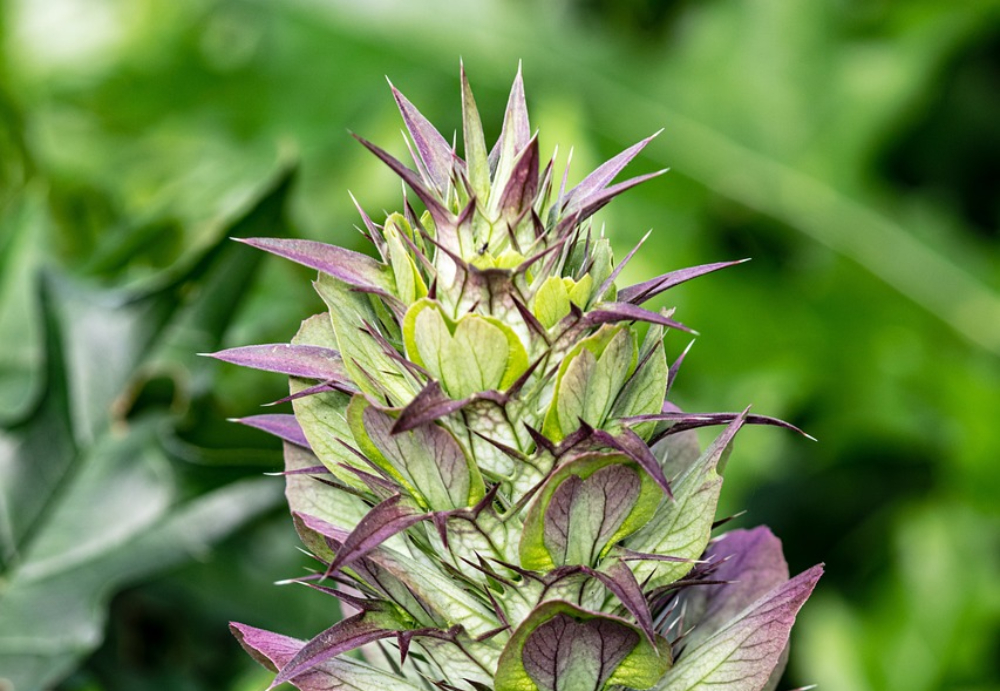
| Species | Acanthus mollis |
| Sun | Full sun/partial shade |
| Placement | Large yards |
Native to the Mediterranean, Bear’s Breeches are a plant characterized by shiny leaves and tall, spiked flowers. It’s a striking perennial plant that can withstand the effects of dog urine, though it needs plenty of space to spread. Of the 30 species of Bear’s Breeches, only a few are considered appropriate for gardens. These plants enjoy compost and full sun to partial shade.
- Beautiful flowers
- Spreads over wide areas
- Urine-resistant
- Not suitable for small gardens
2. Japanese Holly Fern
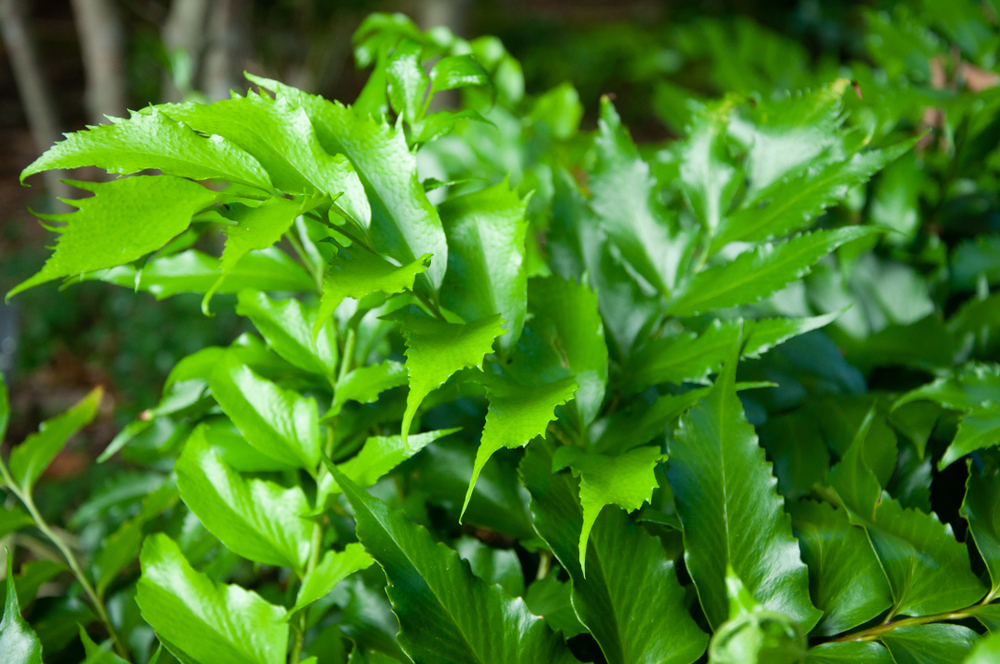
| Species | Cyrtomium falcatum |
| Sun | Shade-tolerant |
| Placement | Large or small yards, indoors |
The Japanese holly fern is a common species of fern that’s native to Eastern Asia. In nature, it’s found growing along coastal cliffs, rocky slopes, stream banks, and other moist areas, though it thrives in shady areas of a garden. The leaves are striking and have serrated edges, making this plant a good choice as filler between other plants. Because it grows in moist areas, this plant requires 50 percent humidity or greater.
- Shade-tolerant
- Striking leaves
- Good filler plant
- Not suitable for dry climates
3. Japanese Snowball
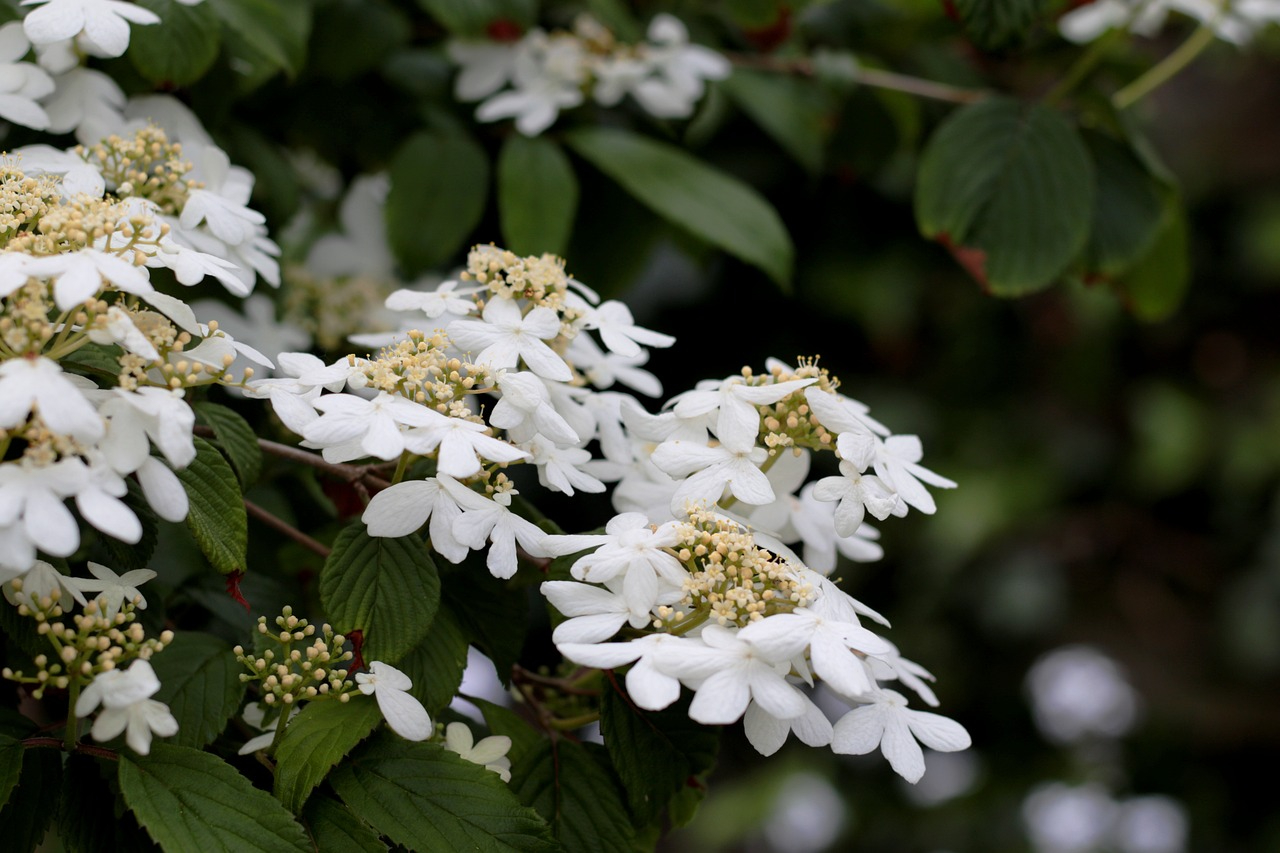
| Species | Viburnum plicatum |
| Sun | Full sun/partial shade |
| Placement | Large gardens |
The Japanese Snowball is a flowering plant that’s native to China, Korea, Taiwan, and Japan. The leaves are textured and pleated, lending its name in Latin. In spring, the plant flowers with white blooms. These plants are easy to grow and withstand dog urine well, but they do grow to be 8–16 feet. They also need to be pruned regularly and require well-draining soil.
- Beautiful white blooms
- Tall
- Hardy and easy to grow
- Not suitable for small gardens
- Requires pruning
- Requires well-draining soil
4. Mexican Sage
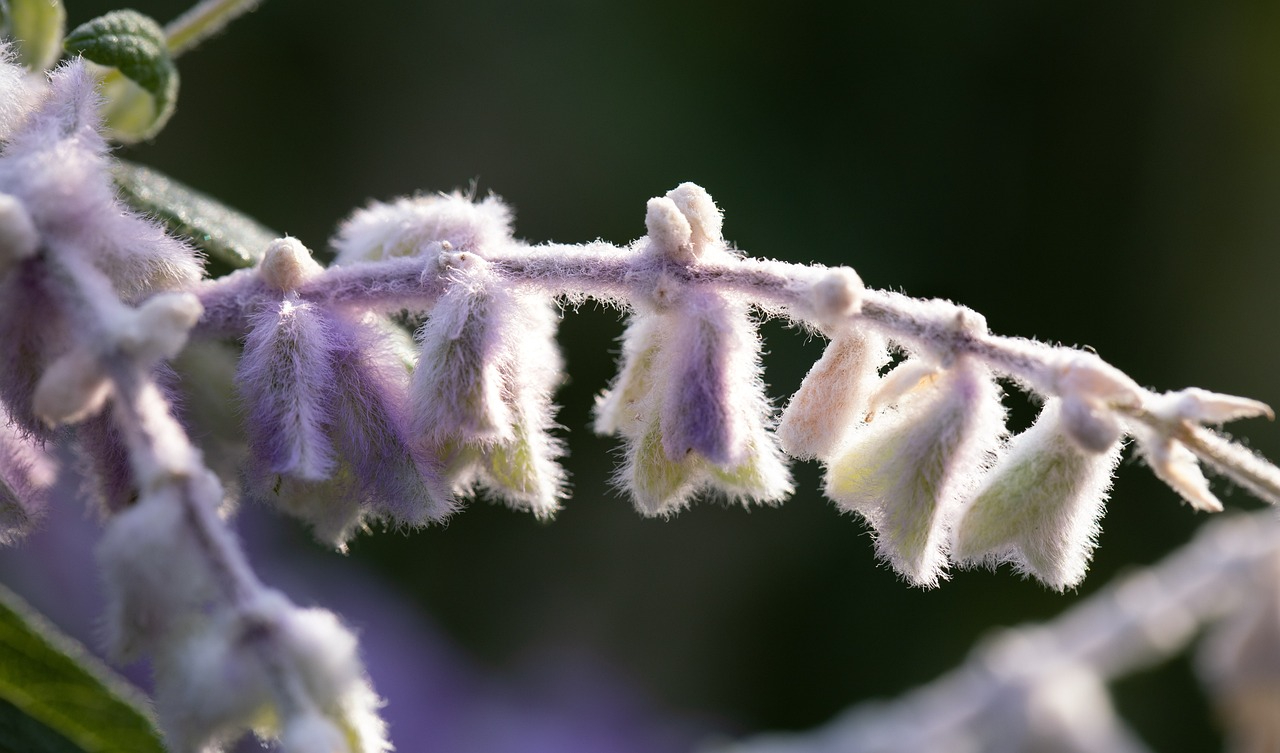
| Species | Salvia leucantha |
| Sun | Full sun/partial shade |
| Placement | Large gardens |
Mexican Sage, or Salvia leucantha, is popular for its velvety, brightly colored flowers. The shrub can grow 4–6 feet and spreads wide, making it a good choice for larger gardens. This plant prefers moist, well-draining soil, but it can thrive in both gardens and pots. Full sun brings out the beauty of the plant’s flowers, but it can thrive in partial shade.
- Stunning flowers
- Tall and wide
- Full or partial shade
- Requires moist, well-draining soil
5. Rose
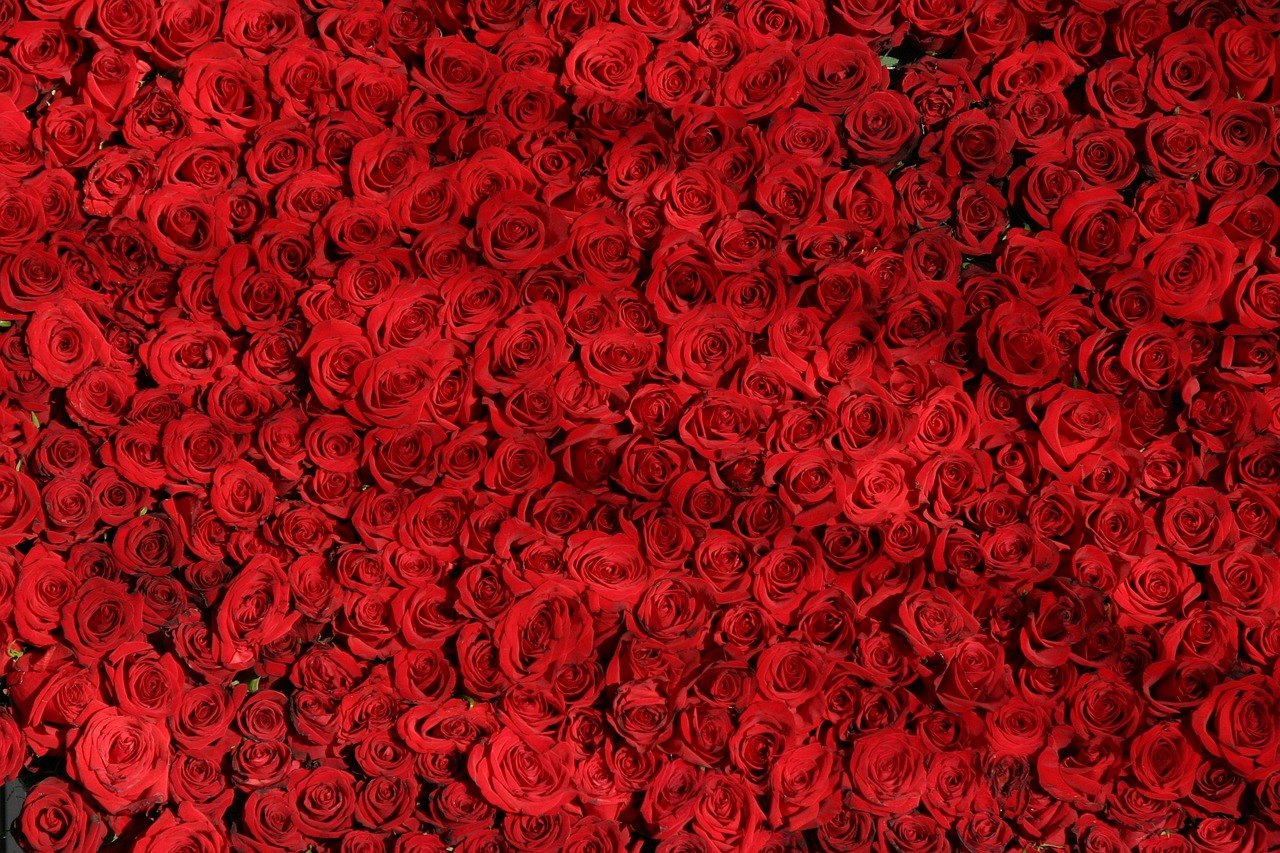
| Species | Rosa |
| Sun | Full sun |
| Placement | Large or small gardens |
Roses make a beautiful addition to your garden, and fortunately, they’re big consumers of nitrogen and resistant to the effects of dog urine. There are over 300 species of roses, so you have plenty to choose from. Rose plants may be climbing, trailing, or in the form of shrubs, making them a versatile choice for most gardens. Roses thrive in direct sunlight, but they can perform well in partial shade and the right climate. The only con to planting roses in yards with dogs is the thorns.
- Beautiful flowers in a range of colors
- Versatile growth patterns
- Over 300 species to choose from
- Thorns
6. Carpet Bugleweed
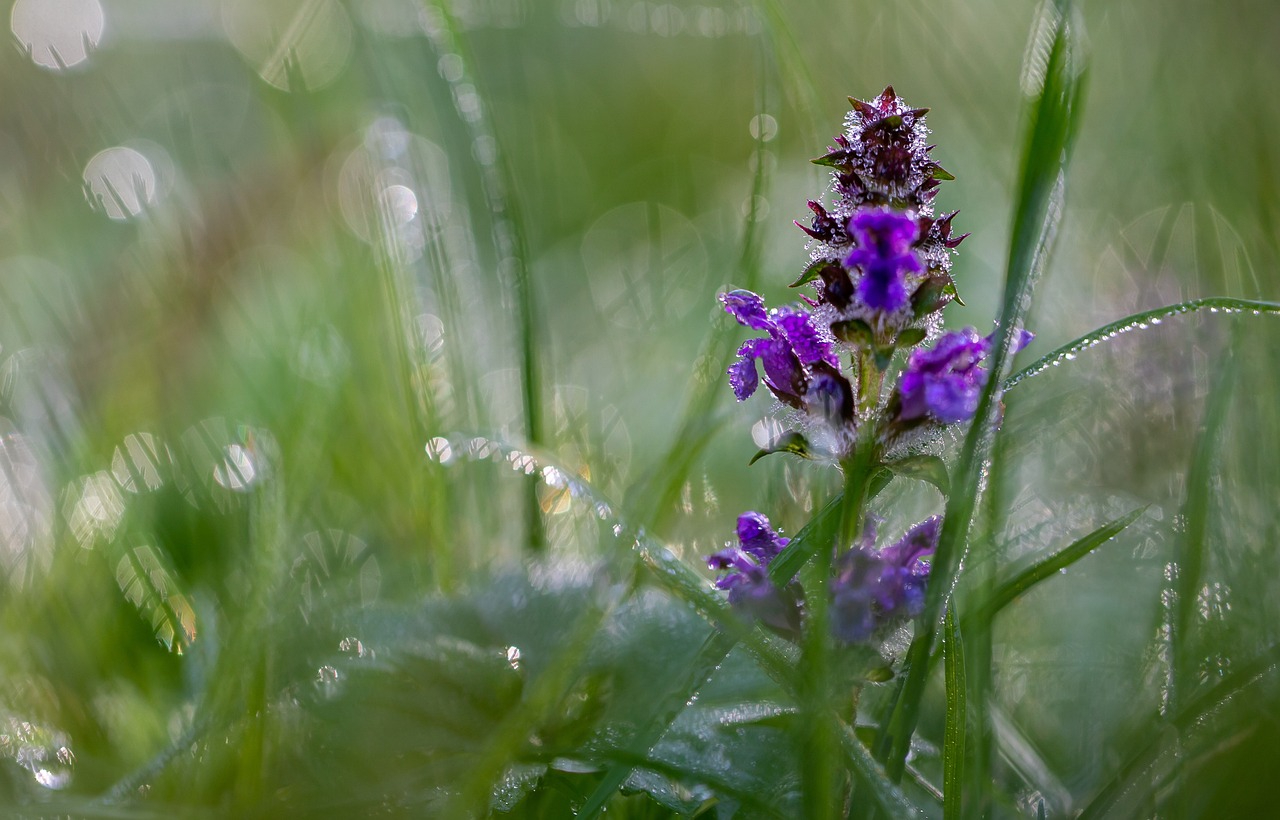
| Species | Ajuga reptans |
| Sun | Full shade/partial sunlight |
| Placement | All locations |
Carpet bugleweed is a creeping evergreen plant that’s often used to fill in empty areas of a garden or to protect more fragile plants from dog urine. The flowers are bluish violet, which not only creates a beautiful look, but tends to attract pollinators. This plant thrives in shady environments but can tolerate some sunlight. Keep in mind that carpet bugleweed is invasive in North America, however, so be mindful of where and how much you plant.
- Attractive flowers
- Ground cover
- Shade to partial sunlight
- Invasive in some areas
7. Silver Carpet
| Species | Dymondia margaretae |
| Sun | Full sun |
| Placement | Large and small gardens and walkway areas |
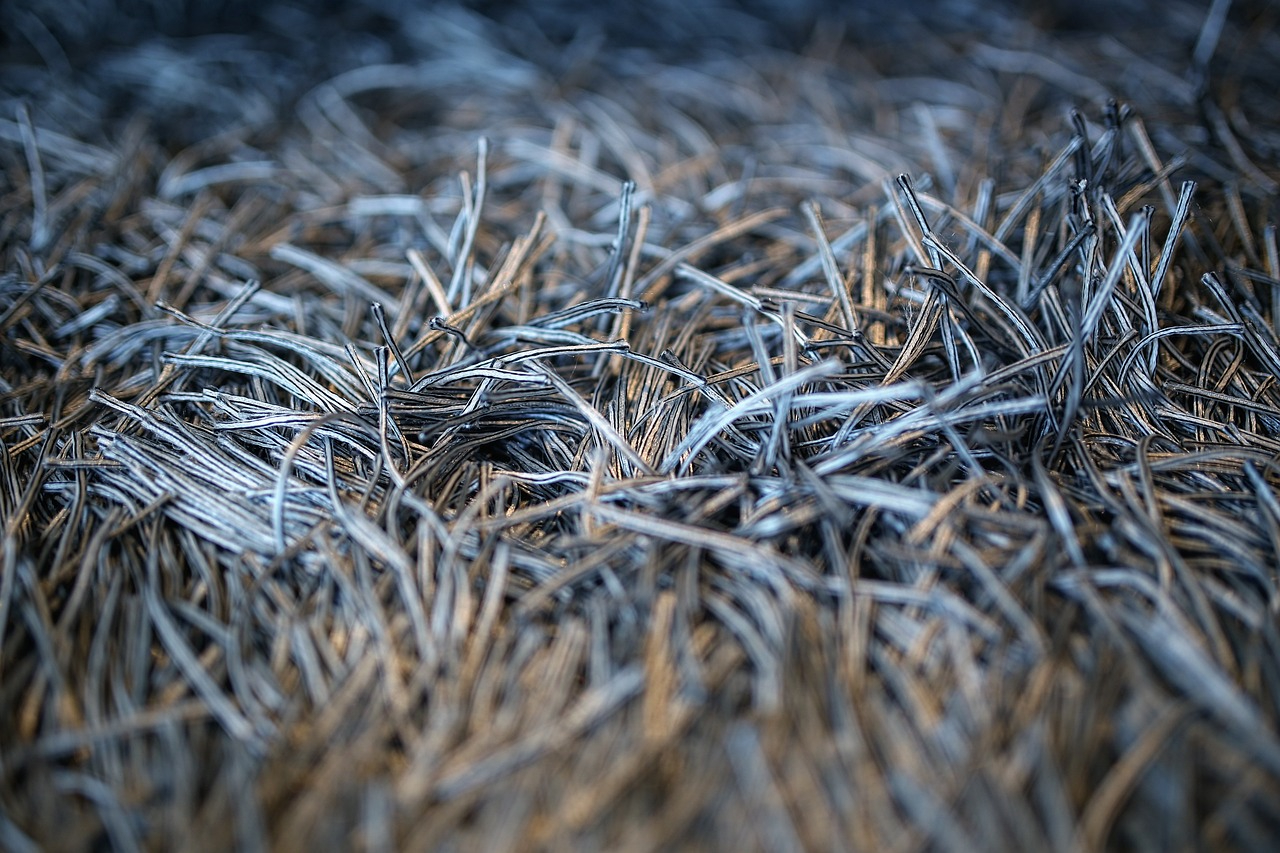
Silver carpet is named for its silvery green leaves that slowly spread over the ground. It’s native to the coastal plains of South Africa and can withstand foot traffic, making it ideal for garden walkways and yard paths. This ground cover should be grown in areas with full sun and well-draining soil, though it can thrive in poor, rocky soil. As the silver carpet spreads, it will force out weeds.
- Attractive leaves
- Outperforms weeds
- Tolerant to foot traffic
- Adaptable to poor, rocky soil
- Requires full sun
8. Burkwood Osmanthus
| Species | Osmanthus burkwoodii |
| Sun | Full sun/partial shade |
| Placement | Large and small gardens |
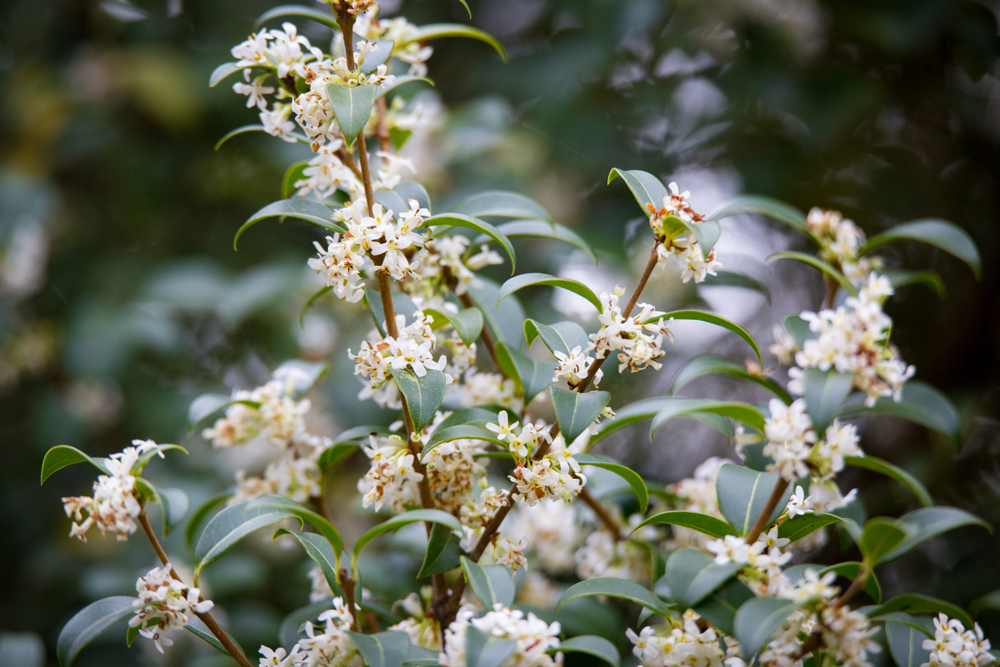
Burkwood osmanthus is a hardy evergreen shrub that can be nurtured to grow into a tree. The plant has bushy, broad leaves and yellow or white flowers that make a nice filler for a garden. This is one of the hardiest plants on the list and can withstand dog urine, and it thrives in full sun or partial shade.
- Beautiful flowers
- Hardy
- Evergreen
- Inconspicuous flowers
9. Japanese Spindle Tree
| Species | Euonymus japonicus |
| Sun | Full sun |
| Placement | Large and small gardens |
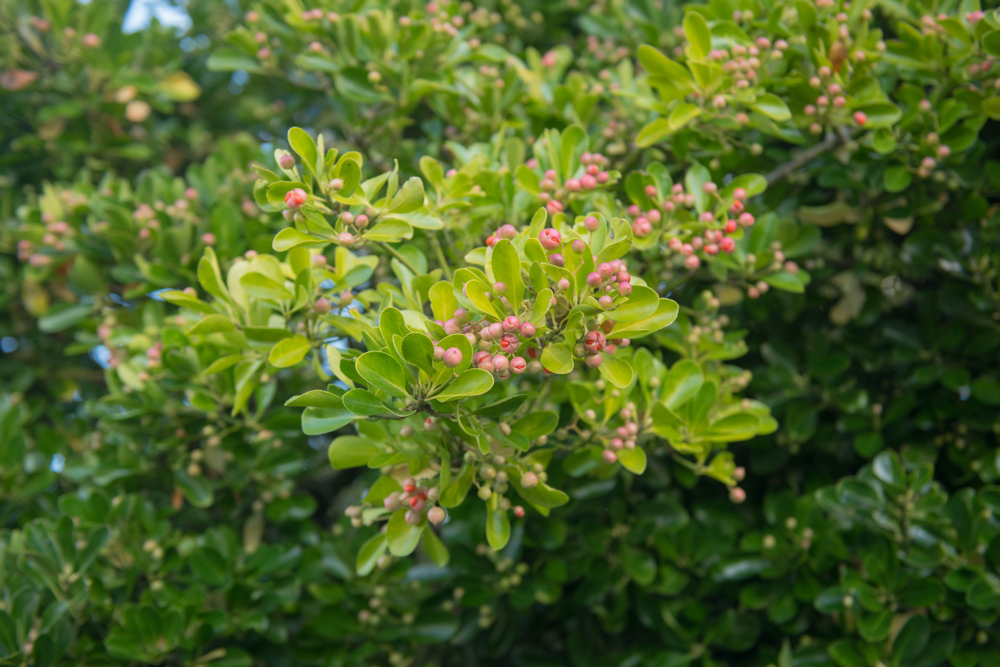
The Japanese spindle tree is an evergreen shrub or small tree that’s native to Japan, Korea, and China. The leaves are striking and have fine serrations, while the flowers are small and greenish white. Though inconspicuous, the flowers on the shrub can add some aesthetic appeal to your garden. Left to grow, the tree can reach 10–15 feet. Urine doesn’t penetrate the hard leaves of the Japanese spindle tree as easily as other plants. This plant does best in direct sunlight, however, and requires pruning.
- Beautiful leaves and flowers
- Can grow into a tree
- Hardy
- Requires full sun
- Requires pruning

How to Create a Dog-Friendly Garden
Dog pee-resistant plants are heavier consumers of nitrogen than other plants, which makes them ideal for households with dogs. These plants can be combined with other plants to help more fragile species withstand the effects of dog urine.
If your dog keeps killing your prized plants in your yard and you don’t want to plant only dog pee-resistant plants, you can create designated areas for your dog. Plant only urine-resistant plants in specific areas and train your dog to go there or use urine-resistant carpet plants to fill in areas between more treasured plants.
You could also create an area with turf, sand, or gravel that is your dog’s designated outdoor toilet, keeping urine away from your yard plants. Another option is to build raised flower beds to protect your plants since most dogs prefer areas with easy access.
However, you choose to address dog urine concerns in your yard or garden, make sure that the plants you use are safe for dogs. Some plants are toxic to dogs, including lily of the valley, daffodils, asparagus fern, aloe vera, and chrysanthemums.
You may also be interested in:
- Plants That Are Toxic to Dogs: 19 Vet-Verified Ones to Avoid
- 21 Vet-Verified Plants That Are Safe for Dogs: Pictures & Info
Final Thoughts
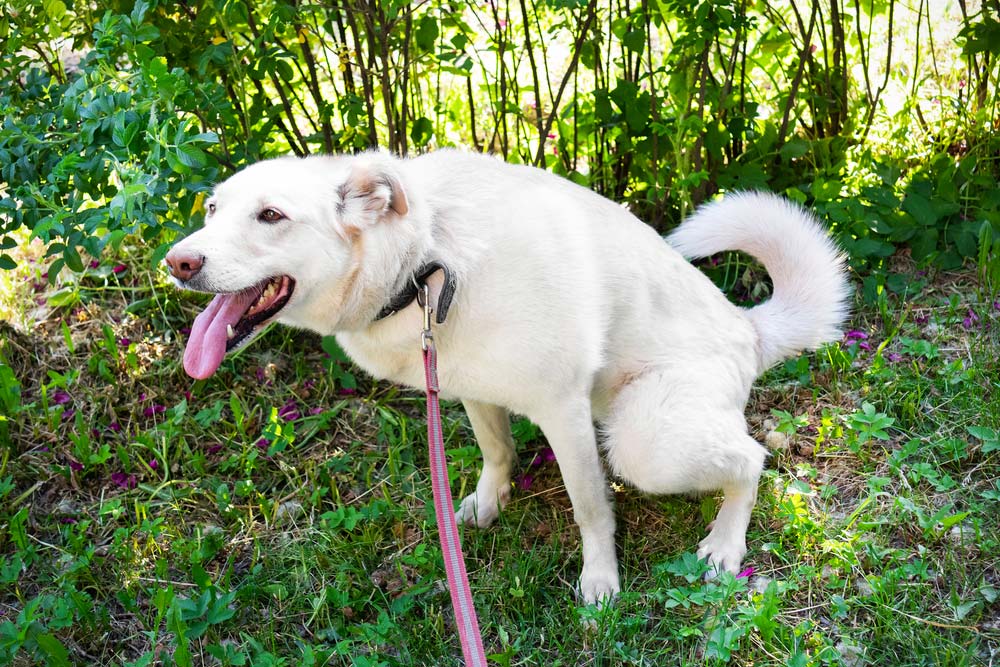
Having a dog means making some concessions, but your garden doesn’t have to be one of them. If you’re dealing with unsightly yellow marks or dead plants in your garden from dog pee, you can use dog pee-resistant plants to give your dog a place to pee and protect your valued plants from the damage of nitrogen-rich urine.
Featured Image Credit: Kobus-van-Leer, Pixabay