

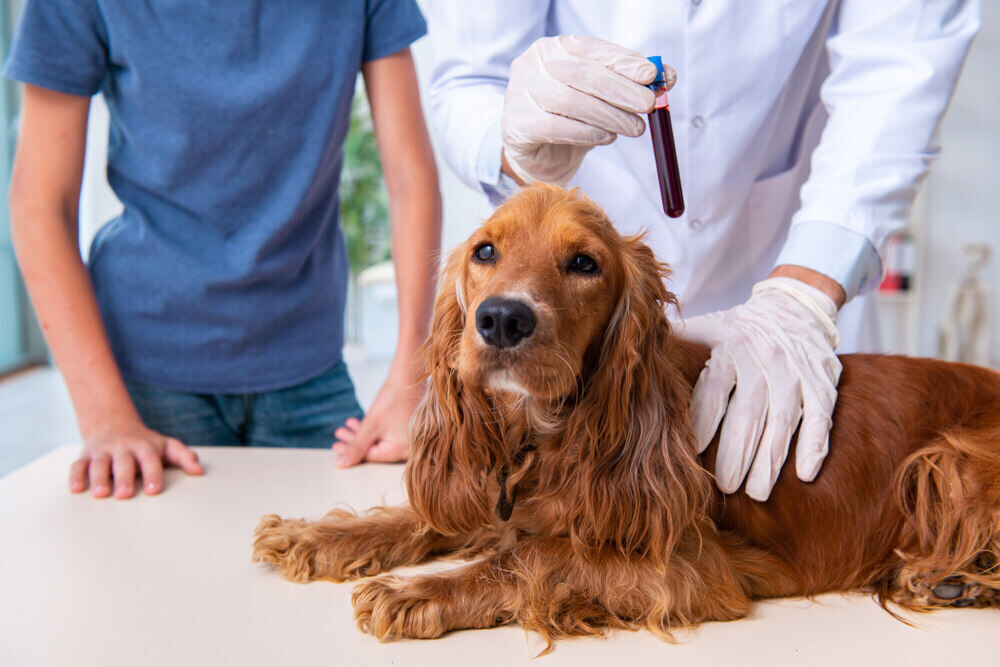
When you hear the phrase immune-mediated hemolytic anemia or even just the acronym, IMHA, it can make your head spin a bit, especially if you don’t know what any of the words mean. We’re here to explain what this health condition is, what it can look like in your canine companion, and what you and your vet can do about it.

What Is IMHA in Dogs?
Let’s break it down word by word: Immune-mediated means something is controlled by the immune system, hemolytic means the destruction of red blood cells, and anemia means having fewer than normal red blood cells, or hemoglobin, in the system. So, put all together, IMHA is the destruction of red blood cells by the immune system that leads to a deficiency in red blood cell numbers, or the amount of hemoglobin in the blood.
IMHA is one of the more common reasons that dogs become anemic. It can happen as a primary disease, in which the immune system starts destroying red blood cells on its own, or it can occur as a secondary issue, in which an underlying condition tells the immune system to start destroying red blood cells.
Either occurrence is a problem because every cell in the body relies on red blood cells and the oxygen that they carry in order to function. When their numbers are reduced, so is the amount of oxygen that can be delivered around the body, leading to all kinds of issues.
What Are the Signs of IMHA in Dogs?
If a dog’s body is lacking in red blood cells, it can potentially affect every part of it. What you may see is a severe lack of energy, or lethargy. Your pup will tire easily or not want to exercise in the first place. They will also likely not want to eat and may even appear disoriented. As a way to compensate for reduced oxygen to the brain, a dog’s heart rate may increase, something that you likely won’t notice, but you may be aware of an increase in their breathing.
Also, your dog’s gums may be pale instead of a normal healthy pink color. Their urine may be darker due to increased amounts of bilirubin, a byproduct of red blood cell destruction. If severe enough, bilirubin can also color the skin, gums, tongue, and whites of the eyes yellow.
If your dog is showing any of these signs and seeking the best possible treatment for your pup, we recommend speaking with a vet.
If you need to speak with a vet but can't get to one, head over to PangoVet. It's our online service where you can talk to a vet online and get the advice you need for your pet — all at an affordable price!

What Causes IMHA in Dogs?
There are many reasons that the immune system might turn on its own body. The immune system is the surveillance and executioner of anything that could harm the body. It’s made up of various cells that are capable of identifying these bad things and then making specialized cells to kill them. The specialized cells are called antibodies. They look for specific markers on things like bacteria, viruses, or even body cells that tell them how to attack.

Primary IMHA
In the case of primary IMHA, the body starts to produce antibiotics for its own red blood cells for unknown reasons. This is the most common type of IMHA found in dogs and may be genetic, as it is seen more commonly in Poodles, Springer Spaniels, and Cocker Spaniels.
Secondary IMHA
In this case, an underlying disease marks the red blood cells to attract antibodies to destroy them. It essentially tricks the body into thinking its own cells are invaders that need to be removed. Several diseases can do this, including:
- Infections and parasites, such as Leptospirosis, Babesiosis, or Ehrlichiosis
- Medications, often sulfa antibiotics
- Vaccine reactions
- Cancer
- Snake bites, bee stings, chemicals, or toxins
The red blood cells may be destroyed directly by antibodies in the bloodstream or in the spleen.
How Do I Care for a Dog With IMHA?
Every cell in the body needs oxygen, so any time that something gets in the way of oxygen getting to the cells, it can create major problems. IMHA can be particularly severe, requiring urgent treatment. With any luck, you can have the vet see your dog at the first signs of lethargy, pale gums, or increased respiratory rate.
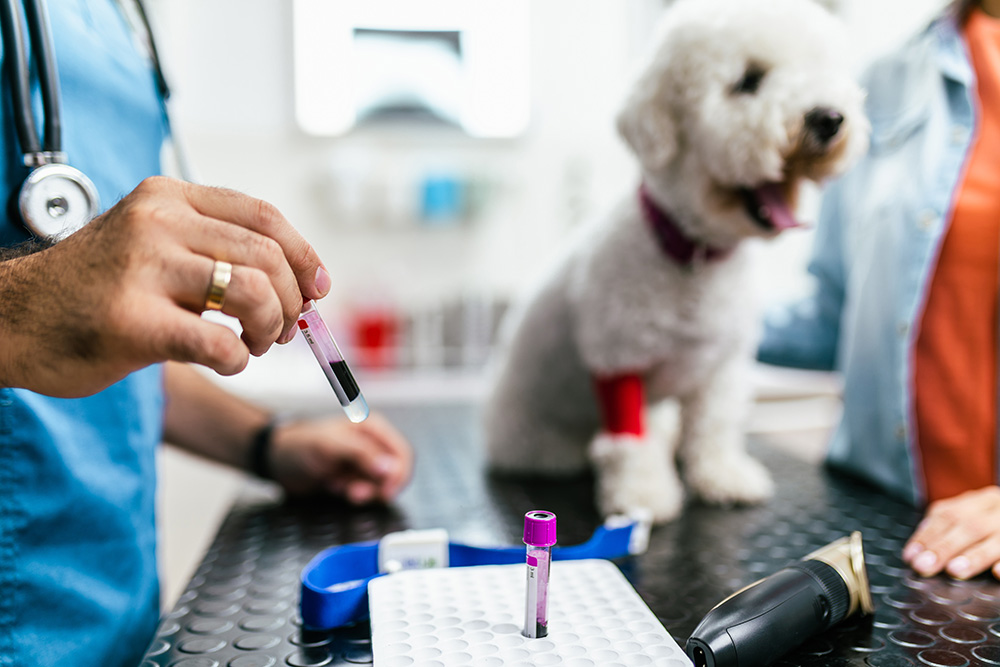
Your vet will be able to diagnose anemia after performing a complete blood count (CBC), but that won’t definitively determine the cause of the anemia. After the CBC, further testing will need to be done, including examining the size and shape of the red blood cells under the microscope and looking for clumps of red blood cells known as autoagglutination. An antibody test, known as a Coombs test, may also help.
From there, your vet will start looking for an underlying cause and may need to do further blood tests, a urinalysis, and imaging.
Treating IMHA
If an underlying condition is found, it should be treated. This may include antibiotics, antitoxins, or supportive care. If a dog’s anemia is severe, it may warrant a blood transfusion to increase their red blood cells to get them much-needed oxygen.
Dogs with primary IMHA will require immunosuppression. This may be in the form of steroids, such as prednisone, or immunosuppressive medications, such as cyclosporine or azathioprine, or a combination of both. Dogs may also be started on a blood-thinning medication to help prevent blood clots.
Your vet will strive to get the anemia under control and then try to taper the dose of the immunosuppressive medications to a low-maintenance dose until they can stop the medications completely. Dogs will need frequent monitoring to prevent relapses.
Frequently Asked Questions
How Long Can a Dog Live With IMHA?
The length of time that a dog can live with IMHA depends on the severity of the condition and the cause. A dog with primary IMHA can live a fairly normal life with proper treatment and regular monitoring, while a dog with secondary IMHA due to cancer may not live longer than a couple of months.
A dog with IMHA related to an infection or bee sting reaction should recover fairly quickly with proper treatment and go on to live a normal life.
Do Dogs Feel Better After a Blood Transfusion?
Dogs with IMHA that is severe enough to require a blood transfusion will often feel better after they get more red blood cells in their system. That said, even though a blood transfusion may be lifesaving, they aren’t something that a vet will do on the fly. Instead, the dog will need to be crossmatched before receiving the transfusion, to help ensure that they won’t have a reaction to the blood that they are getting. A blood transfusion alone won’t cure IMHA, as it won’t stop the destruction of red blood cells, but it can give the dog temporary relief and prevent organ and tissue damage or death.

What Can I Feed My Dog to Increase Their Red Blood Cells?
To properly treat IMHA, the dog will need some form of immunosuppression to stop the red blood cell destruction. After that, feeding them foods that are high in iron can help increase red blood cell production naturally. Foods like beef liver, sardines, and egg yolk are viable options.
Conclusion
Immune-mediated hemolytic anemia, or IMHA, is a serious issue in which a dog’s own immune system attacks its red blood cells, potentially leading to mass destruction and lack of oxygen to the tissues. IMHA most often occurs for unknown reasons but can also happen secondarily due to other diseases. Seeing your vet at the first signs that something is wrong is vital to ensure the best treatment and management.
Featured Image Credit: Elnur, Shutterstock





























2 Responses
My dog has been under treatment for IMHA for about 6 months – he is a foxhound weighing 80+ lbs. – He is started on 50mg predisone per day and is now on 10mg. He's also on omeprezole 10mg, and milk thistle 1000mg to deal with the side effects of prednisone. About a month ago he got into a fight with a coyote and we took him to the emergency vet where he ended up getting a blood transfusion due in part to loss of blood. The underlying cause for the IMHA has not been determined. My vet has indicated and I have read long term predinsone use can cause liver problems. Except for eating dirt he seems pretty much back to normal. I'm wondering if there is any hope with proper (high nutrient, high iron, maybe other suplements) diet that I can get him off of the prednisone.
Hi Laura, I'm so sorry to hear about what your dog is going through. IMHA is incredibly challenging, and it sounds like you've been doing everything you can to support him through it. Please keep in mind that treatment for IMHA is very case-specific. Finding the cause of IMHA is a must and unfortunately, if the cause is primary and not secondary, your dog will need to stay either on corticosteroids or immunosuppressants. It sounds like your veterinarian is managing the treatment very well by the way the prednisolone dose has been reduced and how he is protecting his stomach and liver. The best you can do is follow your veterinarian's prescriptions and recommendations, Most medical treatments have secondary effects, especially when taken long-term, but with autoimmune issues, this is currently the best option, and the patient needs to be constantly monitored for treatment adjustments.
Have a chat with your vet to consider changing your dog's diet to a less processed, antioxidant-rich fresh food which might help remove some of the stress on his liver.
It sounds like your Foxhound is making great progress and is on the path to recovery, which will be a relief for both you and him.