In this article
When you take on the responsibility of owning a pet, you are committing to making sure the animal has everything that they need to enjoy a good quality of life. It is your responsibility to ensure that all their needs are being met by making a variety of lifestyle changes, vetting, and providing an appropriate environment.
In this article, we discuss the five freedoms of animal welfare so you know what commitments you take on as a pet owner. It is imperative that these values are instilled into every person who plans on bringing an animal into their home.

What Are the 5 Freedoms?
The five freedoms of animal welfare are what an animal needs to ensure a healthy and happy life. They are:
- Freedom from hunger and thirst
- Freedom from discomfort
- Freedom from pain, injury, or disease
- Freedom to express normal behavior
- Freedom from fear and distress
1. Freedom From Hunger and Thirst
No animal should ever be hungry or thirsty, especially when they are in the care of an owner. It’s really the most basic of all needs, and there’s no reason it shouldn’t be met.
Keeping an animal free from hunger and thirst doesn’t necessarily mean spending money on top-of-the-line pet food. It means making sure they are adequately fed in a timely fashion and have access to fresh water daily, including when you are out and about or in an out-of-the-ordinary situation. Water and food for your pet is something that should never be lacking.

2. Freedom From Discomfort
No pet should ever feel uncomfortable. They should especially never feel discomfort in their own home. It is imperative to provide your animal with comfort, no matter what that looks like. For some, this could be a warm cozy bed that is all theirs. For others, it can be a place free of chaos, calamity, and loud noises.
Comfort can definitely look different for different animals, which is why it is so imperative to really get to know your pet to make sure their needs are being met.
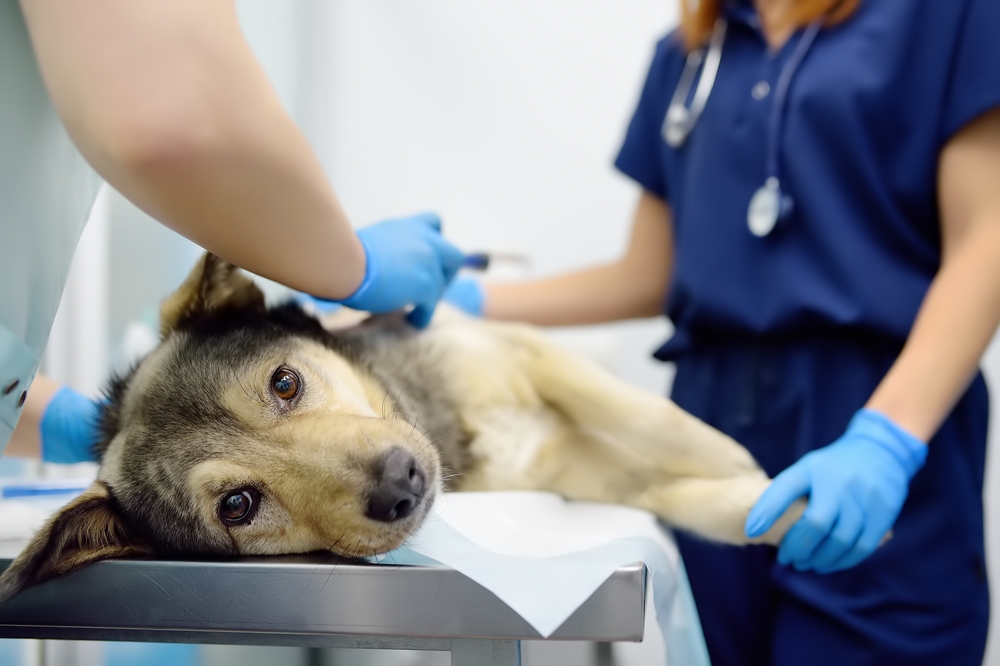
3. Freedom From Pain, Injury, or Disease
Keeping your animal healthy is a vital component to a successful life. Anytime you notice any injuries, signs of disease, or any other alarming signs, it is your responsibility to seek appropriate medical intervention. Waiting to see “if it passes” is not an option, as you might be extending their suffering and risking the possibility of their case complicating, which can result in a more difficult (and often more expensive) treatment.
There are plenty of different options when it comes to vetting. If cost is an issue, you can opt for pet insurance to cover you in emergencies. There are also humane societies and non-profit organizations that can aid in treating your pet at a lower price. You can also get reduced costs on vaccines at certain mobile clinics or shelters. Never be afraid to inquire about cost-effective methods of vet care.
Likewise, as much as you might get attached to them, a pet with a terrible quality of life due to an untreatable disease should not continue suffering; euthanasia is the compassionate choice.
4. Freedom to Express Normal Behavior
You have to remember that your dog is a dog, your cat is a cat, your gerbil is a gerbil, etc. Basically, we can’t always put our human ideologies onto our pets. Ensuring a well-trained animal is paramount to having a successful connection, but there is a difference between expecting your dog to be mannerly and expecting them to be an entirely different species.
Animals aren’t meant to be seen and not heard. They have their own vocalizations, eccentricities, quirks, and odd behaviors that we humans don’t understand. That doesn’t ever mean they should be shamed or kept from doing what is natural to them.
For example, teaching a dog barking manners is a good idea. Punishing a dog every time they bark is abuse. It’s important to understand the distinction. Similarly, dogs like to chew, so providing them with safe chew toys allows them to express the natural behavior of their species.
5. Freedom From Fear and Distress
Your pet should never feel fearful in your home. In fact, it should always be a place where they can get safety and security. If your dog is afraid in their home, it can cause a lot of bad behaviors to start or exacerbate. Rest assured that if a dog is distressed or anxious, nobody in the home will be at peace.
Here are some things that can make dogs fearful and distressed:
Loud Noises
Some animals are very sensitive to loud noises. If your pet has been through a traumatic situation when they were younger or has not been exposed to a wide variety of stimuli, they might be extremely sensitive.
Having a household full of screaming kids, noisy animals, and other loud distractions can prove to be scary. When you are searching for a pet, make sure you’re compatible by doing appropriate meet and greets and thoroughly researching the breed’s tendencies.

Bullying Pets
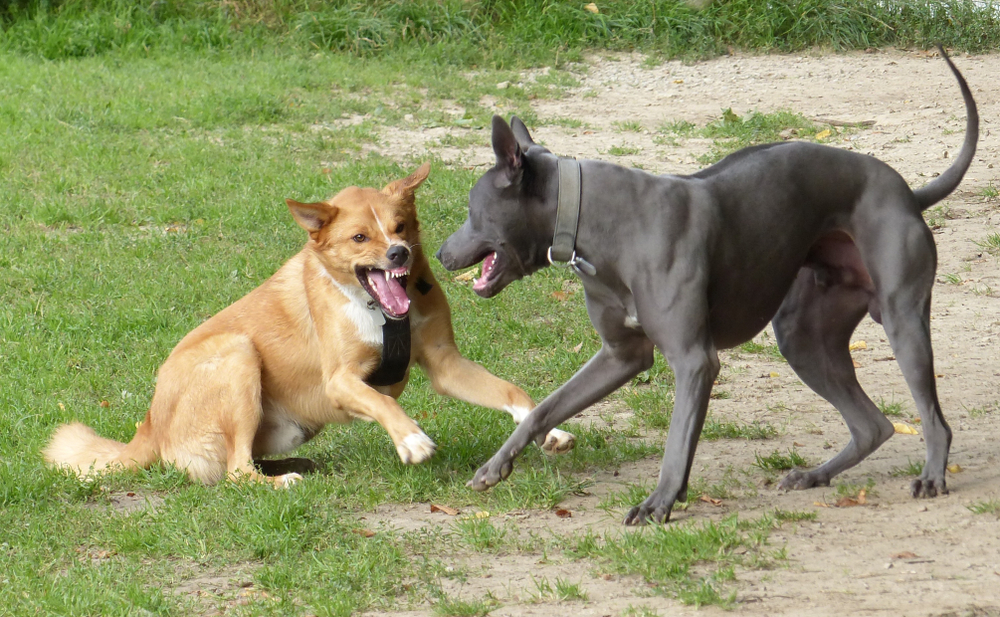
If another animal is constantly fighting with your pet, it can be a crummy situation. Being constantly up in arms in the home can create fear, distress, and chronic behavioral issues.
You should never allow one animal in the home to aggravate, abuse, or otherwise displace another. They all deserve peace and security, even if you don’t mind the chaos.
Being familiar with your pet’s signs of anxiety, fear, and stress is vital to understand what is causing the problem and how to help resolve it. Likewise, if you have more than one pet, knowing the behavioral cues and signs of displacement, dominance, etc. is essential and will help you prevent accidents and aggression. You are responsible for the well-being of the animals under your care, so you must know how to interpret, intervene, and handle their social interactions.
Domestic Fights
If your pet is witnessing domestic disputes, it can be comparable to children doing the same. An animal might feel in a state of constant fight or flight or develop the need to defend the “underdog.”
These situations can put major tension in a living space, which can lead to serious behavioral issues, so it’s best if animals aren’t exposed to them at all.
Mistreatment, Abuse, and Neglect
If your animal is being mistreated in any capacity, it can cause major distress. Mistreatment can come in many forms, but you should be aware of your pet’s body language.
If a dog or cat has undergone any type of mistreatment, they might be skittish, untrusting, and suspicious of strangers. Unfortunately, these issues can carry over even after the trauma is gone.

Before You Adopt or Buy a Pet
There is plenty to think about before you buy or adopt a pet. You have to ask yourself a lot of hard questions, like:
- Do I have the proper finances to commit to all costs associated with a pet?
- Do I have the necessary time in my schedule for a pet?
- Can I commit to exercise regimens with my pet?
- Can I give this animal the appropriate diet to help them thrive?
- Can I offer a stress-free environment to a new pet?
- Will all the people in my home treat this animal with kindness and respect?
- Can I give this animal the best life possible?
Conclusion
Now you know about the five freedoms of animal welfare and how they apply to pets. If you are already a fantastic animal owner, you already know that these are non-negotiables.
If you are thinking about becoming an owner, it is important that you understand the commitment and responsibility that you will have. Every animal should experience these five basic fundamentals that make life worth living.
- See Also: Hope for Chornobyl’s Feral Dogs
Featured Image Credit: Rebecca Scholz, Pixabay