In this article
View 2 More +All dogs are quite capable of being escape artists, but certain breeds are renowned for their Houdini-like talents.
It’s essential to know what you’re getting yourself into when you bring a dog into your family, which is why researching the breed beforehand is so crucial! This way, you can try to outsmart your dog by anticipating their escape methods, which will keep them safe and give you peace of mind.

The 20 Escape Artist Dog Breeds
1. Afghan Hound
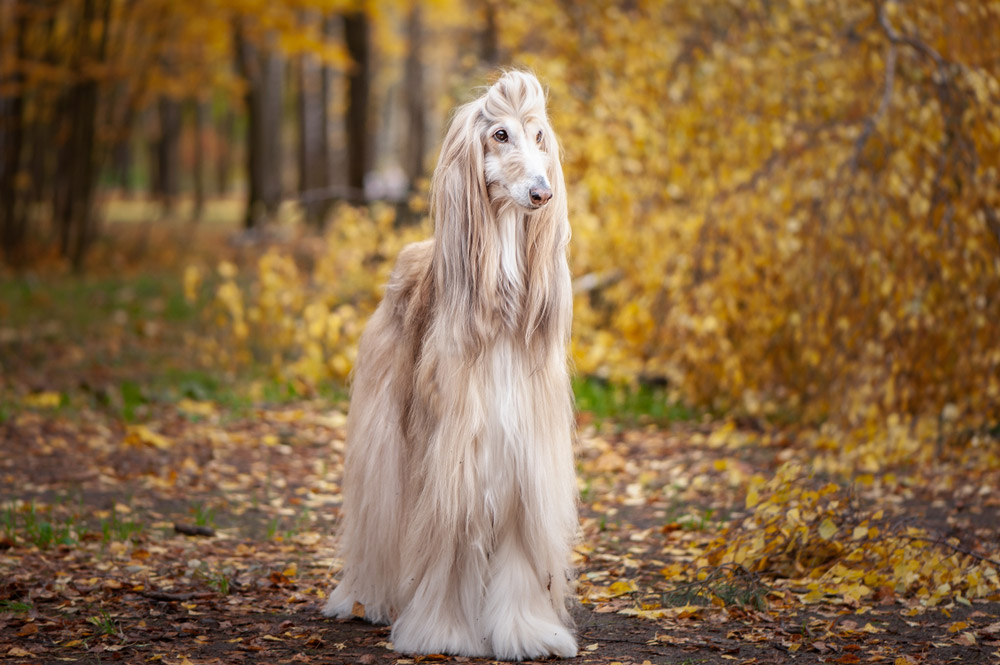
| Origin: | Afghanistan |
| Height: | 24–28 inches |
| Lifespan: | 12–14 years |
Afghan Hounds are categorized as sighthounds and were developed for long hunts that required speed and incredible jumping abilities. This is what makes them excellent escape artists, as they can easily jump fences. Their independent streak also means they won’t hesitate to give chase when they spot something worth chasing.
2. American Pit Bull Terrier
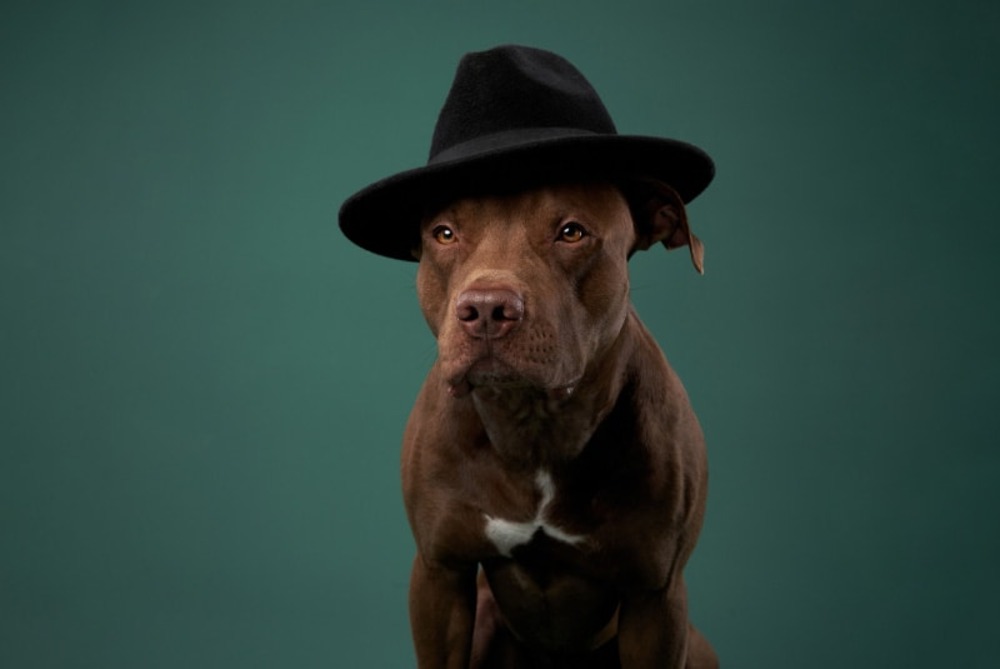
| Origin: | United Kingdom |
| Height: | 17–21 inches |
| Lifespan: | 8–15 years |
The American Pit Bull Terrier and other Pit Bull-type breeds are exceptionally energetic and athletic and are known to jump or scale high fences. These dogs are intelligent and tenacious, with some being capable of scaling walls as high as 13 feet!
3. Australian Shepherd
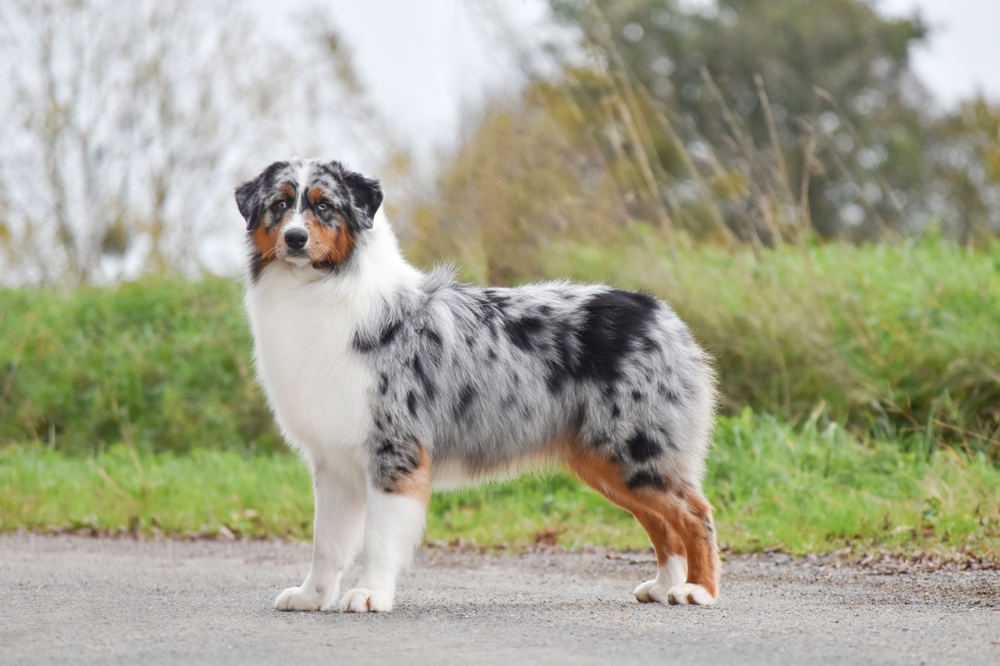
| Origin: | United States |
| Height: | 18–21 inches |
| Lifespan: | 13–15 years |
The Australian Shepherd is an American breed known for being highly intelligent and wily when it comes to escaping. They can often figure out how to scale a fence and unlock their own crates. The Aussie’s problem-solving abilities make them a definite contender as an escape artist!
4. Beagle
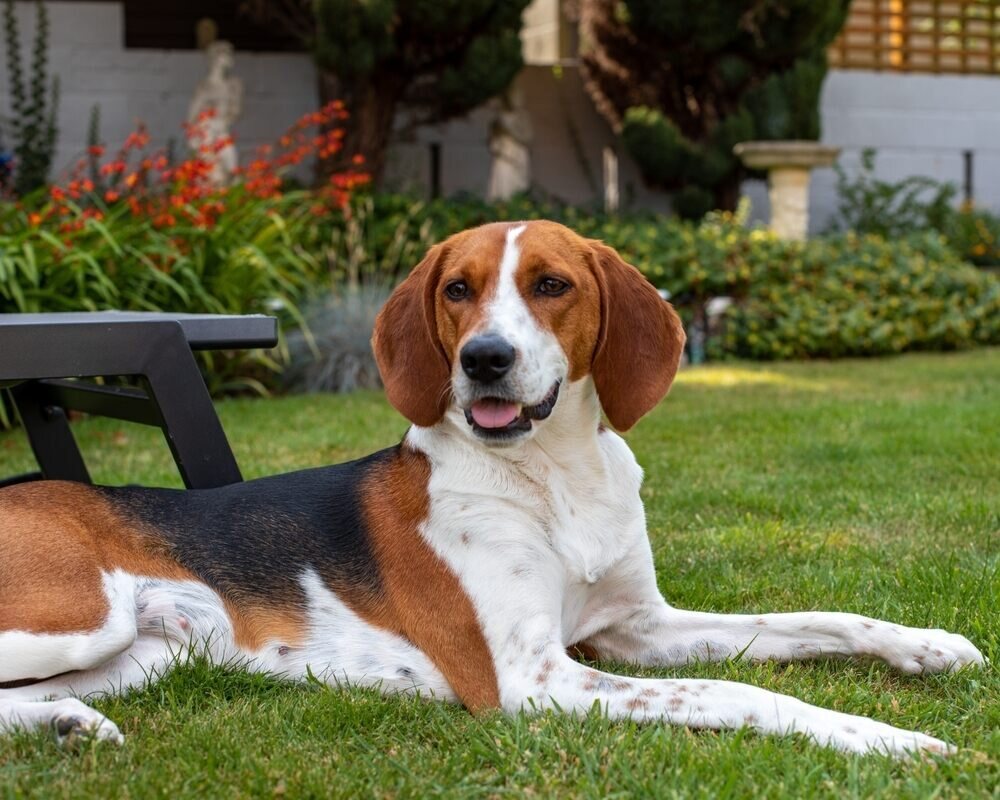
| Origin: | England |
| Height: | 13–15 inches |
| Lifespan: | 10–15 years |
The merry Beagle may be surprisingly high on this list of escape artist breeds! They are hound dogs, which means they’re highly stubborn and single-minded when they catch a scent that interests them. Beagles are also known diggers, highly intelligent, and curious, and these traits, combined with their excellent tracking abilities, make them excellent escape artists.
5. Belgian Malinois
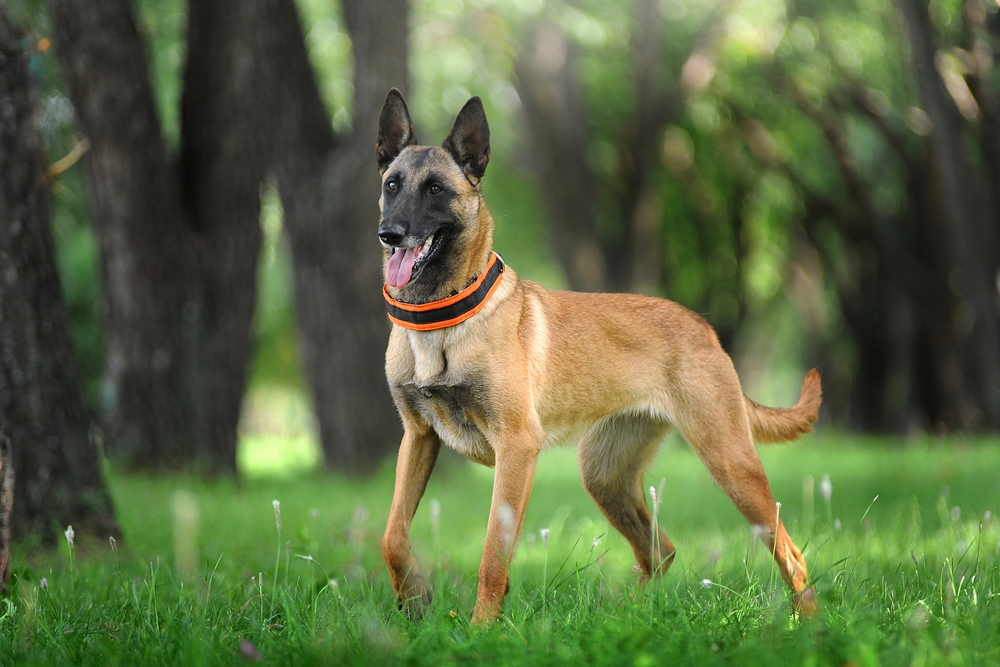
| Origin: | Belgium |
| Height: | 22–26 inches |
| Lifespan: | 14–16 years |
The Belgian Malinois are commonly employed as police or security dogs due to their intelligence and bravery. They’re also capable of scaling walls up to 6 feet high, which makes them good at escaping. Fortunately, they form strong bonds with their families, so hopefully, there won’t be any attempts at leaving the yard.
6. Border Collie
| Origin: | The Anglo-Scottish border |
| Height: | 18–22 inches |
| Lifespan: | 12–15 years |
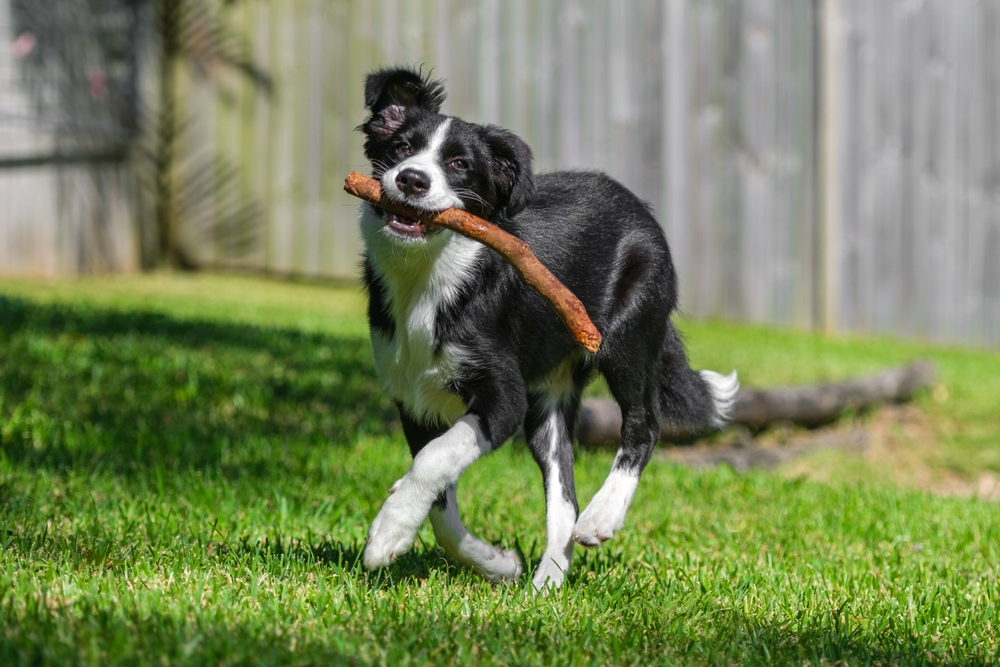
The Border Collie is recognized as the most intelligent breed due to their exceptional problem-solving abilities. However, their intelligence can also make them prone to escaping from their homes. These dogs are highly sensitive and may react negatively to harsh discipline, which can result in them running away. They are also capable of opening closed gates and sprinting for miles!
7. Boxer

| Origin: | Germany |
| Height: | 21.5–25 inches |
| Lifespan: | 10–12 years |
Boxers are quite talented when it comes to finding ways to escape. They are capable of climbing over and digging holes under fences and even chewing and wriggling out of a crate!
This breed is known for their high energy level and active nature, which often makes them easily distracted by anything that they find more interesting than their current surroundings.
8. Cairn Terrier
| Origin: | The Scottish Highlands and the Isle of Skye |
| Height: | 9–11 inches |
| Lifespan: | 13–15 years |
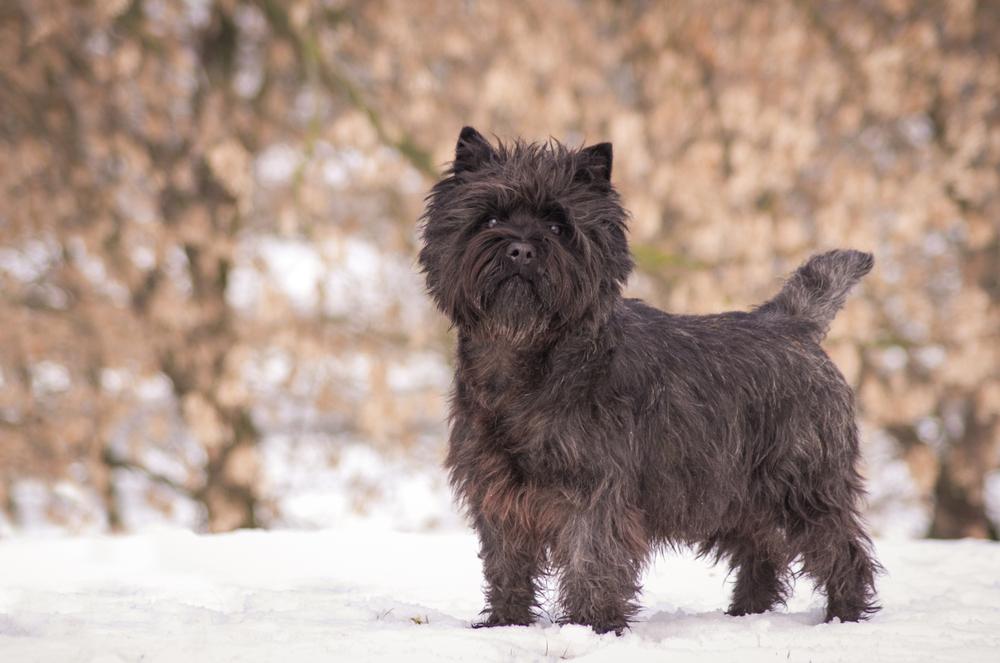
The Cairn Terrier is a terrier known to “go to ground,” which means they are skilled at digging and burrowing to pursue prey. However, this innate digging behavior can also make it easier for them to burrow under obstacles like fences. Additionally, Cairn Terriers are known for their stubborn and independent personalities, which can make them skilled escape artists.
9. Chihuahua
| Origin: | Mexico |
| Height: | 5–8 inches |
| Lifespan: | 14–16 years |
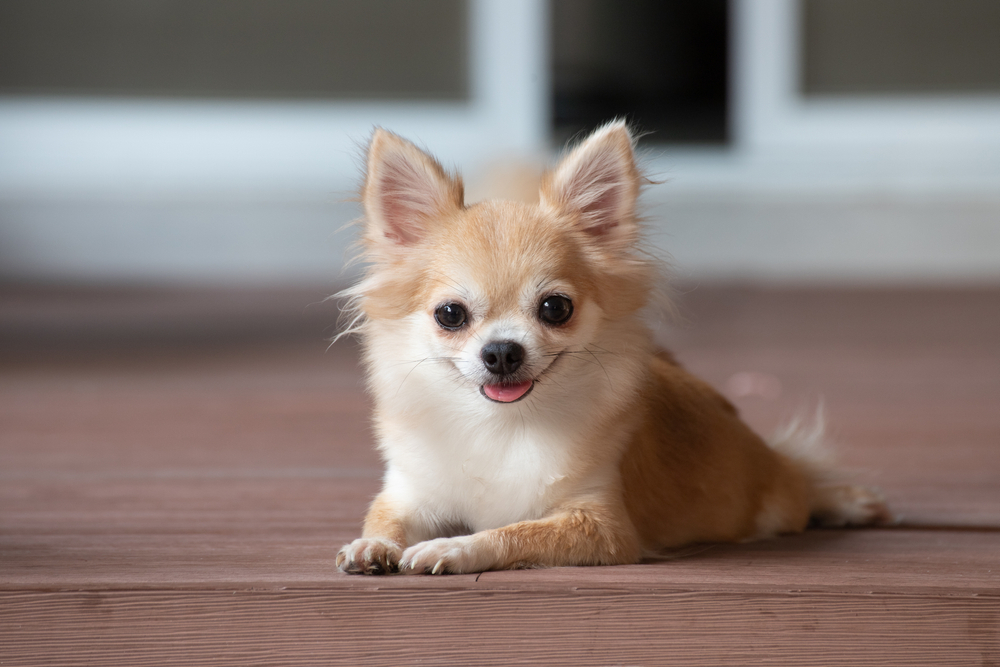
Since the Chihuahua is so tiny, it’s quite easy for them to find a way to escape the house. Many of these dogs just act on instinct and will bolt out the door after something that catches their eye. Moreover, their size makes it easier for them to slip away unnoticed, so you’ll need to stay vigilant when owning a Chi.
10. Dachshund
| Origin: | Germany |
| Height: | 8–9 inches (Standard), 5–6 inches (Miniature) |
| Lifespan: | 12–16 years |
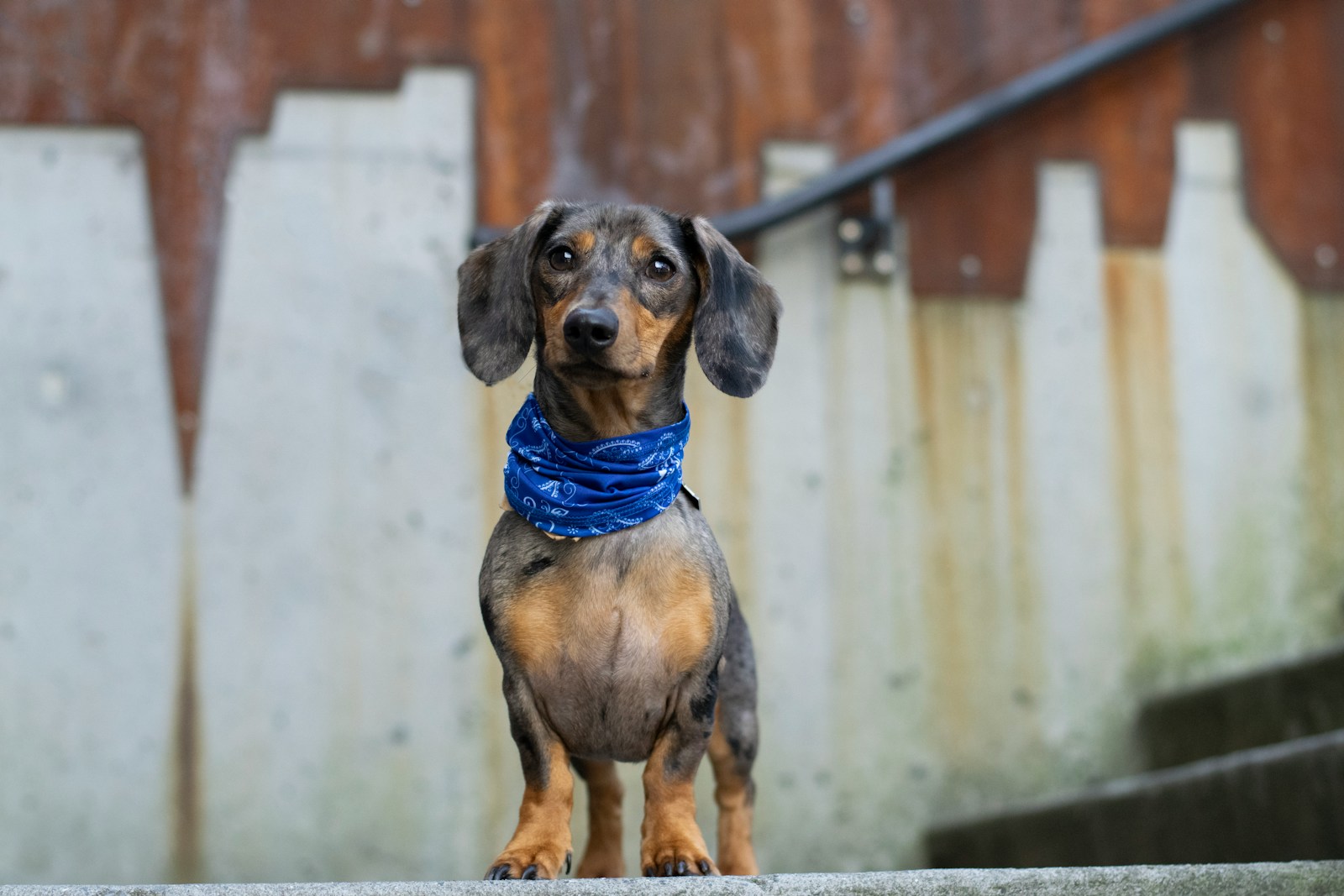
The Dachshund is known for their stubbornness and cleverness, which they use to find a way out of the house. Even if they are prevented from leaving their confines, due to their long and slim bodies, Doxies can squeeze through tight spaces with ease!
11. German Shepherd
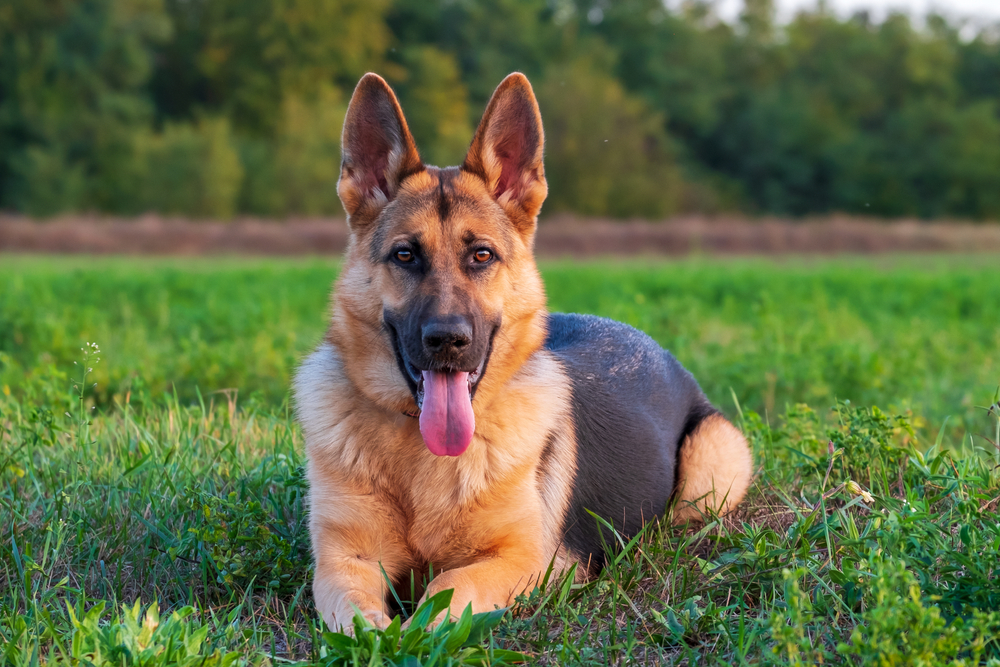
| Origin: | Germany |
| Height: | 22–26 inches |
| Lifespan: | 7–10 years |
German Shepherds are renowned for their intelligence and bravery, traits that make them exceptional at escaping the house or yard! They possess the ability to climb and jump over fences and are capable of figuring out how to open gates and doors. Additionally, their protective temperament and instinct to give chase make them talented escape artists!
12. Greyhound
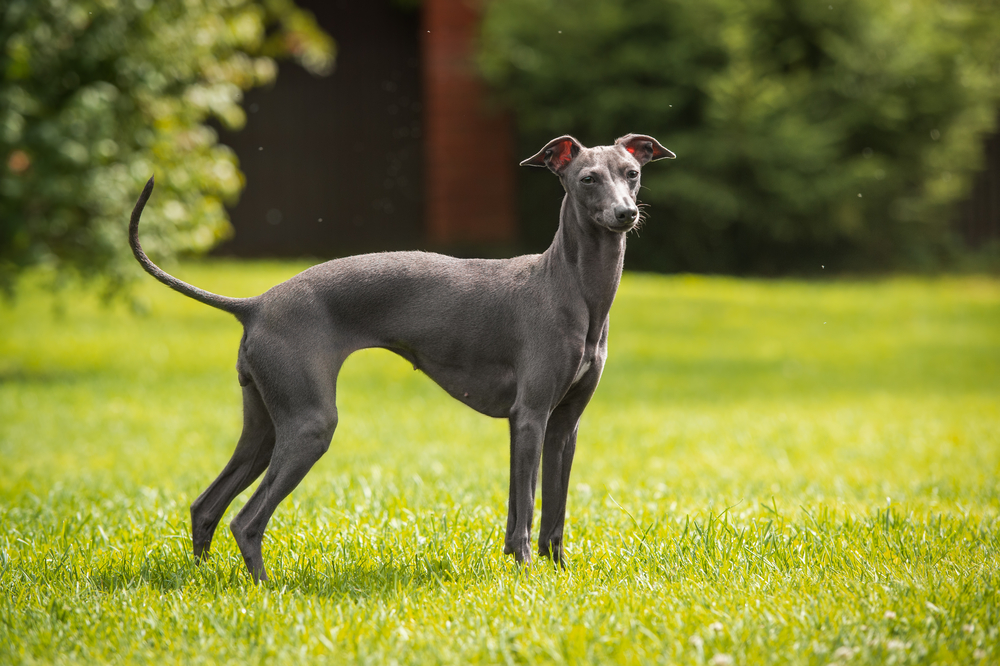
| Origin: | England |
| Height: | 27–30 inches |
| Lifespan: | 10–14 years |
You’re likely already familiar with the speed of the Greyhound, which is a significant reason that it’s easy for these dogs to get away. Once something catches their eye, they’ll take off so fast that there’s little hope of catching them. They are also excellent jumpers!
13. Jack Russell Terrier
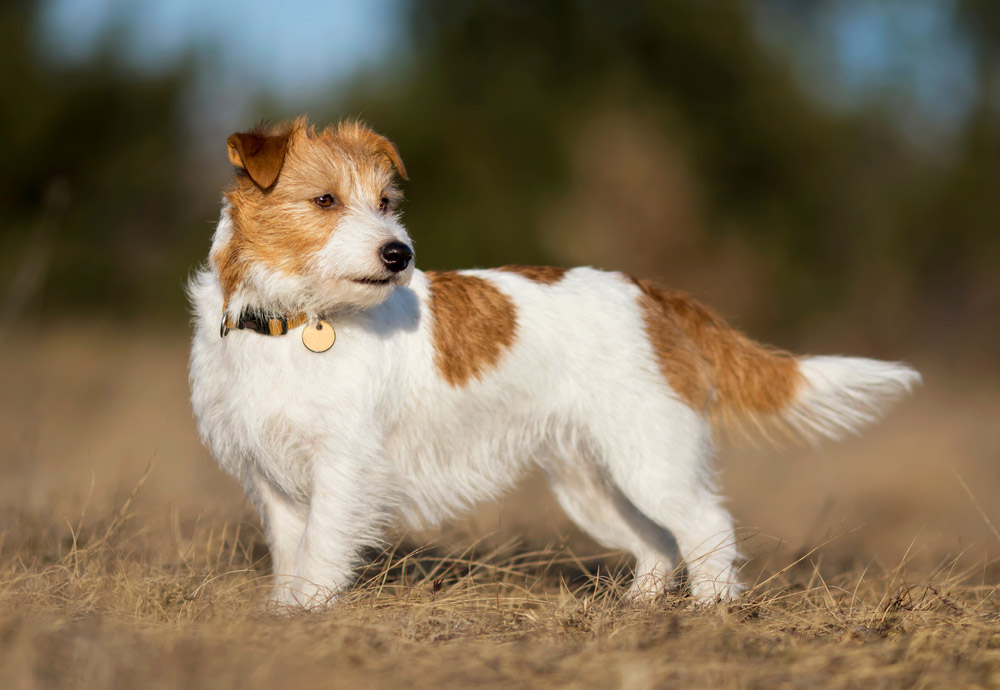
| Origin: | England |
| Height: | 12–15 inches |
| Lifespan: | 13–15 years |
Jack Russell Terriers are exceptionally energetic and smart dogs. They have a strong instinct to dig and give chase, which makes them prone to escaping. They’re also skilled climbers, so you’ll need to take the appropriate precautions to keep these little sparkplugs safely contained.
14. Labrador Retriever
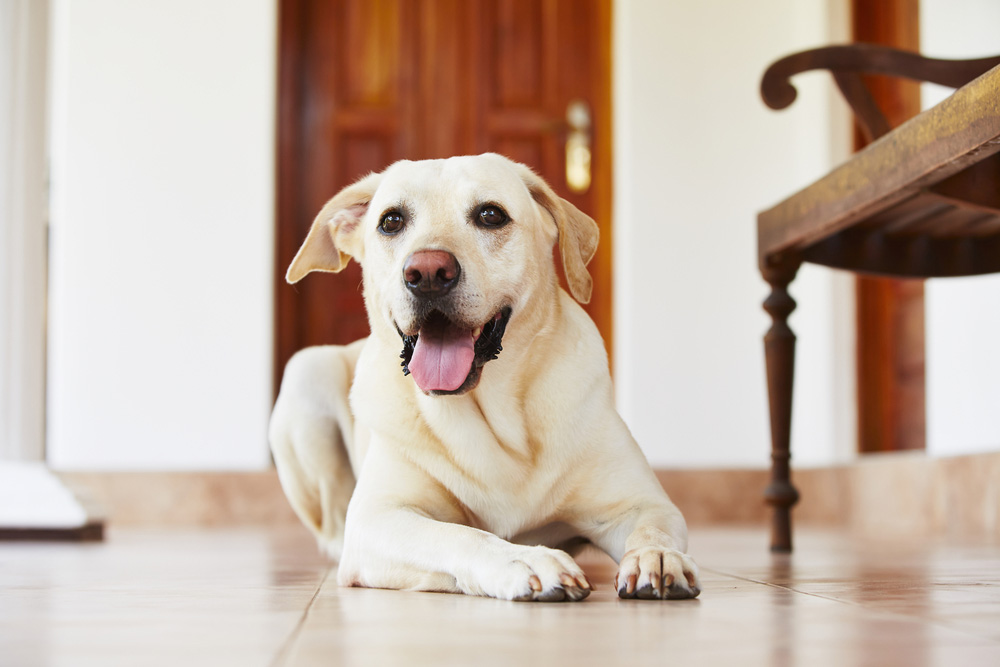
| Origin: | Canada |
| Height: | 21.5 – 24.5 inches |
| Lifespan: | 11–13 years |
The Labrador Retriever might not be the first breed that comes to mind as an escape artist, but they are resourceful and clever. The loyalty of this breed doesn’t mean this behavior is all that common, but if they are bored or in search of food, they can easily open gates and push through barriers.
15. Shiba Inu
| Origin: | Japan |
| Height: | 13–16 inches |
| Lifespan: | 12–15 years |
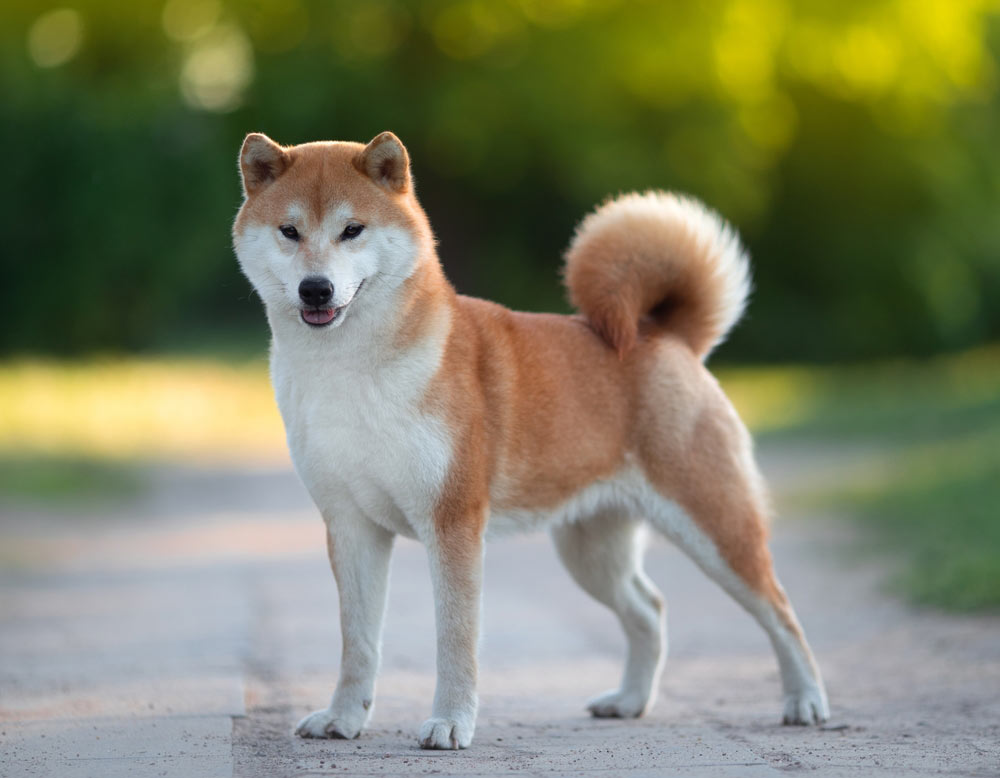
The Shiba Inu are known to be alert and quite agile and have even been compared to ninjas! They can be creative in their escape attempts, and their independent streak makes that goal a definite possibility.
16. Siberian Husky
| Origin: | Siberia |
| Height: | 20–23 inches |
| Lifespan: | 12–14 years |
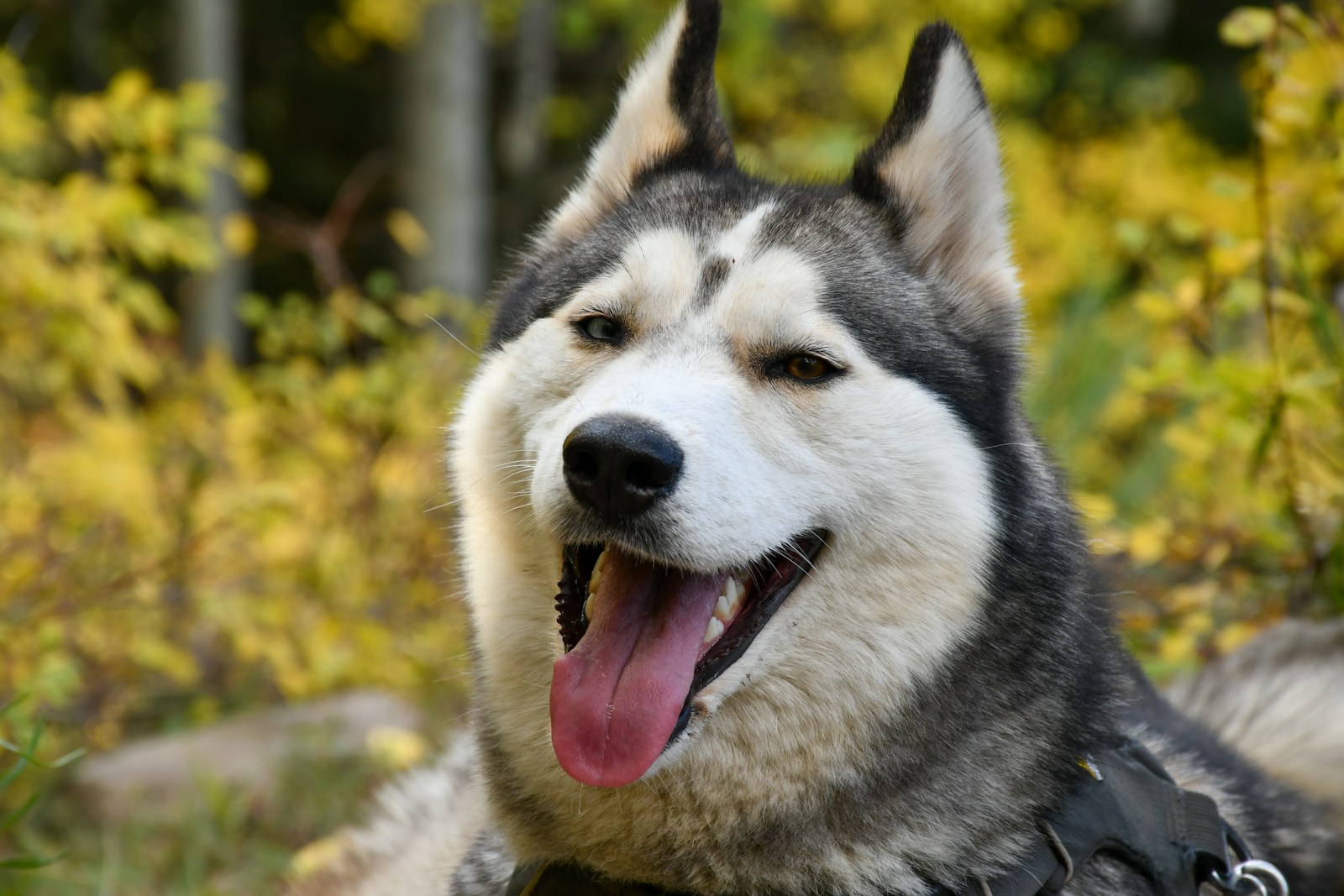
The Siberian Husky has been deemed a champion in the category of escape artists! This breed is naturally inclined to wander, and their curious and intelligent nature only adds to this tendency. They can jump over high fences and are adept at opening latches on gates and doors. They also have a penchant for digging, making them capable of escaping from almost any enclosure. These dogs can do it all, so ensuring the security of your Husky is of the utmost importance!
17. West Highland White Terrier
| Origin: | Scotland |
| Height: | 10–12 inches |
| Lifespan: | 13–15 years |
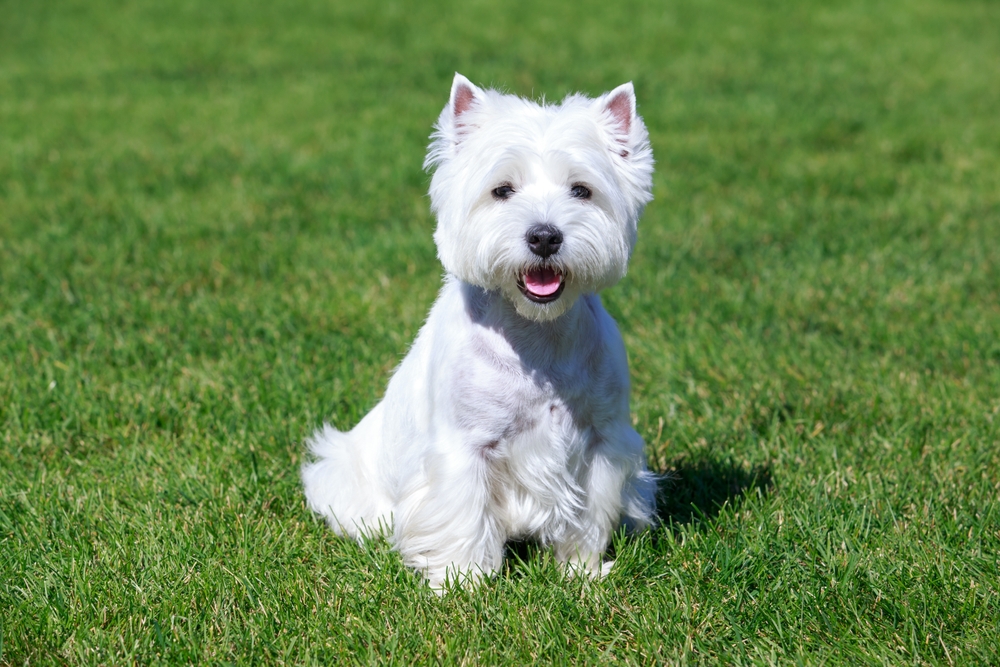
The West Highland White Terrier is a breed known for being a skilled escape artist. They enjoy digging and can also figure out a way to climb out of their enclosure. Additionally, like all terriers, they can be quite stubborn and will go to great lengths to pursue anything that they consider prey.
18. Whippet
| Origin: | England |
| Height: | 18–22 inches |
| Lifespan: | 12–15 years |
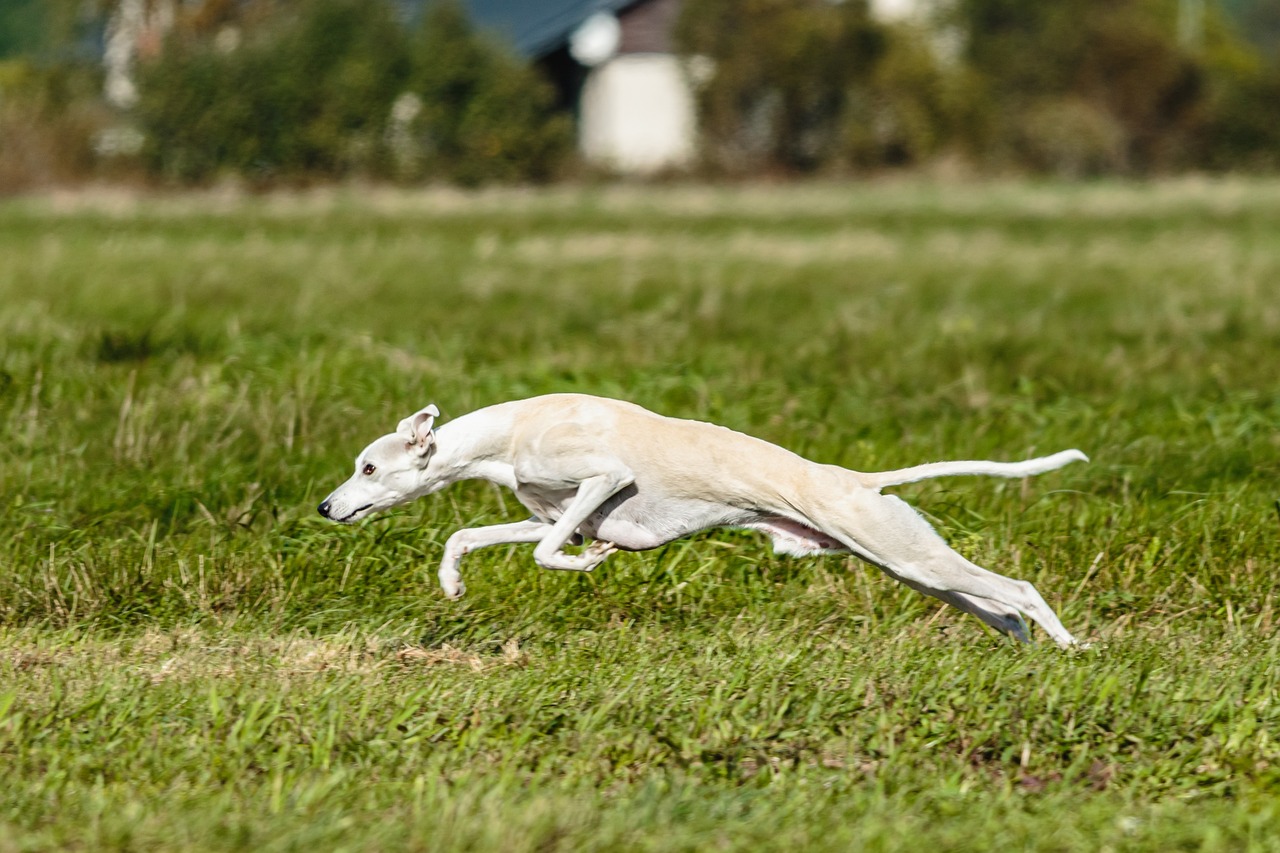
The Whippet is essentially a smaller version of the Greyhound and is known for their exceptional speed and strong prey drive. If there’s any risk of escape, they must be appropriately secured to prevent any attempts. That said, they can squeeze through small spaces and climb fences.
19. Wire Fox Terrier
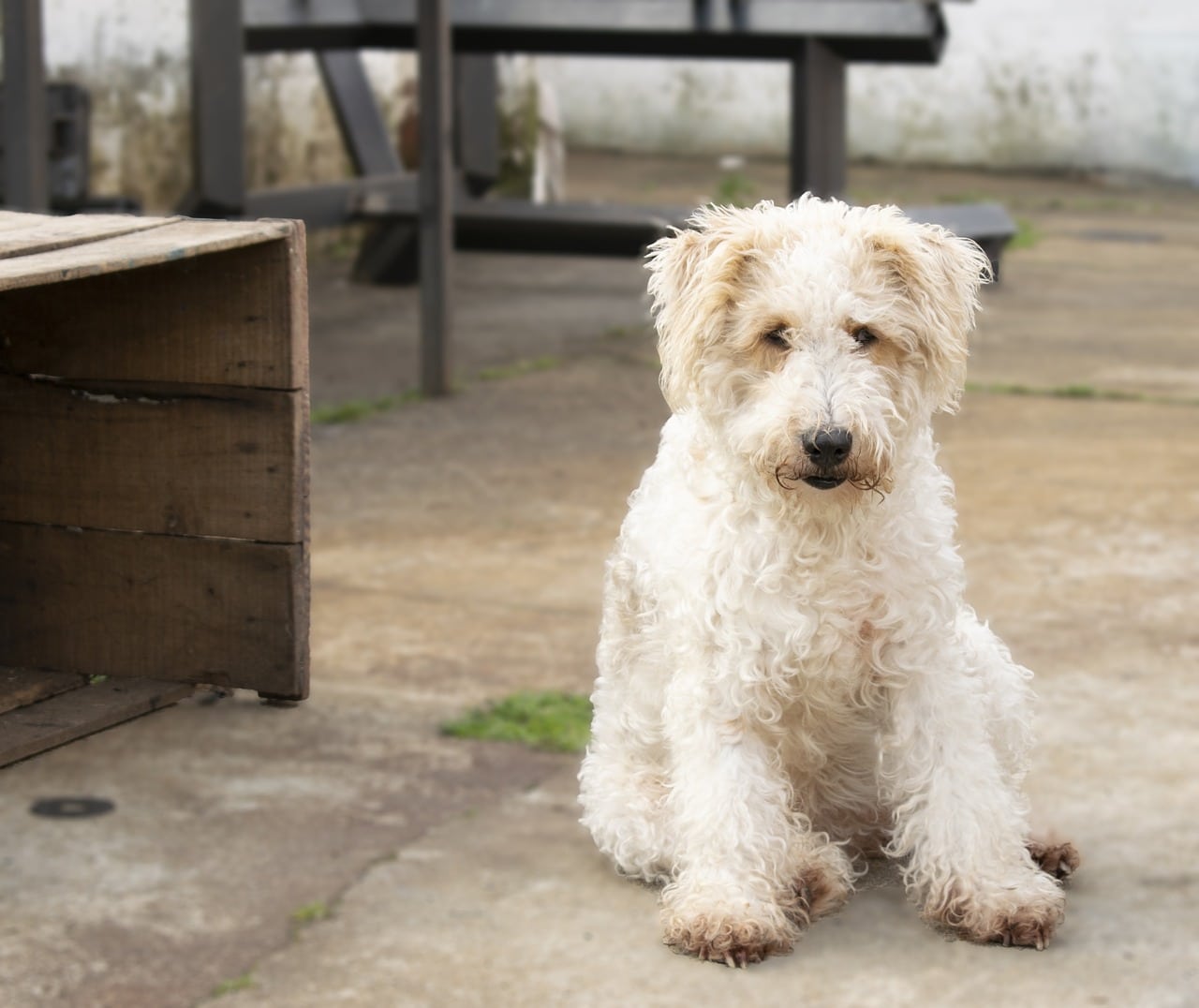
| Origin: | England |
| Height: | 15–15.5 inches |
| Lifespan: | 12–15 years |
Both the Wire Fox Terrier and the Smooth Fox Terrier possess typical terrier qualities that make them adept escape artists. They can climb over or dig under fences, and they are excellent jumpers. Along with their stubbornness and high energy levels, these dogs tend to look for ways to escape when bored.
20. Yorkshire Terrier
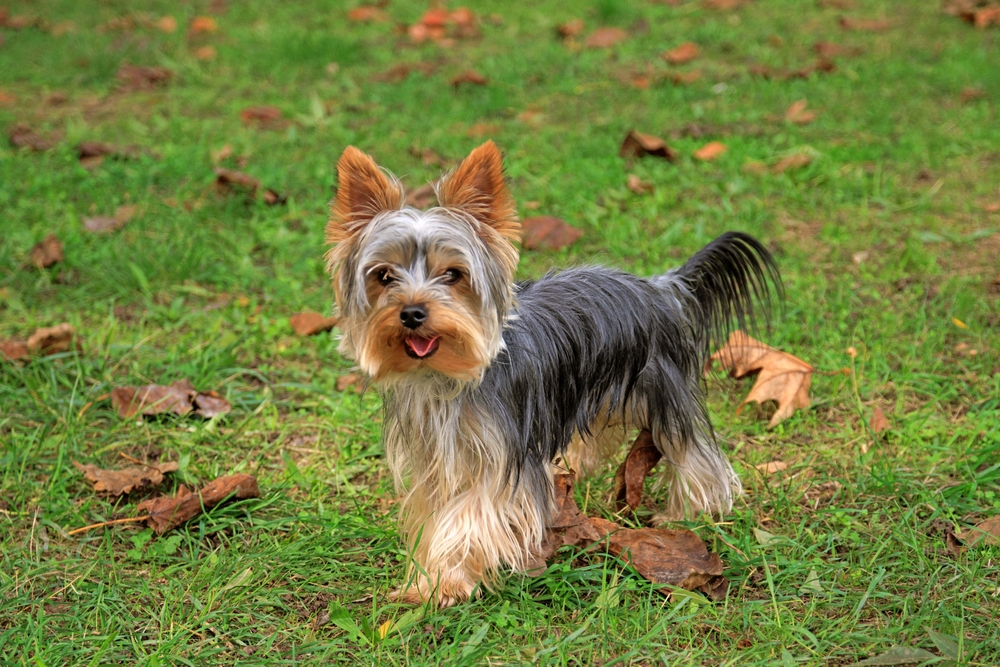
| Origin: | England |
| Height: | 7–9 inches |
| Lifespan: | 11–15 years |
The Yorkshire Terrier is one of the smallest terriers, but they still have a great love of digging and typical terrier tenacity, along with a tiny body that can squeeze through tight spaces and sneak out undetected.
Preventing Your Dog From Escaping
You should start by learning everything about your breed so you can better understand their motivation for escaping. This can also help you figure out the best ways to prevent them from doing so. For example, if your breed is a digger, your fence should be a minimum of 2 feet deep underground. You should also:
- Spend time with your dog: The more time you devote to your dog, the happier they will be and less prone to want to escape due to boredom and frustration.
- Give them plenty of mental and physical exercise:If your dog gets enough exercise and playtime, they won’t be as interested in escaping. Hire a dog walker, or ask a friend or family member to walk your dog if you can’t always do it yourself.
- Train them:You’ll want to teach your dog a reliable recall so they will come to you when called. But training new tricks and cues will also keep them mentally busy.
- Give them toys:Ensure that your dog has plenty of appropriate toys for fetching, chewing, pulling, tugging, etc.
- Spay or neuter them:Once your vet has given their approval, have your dog spayed or neutered. Intact dogs are more likely to run away, either when in heat or to find a dog that is in heat.
- Secure the fence:Your fence must be high enough so your dog can’t jump or climb it. Certain dogs (like the Pit Bull) should never be left unsupervised while in the yard.
- Get help from a professional:If you’re struggling, you might want to consult with a professional, whether your vet or a canine behaviorist.
Conclusion
Many dog breeds, especially Huskies, will try to escape the house or yard at least once or twice. However, if your dog frequently escapes, their safety is at risk. To prevent this risk, supervise your dog, and keep them securely leashed at all times when outdoors. Additionally, ensure that your dog receives plenty of physical and mental exercise, along with proper training.
As long as these needs are met and your dog is not left alone for extended periods, the risk of escape should be quite minimal.
Featured Image Credit: David Raihelgauz, Shutterstock