In this article
View 3 More +Dogs and coyotes might look similar, but they couldn’t be more different! From their size and shape to their behavior, these two canines have plenty of differences. Read on to learn about the fascinating comparison between coyotes and dogs so you can decipher the differences.
No matter if you’re a fan of Fido or the crafty coyote, you’ll find plenty about these two animals to enjoy. Let’s explore and compare what sets dogs and coyotes apart!

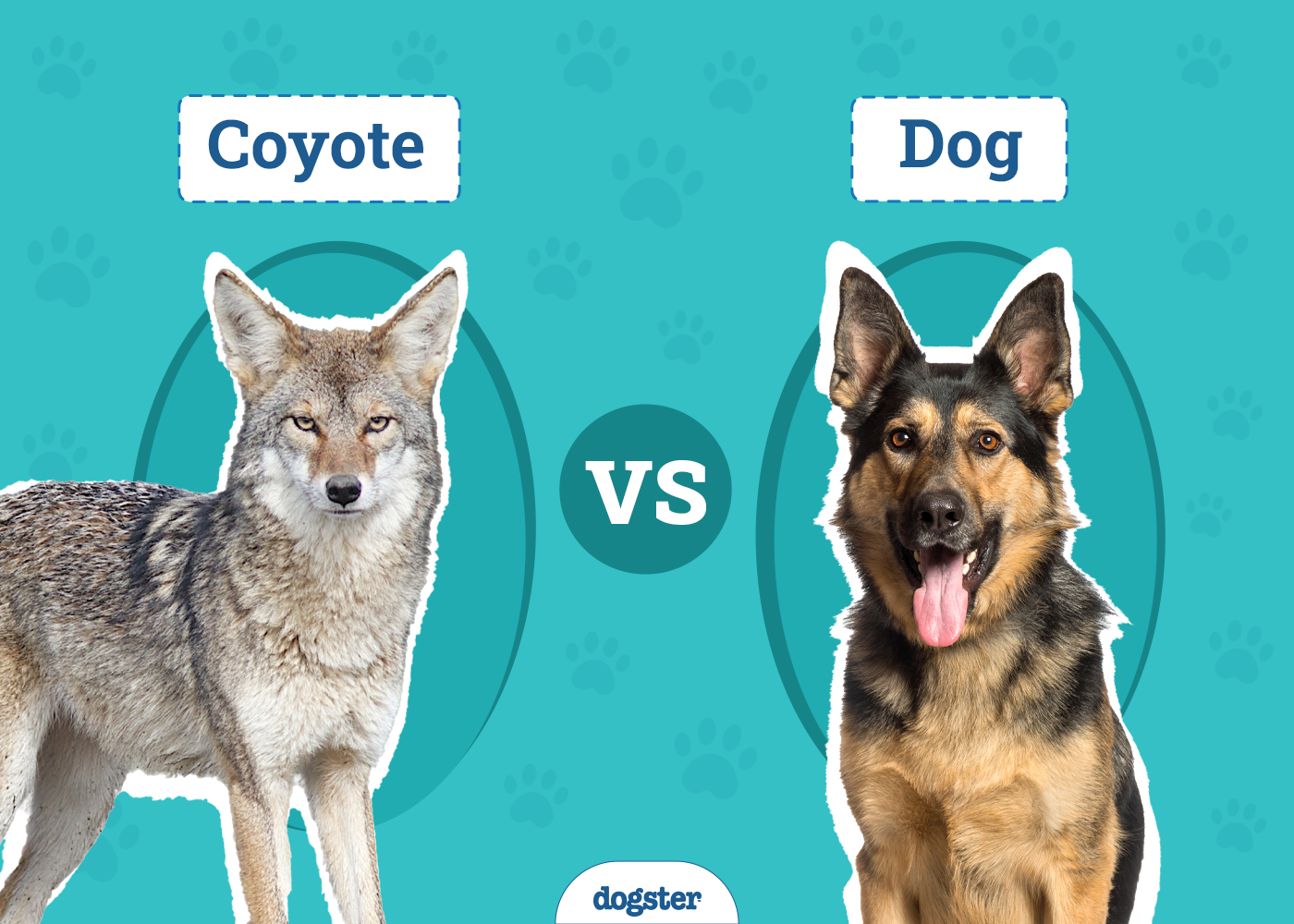
Visual Differences
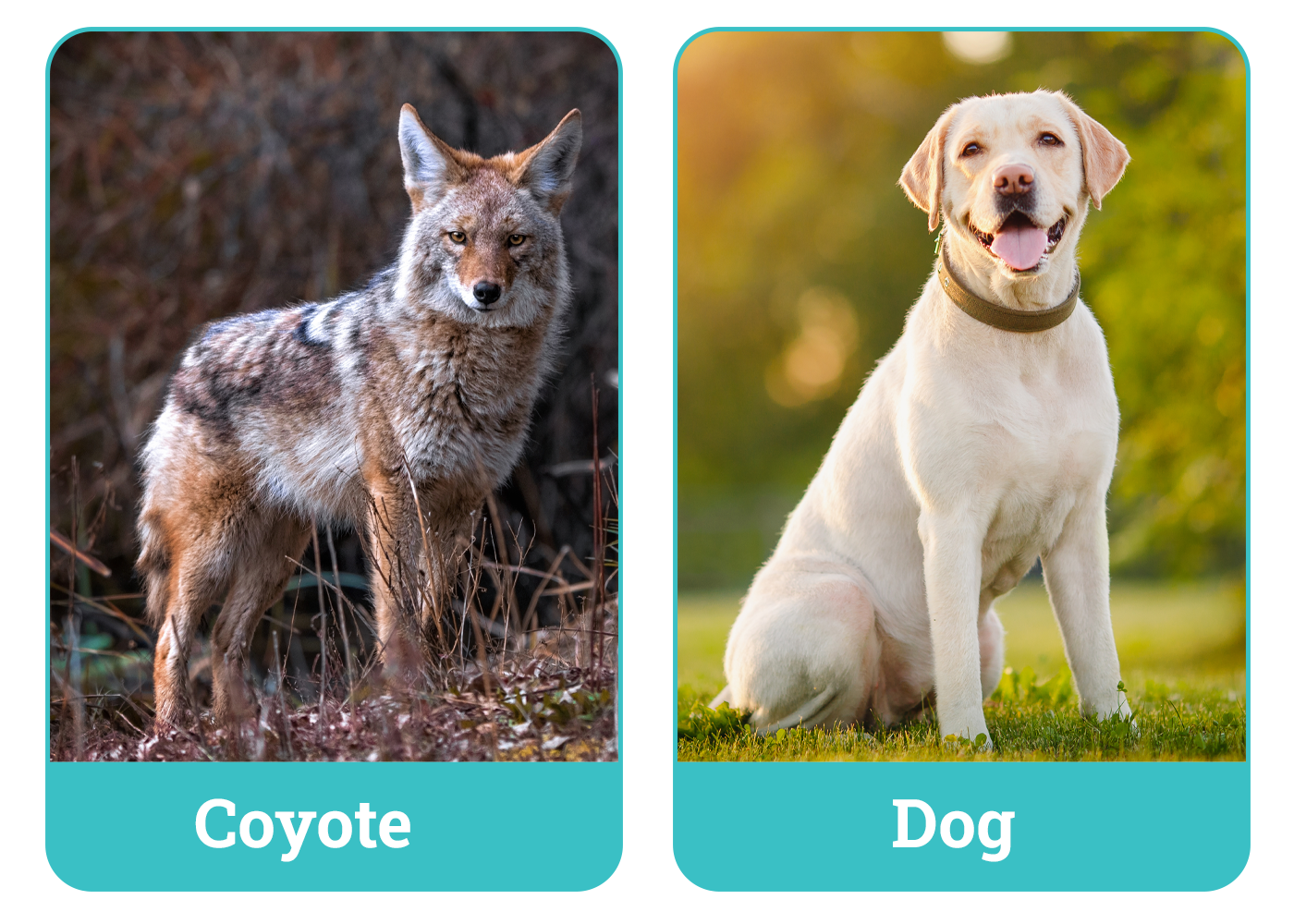
At a Glance
- Origin: North America
- Size: 18–23 inches (at shoulder), weighing 25–40 pounds
- Lifespan: 5–7 years in the wild (estimate), 21.8 years in human care1 (record)
- Domesticated?: No
- Origin: Domesticated descendants of wolves
- Size: Varies depending on breed, from 4 inches to over 3 feet and from 4 pounds to over 200 pounds
- Lifespan: 10–16+ years (average estimate depending on breed)
- Domesticated?: Yes

Coyote Overview
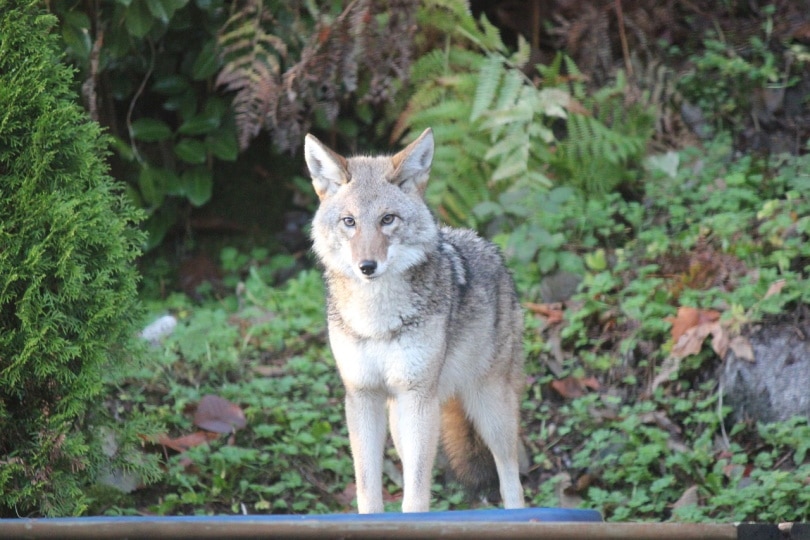
In some ways, coyotes are like the underdog of the canine world. They’re often seen as sneaky and sly creatures that are not to be trusted. However, there is much more to this furry mammal than meets the eye!
Coyotes live in many different types of habitats, from deserts to forests and even urban areas. Though they may look similar to your typical dog, coyotes have a few unique features that set them apart.
Characteristics & Appearance
Coyotes are medium-sized carnivorous mammals native to North America. They are often referred to as “brush wolves” due to their habitat preferences for dense underbrush and open spaces.
What’s more, coyotes have a keen sense of smell and excellent hearing and are known for their howls and yips. They have a sleek, slender build with a bushy tail and fur that ranges in color from gray to reddish-brown.
Coyotes are highly adaptable and can survive in a variety of habitats, including deserts, forests, grasslands, and urban areas. They are facultative carnivores and feed on a wide range of prey, including small mammals, birds, reptiles, and insects. They are also known to scavenge on carrion and garbage.
Uses
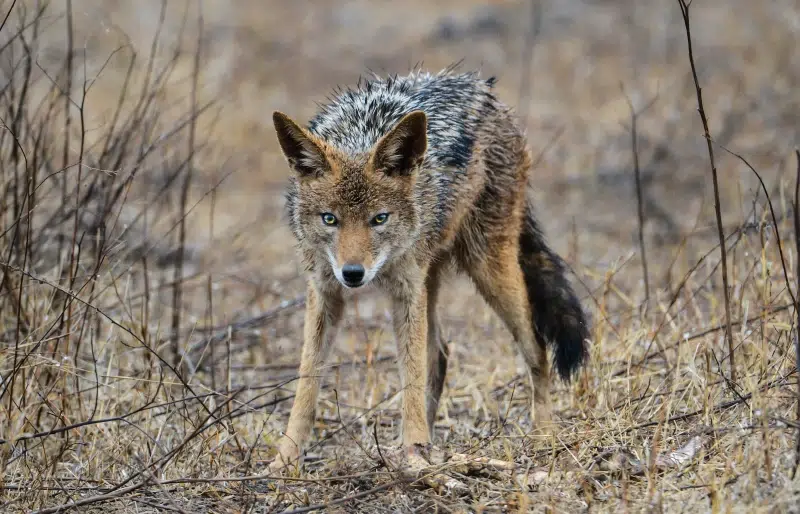
Coyotes have been hunted for their fur, as well as for control of their populations in some areas. In some cultures, coyotes are seen as symbols of cunning and trickery and have been featured in Native American folklore and mythology.
However, coyotes are not typically kept as pets or used for any practical purposes. They are considered a nuisance in some areas due to their scavenging habits and potential for attacks on livestock. In these cases, wildlife management techniques are used to reduce conflicts between coyotes and humans.
Despite their reputation as pests, coyotes play an important role in the ecosystem by helping to control populations of the species they hunt. Though wolves often opportunistically kill coyotes to minimize competition from them, they rarely hunt them for the purposes of food. Nonetheless, this means that coyotes are not considered apex predators.
Coyotes are fascinating animals with a rich history and unique adaptations. They are an important part of the natural world, and their presence helps to maintain the balance of ecosystems across North America.
Dog Overview
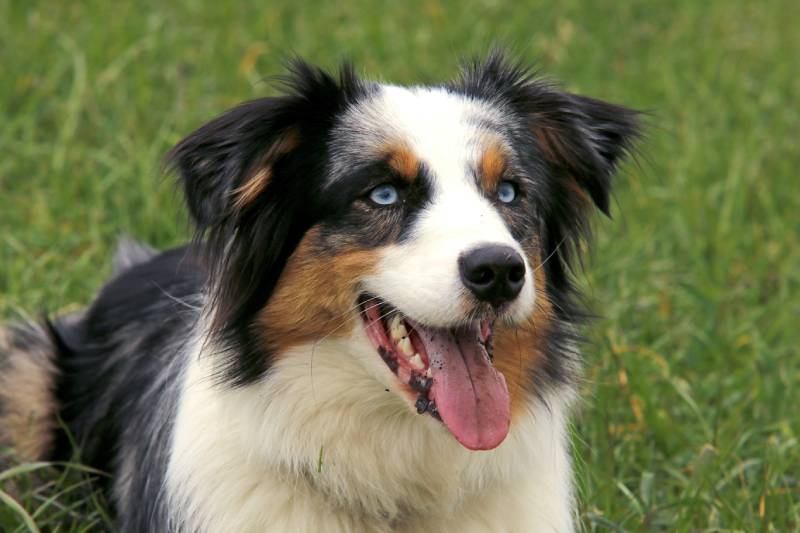
Dogs are domesticated mammals descended from wolves. They have been bred throughout history to serve a variety of purposes, including hunting, protection, and companionship. Dogs come in all shapes and sizes, with over 400 recognized breeds globally.
Characteristics & Appearance
Dogs are domesticated descendants of wolves and have been kept as pets for thousands of years. They are known for being loyal and affectionate and for having the ability to form strong bonds with humans. There are hundreds of different breeds of dogs, each with their own unique appearance, temperament, and traits.
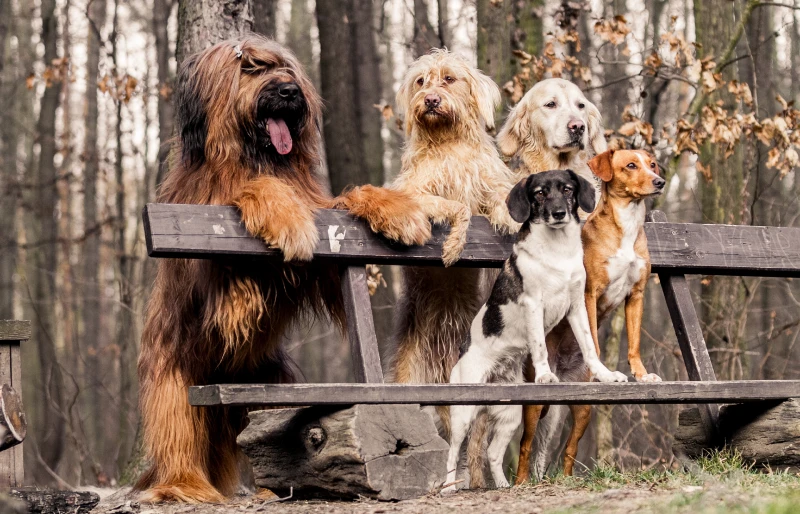
Dogs come in a wide range of sizes, from the tiny Chihuahua to the massive English Mastiff, and their coats can be short, long, smooth, curly, or anywhere in between. They have a keen sense of smell and hearing, and their tails, ears, and body language are used to communicate their emotions and intentions.
Uses
Dogs have been bred for a variety of purposes, including herding livestock, hunting, guarding, and providing companionship. Today, they continue to be valued as pets and working animals, and they also participate in a wide range of sports and activities, including obedience trials, agility competitions, and search and rescue missions.
In addition to their practical uses, dogs have also played a role in human culture and history. They have been depicted in art, literature, and film and have inspired countless songs, poems, and stories. They are often referred to as “man’s best friend” and are valued for their unconditional love and affection.
As one of the most versatile and beloved domesticated animals in the world, dogs have unique abilities, personalities, and close relationships with humans. This makes them an important and valued part of many people’s lives.
Whether as loyal companions, working animals, or cultural symbols, dogs have a rich and varied history that continues to evolve to this day.
What Are the Differences Between Coyotes & Dogs?
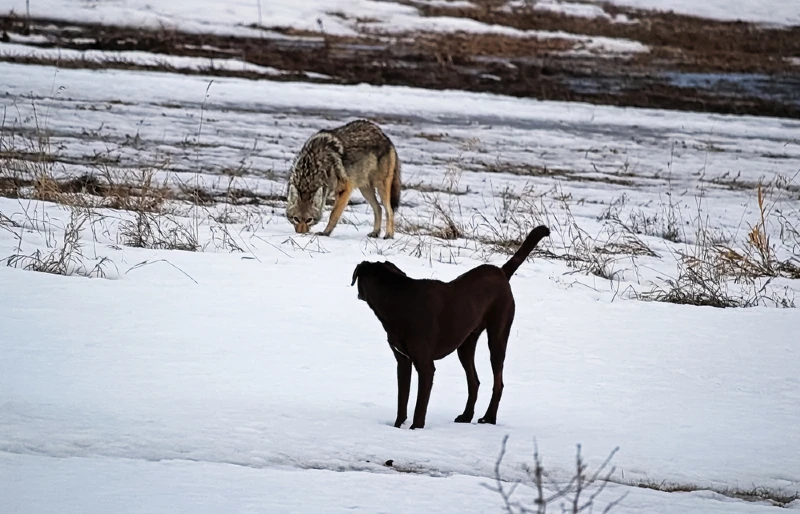
It’s easy to confuse these two animals at first glance, but there are some distinct differences between them. Let’s look at the notable characteristics of a coyote compared to a dog.
Size
So, how big are coyotes compared to dogs? Well, that depends.
Coyotes are much smaller than some dogs, typically growing 18–23 inches tall (at the shoulder) and weighing 25–40 pounds. The disparity in their height and weight is due to their subspecies, as some subspecies grow considerably larger than others.
Conversely, some dog breeds can reach astounding weights of over 100 pounds, making these breeds (also known as giant breeds) very large compared to coyotes.
Habitat
Coyotes are highly adaptable and are found in many habitats. Dogs, on the other hand, are happy just about anywhere their owners take them, but as pets, they tend to prefer a specific environment (such as your cozy apartment!).
Teeth
Unlike dogs, the upper canines (also known as the “fangs”) of coyotes extend past a structure in the jaw known as the mental foramina.
Diet
While both animals are omnivores, coyotes rely more heavily on meat, whereas dogs eat whatever their humans provide for them.
Temperament
Coyotes are known for being very shy and cautious, whereas dogs can often be described as friendly and trusting.

Physical Characteristics
Coyotes have longer muzzles, smaller ears, and pointed snouts. In comparison, dogs usually have broader heads with rounder faces, though breed specifics should definitely be factored into such an assessment.
Additionally, it’s important to remember that if you come across a coyote while out hiking or exploring, it’s best to keep your distance and admire from afar, as they can be unpredictable and defensive if they feel threatened.
Which Breed Is Right for You?
So now that you’ve seen the differences between the coyote vs dog, it’s clear to see that dogs are designed for human companionship, whereas coyotes are better suited to a wild environment. If you’re looking for a furry friend who will be by your side both indoors and out, then a dog is naturally the way to go! This is made even more obvious by the fact that coyotes aren’t even domesticated.
Pick the breed of dog that best fits your lifestyle and budget, making sure to research their individual needs beforehand. With proper care, food, and exercise, they’ll become an important part of your family.
Related Read: