


In this article
View 3 More +In a world filled with scary news headlines, it can be hard to know which ones we need to pay attention to. Will a dingo eat my baby? Did renaming the Gulf really cause that blizzard? Is my dog going to get bird flu from their food?
We’re not going to comment on the first two, but we can tell you more about the bird flu outbreak, how it affects your pets, and why some raw pet foods have been recalled.
The Facts About Bird Flu
Avian influenza, more commonly referred to as ‘bird flu’ or H5N1, is a highly pathogenic strain of the influenza virus that is deadly to birds and devastating to the poultry industry.1 Historically, we have seen the disease spread from bird to bird and occasionally from bird to mammal, most notably to cattle, but during the most recent outbreak, we are seeing the infection spreading from mammal to mammal, suggesting that this virus is continuing to adapt and evolve, with potentially devastating results.2
Birds infected with H5N1 rarely recover, leading to huge consequences for wild bird populations and mandatory culling in poultry farms in an attempt to contain the spread of the virus. In cattle, infection usually presents with relatively mild signs such as fever, lethargy, inappetence, and reduced milk production. Humans, who can contract bird flu through direct contact with infected birds or mammals, also tend to suffer flu-like symptoms of fever, headache, and coughing, with occasional vomiting and diarrhea as well. There have been less than 70 confirmed human cases in the US since the start of the 2024 outbreak, and 1 reported human fatality from H5N1, putting it fairly low on the list of life-threatening diseases.
What is worrying pet owners is the recent voluntary recall of cat food from several pet food companies following the death of at least one cat after eating raw frozen cat food contaminated with the H5N1 virus.

Cats, Dogs, and Bird Flu
It has been previously established that cats can become infected with avian influenza, with the majority of cases seen in farm cats or strays that have caught and eaten wild birds, or ingested unpasteurized milk. Unfortunately, bird flu is often fatal in cats, with clinical signs including fever, lethargy, reddened or inflamed eyes, discharge from the eyes and nose, difficulty breathing, neurologic signs, like tremors, seizures, incoordination, or blindness.
The recent death of a strictly indoor cat in Washington County has led to widespread testing by pet food producers, with several issuing recalls for certain poultry-based products. While proponents of raw pet food insist that there is little cause for concern, the case does shine a light on one of the most glaring issues with the raw-feeding trend: pathogen risk.
Although a raw diet has been shown to provide many health benefits to pets, the risk of bacterial, and now viral, contamination is an undeniable hazard that can be alleviated with some gentle cooking, which is what a number of fresh-frozen companies have embraced as a safer alternative to raw, without the ultraprocessing of most other commercial pet foods.
To date, there have been no cases of symptomatic bird flu in dogs, but subclinical cases have been confirmed. Testing of dogs exposed to H5N1 in Thailand showed positive antibodies, and dogs that were experimentally exposed to the virus were also found to contract and shed the virus, but in both scenarios, the dogs showed no clinical signs of infection.
That’s good news for the dogs, but not so good for the spread of the virus.
How Can I Protect My Dog from Bird Flu?
The first thing to know is that there is very little reason to panic, but that doesn’t mean you shouldn’t stay vigilant. The chance of your dog being infected with bird flu from another animal is extremely low, but if your dog is fed a raw meat diet, particularly one that contains poultry, you may want to rethink their food choice.
In light of these recent developments, the FDA has issued the following advice to pet owners:
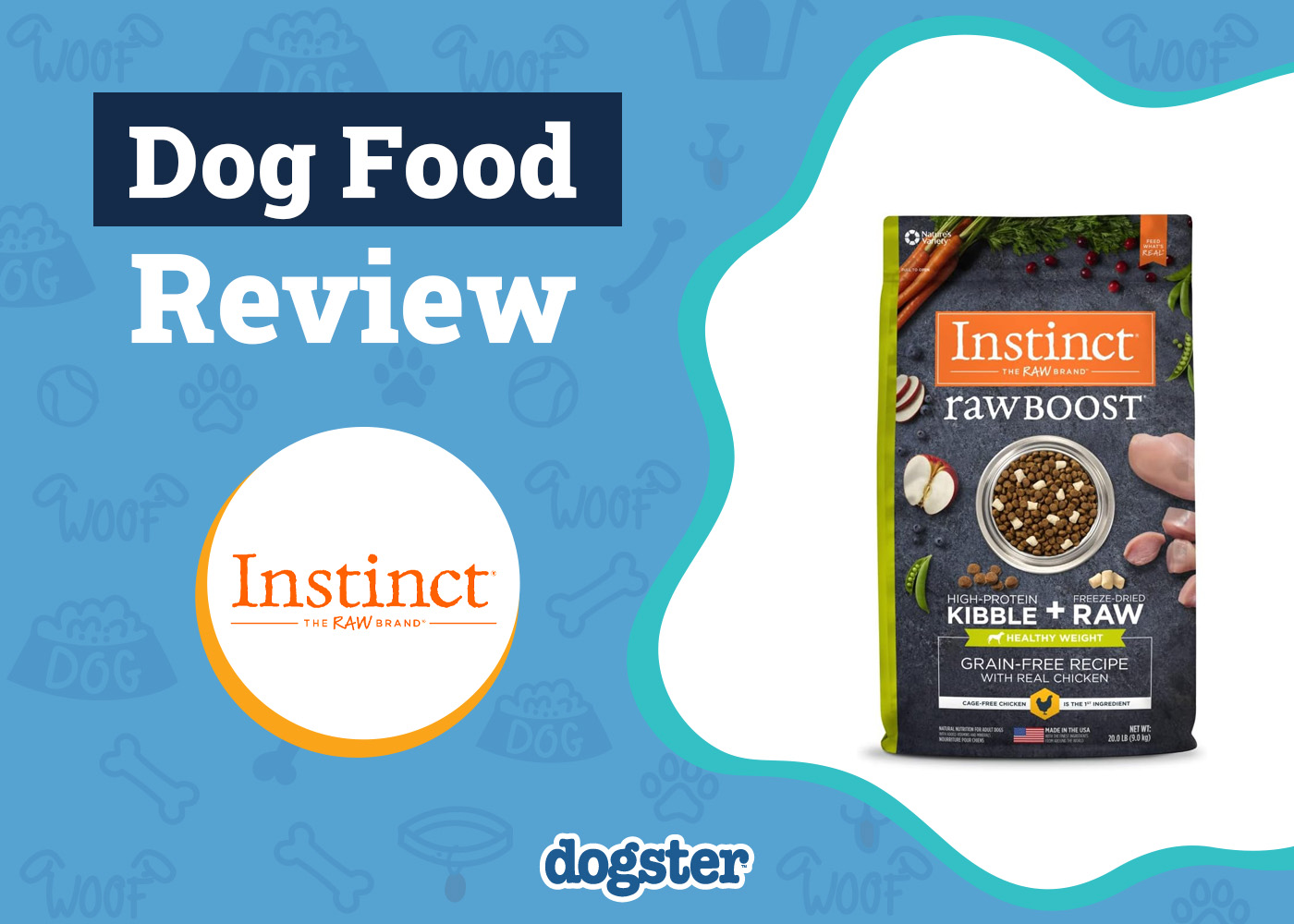
Some raw pet foods undergo a process of low-heat treatment, dehydration, or are ‘freeze-dried’. These processes can have a preservative effect on raw foods, but the only ways to reliably eliminate pathogenic organisms is by heating food to a temperature of at least 165oF, or through high pressure processing (HPP), a non-thermal process that kills harmful bacteria while preserving the nutritional benefits of the product.
The Take Home Message
While the risk of bird flu to your dog remains extremely low, there are some very simple ways to keep that risk even lower, and one of those is to ensure you are only feeding food that has undergone some form of heat treatment. If you are a fan of feeding a raw food diet, we would recommend getting in touch with your supplier to find out what sort of testing they are performing, and consider cooking meat products before feeding them to your pet – just remember to remove bones from chicken!
If you suspect that your pet has been infected or exposed to avian flu, it is important that you contact your veterinarian immediately for advice and follow the guidelines set out by the CDC.
Did You Know?
- Our breaking news articles are included in our weekly emails. Don’t miss out on the latest and sign up for our newsletter below!






















4 Responses
is dehydrated dog food safe from bird flu? will dehydration inactivate the virus?
Hi Karen, that's a great question! Dehydration itself may not inactivate the virus unless the product also undergoes high-pressure processing (HPP), which should be stated on the label. 🙂
I feed my dog freeze dried raw. I don't think freeze dried raw food is heat treated. Is it safe?
Hi Fran, thanks for reaching out to us. Freeze-dried raw food isn’t typically heat-treated, which is one of the reasons it retains many of the nutrients and enzymes that could be lost during cooking. However, while it doesn't go through high-heat processing like traditional kibble, it’s usually subjected to a freezing process that removes moisture, which helps preserve the food and makes it shelf-stable.
However, Like any raw food (whether freeze-dried or fresh), there's always a risk of pathogens like Salmonella or E. coli. The safety depends on the quality of the brand, with reputable companies using strict protocols or processes like high-pressure pasteurization to reduce risks. Proper storage and handling are essential to avoid contamination. If you’re concerned, consulting your vet can provide guidance based on your dog’s health. I hope this helps. 🙂