In this article
View 8 More +Bichon-Poos are popular hybrid dogs that appeared with the Poodle mix wave in the 1990s. These charming dogs are wonderful companion dogs that love being around people. They’re also often recommended for new dog owners because they’re easy to train and very affectionate and friendly.
Life often gets brighter when a Bichon-Poo is around. While they’re generally adaptable and easygoing, they still have specific needs that must be met for them to stay happy and healthy. Here’s what you need to know about this breed and if they’re the right fit for you.
Breed Overview
Height:
9–15 inches
Weight:
6–20 pounds
Lifespan:
12-15 years
Colors:
Black, brown, white, apricot, tan, cream
Suitable for:
Families with young children, those looking for a low-shedding dog, apartment living
Temperament:
Affectionate, easy to train, social
Bichon-Poos are a mix between a Bichon Frise and a Toy Poodle or Miniature Poodle. Their sizes and colors will vary depending on the color and size of their Poodle parents. Most Bichon Poodle mixes won’t exceed 20 pounds. Despite their small size, these dogs have a lot of love to give and aren’t shy about giving and receiving affection from their loved ones. So, it’s no surprise that they’re a pretty popular hybrid dog breed.
Bichon-Poo Characteristics

Bichon-Poo Puppies

Bichon-Poos are one of the more popular Poodle-mix breeds, so it’s relatively easy to find a Bichon-Poo breeder. Just keep in mind that Bichon-Poos have no breed standards, so they can vary in size and appearance. In most cases, Bichon Poodle mixes are bred with a Bichon Frise and a Toy Poodle. However, some breeders will breed Bichon Frises with Miniature Poodles, which often produce larger Bichon-Poo puppies. Therefore, you must do your due diligence and research each breeder to ensure they have ethical breeding practices and deeply care for their dogs and puppies.
You may be able to find a Bichon-Poo puppy at your local animal shelter. There are also some dog rescue organizations that specifically focus on rescuing Poodles and Poodle mixes. So, it doesn’t hurt to do some research on dog rescue organizations near you to see if they have any Bichon-Poos ready and available for adoption.
Bichon-Poo puppies are very affectionate towards humans and are quick to become attached and form a bond with them. They love to play and just be around people. You’ll find that they’ll have multiple short bursts of energy throughout the day and will be happy to nap by your side or on your lap after they’ve released their pent-up energy. Since they’re so small, it’s important to always keep an eye on them because they can get injured easily.


Temperament & Intelligence of the Bichon Poo
Bichon-Poos are bright and intelligent dogs. They also have high emotional awareness that makes them attentive to the well-being of their families. Because they’re both smart and emotionally intelligent, Bichon-Poos are easy to train and make wonderful companion dogs. They tend to excel in obedience training and love spending time with their families.
Bichon Poodle mixes are social dogs that thrive on human companionship. Therefore, they don’t do well being left alone for long hours. They can feel distressed or develop separation anxiety if they’re home alone for too long. They’re an ideal dog for people working from home or in families where at least one person is usually home. Since Bichon-Poos are social, you can look into doggy daycares and dog walking services for days you’ll be away from home for a long time.
Are These Dogs Good for Families? 🧑🧑🧒
Bichon-Poos are good family dogs and do well with young children. Their small size and cuddly appearance make them unintimidating to young children, and they’re usually quick to become playmates. However, it’s still important to take time to teach young children how to play and interact with dogs appropriately and respectfully. Bichon-Poos are prone to injuries from rough housing due to their small size, and they’ll get scared or spooked easily when mishandled.

Does This Breed Get Along With Other Pets?
Bichon-Poos don’t mind being the only pet in the house because they often prefer human companionship and love receiving attention. However, they’re usually friendly with other dogs and can enjoy living with another canine companion. Early socialization is key for Bichon-Poo puppies because other animals and new environments can feel extra intimidating for tiny puppies. Introducing your Bichon-Poo to other friendly dogs will provide invaluable socialization opportunities that help build their confidence.
Bichon-Poos can also learn to live harmoniously with other kinds of pets. Again, early socialization and incremental introductions to other pets will increase the likelihood of success for the pets being able to live in the same home without any issues.

Things to Know When Owning a Bichon-Poo
Food & Diet Requirements 🦴
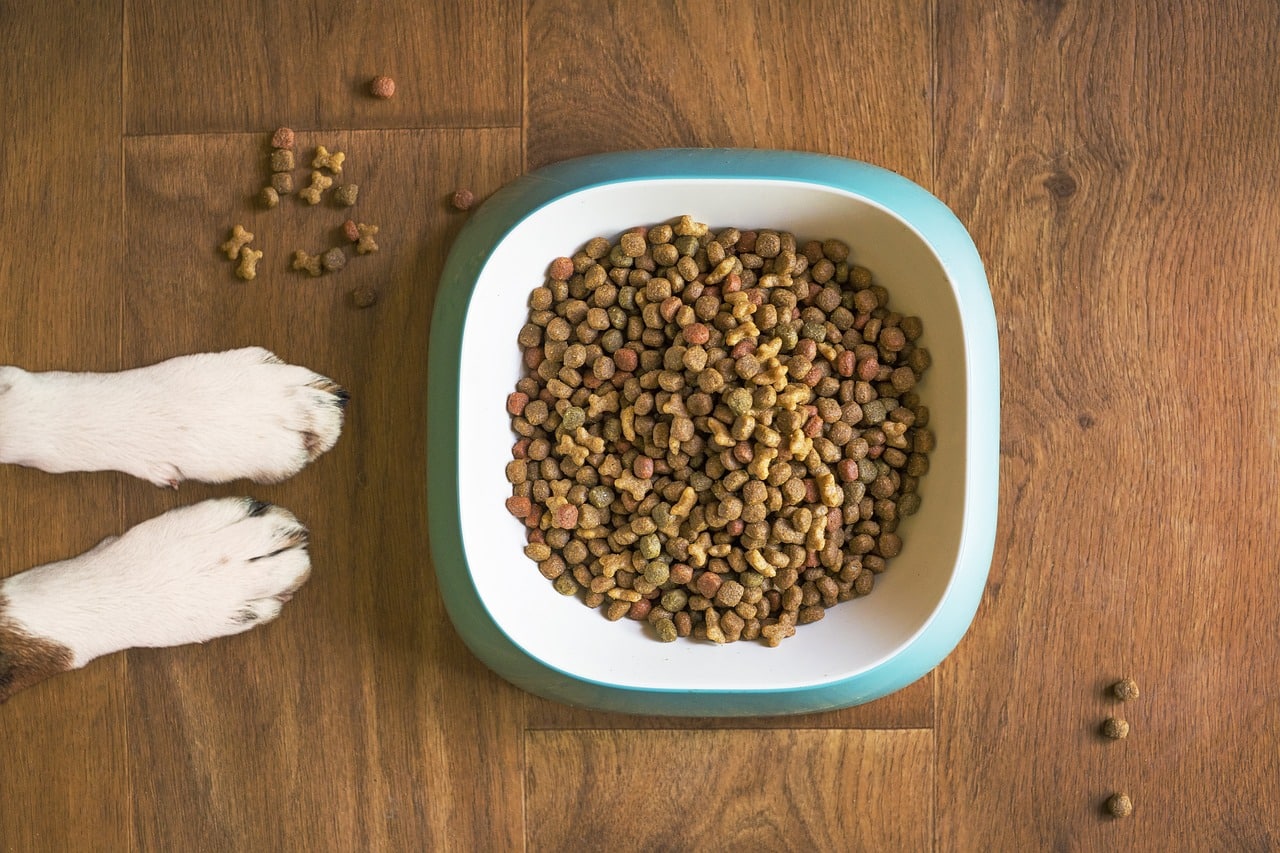
Bichon-Poos are healthy dogs that will thrive on eating high-quality dog food that’s specifically formulated for small dogs. Dogs of different sizes have different nutritional requirements. In general, small dogs need to consume more calories per meal than large dog breeds. They also often benefit from eating dog food containing higher amounts of antioxidants as they reach older adulthood.
Small dogs like Bichon-Poos benefit from eating more frequently throughout the day because they have smaller stomachs and higher metabolic rates. It’s not recommended for them to graze or free feed, as this can lead to excessive weight gain, and Bichon-Poos are susceptible to diabetes. Because diet plays an essential role in a Bichon-Poo’s health, consult your veterinarian to determine healthy portion sizes and receive recommended dog food brands for your Bichon-Poo.

Exercise 🐕
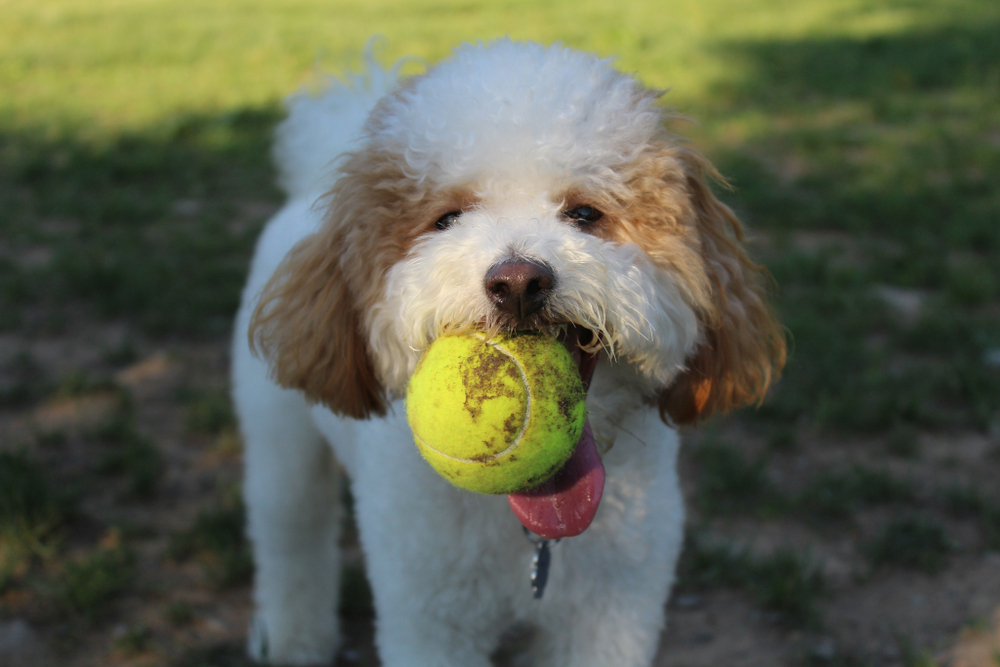
While Bichon-Poos may not be the most active dogs, they still require daily exercise. Most Bichon-Poos will need about 30 minutes of exercise a day. This includes going on walks, playing at the dog park, or running around in your backyard. Bichon-Poos can get by skipping a walk on rainy days. Just make sure to exercise them at home by playing active games with them, like fetch or tug.
Training 🎾
Bichon-Poos are relatively easy to train. They’re intelligent, eager to please, and respond very well to praise and positive rewards. Bichon-Poos are extremely sensitive to people’s tone of voice, and using a harsh or severe tone with them will lower their self-esteem and be detrimental to their overall well-being. They do best when training sessions are kept short, fun, and encouraging, and they’re usually quick to pick up on basic obedience training commands.
Due to their small size, Bichon-Poos are often difficult to potty train. This isn’t because they’re unwilling to learn. They have smaller bladders and can’t hold their pee for long, so it might be helpful to look into getting a patch of artificial grass specifically designed for puppy potty training.
Grooming ✂️
Bichon-Poos have thin and curly hair that’s prone to tangling. Therefore, they require daily brushing to prevent their coats from matting. Because their hair can grow quite long, they’ll benefit from having professional grooming appointments scheduled every 6–8 weeks. Getting their hair trimmed shorter can also help make brushing their coats much easier at home.
Health and Conditions 🏥
Bichon-Poos can live long and healthy lives, but they may develop certain genetic health issues as they age. Here are some common health conditions found in Bichon-Poos.
- Eye issues
- Bladder stones
- Addison’s disease
- Ear infections
- Allergies
- Diabetes
- Epilepsy
- Tracheal collapse
Male vs Female
There are not any significant differences between male and female Bichon-Poos. Male Bichon-Poos may grow to be slightly larger than female Bichon-Poos of the same litter. However, their size and coat type will depend more on their genetics. Larger Bichon-Poos often have miniature Poodle parents, while smaller Bichon-Poos have Toy Poodle parents.
There’s also insufficient evidence that proves any temperamental differences between male and female Bichon Poos. Both genetics and a Bichon Poo’s environment are more likely to affect their temperament and personality rather than the sex.

3 Little-Known Facts About the Bichon-Poo
1. Bichon-Poos Are Popular Therapy Dogs
Bichon-Poos are popular candidates for therapy dog work and emotional support work. They’re attentive and social, and their small and non-intimidating appearance makes people warm up to them pretty quickly. Since Bichon-Poos like being around people, they may enjoy volunteering as a therapy dog and making visits to hospitals and nursing homes.
2. Bichon-Poos Are Ideal Travel Companions
Bichon-Poos make some of the best travel companions. Due to their small size, they usually fit airline travel requirements, and you can also just carry them with you wherever you go. Many people will also appreciate being around a friendly and adorable dog. Bichon-Poos are also confident and like a good adventure. They’ll like going on hikes and camping trips. Just keep in mind that they can be sensitive to the cold and will require a winter coat and other equipment to help them stay warm.
3. Bichon Poodle Mixes Like Having Conversations
Bichon-Poos don’t have a particularly loud bark, but they can be pretty vocal, especially when they play. It’s common for them to bark or growl excitedly when they’re playing. Some Bichon-Poos may try to have a conversation with you by making a variety of noises. They’re excellent communicators and will find a way to let you know exactly what they want, even if they don’t have the words for it.

Final Thoughts
Bichon-Poos were bred for companionship, and as a result, they’re some of the best companion dogs that someone could ask for. They’re confident, friendly, and adaptable. They have easygoing personalities and can adjust well to apartment living and living with families with younger children. As long as they’re not consistently kept home alone for long hours, Bichon-Poos can thrive just about anywhere. They’re adventurous travel companions while also enjoying a lazy afternoon on the couch. They’ll be happy to do anything or nothing as long as they’re spending time with you.
Featured Image Credit: Nicola Pulham, Shutterstock