In this article
Flying with any dog can be stressful, but large breeds can be even more so, and there are many considerations that you will need to make, especially if you’ll be flying internationally.
If you need a little help in this area, keep reading as we list several things that you can do to help ensure a smooth trip.

The 16 Tips for Flying with a Large Dog
1. Give Yourself Plenty of Time
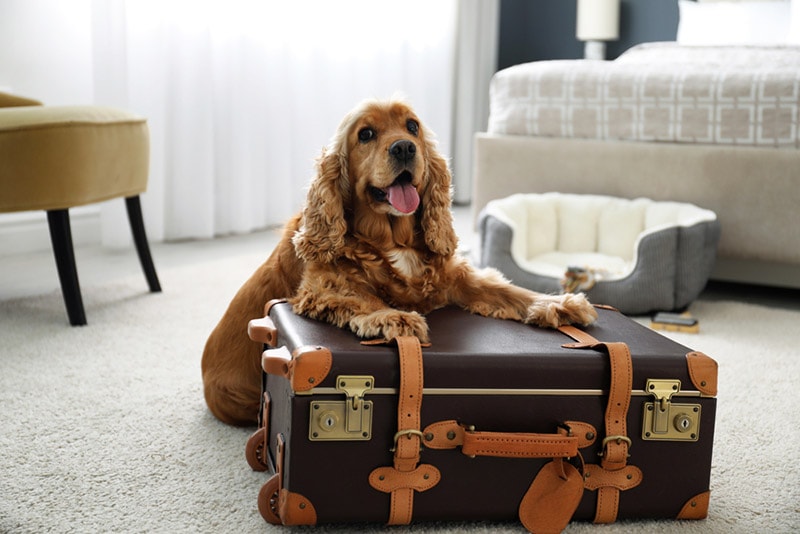
The first thing that you should do is recognize and accept that traveling with your pet can take considerable planning. Try to give yourself as much time as possible to get your dog ready for the flight, this means start planning months or at least weeks in advance to be sure you have everything together.
2. Learn About the Airline Policies
Each airline will have unique policies concerning pets. In some cases, you might be able to bring the dog into the cabin to ride with you, especially if they are a service animal, but cabin riding is usually only available for small dogs. Dogs weighing more than 20 pounds, including the carrier, will usually need to travel as checked baggage or cargo.1 In that case, it’s generally better to choose cargo for better tracking capabilities. Some airlines will only allow dogs over a certain weight to travel as cargo.
3. Use a Licensed Commercial Shipper

More airlines are requiring passengers to use a licensed commercial shipper that works with the airline to ship their dogs, especially large breeds. These are more expensive than baggage or cargo and may require additional steps. If the airline that you are using requires you to use a commercial shipper, you can get a head start on the process by visiting the International Pet and Animal Transportation Association website.
4. Take Your Dog to the Vet
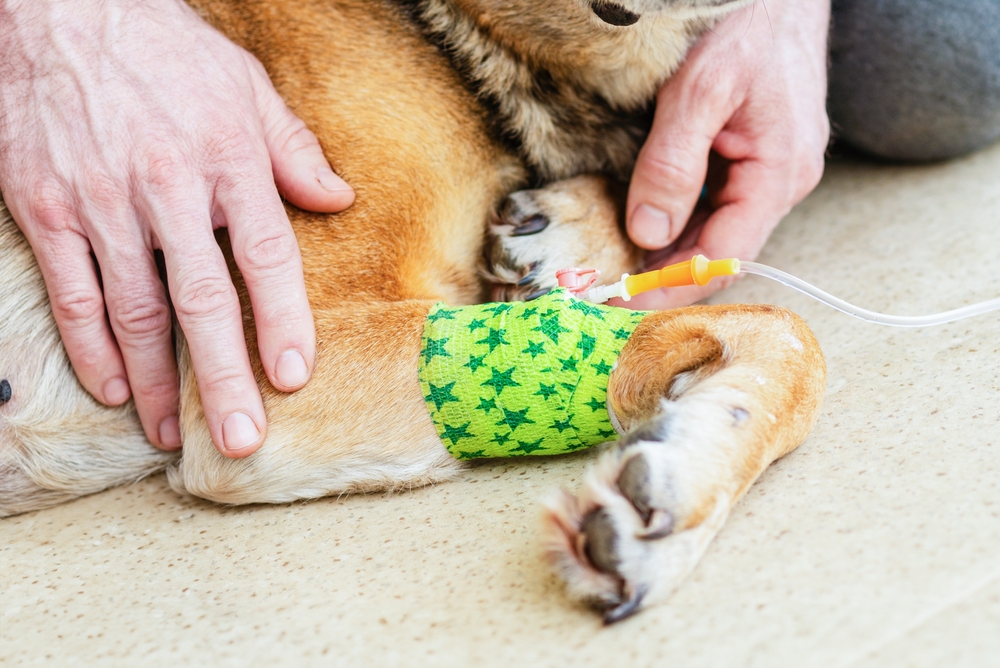
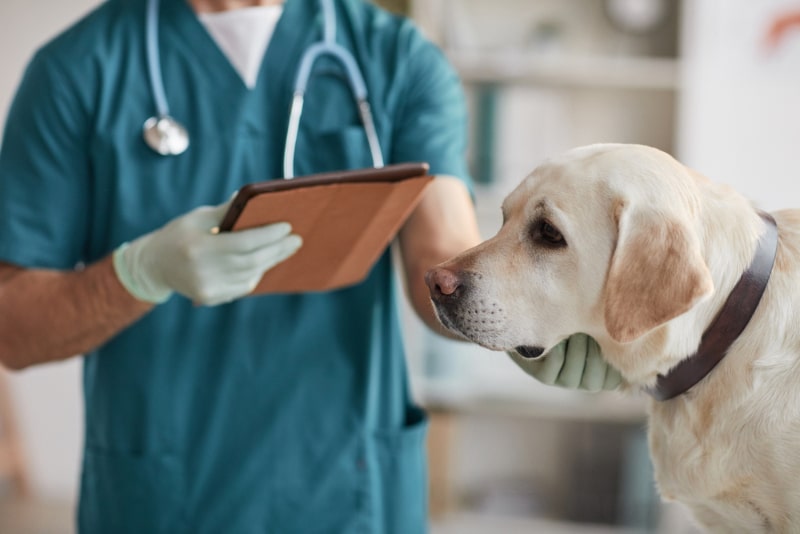
Many airlines require proof that your pet is in good health and fit to fly. Your pet must have all their vaccinations and be free of fleas and ticks. While you are visiting your vet, discuss any concerns that you might have about keeping your pet calm, hydration, or feeding during the trip so you can get information specific to your pet.
5. Microchip Your Dog
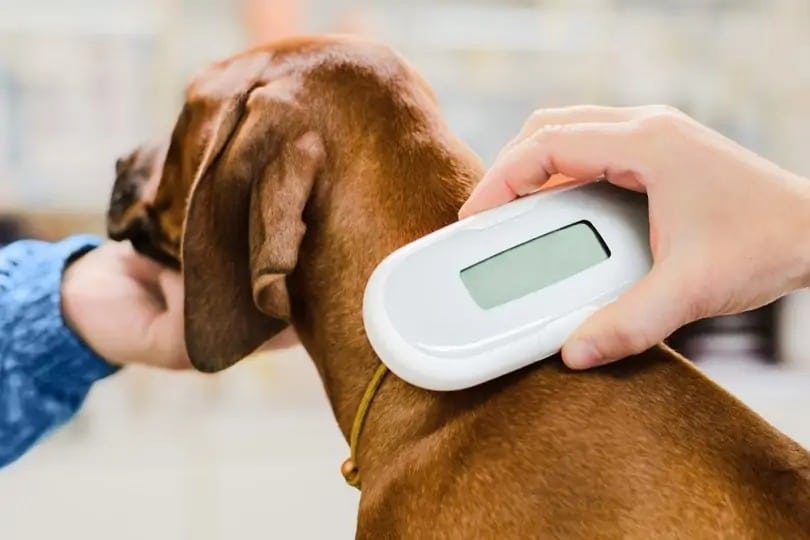
Some airlines will require your pet to have a microchip to fly in case there is a problem during transit. The microchip ID number will help them track your pet, and it will make it more likely that you will find them if they get lost on your trip.
6. Choose the Right Crate
You will need a travel crate for your pet that complies with the International Air Transport Association guidelines. It will need to be sturdy, with enough room for your dog to stand, turn, and lie down. There should also be plenty of ventilation and a “Live Animal” sticker on the outside. Make sure you have proper identification on the outside of the crate to help ensure that your pup gets returned to you safely.
7. Get Your Dog Used to the Crate
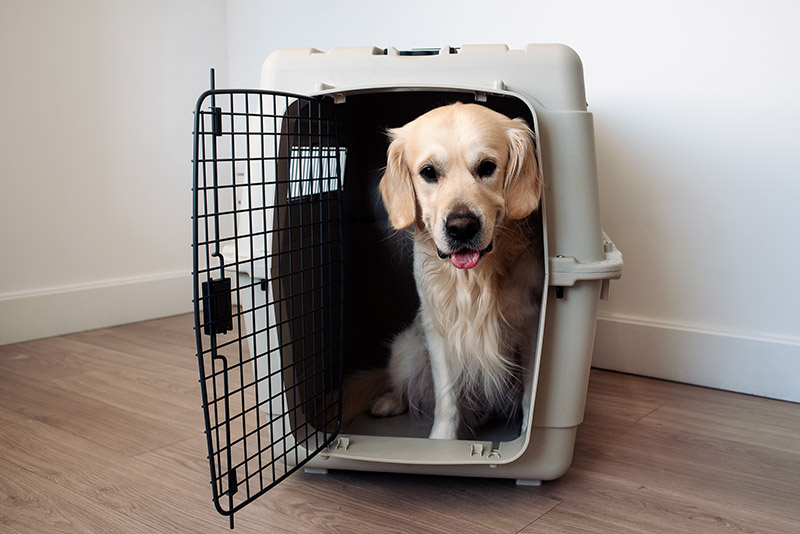
Get your dog used to spending time in the crate as early as possible so they will feel more comfortable when inside. Encourage them to sleep in it with the doors open, and gradually increase the time that they spend inside with the door closed, using positive reinforcement in the form of treats and praise to let them know that they are doing the right thing.
8. Plan for Exercise and Bathroom Breaks
It’s a good idea to ensure that your pet gets plenty of exercise before the flight to help increase the chance that they will spend more time sleeping during it, which will help reduce anxiety and make the journey easier for your pet. You will also want to ensure that your pet has had many chances to relieve themselves before the flight. Check if the airport has a pet-relief area, and allow enough time to use it before boarding.
9. Pack a Doggy Travel Kit

A doggy travel kit can include a water bottle, collapsible bowls, food, a favorite toy, a comfortable pad for the crate, and any medications that your dog might need. Attach an easy-to-read tag to the outside with instructions for feeding and watering for 24 hours.
10. Freeze Their Water
Fill a dish halfway with water, and freeze it for longer trips so it doesn’t spill but can still provide your dog with a drink.
11. Check the Weather

Many airlines will allow pets to travel in the cargo compartment only when temperatures are between 45–85 degrees Fahrenheit. Therefore, you will need to check the weather to schedule a flight where the temperature will remain in that range to minimize the risk of delays or other problems that might increase the amount of stress that you and your pet experience.
12. Choose Direct Flights
When possible, choose a direct flight to minimize stress on your dog and reduce the risk of delays and mishandling of your pet.
13. Arrive Early
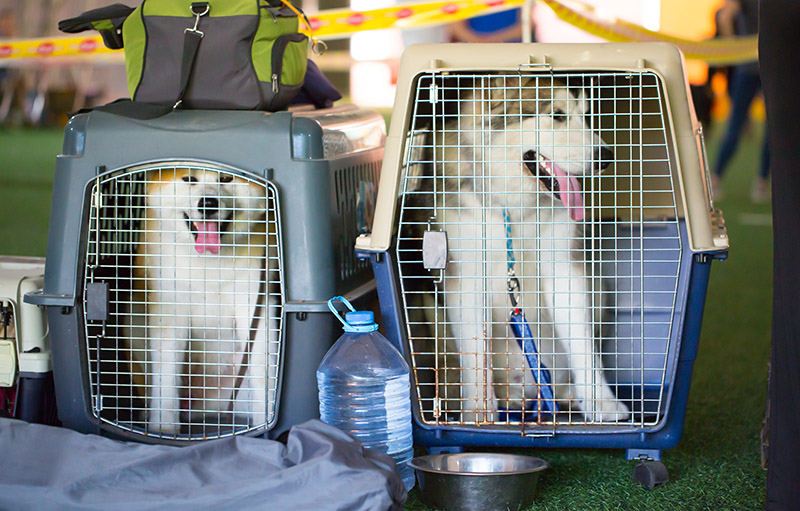
Arriving at the airport well before your scheduled time will help you deal with any last-minute problems that might arise and give your pet a chance to visit the pet relief area. It will also give you more time to ensure that your pet is comfortable and settled before the flight.
14. Stay Calm and Positive
Staying calm and positive around your pet leading up to the flight will help them do the same. Dogs can pick up on your emotions, and if you are nervous, they may be too.
15. Bring Chew Toys

Ensure that your dog has a few chew toys that they can play with while they are flying, to help reduce stress and prevent them from becoming bored.
16. Schedule During Off-Peak Times
When possible, try to schedule your flights for off-peak times, when there is less traffic and commotion, so it is easier to get through the airport.

Frequently Asked Questions
What Do I Need to Know When Flying With a Large Dog Internationally?
- When traveling internationally, your pet will need any required vaccinations for potential diseases and preventatives for parasites that are common in the destination country. Proof may include documents signed by your vet or forms that you submit online. They will also need a health certificate like you do.
- Check quarantine guidelines as some countries may require your pup to quarantine before they let them out and about. Plan your timeline and supplies accordingly.
- Prepare for the weather in the destination country. It can be significantly different from the weather in your area, which might create a stressful environment for your pet.
What Do I Need to Know When Bringing a Dog Into the United States?
- Before bringing a dog into the United States, it’s a good idea to check the APHIS website for up-to-date rules about bringing animals into the country. For instance, there is currently a suspension on bringing dogs into the United States from countries with a high risk of rabies until July 2024.
- Your dog may need a certificate that states that they are free of screwworms and other illnesses if you visit a country where they are common.
- All dogs must appear healthy and have an up-to-date rabies shot.
How Much Does It Cost to Fly With a Large Dog?
Unfortunately, the cost of flying with your pet can vary too much, due to many factors, to give even a ballpark figure here. It’s best to contact the airline that you are considering to get an estimate.
Are There Any Breeds That Cannot Fly?
Some airlines won’t allow brachycephalic (short-nosed) breeds, like the Bulldog, Boxer, Boston Terrier, and others, due to health risks in flight. If you are flying to another country, they may have additional restrictions on certain dog breeds that the airline or APHIS website should let you know about.
What Happens If My Pet Is Lost or Injured During the Flight?
If your pet is lost or injured, immediately report it to the airline. They should have policies in place to help you get the help that you need.
Summary
Flying with your pet can seem like a great deal of work when you first start thinking about it, but you can make it easier by giving yourself plenty of time to move through the process. You will need to schedule an appointment with a vet to get the required forms and signatures that state that your pet is healthy and fit for flight.
If you are flying with a large dog internationally, your pet may need additional vaccinations or forms. You will also need an International Air Transport Association-approved crate filled with chew toys and other supplies, and your dog will likely require a microchip. Then, you must contact the airline to see how they will allow your pet to fly and if you need to use a commercial shipper. Before the flight, ensure that your dog has had plenty of activity to burn off excess energy, and visit the pet relief area to let them use the bathroom before takeoff.
Featured Image Credit: Kraeva Olga, Shutterstock