Get

In Your Inbox

Dogster is reader-supported. When you buy via links on our site, we may earn an affiliate commission at no cost to you. Learn more.

Back Pain in Dogs: Our Vet Explains Signs, Causes & Treatment

Share

sick-beagle-dog-lying-on-the-floor

You probably know that back pain is common in us two-legged humans. Many people don’t know, however, that back pain is also relatively common in their four-legged companions. Dogs suffer back pain for both similar and different reasons to people. Back pain can be tricky to diagnose in dogs, in part because they do not arrive at the clinic and announce to the veterinarian, “I have a sore back”.

So, what are the causes of back pain in dogs, and what remedies are available to help them recover? This article will discuss the importance of getting an expert’s opinion, as well as pain relief, rest, physiotherapy, and adjustments you can make at home. It will also touch on what signs to watch for and alternative therapies.

dogster paw divider

Signs of Back Pain

Here, it helps to categorize back pain into those conditions causing pain (and pain alone), and those conditions causing pain and neurological deficits. The latter occurs when the spinal cord, which runs between the vertebrae that make up the spine, is compressed.

This prevents nerve signals from reaching their target, such as the legs, after being sent out by the brain.

Senior Golden Retriever feeeling sick resting on a dog bed
Image Credit: Yobab, Shutterstock

1. Back pain without neurological deficits

    • Reluctance to walk or jump
    • Stiff and stilted gait, as if walking on egg-shells
    • Hunched or arched appearance to the back
    • Pain or sensitivity when touched on the back
    • Normal coordination


2. Back pain with neurological deficits

    • Difficulty walking
    • Stumbling and crossing legs
    • Paralysis of the back legs or all four legs
    • Loss of pain perception
    • Severe pain and distress

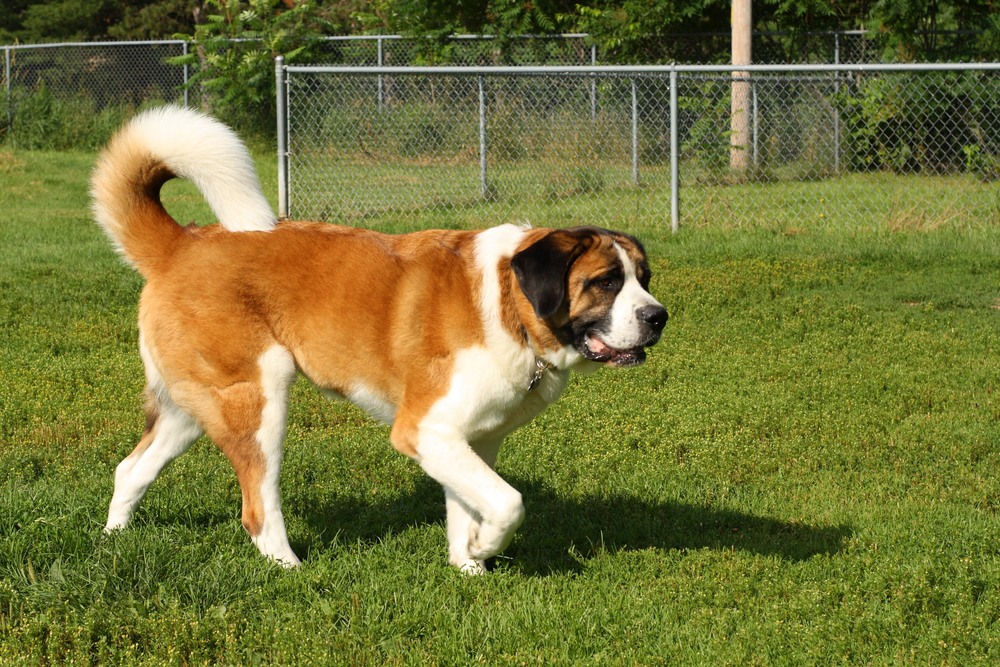
saint bernard dog walking on grass
Image Credit: Nick Chase 68, Shutterstock

Dogster_Website dividers_v1_Jan 18 2026-03

Causes of Back Pain

There are numerous causes of back pain in dogs, ranging from those relatively benign in nature to those that can be life-threatening. The four most common causes have been summarized below:

1. Arthritis

As dogs age, the bones and joints in their back experience “wear and tear.” This can cause pain and bony protrusions.
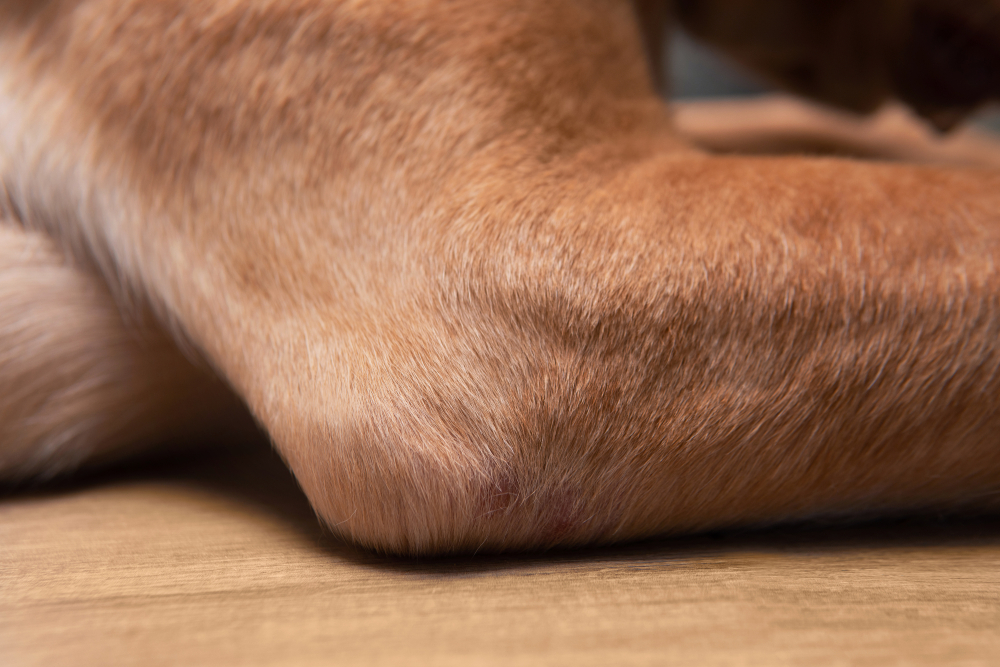
Dudley Labrador retriever elbow joints close up
Image Credit: 9gifts, Shutterstock

 2. Disc Disease

This refers to the intervertebral discs that sit between vertebrae (bones of the spine). More specifically, it refers to the bulging of that disc, which puts pressure on the spinal cord. There are sub-types of disc disease in dogs—some occur slowly over time; others occur very suddenly. Disc disease can cause anything from mild back pain to complete paralysis.


3. Soft tissue injury

This is vet-talk for an injury, normally caused by landing awkwardly, turning too quickly, or just over-exercising. Soft tissue injuries are unlikely to cause neurological problems.

young woman talking to the vet
Image Credit: SeventyFour, Shutterstock

4. Inflammatory conditions

Infections and auto-immune conditions affecting the layers of tissue around the spine can cause significant back pain in dogs.

Dogster_Website dividers_v1_Jan 18 2024-01-TEST

Recovering From Back Pain: A 5-Step Approach

Follow this plan to help with your dog’s back injury recovery time.

1. Arrange a Vet Consult

We can’t emphasize enough the importance of seeking prompt veterinary care and following your veterinarian’s guidance. Your vet will ask questions, examine your dog, and arrange suitable tests; sometimes, they may recommend an MRI or CT scan to visualize the back and spinal cord.

They can discuss the treatment options and prescribe pain relief.

If you need to speak with a vet but can't get to one, head over to PangoVet. It's our online service where you can talk to a vet online and get the advice you need for your dog — all at an affordable price!

PangoVet_Mention-in-Content Savings V1


2. Pain Relief

One of the cornerstones of being a vet is alleviating pain; of course, no dog owner wants to see their dog in pain. Anti-inflammatories are commonly prescribed, though other pain-relief medications may also be warranted.
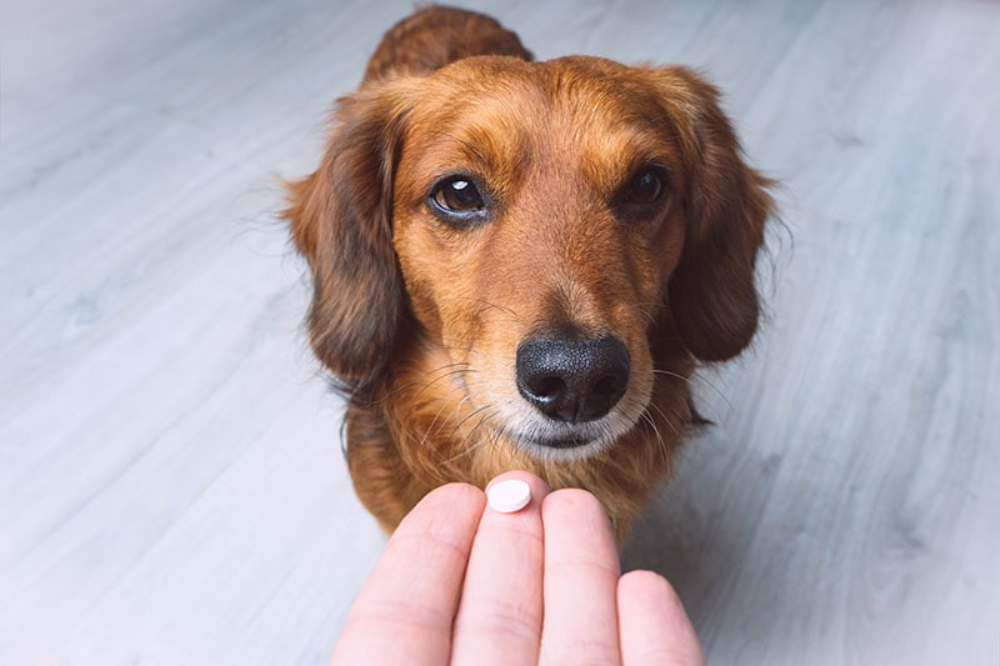
Owner giving medicine in a pill to his dog
Image Credit: Creative Cat Studio, Shutterstock

3. Rest and Controlled Exercise

Rest allows inflammation in muscles and ligaments to settle down. However, too much rest can be counterproductive.

As a rule of thumb, gentle leash exercise is beneficial. When not performing this gentle exercise, it’s best to keep your dog in a crate or small room to minimize movement and prevent jumping. It may feel a bit cruel, but it’s in their best interests.


4. Physiotherapy

Your vet may allocate a specific physiotherapy plan for your dog. Hydrotherapy (under-water exercise) is also useful, depending on the severity of your dog’s injury.

Heat packs for 10–15 minutes per day are a good way of providing comfort and promoting blood flow to the area, which improves healing.
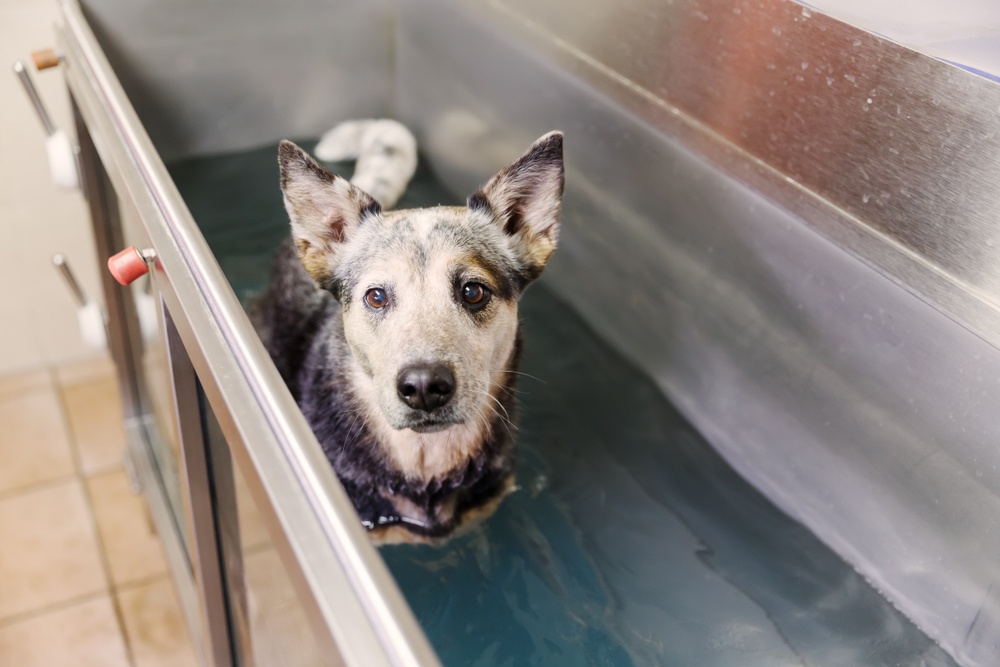
picture of an Australian Cattledog in a hydrotherapy station
Image Credit: Christian Mueller, Shutterstock

5. Home Adjustments

Providing non-slip floors is very helpful; you may have to lift your dog onto the couch, or into the car, to prevent them from jumping. Weight loss is very important (if your dog is overweight). Restrict access to stairs.

Dogster_Website dividers_v1_Jan 18 2024-03

A Note on Other Therapies

In addition to the steps outlined above, you may hear about other treatment options for dogs with back pain. Some have limited research, and others must be discussed with your veterinarian. Joint supplements may or may not be beneficial.

Laser therapy appears promising if performed by an expert. Acupuncture and other traditional remedies may be useful, though more research is needed.

At this point, it is appropriate to state that many dogs experiencing neurological issues as a result of spinal cord compression require surgical intervention. This surgery removes the bulging disc material and is generally performed by a veterinary specialist.

dogster paw divider

Conclusion

Thankfully, the strategies outlined above allow most dogs to make a recovery from their back pain. If you are concerned that your dog is experiencing back pain, or want to implement a plan to minimize the risk of back pain, we recommend arranging a consult with your veterinarian.


Featured Image Credit: Elena Loza, Shutterstock

Want content like this delivered to you?

Sign Up For Our Newsletter

News, insights, expert advice, and everything dog

* By submitting, you agree to our Terms & Conditions and Privacy & Cookies Policy.


How useful was this post?

Click on a star to rate (you can leave written feedback after clicking submit)


Help us improve Dogster for pet parents!

Your feedback really matters.

What did you like about this post? Also how can we improve it?

Join the conversation

Leave a Reply

You’re very welcome to leave a comment or question. Please know that all comments must meet our community guidelines, and your email address will NOT be published. Let’s have a positive and constructive conversation.


Talk With A Vet Online

Peace of mind,
anywhere, anytime

Affordable vet advice

Why Some Dogs Treat Mealtime Like Playtime – And When to Pay Attention

Most dogs are reliable eaters. Bowl goes down, food disappears. So when a dog starts batting kibble across the kitchen floor, tossing pieces...

Major Win for Dogs: Ontario Becomes the Final Province to Ban Ear Cropping and Debarking

​​Ontario has approved new animal welfare regulations that will prohibit elective ear cropping and devocalization (debarking) procedures in dogs from January 1, 2027....

Dogster’s Weekly Photo Contest Winners: Most Adorable Puppy (June 8, 2026)

Every week our team gets the privilege of sorting through our readers photos to choose what dogs will win this weeks contest! See...

The Spice Cabinet Dangers Most Dog Owners Don’t Think About

Most people know chocolate is off-limits for dogs. Fewer realize that some of the most common herbs and spices sitting in a kitchen...

More related

Golden Cavalier: Info, Pictures, Care & More

The Golden Cavalier is a true sweetheart. You’d expect nothing less from a dog that is a cross between the Golden Retriever and...

Owala Pet Bowl Review 2026: An Expert’s Breakdown

About Owala Owala is a water bottle company that set out to create the most functional, useful water bottles for everyday life. And...

Can I Leave My Shih Tzu Alone? Vet-Approved Facts & Training Tips

Ever since ancient days, the Shih Tzu has been accustomed to following their humans wherever they go. But in modern times, it’s harder...

Fawn (Isabella) Dachshund: Info, Pictures, History & More

If you’ve ever crossed paths with a Dachshund, you’ve no doubt been bowled over by their cuteness, enthusiasm, and sausage-like features—but don’t be...

Keep reading

Why Does My Dog Eat Tissues? 3 Vet Approved Reasons

Every time you turn, your dog is into something different. Maybe last week, they were ripping up the trim on your baseboards, and this week, they’re nose-deep into your Kleenex box. If your dog has recently taken a shine to...

Golden retriever playing with tissue on couch

What Is Hypoallergenic Dog Food Made Of? Vet-Verified Ingredients

If your dog is struggling with symptoms of food allergies (more on those later), your vet may suggest changing to hypoallergenic dog food. But what exactly is hypoallergenic dog food made of? Typically, hypoallergenic diets for dogs are made from...

labrador retriever eating from a bowl

10 Best Slow Feeder Dog Bowls in 2026 – Reviews & Top Picks

Some dogs eat their food entirely too quickly, leading to abdominal discomfort to medical emergencies, like bloat (also known as gastric dilatation-volvulus) and choking. To slow down your dog’s eating habits, you may consider trying a slow feeder bowl. These...

dog eating from a slow feeder bowl

6 Best Dog Foods for Shiba Inus in 2026 – Reviews & Top Picks

As with most pets, the Shiba Inu is at its healthiest when eating high-quality dog food that is specially designed to meet its needs. This breed is energetic but also prone to becoming overweight due to being a small breed...

Shiba Inu dog eating from stainless steel bowl

Can Dogs Eat Mushrooms? Vet-Reviewed Safety & Health Facts

We know that our dogs love all things food, but what about a nice, meaty portobello mushroom? Can dogs eat mushrooms, and are they healthy for them? Yes, dogs can safely eat most mushrooms that we purchase from our local...

Can Dogs Eat Mushrooms

Can Dogs Eat Waffles? Vet-Verified Nutrition Facts & Risks

It’s nice to spend time with your pet in the morning and share a good breakfast with them, which has many people wondering if it is safe to feed waffles to dogs. It might be fine for your dog to...

Can Dogs Eat_waffles

Can Dogs Eat Brie? Vet-Reviewed Facts & FAQ

It can be hard to resist when our canines give us those puppy-dog eyes at the dinner table or while we’re having a snack. Just a small bite of our food won’t hurt them, right? Well, that depends on exactly...

Can Dogs Eat Brie

Can Dogs Have Balsamic Vinegar? Vet-Reviewed Facts You Should Know!

Balsamic vinegar is a delicious condiment that can be used in many types of cuisine in many ways. Whether it’s in dips and sauces or added to a marinade, it’s a tasty addition that adds a sweet “zing” to the...

Can Dogs Eat_balsamic vinegar

Love Dogs? So Do We! Join the Dogster Community

Stay informed with expert pet care insights delivered straight to your inbox! Discover professional guidance on animal behavior, feeding tips, trusted product picks, and much more.


Sign up for the Dogster Email Newsletter