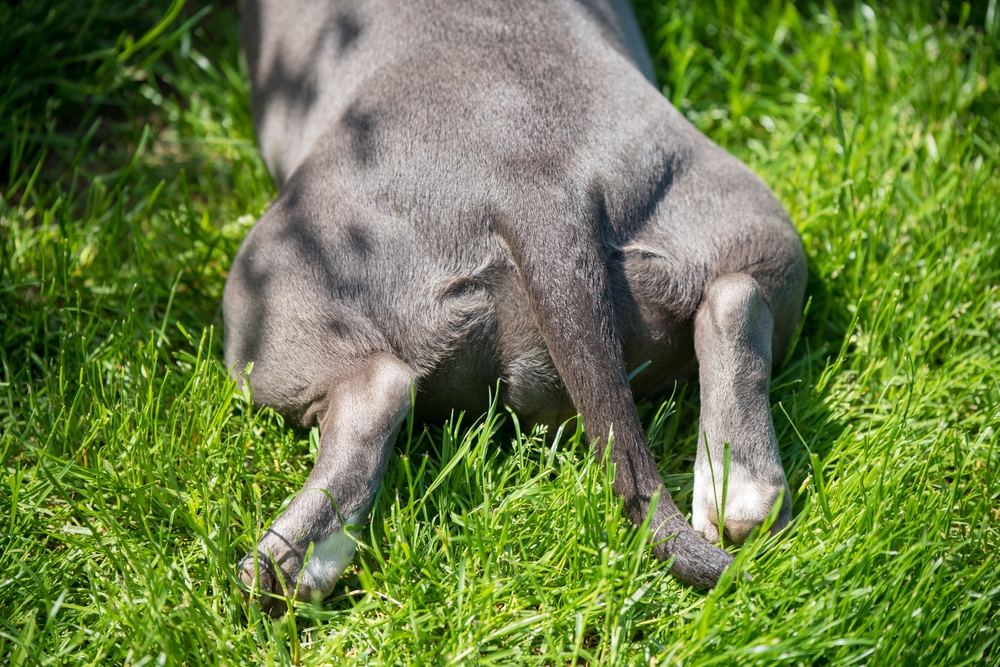
Your dog may not be using one of their back legs for many reasons, each with varying degrees of severity. Whether the disuse of their hind leg came on gradually or is a sudden change, a veterinarian should be the first person to consult, but while you wait for your appointment, let’s go over the possible factors affecting the use of your dog’s back leg.

The 10 Reasons Why Your Dog is Not Using Their Back Leg
1. Toenail Injury
Toenails are such tiny parts of your dog’s overall leg, but you’d be surprised how sensitive they can be. An injury to the toenails can have a dog picking up their entire back leg in order to decrease any painful pressure. Toenail injuries may consist of broken nails from running on hard surfaces or getting stuck in something like a blanket. Toenails can also cause pain if they get too long, causing a misalignment of a dog’s weight-bearing axis or curling into the paw pads.
You can find a toenail injury by thoroughly examining your dog’s foot, but be careful, as an injured toenail can be painful, and your pet may react negatively to it being touched.
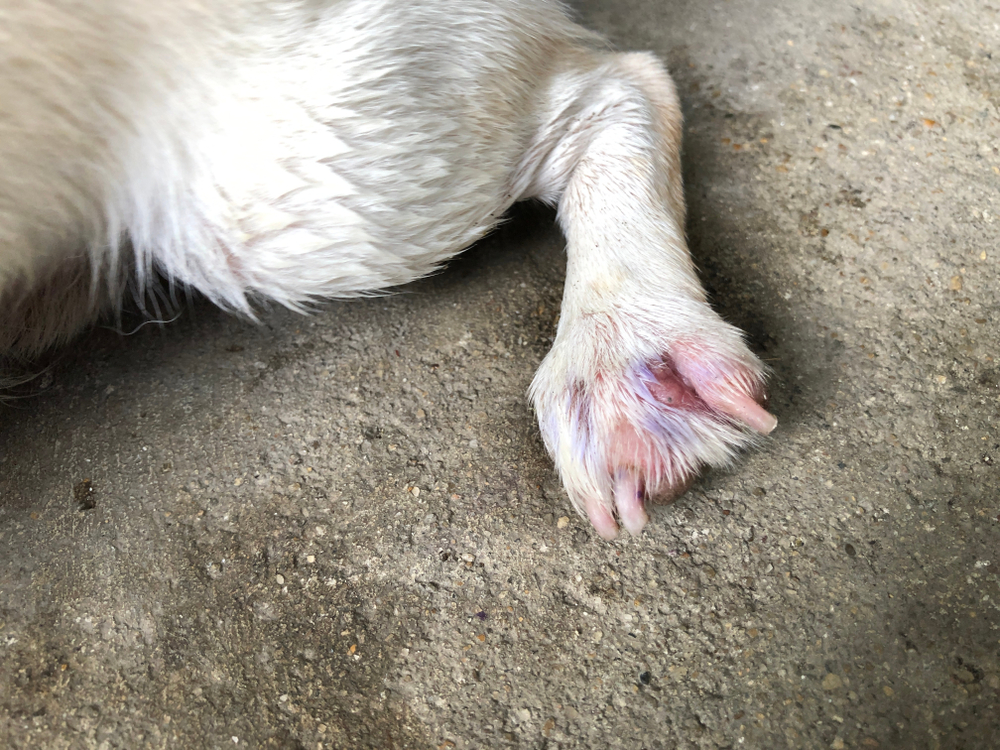
2. Paw Injury
A dog’s paws take a great deal of beating. They strike the ground with every step that a dog takes, and sometimes the ground can contain harmful objects. Sharp rocks, wood splinters, grass seeds, thistles or thorns, and hot or cold surfaces can all damage a dog’s paws. Objects can become embedded in the pads or skin, creating festering abscesses, and harsh chemicals or temperatures can cause painful blisters. If a dog doesn’t want to use one of their back legs, check out the paw for signs of an obvious wound, swelling, redness, or heat.
3. Fracture
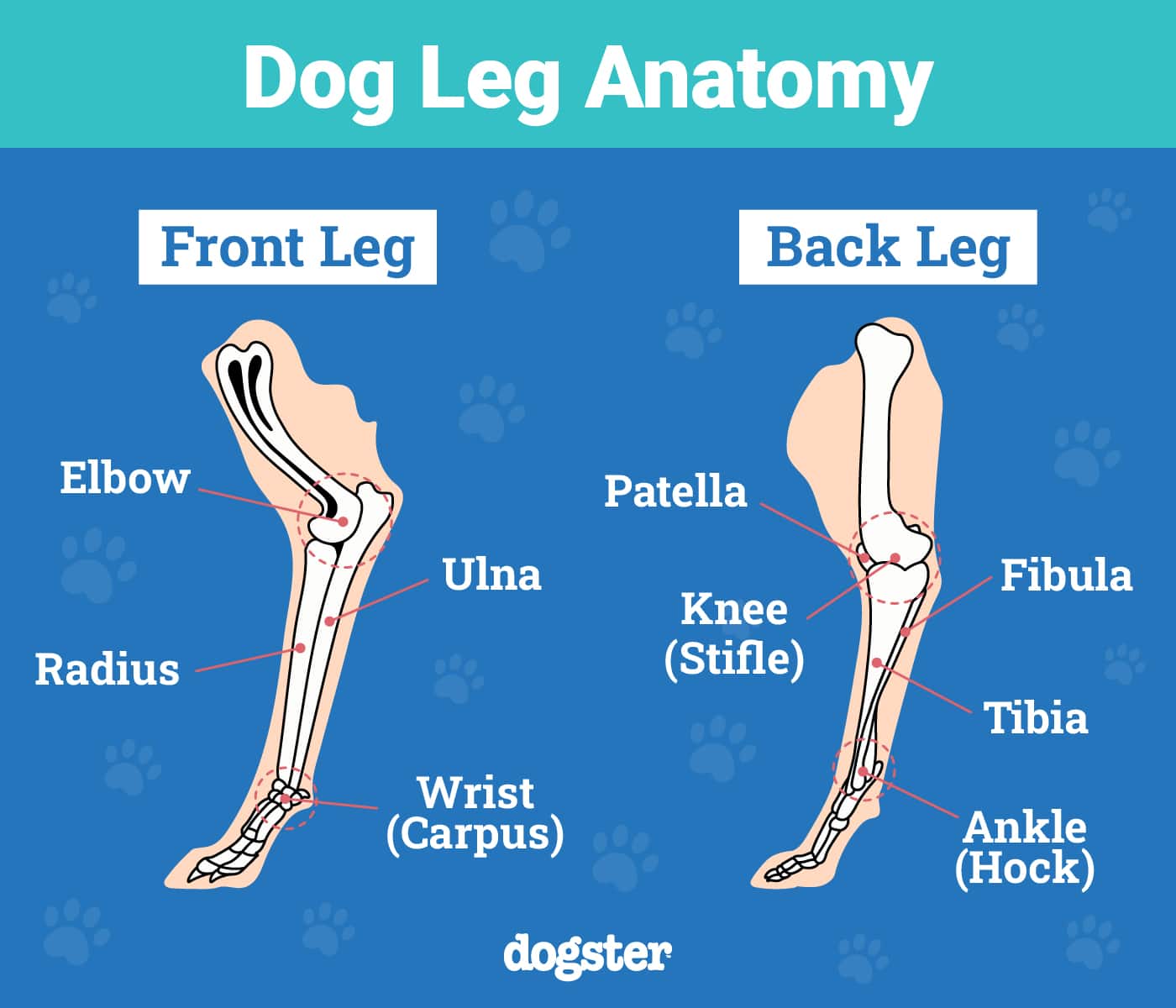
A dog has three long bones and multiple small bones in each back leg. They also have four bones in the pelvis that have an impact on the hind leg. A fracture or break in any of these bones can affect how they use the leg. Even a small fracture in one of the tiny bones in the ankle joint can cause enough pain to make them not want to use it. Fractures commonly happen after some kind of trauma, such as being hit by a car or stepped on, falling, or fighting. Look for signs of swelling, areas of pain, or breaks in the skin. A vet will often need to take an X-ray to diagnose a fracture of the leg or pelvis.
4. Connective Tissue Tear
Any human athlete is likely familiar with connective tissue injuries, with the most famous being the ACL tear. Unfortunately, our canine companions, athletes or not, can also get these types of injuries. Tears to tendons, ligaments, or cartilage can make a dog not want to use their hind leg. Most injuries in this department are related to the stifle, or knee joint, but can include the connective tissue in the ankle, hip, or even toe joints. Cranial cruciate ligament tears or meniscal damage are the most likely culprits and may require surgery to manage.
Seek veterinary advice if you’re concerned about your pet’s well-being.
Did you know you can speak to a veterinarian without having to travel? Just head over to PangoVet. It's our online service where you can talk to a vet online and get the advice you need for your pet — all at an affordable price!

5. Joint Issue
Joints are amazing mechanical feats. They enable your dog’s leg to bend and twist in various ways that provide them with functional mobility. But that amazingness isn’t immune to injuries and disease. Vigorous exercise, trauma, or congenital defects can all lead to joint pain and lameness in the back leg. Hip dysplasia, osteoarthritis, patellar luxation, and osteochondritis dissecans are just a few possibilities.
A joint dislocation could also be causing your dog’s back leg lameness. This can be difficult to judge with the naked eye, though, and often requires imaging to diagnose.

6. Muscle Injury
Dogs have powerful muscles in their hind legs in order to propel them as they race after a ball or jump into the back of the car. Those muscles can easily become injured, especially with strenuous or high-impact exercise, overuse, or trauma. Muscle strains or tears can force a dog to pick up their back leg. You may also see weakness or trembling of the leg muscles, bruising, or swelling. The best way for your dog to avoid muscle injuries is to provide low-impact exercise with plenty of breaks and warm-up and cool-down times.
7. Nerve Issue
The nerves within and that supply the leg can be affected by trauma or an injury, toxins, infections, tumors, inflammation, or metabolic disorders like diabetes. The nerves coming off of the spinal cord are responsible for the movement of the back legs, so injuries or issues with the back, such as intervertebral disc disease, can also cause a dog to not use one of their hind legs. When the nerves aren’t functioning properly, a dog may not be physically able to move the leg. They may also lack reflexes and feeling in the leg. Certain nerve issues will heal with time, but be sure to see a vet.
8. Hematologic Abnormality
Hematologic abnormality is an issue with blood flow to the leg. Things like a fibrocartilaginous embolism or blood clot in just the right place can disrupt blood flow to the leg. These can be painful, and if severe enough and untreated, it could lead to death of the tissues. Trauma or tumors can also disrupt blood flow, creating pain, swelling, bleeding, and lameness.
9. Cancer
Any cancer affecting the bone or soft tissue of the back leg can be a reason that a dog won’t use it. Common ones include osteosarcoma, fibrosarcoma, or even tumors of the skin. Look for swelling, lumps, or discoloration to go along with the lameness. Any new lump or bump should be checked out by a veterinarian as soon as possible. Don’t wait for it to cause lameness, as cancer is best treated the sooner that it’s found.

10. Systemic Illness
Many things can cause muscle weakness and make a dog unable to use one of their back legs, and certain whole-body issues don’t even stem from the legs. Problems like Cushing’s disease, diabetes, anemia, hypothyroidism, myositis, and heart problems may all be causes. You may see various other signs associated with whatever illness you’re dealing with, so it’s best to visit a veterinarian.
What to Do If Your Dog Is Not Using Their Back Leg
Any time a dog refuses to use a leg, it’s a cause for concern. You can start your initial exam at home, but be prepared to see a vet sooner rather than later. If your dog is willing, check over their paws and legs, looking for wounds and feeling for areas of pain or swelling. If you can’t find anything and your dog is only mildly lame, you may choose to monitor the situation for a day or two, but if they aren’t using their leg at all, go to the veterinarian. They will further examine the leg, checking the range of motion, feeling joints and bones, and performing imaging as needed. If there are lumps or bumps, samples may need to be taken, and blood work may indicate illnesses.
From there, treatment will depend on the cause, from a thorn in the paw to hip dysplasia. The vet may prescribe antibiotics, Epsom salt soaks, or surgery.
 Conclusion
A dog not using their back leg is a cause for concern. The reason may range from a minor wound on the paw to something that will need lifelong management like hip dysplasia. Be sure to see a veterinarian, especially if your dog can’t move their leg, is in extreme pain, or is showing other signs, like not eating or loss of bladder and bowel control.
See also:
- Ways to Prevent Dog Walking Injuries: Vet-Approved Safety Guide
- Can Dogs’ Legs Fall Asleep? Vet-Verified Facts & FAQ
Featured Image Credit: Zanna Pesnina, Shutterstock
 The 10 Reasons Why Your Dog is Not Using Their Back Leg