Get

In Your Inbox

Dogster is reader-supported. When you buy via links on our site, we may earn an affiliate commission at no cost to you. Learn more.

Why Is My Dog’s Tail Kinked? 4 Vet-Verified Possible Reasons

Share

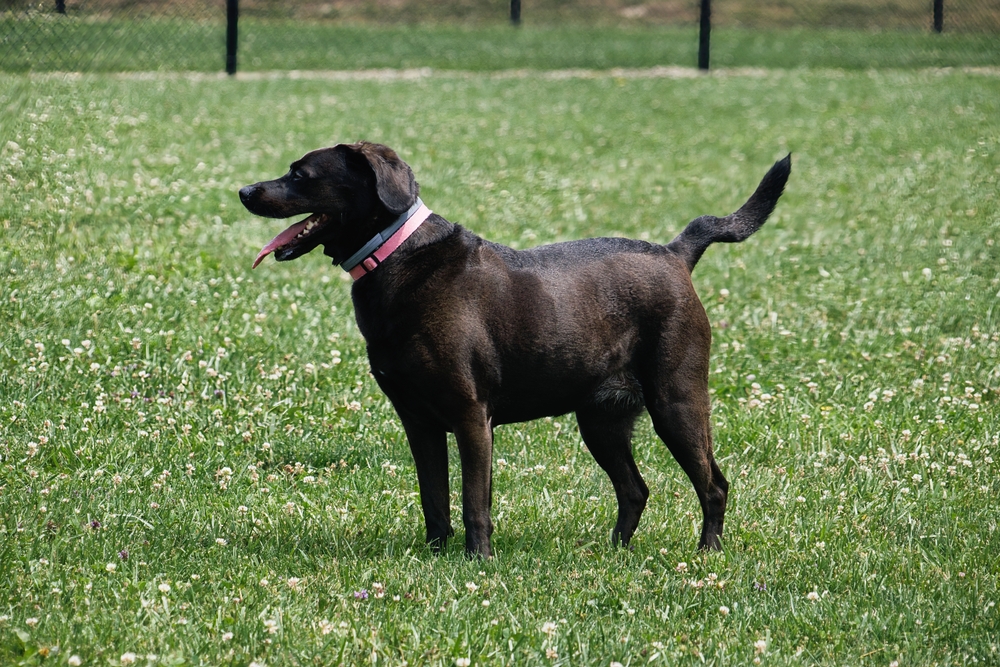
black dog with kinked tail in grass

Kinked tails are relatively common in dogs and have a variety of causes. Some kinked tails may be acquired from things like injuries, while other dogs are born with kinked tails.

Either way, kinked tails are usually only a superficial issue as long as the underlying cause has been treated. In some cases though, a kinked tail could interfere with tail mobility or cause constant pain.

Whether your dog has had a kinked tail since a puppy or your adopted dog with an unknown history has one, you are probably interested in why it looks that way. This article will explore four possible reasons for a dog’s tail to become kinked. Generally, it is the result of injuries or genetic abnormalities.

Dogster divider_v1_NEW_MAY_24_

The 4 Possible Reasons Why Your Dog’s Tail Is Kinked

Let’s look below at the four possible reasons why your dog’s tail could be kinked.

1. Genetics

Dogs may have a kinked tail from birth due to genetics. The medical term for this would be “hemivertebra (HV)”, a congenital condition that causes deformed vertebrae in dogs. It’s most commonly seen in dog breeds like English Bulldogs, Boston Terriers, and Pugs. A corkscrew-like tail is a characteristic of these breeds and isn’t usually a cause for concern. There are some instances where the hemivertebrae could cause spinal cord issues if it involves vertebrae higher up a dog’s back.
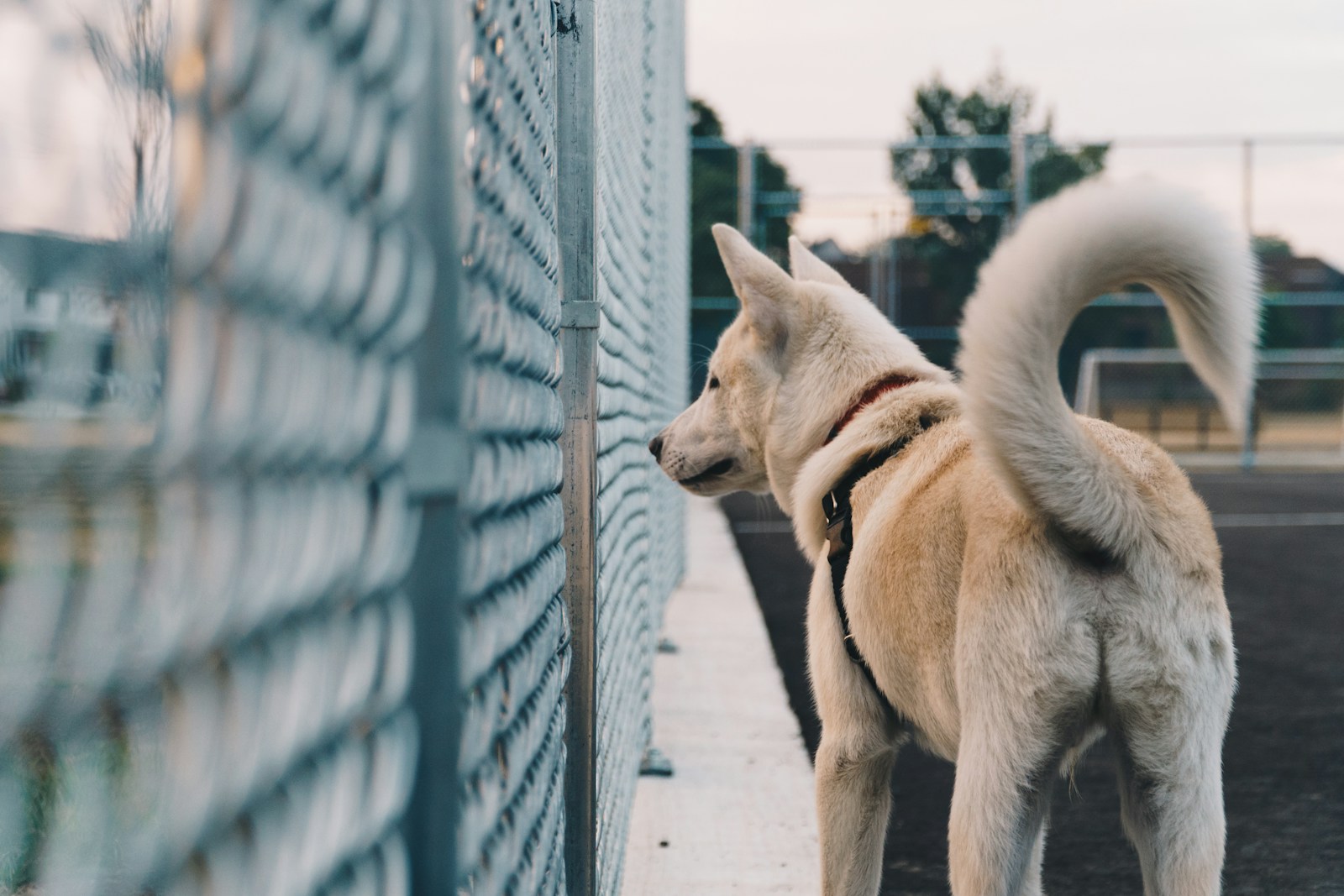
white dog standing beside fence
Photo Credit: Hermes Rivera, Unsplash

2. Fractures from Injuries or Trauma

A dog’s tail could become kinked from fractures caused by injuries from things like being stepped on or crushed by a heavy object. These injuries could result in bone, muscle, and nerve damage, ultimately causing one or more kinks to form in the tail.

If a dog’s tail fracture doesn’t heal properly, it could heal in an unusual position that can make it appear kinked.

Signs your dog may have fractured their tail include:

  • Swelling
  • Behavioral changes
  • Whining or yelping when moving or having their tails handled.
  • Difficulty sitting or standing.
  • Unnatural tail position or movement
  • Limp tail

If you suspect your dog has injured their tail, don’t hesitate to contact a veterinarian for advice.

Did you know you can speak to a veterinarian without having to travel? Just head over to PangoVet. It's our online service where you can talk to a vet online and get the advice you need for your pet — all at an affordable price!

PangoVet_Mention-in-Content Savings V1


3. Limber Tail Syndrome

Limber tail syndrome or acute caudal myopathy is a muscular disorder more commonly affecting breeds with undocked tails. This disorder is known by many slang names, such as dead, limp, or flaccid tail syndrome. Active hunting and working dogs are at a greater risk of developing limber tail. However, it could affect any breed.

Dogs usually develop this disorder by overexerting their tails and injuring the muscles responsible for tail movement. Dogs who have recently been active and experience a painful tail the next day may have limber tail. Other signs associated with this disorder include difficulty sitting and wagging their tail, and a painful, droopy tail.

A dog’s limp tail could appear kinked or broken depending on the angle they are holding it.


4. Happy Tail Syndrome

Despite the name, happy tail syndrome doesn’t refer to anything positive. Happy tail syndrome occurs when dogs with thin, long tails repeatedly wag them against hard surfaces. It is commonly seen in dogs confined to small spaces, such as kennels, that bang their tails on the side of the enclosure when wagging.

This can cause injuries to the tip of their tails, potentially leading to nerve damage and wounds. It’s not unusual for some dogs to develop a kink near the tip of their tail from repeated injuries caused by happy tail syndrome.

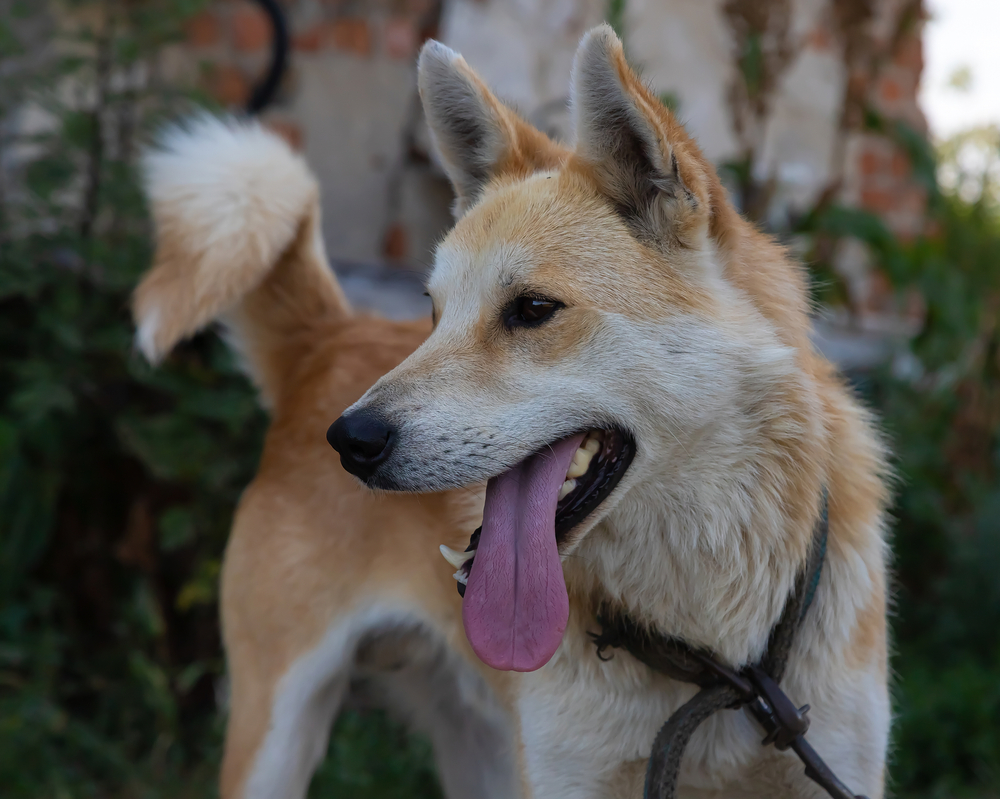
dog tied up with bent tail and tongue out
Image Credit: olko1975, Shutterstock

Dogster divider_v3_NEW_MAY_24_

Can a Dog’s Kinked Tail Be Fixed?

Unfortunately, there is little you can do to fix a dog with a kinked tail from birth or old, improperly healed injuries. Fortunately, a kinked tail is typically a superficial issue that does not cause a dog any pain or discomfort.

However, some kinked tails can be corrected if the cause is a fresh fracture and it can be reset by a veterinarian to encourage it to heal in a more natural position. Kinked tails that are chronically painful should be looked at as well.

It’s best to consult with a veterinarian about any concerns you have about your dog’s kinked tail and its fixability.

Dogster divider_v1_NEW_MAY_24_

Final Thoughts

There are four main reasons why a dog would have a kinked tail. This includes genetics, injuries, limber tail syndrome, or happy tail syndrome. Most of the time, kinked tails are a cosmetic issue that don’t require further attention. However, if your dog’s kinked tail is painful or their tail suddenly shows up kinked, consult a veterinarian.

See Also:


Featured Image Credit: Sharon Feragotti, Shutterstock

Want content like this delivered to you?

Sign Up For Our Newsletter

News, insights, expert advice, and everything dog

* By submitting, you agree to our Terms & Conditions and Privacy & Cookies Policy.


How useful was this post?

Click on a star to rate (you can leave written feedback after clicking submit)

Help us improve Dogster for pet parents!

Your feedback really matters.

What did you like about this post? Also how can we improve it?

Join the conversation

Leave a Reply

You’re very welcome to leave a comment or question. Please know that all comments must meet our community guidelines, and your email address will NOT be published. Let’s have a positive and constructive conversation.


Dogster's Digital Magazine is Back!​

Dogster Magazine Cover June 2026

Vet-approved health & behavior advice

Real dog stories & community features

The Organization Helping Pets Feel Safer, Happier, and ‘Fear Free’ – Heroes of the Pet World

For many pet owners, stress during veterinary visits, grooming appointments, travel, or even routine handling can feel like an unavoidable part of life...

Why Some Dogs Treat Mealtime Like Playtime – And When to Pay Attention

Most dogs are reliable eaters. Bowl goes down, food disappears. So when a dog starts batting kibble across the kitchen floor, tossing pieces...

Major Win for Dogs: Ontario Becomes the Final Province to Ban Ear Cropping and Debarking

​​Ontario has approved new animal welfare regulations that will prohibit elective ear cropping and devocalization (debarking) procedures in dogs from January 1, 2027....

Dogster’s Weekly Photo Contest Winners: Most Adorable Puppy (June 8, 2026)

Every week our team gets the privilege of sorting through our readers photos to choose what dogs will win this weeks contest! See...

More related

100 Spotted Dog Names for Your Multicolored Pup

When it comes to dogs, many breeds exist with spotted or patterned coats. From Dalmatians to the Australian Cattle Dog to the Bluetick...

Top 10 Dog-Friendly Beaches in Brisbane 2026: Off- & On-Leash Options

Dogs love to play in the water, and any kind will do. If given the opportunity, most will spring at the chance to...

Cava Tzu (Cavalier King Charles Spaniel & Shih Tzu Mix): Info, Pictures & Care

The cute and cuddly Cava Tzu brings together the best characteristics of both their parent breeds, the Shih Tzu and the Cavalier King...

When and What Is National Beagle Day? Celebration Facts & FAQ

Your dog is your best friend, so you are always looking for ways to celebrate with them. Whether it is a dog-friendly cake...

Keep reading

Can Dogs Eat Ginger? Vet-Verified Benefits, Risks & FAQ

Ginger has long been used for everything from cooking and flavoring to being added to medicines. The benefits of ginger have been documented and proven effective for humans, but what about dogs? Ginger is also considered beneficial for dogs and...

Can Dogs Eat Ginger

Can Dogs Eat Enchiladas? Vet Approved Nutrition Facts & FAQ

Enchiladas are a popular and delicious Mexican dish that many people worldwide adore. Most people love this dish and your pets may also want to get a taste. The smell of meat and seasonings may cause your dog to beg...

Can Dogs Eat Enchiladas

Senior Dog Food vs Regular: The Differences, Pros & Cons

As dog owners know, the food that we feed our pups is essential to keeping them healthy. When our dogs start getting older, their bodies change, and so do their nutritional needs. After your dog reached a certain age (which...

Dogster_Senior vs Regular Dog Food

Can Dogs Eat Cream Cheese? Vet-Verified Facts & Health Tips

Whether it’s breakfast, lunch, or dinner, there’s a good chance your pup is hanging out by your side when you’re eating, and they’re just hoping you’ll share. But while your pooch might want everything on your plate, that doesn’t mean...

Can Dogs Eat Cream Cheese

RAWZ Dog Food Review 2026: Recalls, Pros & Cons

Review Summary The RAWZ pet food brand is relatively new and is making waves in the industry as one of the most committed brands in terms of quality and taste. Most of their ingredients are sourced either in the United...

Dogster_RAWZ Dog Food Review

Can Dogs Eat Raw Chicken Breast? Vet-Verified Nutrition Facts & Precautions

Feeding dogs a raw diet has often been promoted as a great nutritional option due to claims that raw meat matches a dog’s natural ancestral diet. As a result, many raw dog food companies incorporate raw chicken breast into their...

raw chicken breast

How Long Will Dog Food Last? Vet-Approved Facts & FAQ

This is an important question, particularly if you have multiple dogs or a giant breed or buy in bulk. Of course, how you answer this question also depends on the kind of food that you purchase. First, look at the...

woman feeding dog with dry food

Can Dogs Eat Walnuts? Vet-Verified Facts & Safety Tips

Dogs can eat many foods that humans eat, and you can enjoy sharing a variety of snacks with your dog. However, in most cases, dogs should refrain from eating nuts and seeds, including walnuts. While walnuts in themselves aren’t toxic...

Can Dogs Eat Walnuts

Love Dogs? So Do We! Join the Dogster Community

Stay informed with expert pet care insights delivered straight to your inbox! Discover professional guidance on animal behavior, feeding tips, trusted product picks, and much more.


Sign up for the Dogster Email Newsletter