Get

In Your Inbox

Dogster is reader-supported. When you buy via links on our site, we may earn an affiliate commission at no cost to you. Learn more.

Why Does My Dog Poop in Their Sleep? Vet Explained Signs, Causes & Treatment

Share

dog sad sick sleeping bored

You’ve had your dog for years and can count on one hand the number of times your pup has had an accident in the house. Now they’ve had several accidents of pooping in their sleep. What on earth is going on?

If your dog is leaking poop while sleeping, let’s look at some of the potential causes, including neurologic issues, aging, infections and more. It can certainly be frustrating to figure out, but your veterinarian can help you get to the root cause.

dogster face divider

Defining Fecal Incontinence

Your dog is likely older if it has lost the ability to control its bowels, which we call fecal incontinence. That said, any dog of any age can be affected, especially if something like parvovirus is the underlying culprit.

Brown dog who pooped in its bed inside the house
Image Credit: ThamKC, Shutterstock

dogster paw divider

Signs of Fecal Incontinence in Dogs

Your veterinarian will need to know if your dog has other signs than just passing stool in their sleep.

Some questions to consider include:

  • Is it happening at other times, such as walking?
  • Have you noticed diarrhea or vomiting?
  • Is your dog weaker in their hind end?
  • Is your pup scooting?
  • Have you changed foods recently?

Dogster_Website dividers_v1_Jan 18 2024-03

The 6 Possible Causes of Your Dog Pooping in Their Sleep

The anal sphincter helps control when your dog defecates, and it can be affected by certain conditions.

1. Neurologic Issues

There are a range of neurologic causes for fecal incontinence, including;

  • Degenerative myelopathy
  • Peripheral neuropathy
  • Intervertebral disk disease (IVDD)
  • Fibrocartilaginous embolism (FCE)

Trauma or tumors associated with the spinal cord can also impact the anal sphincter. Dogs that have been hit by a car should have their reflexes and anal tone tested.
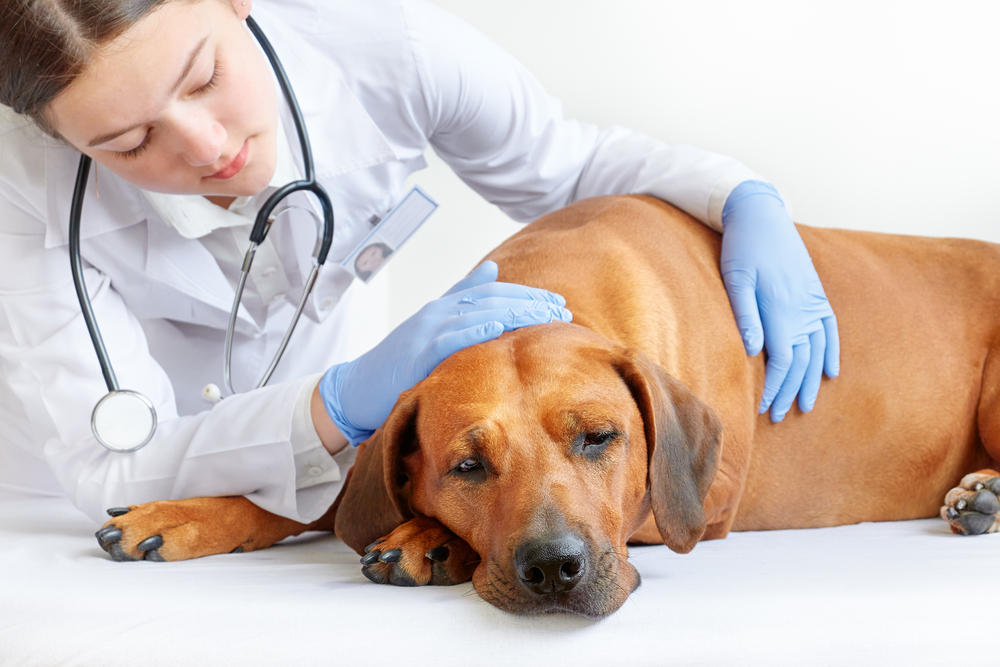
Female vet examining sick and sad Rhodesian ridgeback dog
Image Credit; Zontica, Shutterstock

2. Arthritis

Dogs of any age can develop arthritis, but it’s more common in older dogs. Arthritis can impact the spinal cord if it develops between vertebrae. It can also make it hard for dogs to posture to defecate if they can’t empty their bowels when out for a walk; they still could come out later when they’re relaxed.


3. Age-related Changes

Similarly to arthritis, muscle loss that comes with age can make it hard for your dog to position themselves to go to the bathroom. Senility is also a potential concern. Cognitive dysfunction manifests in different ways, including trouble with regular bodily eliminations. Your geriatric pup may go where they lay.

Senior Golden Retriever dog resting on a bed
Image Credit: Yobab, Shutterstock

4. Rectal Trauma

Damage to the anal sphincter can cause dogs to develop fecal incontinence. Some of these dogs have had a severe anal gland abscess. Other dogs could have a perianal fistula.


5. Perianal Mass

A rectal mass, such as an anal gland tumor, can contribute to incontinence. Surgery to remove these masses could also damage the nerves that innervate the anal sphincter and lead to incontinence.
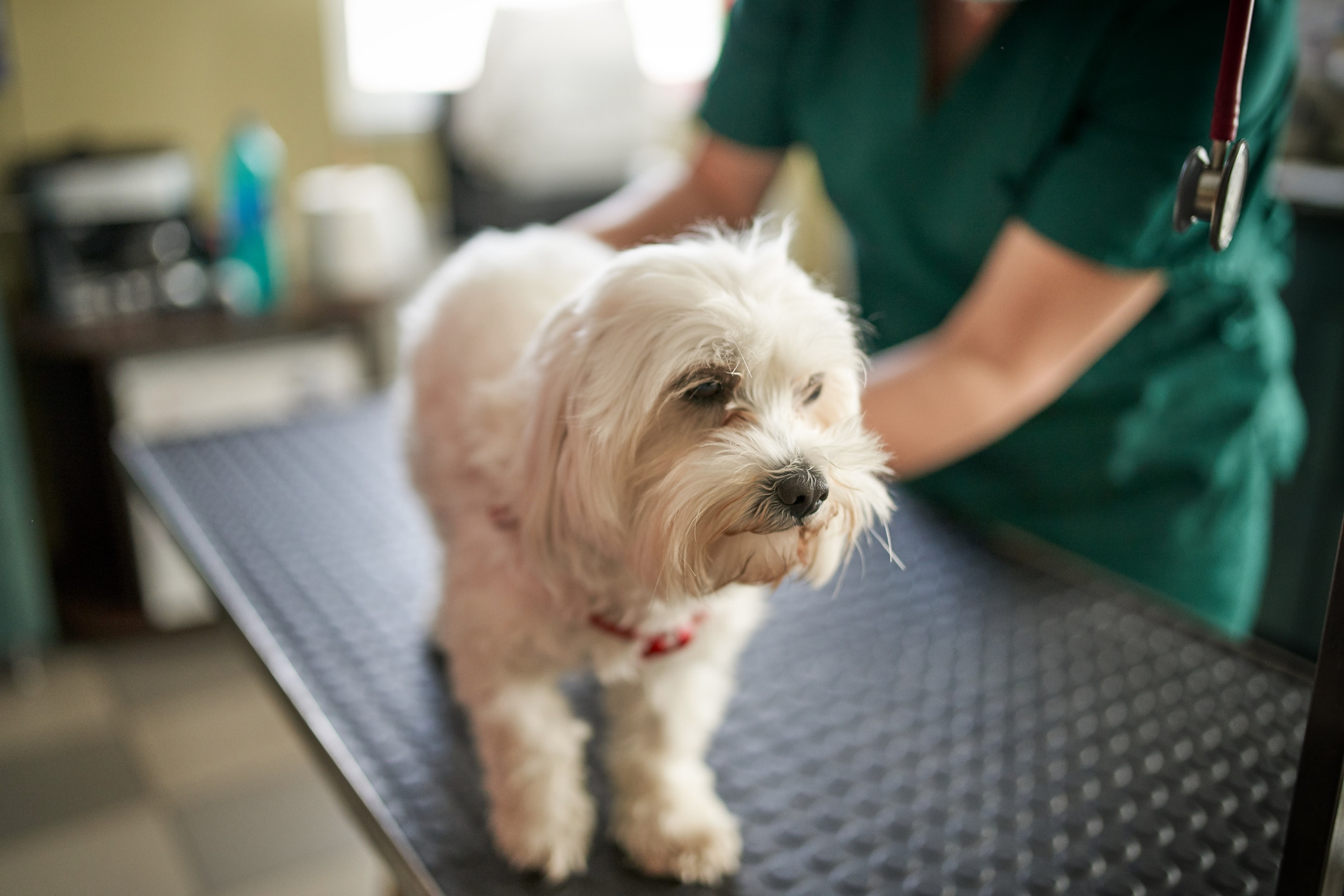
Perfect patient. A male middle aged vet making an injection for a small maltese dog holding a patient. Vet clinic
Image Credit: Sebastian Condrea, Getty Images

6. Infections

Some dogs develop diarrhea-causing infections, such as parvovirus, or bacterial infections like Salmonella. If the diarrhea is severe, your dog may be incontinent in their sleep or even walk to the back door.

Dogster divider_v2_NEW_MAY_24_

Diagnosing Your Dog With Fecal Incontinence

Diagnosing incontinence in dogs just on a physical exam can be challenging. Your veterinarian will need to evaluate your pup from nose to tail while getting more information on how your dog has defecated in their sleep. The vet will likely perform a rectal exam on your dog, evaluating anal muscle tone, stool consistency, and even the anal glands.

You should bring a stool sample to the appointment for a parasite exam. Your veterinarian will likely suggest blood work and possible radiographs (X-rays) to look for arthritis changes.

woman holding a poop bag
Image Credit: LightField Studios, Shutterstock

Dogster_Website dividers_v1_Jan 18 2026-03

Treating Your Dog’s Fecal Incontinence

Therapies

Your veterinarian may start treatments based on their examination findings. Diarrhea may need to be treated with probiotics and anti-diarrheal medicine like loperamide.

If your dog has arthritis that could be contributing to changes, your vet might start them on anti-inflammatories such as Rimadyl (carprofen), Galliprant (grapiprant), or Metacam (meloxicam).

If your dog has a rectal mass, they likely need surgery to remove it. Some also need radiation or chemotherapy to treat the tumor.

You’ll want to keep your dog clean and consider a diaper. If possible, you might want to contain your dog in an area of the house that’s easy to clean.

Prevention

Your veterinarian may recommend specific therapies to help your dog, such as:

  • Laser therapy
  • Hydrotherapy
  • Chiropractic care
  • Acupuncture

These can be especially helpful to decrease discomfort and strengthen muscles.

Consider a highly digestible diet with lower fiber. More fiber can mean your dog needs to defecate more. On the other hand, fiber can often help dogs eliminate better, so see what your vet recommends. They may put your dog on a hydrolyzed protein diet or a gastrointestinal diet.

If you need to speak with a vet but can't get to one, head over to PangoVet. It's our online service where you can talk to a vet online and get the advice you need for your pet — all at an affordable price!

PangoVet_Mention-in-Content Savings V1

dogster paw divider

Frequently Asked Questions

Is it normal for dogs to poop in their sleep?

If your dog is leaking poop while sleeping, it is not normal and it’s essential that you work with your veterinarian to identify and treat the underlying cause.

How do I stop my dog from pooping in their sleep?

Talk to your veterinarian to see if a different food might benefit your dog. Stop feeding your dog about two hours before bedtime, and take it on a long enough walk before bed to give it plenty of opportunities to defecate.

dogster face divider

Conclusion

Fecal incontinence frustrates pet owners and can also make housebroken dogs uncomfortable. Work with your veterinarian to identify and treat the underlying cause. It may seem like something that cannot be stopped but there are ways that this situation can be resolved if you reach out to your veterinarian.


Featured Image Credit: Przemek Iciak, Shutterstock

Want content like this delivered to you?

Sign Up For Our Newsletter

News, insights, expert advice, and everything dog

* By submitting, you agree to our Terms & Conditions and Privacy & Cookies Policy.


How useful was this post?

Click on a star to rate (you can leave written feedback after clicking submit)

Help us improve Dogster for pet parents!

Your feedback really matters.

What did you like about this post? Also how can we improve it?

Join the conversation

Leave a Reply

You’re very welcome to leave a comment or question. Please know that all comments must meet our community guidelines, and your email address will NOT be published. Let’s have a positive and constructive conversation.


Dogster's Digital Magazine is Back!​

Dogster Magazine Cover June 2026

Vet-approved health & behavior advice

Real dog stories & community features

The Organization Helping Pets Feel Safer, Happier, and ‘Fear Free’ – Heroes of the Pet World

For many pet owners, stress during veterinary visits, grooming appointments, travel, or even routine handling can feel like an unavoidable part of life...

Why Some Dogs Treat Mealtime Like Playtime – And When to Pay Attention

Most dogs are reliable eaters. Bowl goes down, food disappears. So when a dog starts batting kibble across the kitchen floor, tossing pieces...

Major Win for Dogs: Ontario Becomes the Final Province to Ban Ear Cropping and Debarking

​​Ontario has approved new animal welfare regulations that will prohibit elective ear cropping and devocalization (debarking) procedures in dogs from January 1, 2027....

Dogster’s Weekly Photo Contest Winners: Most Adorable Puppy (June 8, 2026)

Every week our team gets the privilege of sorting through our readers photos to choose what dogs will win this weeks contest! See...

More related

How to Treat Dog Urine Spots on Grass: 3 Effective Ways

Many homeowners view their lawns as their pride and joy, but your dog can quickly ruin your the hard work you have put...

How to Get Dogs Unstuck After Mating? 2 Vet-Reviewed Methods

If you’re an inexperienced dog owner or new to breeding dogs, it can be concerning when your dog finds themselves stuck while mating....

What Kind of Dog Is Bingo From Bluey? Famous TV Canines Revealed

The TV series Bluey debuted in 2018. The popular show follows the adventures of an adorable puppy named Bluey alongside her family. Bingo,...

Manchester Terrier vs Doberman: The Differences (With Pictures)

The Manchester Terrier and Doberman look similar, but they have several differences. Incidentally, the two breeds ended up being very similar in looks...

Keep reading

Can Dogs Drink Tea? Vet-Approved Nutrition Facts & FAQ

Sometimes, it’s nice giving your canine companion a treat you know they’ll love, and occasionally, those treats are something you would eat or drink too. Take tea, for example. Plenty of people enjoy tea because of its various flavors and...

Dogster-Can-Dogs-Drink-Tea

10 Best Dog Foods for Rat Terriers in 2026 – Reviews & Top Picks

Rat Terriers are adorable, medium-sized dogs that can bring light to your world. They are compact little dogs coming in at around 13 inches tall that love to play, be loved, and are tough as nails. Like with any dog...

Rat Terrier Smiling

Blue Buffalo vs Purina Pro Plan Dog Food: 2026 Comparison

Both Blue Buffalo and Purina Pro Plan are well-known brands that sell a wide variety of dog food. At a quick glance, both brands look very similar. However, a closer examination will reveal several key differences between these brands. It’s...

Dogster_Dogster_Dog Food Blue Buffalo VS Purina Pro PlanDog Food Blue Buffalo VS Purina Pro Plan

Solid Gold Puppy Food Review 2026: Recalls, Pros & Cons

Review Summary The Solid Gold dog food brand came to be in 1974 and during the early years, most of their foods contain more natural ingredients that were based on a holistic diet. The company was founded by Sissy Harrington...

Dogster_Solid Gold Puppy Food Review

Pedialyte for Dogs: Is It Safe? Vet-Approved Health & Safety Guide

The most common way to treat dehydration in children and adults is with Pedialyte. It’s an over-the-counter, drinkable electrolyte solution that replaces electrolytes and minerals lost by dehydration. In small quantities, unflavored Pedialyte is safe for most dogs, but it’s...

electrolyte beverage in bottles

Pawstruck Dog Chews & Treats Review 2026: An Expert’s Breakdown

* Use code PETKEEN15 and save 15%. Based in Long Beach, California, Pawstruck, is a small business specializing in wholesome products for dogs—including dog chews and treats, supplements, and grooming supplies. Since 2014, Pawstruck has been run by fellow dog...

DOG_SAPR_Pawstruck Dog Treats

Can Dogs Eat Alfalfa? Vet-Verified Facts to Know

Alfalfa is an important grazing plant that feeds livestock worldwide. Many people wonder, can dogs can eat alfalfa? The short answer is yes, alfalfa is a healthy food for dogs. However, there are a few factors to consider before making...

Can Dogs Eat Alfalfa

5 Herbs That Are Good for Dogs: Vet-Verified Safety & Benefits

Adding herbs and spices to our meals not only enhances the flavor, but many of them also have various health advantages. So, if we can benefit from specific herbs, maybe our dogs can too? This is broadly true, but it’s...

Bowl of basil on wooden background

Love Dogs? So Do We! Join the Dogster Community

Stay informed with expert pet care insights delivered straight to your inbox! Discover professional guidance on animal behavior, feeding tips, trusted product picks, and much more.


Sign up for the Dogster Email Newsletter