Get

In Your Inbox

Dogster is reader-supported. When you buy via links on our site, we may earn an affiliate commission at no cost to you. Learn more.

Why Do Dogs Develop Lumps After Subcutaneous Injections? Our Vet Answers

Share

dog before injection at vet office

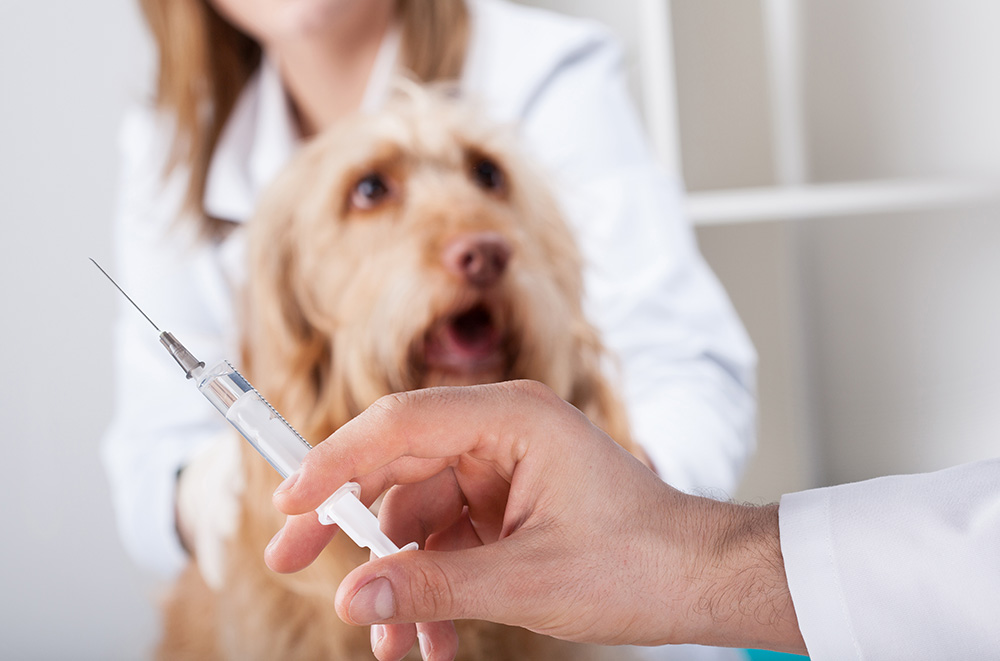
If you’ve noticed a small lump under your dog’s skin after a subcutaneous injection, it’s most likely due to their body reacting to the substance that was injected. Killed vaccines containing an adjuvant are more likely to cause lumps than other types of injectable medications.

While rare, a lump at an injection site may also be due to an infection or an abscess. Any time the skin is punctured there is the risk of bacteria entering the body and causing an infection. This is more likely if a new needle isn’t used or if the injection is given through dirty or infected skin.

divider dog faces oct 2024

Lumps Caused by Vaccines

If your dog is vaccinated with a killed vaccine, they might develop a small, firm lump near the injection site. Why exactly does this happen?

Killed vaccines contain ingredients called adjuvants. Adjuvants create a stronger immune response to a vaccine. They do this by increasing inflammation at the injection site, consequently triggering a stronger immune response. This inflammation can lead to the formation of a lump. These lumps are typically not harmful but can persist for a few weeks.
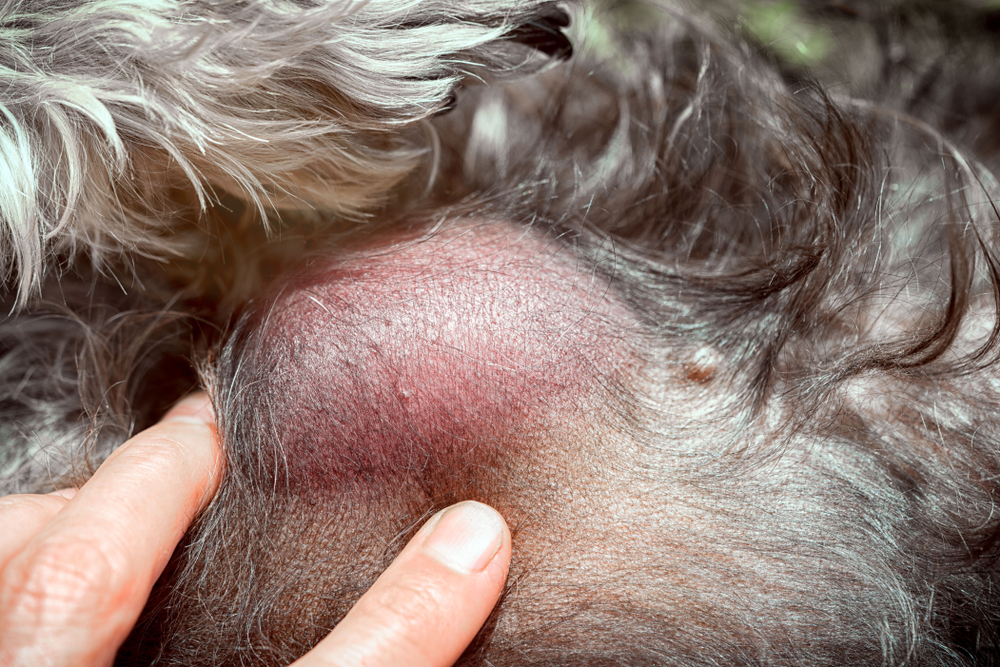
Vet pointing out lump on dog stomach
Image by: Elena11, Shutterstock

When to Monitor and When to Worry

Lumps caused by vaccines and other injectable medications are normally small and painless and disappear on their own within a few weeks.

If the lump is painful, starts oozing or draining pus, grows larger, or persists for more than a few weeks with no change in size, you should consult your veterinarian. Any persistent or growing lump should be checked to make sure it’s nothing serious.

If you need to speak with a vet but can't get to one, head over to PangoVet. It's our online service where you can talk to a vet online and get the advice you need for your pet — all at an affordable price!

PangoVet_Mention-in-Content Savings V1

divider dog faces oct 2024

Frequently Asked Questions

How Do Veterinarians Diagnose Lumps?

Veterinarians are able to determine the cause of a lump by conducting the following tests:

Fine Needle Aspiration (FNA)

During fine needle aspiration, a thin needle is inserted into a lump to remove cells or fluid. The sample is then analyzed under a microscope.

Analyzing the cells or fluid can help a veterinarian determine if the cause of a mass is due to an inflammatory reaction to an injected substance, an infection, or a neoplastic process (when cells grow abnormally and lead to tumor growth).

Unfortunately, fine needle aspirates do not always give an exact answer. Even if this is the case, an FNA can, however, help rule out causes or guide further diagnostic testing.

Biopsy

During a biopsy, the entire lump or a small section of the lump is surgically removed. The tissue is then submitted to a veterinary pathologist who will examine it under a microscope to determine the nature of the lump.

scientist working on laboratory
Image by: Stock-Asso, Shutterstock

What Is a Killed Vaccine?

A killed (or inactivated) vaccine uses the killed version of the microorganism that they are designed to protect against. In contrast, live or modified live vaccines use microorganisms that are still alive (but weakened or altered to where they won’t cause disease).

Is There a Way to Prevent a Dog from Developing a Lump from a Subcutaneous Injection?

Other than ensuring that a clean needle is used and that the skin at the injection site isn’t obviously infected or contaminated with dirt, there is no way to prevent a lump from developing after a subcutaneous injection.

If your dog has developed a lump after an injection in the past, discuss this with your veterinarian. Many drugs, such as antibiotics, have an oral alternative, so if your dog is prone to developing lumps from subcutaneous injections, your vet may be able to prescribe an oral form of the drug.

In the case of vaccinations, you shouldn’t avoid vaccinating your pet. Vaccinations are essential for keeping your pet healthy and safe from life-threatening diseases. Lumps associated with vaccines are generally harmless and go away on their own.
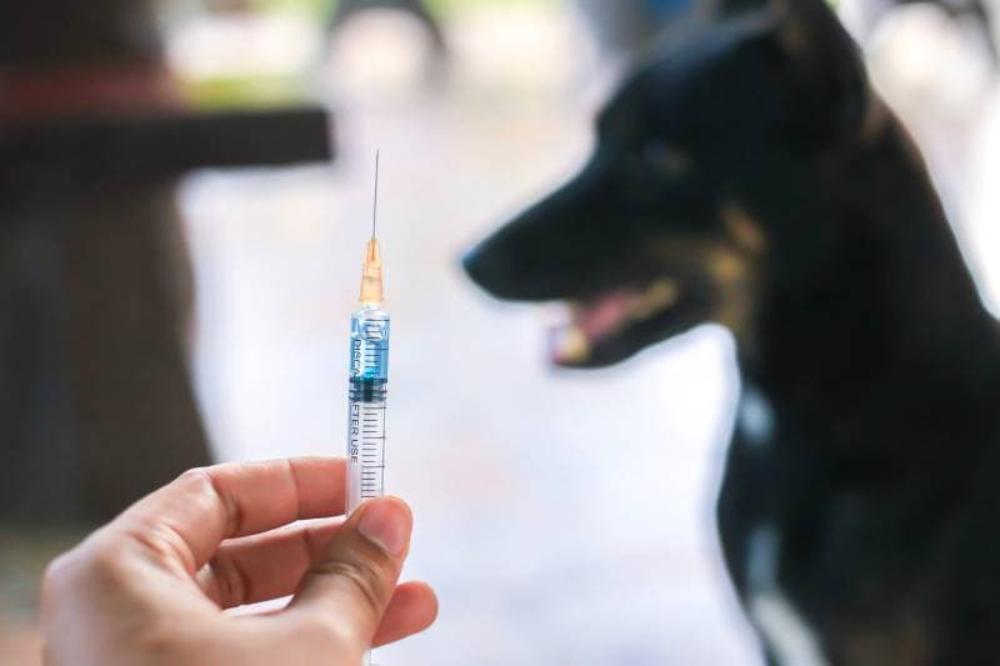
hand holding syringe for rabies vaccine with a black dog in the background
Image by: Numstocker, Shutterstock

divider dog faces oct 2024

Conclusion

Dogs usually develop lumps after subcutaneous injections due to their body reacting to the substance that was injected. While it is rare for other kinds of medications to cause this kind of reaction, it is fairly common for dogs to develop lumps after being vaccinated with killed vaccines containing adjuvants. It is also possible for a lump at an injection site to be caused by an infection or an abscess.


Featured Image Credit: Ground Picture, Shutterstock

Want content like this delivered to you?

Sign Up For Our Newsletter

News, insights, expert advice, and everything dog

* By submitting, you agree to our Terms & Conditions and Privacy & Cookies Policy.


How useful was this post?

Click on a star to rate (you can leave written feedback after clicking submit)

Help us improve Dogster for pet parents!

Your feedback really matters.

What did you like about this post? Also how can we improve it?

Join the conversation

Leave a Reply

You’re very welcome to leave a comment or question. Please know that all comments must meet our community guidelines, and your email address will NOT be published. Let’s have a positive and constructive conversation.


Dogster's Digital Magazine is Back!​

Dogster Magazine Cover June 2026

Vet-approved health & behavior advice

Real dog stories & community features

The Organization Helping Pets Feel Safer, Happier, and ‘Fear Free’ – Heroes of the Pet World

[jump-inks title=”Click to Skip Ahead”] What Is Fear Free All About? Why Awareness Matters A Decade of Growth and Impact What’s Next for...

Why Some Dogs Treat Mealtime Like Playtime – And When to Pay Attention

Most dogs are reliable eaters. Bowl goes down, food disappears. So when a dog starts batting kibble across the kitchen floor, tossing pieces...

Major Win for Dogs: Ontario Becomes the Final Province to Ban Ear Cropping and Debarking

​​Ontario has approved new animal welfare regulations that will prohibit elective ear cropping and devocalization (debarking) procedures in dogs from January 1, 2027....

Dogster’s Weekly Photo Contest Winners: Most Adorable Puppy (June 8, 2026)

Every week our team gets the privilege of sorting through our readers photos to choose what dogs will win this weeks contest! See...

More related

Snake Bites on Dogs: Types, Signs & Treatment (Vet Answer)

Many people fear snakes, while many dogs are intensely curious about them. Unfortunately, dogs plus curiosity can be a recipe for disaster—in this...

195 Red Dog Names: Top Names for Fiery Canines

While the Chocolate Lab and Golden Retriever are undoubtedly popular dogs, there’s something about a red dog that many pet parents appreciate. From...

Maltipoo Yorkie Mix Dog Breed: Info, Pictures, Care & More

As the universe of designer dogs continues to expand, allow us to introduce one of the newest options out there! The Yorkie Maltipoo...

How Dangerous Are Tibetan Mastiffs? Vet-Reviewed Temperament, Training & FAQ

Tibetan Mastiffs are a large dog breed with an intimidating appearance. While they may look scary at first, these dogs are actually affectionate...

Keep reading

9 Best Non-GMO Dog Foods in 2026: Reviews & Top Picks

There are so many different types of dog foods on the market. From “grain-free” to “holistic” to “human-grade,” how do you choose the best one for your canine pal? Many marketing terms are used on dog food labels nowadays, and...

Gizmo white fluffy dog with Ollie dog food box

Do Puppies Need Puppy Food? Vet-Verified Facts & FAQ

When you stop to really think about it, it may seem like a no-brainer that puppies would need different food from our adult dogs. After all, we feed infants baby food. However, it really isn’t that clear to a lot...

dry dog food in a bowl on wooden table

Can Dogs Eat Goji Berries? Vet-Verified Facts & FAQ

If there’s one so-called superfood that’s made a big splash in the last few years, it’s goji berries. Known for their sour flavor and bright red color, goji berries are a popular addition to salads, smoothies, or a super snack...

Can Dogs Eat_goji berries

Can Dogs Eat Parsley? Vet-Verified Facts & FAQ

You might be familiar with parsley as a common ingredient in cooking, but the herb also offers many health benefits and is considered a superfood for humans1. As dog owners, we want our pets to stay healthy, but is parsley...

Can Dogs Eat Parsley

Can Dogs Eat Spring Mix? Vet-Approved Facts & FAQ

Spring mix is typically a mixture of different greens, such as romaine lettuce, iceberg lettuce, bibb lettuce, spinach, arugula, and mustard greens. If you have a dog that eyeballs you longingly when you eat spring mix, you may wonder if...

Can Dogs Eat Spring Mix

What Is Human-Grade Dog Food? Vet-Verified Facts About Ingredient Difference

Bringing a dog into your life is a special time for a family. Not only do you have a new friend, ally, and snuggle partner, but there is also another life you’re responsible for. This means ensuring your pets are...

The farmer's dog Turkey recipe fresh

Can Dogs Eat Carrots? Vet-Approved Nutrition Facts & FAQ

While we all love a tasty treat occasionally, we often wonder if the foods we’re snacking on are safe to offer dogs, especially when they look at us with those pleading puppy-dog eyes. If you are a carrot fan or...

Can Dogs Eat Carrots

Organ Meat for Dogs: Vet-Verified Safety & Preparation Tips 

Organ meats from animals that are raised properly and safely, such as farmed chickens, turkeys, ducks, cows, and sheep, can be a healthy and nutrient-rich treat for your dog. However, while dogs can technically eat organ meat, it’s crucial that...

Cooked chicken livers and gizzards in hot cast iron pan

Love Dogs? So Do We! Join the Dogster Community

Stay informed with expert pet care insights delivered straight to your inbox! Discover professional guidance on animal behavior, feeding tips, trusted product picks, and much more.


Sign up for the Dogster Email Newsletter