7 Warning Signs That Your Dog Is Obese: Vet-Approved Advice


In this article
View 1 More +Obesity in pets is a big problem. It’s suggested that over half of all cats and dogs in the United States are overweight.1 Obesity can have severe negative effects on your dog’s overall health, and it can even reduce their overall lifespan. One of the keys to beating doggy obesity is to recognize the signs early and then come up with a plan on how to deal with it before it gets out of control. Here are seven signs that your dog is obese and ways to tell if they are getting overweight.

The 7 Signs That Your Dog Is Obese
1. Poor Body Condition Score
The way that veterinarians and pet dieticians measure a dog’s obesity level isn’t just by weight; they also use their body condition score (BCS). BCS uses a generalized chart to determine your dog’s obesity levels by look and feel. The vet looks at your pet from above, behind, and the side and then uses the chart to give them a score. The higher the score, the more obese the dog.
The BCS looks for things like a defined waist, visibility of the ribs, and the shape of the base of the tail. Many people think that seeing your dog's ribs or seeing a waistline means that they are underweight, but that is not the case. A healthy dog will have ribs that you can easily feel with a simple touch and an hourglass shape. If your dog has no defined waistline or if you cannot feel or see their ribs at all, these are signs that your dog may be overweight and scoring a high BCS.
You can read more about body condition score here, and you can use the tips to look over your dog and see generally where they land on the scale. If your dog appears to be a four or five out of five on the scale, then it is a cause for concern.

2. Change in Stomach Shape
Most puppies will have a round tummy that then slims down as they become adults. A healthy adult dog should maintain that slim stomach shape, meaning their abdomen should be tucked up when viewed from the side and indented between the ribs and hips when viewed from the top. A stomach that hangs down or expands outwards from the ribs and hips could indicate that your dog is getting unpleasantly plump.
3. Change in Routine
If you notice that your dog has changed their routine, it could be a sign that something is weighing them down. Changes in routine can include things like a lack of interest in toys, refusal to play, not being excited about going for walks, sleeping more often (or less often), and changes in their defecation schedule or type.
As a dog gains weight, it will be harder for them to do the things that they used to. If your dog has gained weight and has shown changes to their daily routine, it could be time to take them to the veterinarian for a check-up to make sure everything is okay. Changes in routine are some of the first signs that your dog’s weight could be affecting their daily life, and it is a wake up call to do something about their overall health.

4. Excessive Panting
If your dog has started panting more often than normal, it could be a sign that they are overweight. If your dog is panting at rest, panting while lying down, or panting without any visible signs of exertion, it could be a signal that something is wrong. Extra weight puts strain on the cardiovascular and respiratory systems, often requiring your dog to breathe faster or heavier to get the oxygen they need to function. Obesity makes it harder for your dog to get that important oxygen, leading to excessive or frequent panting. Obese dogs tend to lie around a lot, and this is often accompanied by panting.
5. Inability to Jump Up on Things They Previously Could
One sign that your dog could be getting too heavy is if they stop jumping up on things that they normally could. If your dog can no longer jump up onto the bed or the couch or into the car, it could be a sign that they are overweight. Obesity adds weight to your dog's body, which increases the amount of muscle they need to use to get around. This can lead to pain and tiredness from doing basic everyday tasks.
If your dog is refusing to jump onto things like they used to, it is likely a sign that something is wrong. (Inability to jump can also be a sign of arthritis, joint pain, or an injury.) This can lead to a negative feedback loop in which your dog refuses to jump up (or move as much), which decreases their fitness, making it harder for them to move around and jump, and so forth. You will be surprised at how quickly your dog will bounce back if they shed just a few pounds.

6. Lethargy
If your dog is experiencing lethargy, it could be a sign that they need to lose weight. Lethargy is general tiredness and malaise that can affect dogs that are overweight. As a dog gains weight, it puts more stress on their body. Everything is affected by obesity, including joints and muscles. All of this can affect your dog’s energy levels. If you notice your dog putting on a few extra pounds and notice them lying around more or refusing to get up and play, it could be time to put them on a diet.
7. Continued Weight Gain
Dogs are supposed to reach their full weight by 18 to 24 months of age. After 2 years old, your dog’s weight should not change much, if at all. That means if your dog continues to gain weight past the age of 2, they are likely putting on unnecessary pounds.
It is normal for a dog’s weight to fluctuate by a couple of pounds in either direction due to their defecation schedule and day-to-day eating, but your dog’s weight should not continue to rise after 2 years of age. If you notice that your dog is gradually gaining weight when they go in for their checkups, something likely needs to change. Continued weight gain is a precursor to obesity and signals that your dog is either eating too much or exercising too little.

How to Treat Obesity in Dogs
If you notice any of these signs in your dog, it could be time for a change. There are a few things you can do right away to get your dog back in tip-top shape. Just like with humans, the key to reducing obesity in dogs revolves around diet and exercise.
Increase Exercise and Activity
Obesity can reduce your dog’s activity level. Getting those levels back up to normal is key to helping your dog lose weight. You might need to get them out of the house more often. Take more walks or longer walks. Play with your dog inside. Bring your dog to the dog park. Anything to get your dog on their paws and moving is better than letting them lie around and feel miserable.
The more your dog moves, the better they will feel in the long run. Moving helps get their circulatory and respiratory systems working; it also helps loosen up their joints and raises their energy levels.

Cut Back on or Change Diet
Another way to help your dog lose weight is to cut their caloric intake. In order to lose weight, your dog will need to consume fewer calories than they are burning. Therefore, reduce calories to reduce the likelihood of obesity. Many people overfeed their pets without even realizing that they are doing so. Many foods have feeding instructions right on the bag. In order for your dog to lose weight, you’ll want to feed your dog the recommended amount for the weight that you want them to be, not the weight that they are. Also, skip the human food and treats.
You might also want to try a new diet, such as one that is lower in calories or one that is specifically designed for weight loss in dogs. These often contain more fiber to help your pup feel full but without giving them such a caloric punch. If you have any questions or concerns, you can always ask a veterinarian for recommendations based on your individual dog. They will be glad to help.
Do Regular Check-Ups
If your dog is overweight, it is a good idea to take them to the vet at least twice a year (if not three or four times per year). Obesity is a big problem for dogs, and leaving it unchecked can lead to lingering health issues. Regular health checkups will allow you to get advice from a veterinarian and have your dog’s health looked at multiple times per year. This way, you can track your dog’s weight and ensure that obesity is not causing any additional problems.
Trips to the vet can unearth signs of diabetes, joint damage, liver problems, and fatty tumors. All of these things can be side effects of obesity, and it is a good idea to keep an eye on any health problems before they become serious.
Regular vet trips can also give you feedback on your attempts to reel in your dog’s obesity. Are they losing weight? Has their body condition score improved? Is their bloodwork good? These are questions that can only be answered by a veterinarian. Many times, people think they are improving their dog’s health on their own by changing small things, only to find that their dog has lost a negligible amount of weight and is not getting any healthier.

Conclusion
Obesity is a big problem in dogs, and catching it early is the best way to head it off. Once a dog is severely overweight, it can be extremely difficult to get them to shed the pounds. Noticing changes in your dog and being proactive about their health is crucial to maintaining their health as they age. Dogs should not continue to gain weight as they get older, and if they are putting on weight, it is time for a change. If you have any questions or concerns about your dog’s individual weight or health, consult a veterinarian for more specific advice.
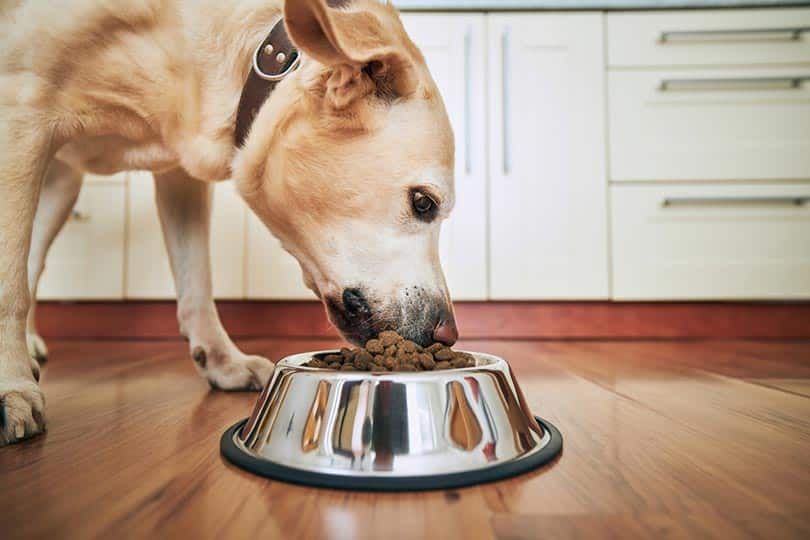
Featured Image Credit: Jaromir Chalabala, Shutterstock
Expert dog care, straight to your inbox
News, insights, expert advice, and everything dog.

No spam — unsubscribe anytime.
By signing up, you agree to our Terms & Conditions and Privacy & Cookies Policy.
How useful was this post?
Click a star to rate. You can leave written feedback afterwards. (We read all feedback.)