How to Help Senior Chihuahuas With No Teeth: 10 Vet-Approved Ways



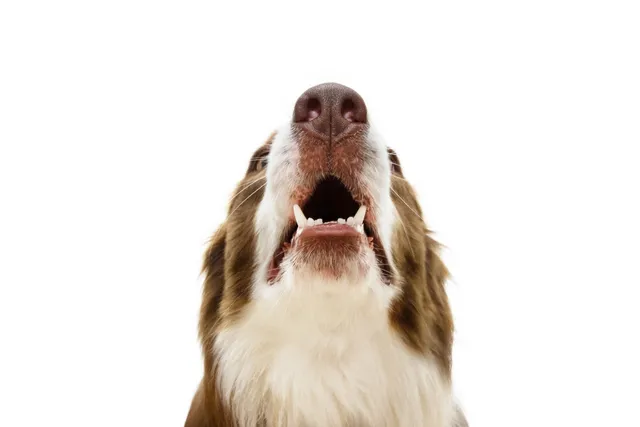
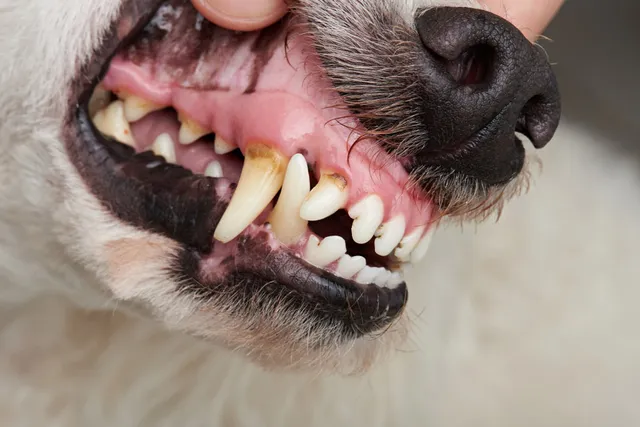
Smaller dogs can have difficulty managing all 42 teeth in their undersized skulls. Breeds like Yorkies and Chihuahuas are more susceptible to crowding, weak bones, and subsequent dental problems. Daily teeth brushing, dental chews, and professional help are crucial for many of these dogs to stave off dental issues, but for some pets, dental degradation is impossible to avoid.
While losing teeth is unfortunately not uncommon among older Chihuahuas, these plucky pups are surprisingly adaptable. With the proper support from their owner, a toothless Chi not only can get by but also thrive. Boost your aging dog’s quality of life by following these great ways to help senior Chihuahuas with no teeth.

The 10 Ways to Help Senior Chihuahuas With No Teeth
1. Switch to Wet Food

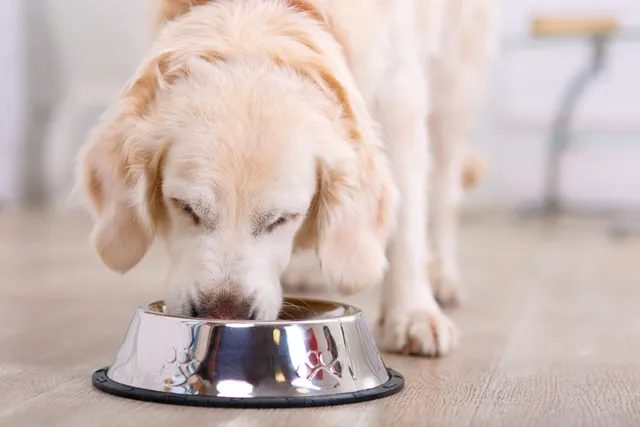
High-quality wet dog food is an obvious consideration for senior Chihuahuas without teeth and one of the most straightforward ways to ease their feeding routine. Unless a vet prescribes a specialized diet due to medical conditions, most aging dogs will benefit from a high-protein diet to maintain muscle mass and a caloric intake matching their exercise levels to prevent obesity.
Switching to wet foods is a practical way to ensure proper hydration, regardless of their dental health.
2. Soften Dry Food
Dry food is a more economical choice than wet dog food, and if your dog already has a dry product they enjoy, you don’t necessarily need to switch when they lose their teeth. Soaking ground-up kibble will soften and expand it, giving your dog a palatable, nutritious, and hydrating meal.
If your senior Chihuahua is a picky eater, you can also add dog-safe chicken or bone broth, which means it’s been cooked without onion, garlic, or excessive salts. This will help enhance the flavor. To prevent spoilage, use or refrigerate the softened food within 30 minutes of preparing it.
3. Warm Your Chihuahua’s Food Slightly
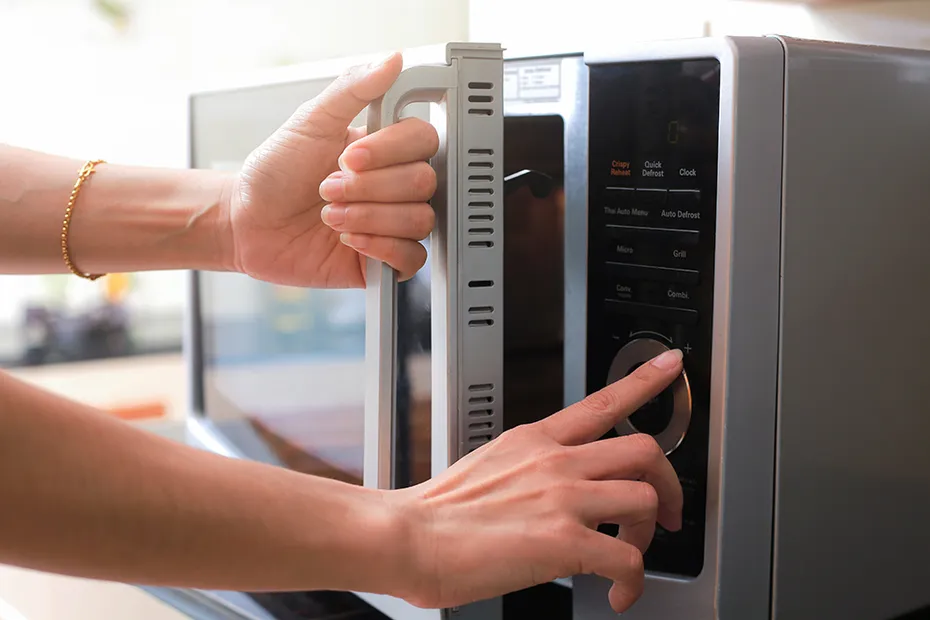
Since dogs can be sensitive to hot and cold foods, warming your Chihuahua’s soft food to their body temperature (~101–102.5°F) can be soothing on the gums. Heat your dog’s meals in the microwave for a few seconds, especially if you store it in the fridge.
4. Break Up Soft Treats
Many solid treats are soft enough for a toothless Chihuahua to gum down and swallow. Freeze-dried treats are often ideal, as are any goodies that easily crumble in your hand.
It may take some preparation, like moistening the treats or breaking them up by hand, but you can likely find several tasty options by testing them out on your dog.
5. Use a Bottle for Dispensing Treats

Using small treats for training and on-the-go rewards is no less crucial for an older pet, but it can be challenging for a toothless dog that struggles with solid food. Fortunately, you can change how you administer the treat by using a squeeze pouch.
Many brands offer soft, tasty training treats in resealable containers you can squeeze out in any portion size. Alternatively, you can reuse a squeeze bottle, such as a dressing bottle. Fill it with your Chihuahua’s wet food, adding water or blending it to get the desired consistency, and offer a little at a time.
6. Monitor Your Dog’s Tongue for Changes
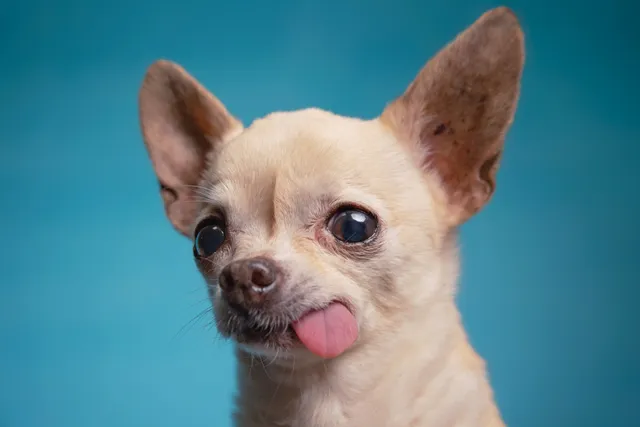
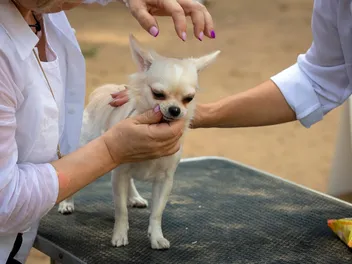
Hanging tongue syndrome is a common occurrence in dogs with missing teeth. With no barrier to keep their tongue back, it may slip out of their mouth frequently. The look is adorably dopey, but while it’s typically harmless, you should monitor for tongue color and texture changes that might indicate an issue.
Chihuahuas with hanging tongue syndrome may suffer from a dry tongue, sunburn, frostbite, and other damage from environmental exposure. Over time, the tongue can crack, swell, and become sore, making it susceptible to infection.
If this occurs, your vet should evaluate the best treatment option for your pup. In many cases, you can prevent damage with a specialized pet oral moisturizer or the application of olive oil on the tongue to keep it hydrated and protected.
Consulting a veterinarian is recommended for the best course of action.
7. Try Homemade Soft and Frozen Foods for a Varied Diet
Ground meat, fully cooked vegetables, and cut-up fruits are usually easy for a senior Chihuahua to eat, no matter how many teeth they do or don’t have. Fresh home-prepared foods are a fun way to treat your dog, top their food, and add variation to keep mealtime exciting.
Try mashable foods, like pumpkin, sweet potatoes, or bananas, or purée whatever dog-friendly foods you have available for an effortlessly edible flavor assortment. You can even serve baby food as long as it has non-toxic ingredients. Frozen treats are excellent ways to give your dog a jackpot treat. Set your dog up with a cup of doggy ice cream or homemade frozen dog treats to lick and savor to their heart’s content.
Just keep in mind that while these soft foods can add variability and flavor to your dog’s meals, the majority of their diet should come from complete and balanced foods. If you prefer a homemade diet, ensure that it is formulated by a veterinary nutritionist.
8. Feed Them Smaller Meals More Often
Rather than give your dog the standard two square daily meals, feed your Chihuahua smaller portions more often during the day. Older dogs without teeth can struggle with larger meals.
If you notice your dog not finishing their food in the morning or evening, changing their food or feeding routine can likely get them back on track.
9. Offer Tooth-Free Dog-Friendly Enrichment Devices
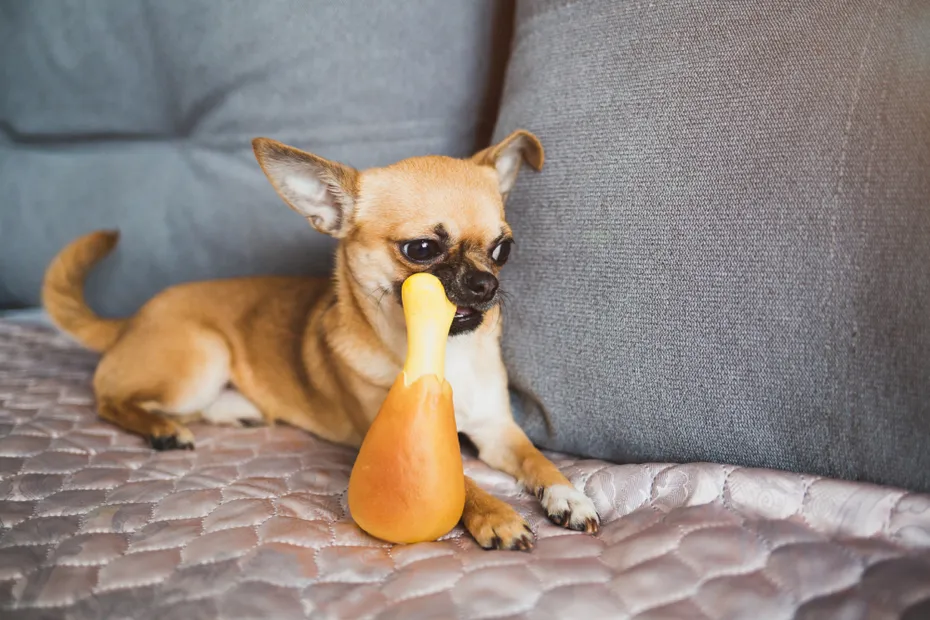
A lack of teeth doesn’t necessarily spell the end of your dog’s days of chew toys and favorite enrichment devices. Hard objects like rawhide or antlers may be more than they can handle, but soft rubber chews or plush toys with squeakers or crinkly features can provide some of the gentle mental and physical stimulation that your dog needs.
Toys and games like fetch can also still be part of your dog’s daily routine. Soft Kongs packed with peanut butter or rolling treat dispensing toys filled with soft morsels are fun tools to help your dog keep themselves busy. Lick mats are another great option; they create an engaging dining experience to switch up how you offer meals or treats.
10. Keep Brushing and Going to the Vet
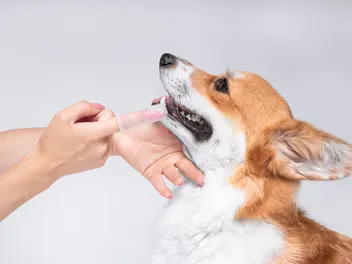
Missing teeth doesn’t excuse your dog from good oral hygiene practices. On the contrary, daily brushing is still essential to stave off bad breath and bacterial growth that can lead to gum disease and infection.
For gentle gum brushing, use a soft-bristled toothbrush and dog toothpaste on your senior Chihuahua at least once every 1–2 days. You can also use a damp cloth to wipe your dog’s gums, though a brush is better at digging into the nooks or crevices that might be hiding food.
Alongside regular checkups and cleanings at the vet, at-home upkeep will help keep your dog’s mouth fresh, functional, and irritation-free.
Can My Toothless Chihuahua Eat Dry Kibble?
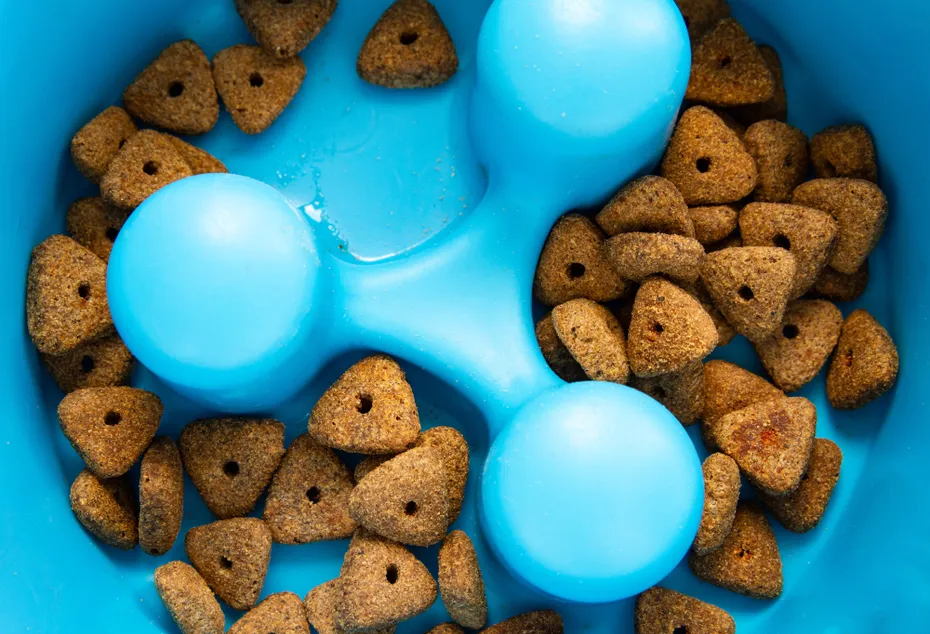
While missing teeth may cause most people to change how and what they eat, dogs can adapt relatively easily. Humans rely on teeth as the first stage of digestion. Our flat molars gnash and grind food down to make it possible to swallow and prevent choking. By contrast, dogs often don’t chew. Instead, their sharper teeth cut food into smaller pieces if they don’t just swallow it whole. Your Chihuahua may not have any problem eating dry food despite missing teeth. While they can’t shear it into smaller bites, switching to tinier kibble could make it more manageable. It may take extra preparation and close observation to see how your dog likes it but do not count out their usual food just because they don’t have teeth.

Final Thoughts
A few missing teeth aren’t always enough to stop a dog from enjoying life, especially a feisty breed like the Chihuahua. A few small, hassle-free changes are all it takes to keep your dog healthy and happy with their routine. Work with your vet, check your dog's tongue and gums daily, and follow these simple tips to help your senior Chihuahua manage life after teeth for many years.
You might be interested: Tiny Leg Stampede: Subi the Snack Sentinel
Featured Image Credit: Annette Shaff, Shutterstock
Expert dog care, straight to your inbox
News, insights, expert advice, and everything dog.

No spam — unsubscribe anytime.
By signing up, you agree to our Terms & Conditions and Privacy & Cookies Policy.
How useful was this post?
Click a star to rate. You can leave written feedback afterwards. (We read all feedback.)
Nicole has loved animals of all sizes her whole life so it's no wonder she has dedicated her career to helping them through what she loves best: learning, writing, and sharing knowledge with others. She’s the proud mom of two dogs, a cat, and a human. With a degree in Education and 15+ years of writing experience, Nicole wants to help pet parents and pets around the planet to live happy, safe, and healthy lives.