8 Reasons Not to Neuter Your Dog: Vet Reviewed Considerations


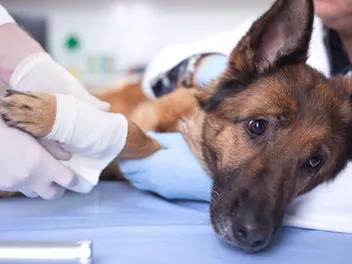
Neutering is a surgical procedure performed in male or female dogs that renders them unable to reproduce, through removal of the testicles, ovaries, and sometimes the uterus. Many prominent animal welfare organizations, including the Animal Humane Society and the British Veterinary Association, are proponents of neutering because they deem the benefits to be greater than the risk.
Benefits that have been mentioned include eliminating unwanted pregnancies (which means fewer dogs ending up in shelters or homeless) and a reduced risk of certain health issues like cancer of the reproductive organs. Nevertheless, some choose to opt out of the procedure for various reasons, but especially because they're concerned about certain health issues linked to neutering.
As with everything, we think it's important to take a measured look at the facts and expert input before making any judgments or decisions. In this guide, we'll address common reasons why some decide not to have their dogs neutered, outline what research has found, and share what experts have to say about these situations.

The 8 Reasons Not to Neuter Your Dog
1. Inability to Reproduce
Neutering makes it impossible for dogs to reproduce, so naturally, those who breed dogs will choose not to have the operation performed. However, for non-breeding dogs, many experts and organizations tout the prevention of unwanted pregnancies as a major benefit of neutering.
Unwanted pregnancies contribute to dog overpopulation, which results in more abandonments, meaning more stray dogs and more overloaded shelters. The ASPCA notes that each year, around 390,000 shelter dogs are euthanized, a sobering statistic.1
On that note, backyard breeding especially contributes to this problem, so unless you are a registered breeder, committed to improving the breed through selecting the best and healthiest dogs for breeding (after genetic and other health screening tests), the inability to reproduce is not usually a downside.
On the other hand, if you decide not to neuter, you will have to take serious precautions to avoid unwanted litters, like making sure your dog is very well confined, or even chemical castration.

2. Effects of Anesthesia
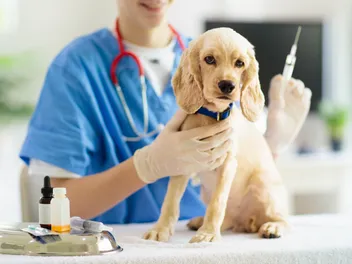
Some worry that their dog will die under anesthesia, and it's true that no surgery is entirely risk-free, and complications can occur, including fatal ones. However, the chance of this happening is very small, especially given that vets physically assess your dog to make sure they're a good candidate for anesthesia and use high-tech, modern equipment for the procedure. Most vets will offer the option of blood testing and intravenous fluids, which further increase anesthetic safety.
In addition, your vet will give you some advice on how to prepare your dog for the operation, like when to start withholding food prior to the procedure in order to prevent the risk of vomiting and choking.
3. Weight Gain
Some dog parents worry that their pooches will pile on the pounds after getting neutered. While it's true that neutered dogs need about 20% fewer calories than unneutered dogs because they have lower metabolisms, keeping an eye on how much your dog is eating and exercising them daily are the keys to keeping your neutered dog at a healthy weight.

4. Joint Disorders
According to a 2020 study, neutering a heavier mixed-breed dog (heavier than 44 pounds in adulthood) before they've reached 1 year of age may increase their risk of joint disorders.2 The researchers in this study also draw attention to a previous study that links German Shepherds, Golden Retrievers, and Labradors to a 2–4 times higher risk of joint problems when neutered too early.
To avoid the possibility of joint-related issues as a result of neutering, your vet will be able to advise you on the best time to neuter your dog depending on their size, breed, and individual needs.
5. Cancer
The same 2020 study by the University of California, Davis, mentioned above also found that some breeds are more susceptible to certain types of cancer if they're spayed or neutered too early. 35 breeds were studied, and the incidence of cancer linked to neutering "varies greatly" from breed to breed.
The cancers researchers focused on included lymphoma, mast cell tumors, hemangiosarcoma, and osteosarcoma. However, the conclusion of the study explains that an increased risk (as well as the risk of joint disorders) occurs in relatively few of these breeds, in reference to the 35 breeds examined.
On the basis of this study, the University of California, Davis, recommends that dog parents consult with their veterinarian to decide if neutering is a good idea and if so, what the right time to neuter is.
On the flip side, bear in mind that neutering also decreases the risk of certain cancers, including testicular cancer, ovarian cancer, and mammary cancer in unspayed females.

6. Personality Changes
Some fear that their dog's personality will be altered post-neutering, but as explained by the British Veterinary Association, "Castration rarely produces undesirable changes in temperament."
The Blue Cross mentions that neutering may even lessen hormone-related behaviors like roaming, urine marking, fighting, and mounting—behaviors commonly observed in intact dogs.
7. Spaying Before First Season
One of the reasons those with female dogs sometimes delay getting them spayed is that they think they shouldn't be spayed until they've gone into season for the first time. However, many experts are in agreement that female dogs should undergo spaying before they go into heat, as this reduces the risk of mammary cancer.
In addition, the Animal Humane Society notes that unspayed females have a higher risk of developing a uterine infection known as pyometra, which is very serious. Again, please speak to your vet about the right time to spay your dog, whether they're male or female.

8. Urinary Incontinence
A study published in 2019 found that spayed female dogs—especially those spayed very early—have a higher risk of urinary incontinence, a condition that causes them to leak urine involuntarily.
As demonstrated in other studies into the link between neutering and health conditions, the incidence of urinary incontinence was shown to vary from breed to breed, with some having a higher hazard ratio and others, a low hazard ratio. Body weight was another risk factor, with increased body weight being correlated with a higher risk of urinary incontinence.
Researchers involved in the study concluded that spaying females under 6 months—especially those in the high-risk breed category and heavier dogs—"should be carefully considered". You can discuss this with your vet if you're concerned, as your dog may be at a very low risk for neutering-associated urinary incontinence.
Conclusion
While neutering has been linked to certain health conditions—mostly related to the age of the dog when the procedure is performed—many top welfare organizations maintain that the benefits outweigh the risks. That said, as the AVMA puts it, "There is no single recommendation that would be appropriate for all dogs."
The most important thing to do is to discuss the prospect of neutering with your veterinarian who will help you determine if it's the right thing for your dog based on their health status, age, breed, size, and other factors. Your vet can also advise you as to the right time to neuter your dog to reduce the risk of potential health issues linked to neutering.
See also:
Featured Image Credit: Kyla Metzker, Shutterstock
Expert dog care, straight to your inbox
News, insights, expert advice, and everything dog.

No spam — unsubscribe anytime.
By signing up, you agree to our Terms & Conditions and Privacy & Cookies Policy.
How useful was this post?
Click a star to rate. You can leave written feedback afterwards. (We read all feedback.)
Kit Copson is a freelance writer and lifelong animal lover with a strong interest in animal welfare. She has parented many furry beings over the years and is currently a proud cat mom of two—one very chilled (unless hungry) Siamese and a skittish but adorable Domestic Shorthair—and dog mom of one—an adopted Bichon Poodle cross. When not writing about or spending time with pets, Kit can be found drawing in her sketchpad, reading, or more often than not, drinking tea.