How Do Dogs Get Respiratory Infections & Signs to Monitor (Vet-Reviewed)


In this article
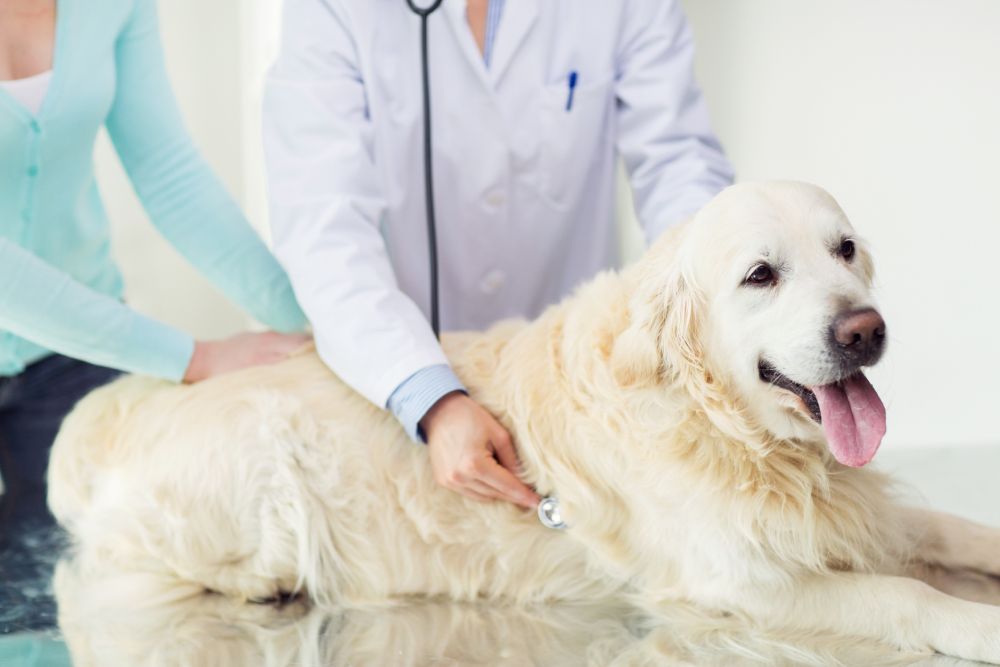
Our dogs can contract a number of ailments that all cause similar signs. Sometimes, it's hard to differentiate between them without professional assistance, which is why you should never attempt to. Always consult with your vet if you're concerned about any type of respiratory issue.
Respiratory illness is very common in dogs and can be viral, bacterial, or fungal. Dogs can get respiratory infections the same way that humans can. Dogs usually get respiratory infections through contact with infected dogs, through their environment, or by contact with contaminated surfaces. But the signs of respiratory infections vary according to what the infection is.
In this article, we’ll explain how dogs get respiratory infections, the different types of respiratory infections, and what signs to look for.

How Do Dogs Get Respiratory Infections?
When your dog is hacking and coughing, it can be quite concerning, and you’re certainly going to want to get to the bottom of it. In some cases, these issues can be viral, passing all on their own. In other cases, they can be due to a bacterial or fungal infection, and some of them can be deadly without proper treatment.
Most of the time, respiratory infections are contracted from dog-to-dog contact, but dogs can also get respiratory infections from their environment. They can transmit through any of the soft membranes, usually coming from saliva or other bodily fluids. Many dogs contract illnesses from each other by sharing toys or food bowls.
Since dogs mostly play with their mouths, this also doesn't work in their favor. Unlike humans, who tend not to lick each other all the time, dogs always have their mouths on each other. It makes transmission much easier.
Regardless of the underlying problem, proper diagnosis is crucial. We’ll look at some of the most common respiratory infections in dogs and the signs of each, but make an appointment with your vet right away to determine the underlying cause.

The 7 Common Respiratory Infections in Dogs
1. Canine Distemper
Canine distemper is a viral disease that can spread like wildfire. Sadly, distemper is a vicious and deadly viral infection, so it is important to have your dog vaccinated to prevent it in the first place.
Signs
Treatment
Prevention is really the best method for distemper through routine vaccination. If a puppy happens to contract it, there is no cure and no antiviral drugs to help the process. All vets can essentially do is provide supportive care.
A vet might provide intravenous fluids to hydrate the patient. They can also help prevent secondary infections and control GI symptoms.
Sadly, about one in two dogs will die of distemper, despite supportive care.
Prevention
Vaccines are the major preventative for canine distemper. The current vaccine is over 99% effective within a few days of injection. The distemper vaccine is often given in combination with parvo, parainfluenza, and other core vaccines 2-3 times between 8-16 weeks of age.
2. Canine Influenza
Canine influenza is exactly what it sounds like—a flu for dogs. It is not transmissible to humans, but it can make your pup feel really crummy, and it can take them a little while to feel better. In puppies or dogs with a compromised immune system, it can be hard to fight and even deadly.
Signs
Treatment
Like most viral infections, canine influenza has to run its course. It doesn't have any specific treatment, but the vet might provide supportive care if they feel like the dog is dehydrated. Preventing secondary infection is key, so your vet will do with what they can to ensure it doesn't happen.
Prevention
The best way to prevent your dog from contracting the canine flu is to keep them away from most public spaces like kennels, boarding facilities, and grooming facilities. Keep up good hygiene practices as well, remembering to wash your hands, especially if you have multiple dogs or work with dogs regularly.

3. Chronic Bronchitis
Canine bronchitis can be easily confused with pneumonia. Bronchitis can be a primary or secondary infection and can coexist with other respiratory diseases.
Signs
Treatment
In mild cases, your vet might support your dog through supportive care. They might also prescribe corticosteroids to decrease airway inflammation, making it easier for your dog to get a breath. More mildly, they can also prescribe cough suppressants.
Prevention
While there's no surefire way, the best method to prevent bronchitis in dogs is to avoid environmental allergens and triggers. Obesity can also worsen bronchitis symptoms, so always keep your pup at a healthy weight.
4. Kennel Cough
Kennel cough is a highly infectious virus that passes easily from dog to dog. You might’ve heard kennel cough being particularly bad in shelters or boarding facilities. But dogs can also easily contract kennel cough from dog parks and vet’s offices.
Basically, anywhere where canines congregate, kennel cough is possible.
Signs
Treatment
There is no solid treatment for kennel cough. Usually, this illness comes and leaves just the same on its own without any medication. However, to minimize the symptoms, vets may prescribe antibiotics, cough suppressants, or anti-inflammatory medicines.
Prevention
Since kennel cough is comparable to getting the common flu, it just has to run its course. Within two to three weeks, your dog's honking should stop, and they should be back to normal.

5. Lung Tumors
While not a respiratory illness, lung cancer can often present as a respiratory problem initially. In most cases, the disease is quite advanced by the time it shows any signs.
Signs
Treatment
Sadly, tumors of the lungs are often fatal. The best prognosis for lung tumors is 18-20 months or longer, while dogs with a poorer prognosis may only survive for a few months. Chemotherapy is often ineffective against lung cancer in dogs.
Prevention
While there is no one-size-fits-all when it comes to preventing lung cancer in dogs, there are ways you can promote a healthier lifestyle. Always make sure to give your dog a healthy balanced diet and maintain appropriate exercise regimens.
You can also take other measures, such as not smoking indoors or in the car with your dog and avoiding harsh chemical exposure in the home and yard.
6. Streptococcus
Streptococcus can affect humans and dogs alike and can present as a respiratory infection. The strain that affects dogs is called Streptococcus canis. This bacteria is found in a dog's throat, gastrointestinal tract, reproductive tract, and skin.
While a normal amount of the bacteria is found in healthy dogs, when the bacteria is out of control, it can result in frequent infections, laryngitis, UTIs, pneumonia, and even arthritis. Severe cases can even be deadly, as it can cause streptococcal toxic shock syndrome or STSS.
Signs
Treatment
Canine strep might have different therapies depending on your vet’s determination of the illness advancement. Mild cases might include taking a routine course of antibiotics and treating any skin issues as they arise.
Prevention
Typically, the best practice to avoid streptococcus in dogs is to practice good hygiene.

7. Pneumonia
Pneumonia is an infection of the lungs, which can cause breathing difficulties and lack of oxygen in the blood. Pneumonia can be caused by a viral, bacterial or fungal infection, or by inhaling something foreign into the lungs.
Signs
Treatment
If a dog has pneumonia, the vet will most likely prescribe them a course of antibiotics. Generally, vets will take cultures to determine the type of pneumonia so they can give the best antibiotics to fight it. They might also give your dog breathing treatments or a nebulization to ease symptoms. Supportive treatment may be necessary as well.
Prevention
Since pneumonia most often begins as a secondary infection, you can sometimes prevent pneumonia by getting to the primary issue under control quickly enough.
If your dog struggles with any of the signs listed in any of the above conditions, you should take them to be examined by a vet.

Other Issues Mistaken for Respiratory Conditions
Other conditions that aren't necessarily respiratory infections can affect your canine. Below are a couple of conditions that could cause coughing and other respiratory signs similar to a respiratory infection.
Heartworm
Heartworm is one of those parasites that your vets try to prevent at all costs. It can have devastating effects on canines and can quickly lead to death if it isn't treated aggressively. Initially, you might think that your dog is experiencing some upper respiratory trouble, maybe even a virus, but it is important to get your dog to the vet to be sure.
Heartworms can cause breathlessness and coughing after exercise, which you could easily mistake for a respiratory condition, but it is important to understand what to look for.
Signs
Treatment
Treating heartworm can be tricky and requires a series of steps and injections. There are some risks associated with treatment, and heavy heartworm burdens may damage organs which may require further action.
Prevention
Heartworm medication should be administered on a timed schedule, similar to flea and tick prevention. There are multiple kinds on the market from monthly preventatives to ones that last 6 months or more.

Tracheal Collapse
Tracheal collapse mostly occurs in small breeds, though large breeds can be affected as well. When the trachea collapses, it makes it much harder for the dog to get adequate air into the lungs, which can cause serious struggles.
Sometimes, you might mistake this as a mild case of kennel cough as it produces a similar honking cough in dogs. It might be particularly worse during hot or humid weather and can increase in severity when eating and drinking or with excitement.
Signs
Treatment
Typically, tracheal collapse is treated depending on the puppy's overall condition. Antibiotics and anti-inflammatory drugs might be prescribed intermittently as needed. Your dog might also be given cough suppressants to minimize symptoms.
Prevention
Sometimes tracheal collapse cannot be avoided, but it can be treated. Often, this is a breed defect and will present regardless of efforts against it.
Heart Issues
Heart issues can present with several different symptoms that one might overlook initially. However, it is so important to get your dog into the vet in case it is something much more serious in nature.
Signs
Treatment
Treatment for heart issues in dogs will vary depending on the actual heart condition in question. Your vet will perform a series of tests and will be able to prescribe drugs to try to manage the heart disease accordingly.
Your pup might need frequent checkups to make sure the medication is metabolizing correctly in the body. Once your vet gets your dog's heart condition under control, they might continue the series of treatment or change it along the way. At times, your pup might require eventual surgery.
Prevention
To prevent heart disease in dogs, it is crucial to make sure that your dog has the appropriate diet and exercise plan. Sometimes, certain heart conditions can be genetic, and therefore there's not a lot you can do except manage the symptoms.

Why Vaccinations Are Recommended
Many vaccinations on the market can prevent a lot of upper respiratory infections. Routine vaccinations can help eliminate the risk of some of these illnesses from developing, which can save you money on vet bills, and even save your dog’s life.
Many vaccines need to be administered yearly in order to remain effective, so ask your vet which vaccines your dog needs in order to prevent some of these respiratory illnesses, particularly distemper.

Conclusion
If your pup has caught a cold and you hear some wheezing, sneezing, trouble breathing, or other telltale symptoms, it may be time to call your vet. There can be many different kinds of respiratory infections that dogs can get, so your vet will need to look at the symptoms your dog is experiencing and run some tests to diagnose the illness.
Sources
Featured Image Credit: Ground Picture, Shutterstock
Expert dog care, straight to your inbox
News, insights, expert advice, and everything dog.

No spam — unsubscribe anytime.
By signing up, you agree to our Terms & Conditions and Privacy & Cookies Policy.
How useful was this post?
Click a star to rate. You can leave written feedback afterwards. (We read all feedback.)
Ashley Bates is a freelance dog writer and pet enthusiast who is currently studying the art of animal therapy. A mother to four human children— and 23 furry and feathery kids, too – Ashley volunteers at local shelters, advocates for animal well-being, and rescues every creature in need. Her mission is to create awareness, education, and entertainment about pets to prevent homelessness. Her specialties are dogs and cats.