Anxiety in Dogs: Vet-Verified Causes, Signs & Treatments



In this article
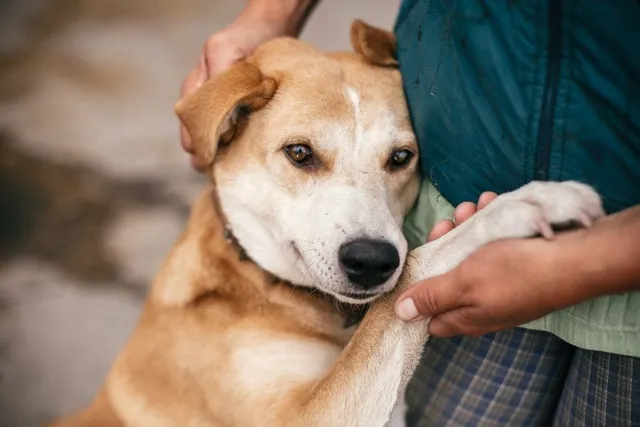
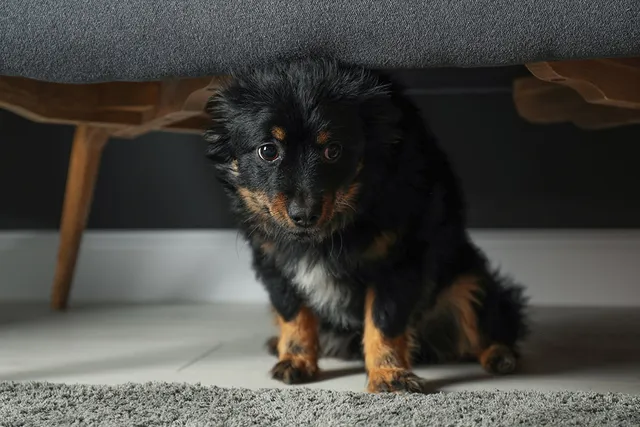
Occasional stress or fear is normal and natural in dogs, but problems occur if a dog exhibits high levels of anxiety or anxiety over a prolonged period. Anxious dogs may exhibit unwanted behaviors like chewing and inappropriate toileting. Other signs include excessive crying, panting, shaking, and poor appetite. It can even lead to aggressive or reactive behavior.
If anxiety becomes an issue, a vet can prescribe anti-anxiety medication to aid training, but mild to moderate cases can be improved through training, socialization, desensitization, or environmental changes. In this article, you can find more information about anxiety in dogs including possible causes, signs, and what you can do to help your dog overcome it.

What Is Anxiety?
Anxiety is a feeling of fear or fearful anticipation. It is a natural response, and some anxiety can be expected, but it should never interfere with day-to-day life. In the wild, it helps animals identify and overcome challenges. It protects them from predators and can prevent unwanted situations.
However, while some anxiety is natural, heightened anxiety or inappropriate anxiety can be a problem. It can become an anxiety disorder, with some of the most common types being separation anxiety and certain phobias.
Not only can anxiety make your dog’s daily life miserable, but it can lead to potentially dangerous actions and reactions, while the increased hormones your dog produces when it is feeling very anxious can lead to physical illness.

What Are the Signs of Anxiety in Dogs?
Although it is possible to control extreme anxiety in dogs, it takes a lot of time and effort. Some dogs require medication to help control these feelings and help their training progress more effectively. It is better to identify anxiety early and help your dog overcome the problem before it gets too serious.
Signs to look for include:
What Are the Causes of Anxiety in Dogs?
Try to determine whether any specific noise or other activity causes these reactions. However, sometimes there is no obvious cause, in which case the dog may have generalized anxiety.
Some of the most common causes of anxiety in dogs include:


How Do I Care for a Dog With Anxiety?
Prevention is better than cure when it comes to anxiety. Identify sources of anxiety and take steps to prevent or alleviate the stressors.
Environmental Changes
Sometimes it’s possible to avoid anxiety triggers while you work on the issues. This can be helpful as anxiety is more likely to be overcome if the exposures to the trigger are controlled and positive. For example, if your dog has separation anxiety every time you go to work they will be in a high state of arousal, making this a negative experience. If you can arrange for pet-minding or work from home while your training is in place, your training will progress better.
Socialization
Socialization can help prevent anxiety in the first place. Introduce a puppy to groups of people and new situations so they will have more experience with a variety of situations. Sign up for puppy classes and embark on outings that cover new ground and meet new people. Also get your puppy used to being alone for gradually increasing periods of time.

Exercise 🐕
Exercise is essential to all dogs. It not only improves physical health but also wears a dog out, allows them to burn off energy, and can improve socialization. If your dog suffers separation anxiety, it is a good idea to give them a long walk before you leave the house.
Stimulation
Offer mental stimulation, as well as physical exercise. Provide interactive toys while you’re out. This engages the brain, so your dog won’t concentrate on the cause of anxiety. Interactive toys and treat-dispensing toys are good forms of mental stimulation.
Training 🎾
Desensitization and counter-conditioning can help overcome some forms of anxiety. If there is some external stimulus that causes your dog’s anxiety to peak, desensitizing them to this stimulus can help quell anxiety. You need to expose your dog to a stimulus at a level that does not cause anxiety, for example, having your dog stay while you walk away or leave the room for a few seconds if they have separation anxiety. When they are calm and behaving, give them a treat, which counter-conditions them to associate the experience with something positive. Over time, you can increase the length of time you leave them.
Medication
A vet might prescribe supplements or medication to help lessen anxiety. Medication can include daily anxiety medications or short-acting tranquilizers, depending on the situation. There are also pheromone-collars that can have a mild calming effect.
Frequently Asked Questions (FAQ)
Are Some Dog Breeds More Prone to Anxiety?
All dogs can suffer anxiety, but certain breeds are indeed more likely to suffer than others. Companion breeds that need the attention of their owners, for example, are more likely to suffer separation anxiety.
Should I Take My Dog to the Vet for Anxiety?
If your dog is exhibiting signs of anxiety, and you have tried increasing exercise and mental stimulation, it is a good idea to consult a vet. They can rule out possible illnesses, prescribe medication, and refer you to a trained animal behaviorist for further training if needed.

Does Anxiety Get Worse With Age?
As dogs age, they can suffer a degradation in their sight, hearing, and sense of smell, which can lead to anxiety. Older dogs will have more set routines, which means they are more prone to anxiety from changes in circumstances. Canine cognitive dysfunction, a similar condition to Alzheimer’s disease, can also lead to anxiety in older dogs.
Conclusion
Anxiety in dogs can manifest itself in behavioral problems, potential reactiveness, and even in health conditions. Common causes of anxiety in dogs include separation anxiety and lack of socialization, although general anxiety can also present. Ensure your dog has physical exercise and mental stimulation, and use positive reinforcement and desensitization, where possible, as well as socialization.
If your dog has anxiety consult a vet to rule out illness and speak to an animal behaviorist who can help identify the root cause and work with you to combat the problem.
Also see: What Foods Reduce Anxiety in Dogs?
Featured Image Credit: p.s.stasya, Shutterstock
Expert dog care, straight to your inbox
News, insights, expert advice, and everything dog.

No spam — unsubscribe anytime.
By signing up, you agree to our Terms & Conditions and Privacy & Cookies Policy.
How useful was this post?
Click a star to rate. You can leave written feedback afterwards. (We read all feedback.)
Matt is a freelance writer from the UK. He lives with his partner and daughter, as well as two cats and one dog. A data analyst by profession, Matt moved from numbers to words more than 15 years ago and has been writing ever since. Having volunteered at a local animal sanctuary, he has a lot of experience with dogs, cats, and horses. Matt has also kept bearded dragons, a variety of birds, fish, guinea pigs, hamsters, mice, and rats. His daughter has adopted the same passion for animals, keeping and breeding snakes. A geek at heart, Matt is a member of a local board gaming group and regularly forces his family to “enjoy” board games with him at home.