
How to Calm a Dog Down at the Vet’s Office: 8 Expert Tips


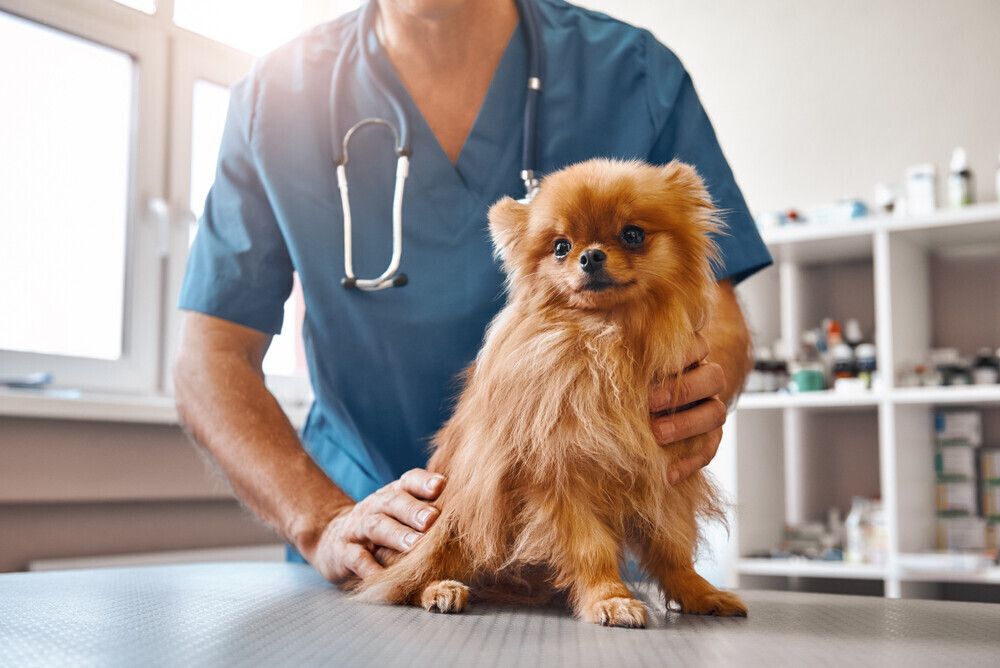
Even if our dogs are happy to visit the vet, most of us have seen anxious dogs in waiting rooms licking their lips, drooling, and possibly even urinating. When it’s time to go to the examination room, they somehow make themselves weigh three times as much and point-blank refuse to enter.
In extreme cases, the anxiety can turn to reactivity. Because, as owners, we care about our dog’s mental welfare as well as how others view us, we get anxious ourselves. Our anxiety heightens that of our dogs, and the problem just gets worse. It can make a routine checkup a nightmare.
While it is unlikely you can resolve the problem overnight, there are steps you can take to make the whole experience easier.

The 8 Ways to Calm a Dog Down at the Vet’s Office
1. Be Prepared
It isn’t necessarily the vet that your dog is anxious about. It could be the car journey, meeting other dogs in the waiting room, or memories of a bad experience. Prepare your dog and yourself before you make the journey. Get the carrier ready and your dog used to the carrier (if they are small enough to be carried). Try and get your dog acclimatized to getting in the car and going on journeys.
Make sure you have everything ready for the visit. Prepare questions, have any medication or other items you need to discuss with your vet and prepare anything else you need. It will cut down the time your dog has to spend in an environment that makes them anxious.
2. Visit When You Don’t Have an Appointment
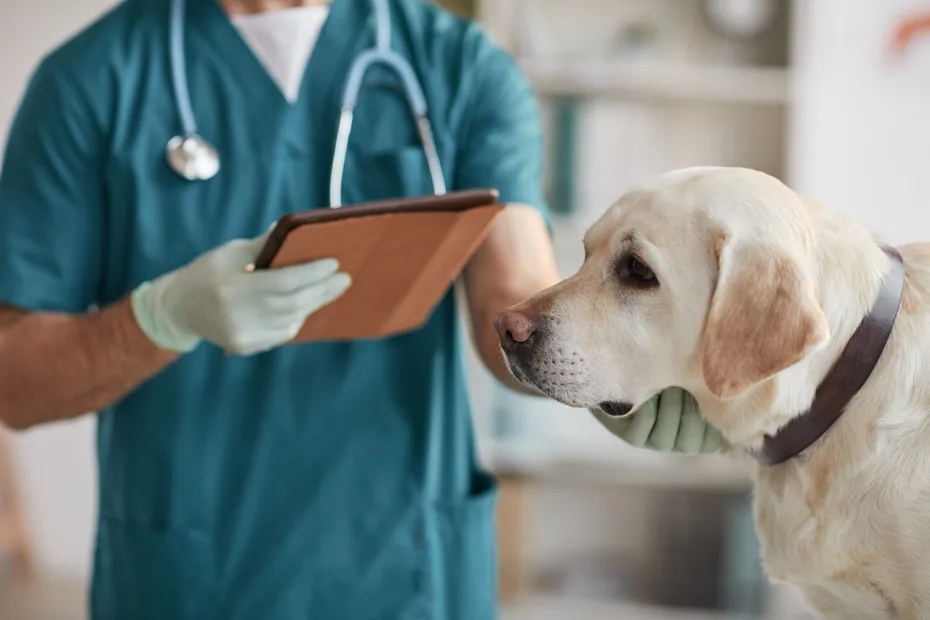
If your dog has a bad experience every time they visit the vet, they will become increasingly anxious with every visit. They will also start to recognize the signs and get anxious before even arriving in the waiting room.
When you pick up medication or make an appointment, take your dog with you. If your vet also sells treats and food, consider buying from there and taking your pup. Most vet practices are very happy to have canine patients drop in, especially if it means a less fraught time for the next visit. However, make sure your vet doesn’t have a cat-only day before you pop in.
3. Socialize, Socialize, Socialize
Your dog might dislike going to the vet because they don't like other dogs or has had negative experiences with them while at the vet. While you can’t change how other dogs act, you can affect how your dog reacts to them.
Socialization is essential for all dogs, and while it should ideally be started when they are young puppies, it is never too late to start.
Carefully and gradually introduce your pup to other dogs. You can do this at dog parks, dog training classes, and with the help of friends and family. The key is to try and ensure that the experiences are positive and that they teach your dog that new encounters are nothing to fear.
4. Walk Them First
Wear your dog out before you go to the vet. Give them an extra-long walk, or take them to the park and throw a ball around. Pent-up energy can make anxiety worse, and if your dog is exhausted, they're more likely to lie down calmly and wait.
If you’re visiting the vet because of injury or illness, be careful of the type and intensity of exercise you’re offering. You don’t want to exacerbate the problem.
5. Get Them Used to Being Handled
Some dogs don’t like to be handled by strangers, and others don’t particularly like to be handled at all. If your pup falls into either of these categories, even a routine examination can be a difficult and harrowing experience.
At home, and while your dog is calm, conduct your own physical examination. You can use the opportunity to look for signs of injuries or possible illness or just as a chance to give your dog a massage. Start small, and if your dog gets agitated, don’t push it too far.
Make the examination last a little longer each time and make each experience positive, with lots of cuddles and treats. All this work will help, and when they get to the vet, they should be less stressed out by the whole experience.
6. Stay Calm
Your dog will pick up on your mood. If you’re feeling happy and calm, your dog will enjoy some of this same happiness and calmness. Understandably, going to the vet with an anxious dog can cause you anxiety, but your anxiety might trigger your dog. It’s a vicious circle and one you need to break.
Even if your dog gets anxious and has a toilet accident, you must remain calm and show them how it’s done. Don’t get frustrated or shout at your dog, but let the veterinary staff know what’s happened.
7. Use Anti-Anxiety Aids
Anti-anxiety aids don’t have to be sedatives or drugs. In addition to herbal and pheromone-based supplements, you can use personal anti-anxiety aids. If your dog has a cushion or blanket that calms them, take it with you. Or offer a favorite toy you know they grab when they’re anxious. If hiding under the chair is your dog’s safe place, let them hide. If you are your dog’s anti-anxiety aid, let them sit on your lap while you wait for your appointment.
If your dog's anxiety is severe, speak to your vet. They can prescribe a mild sedative or other medication to make the visits easier for you and your dog. They can also book quieter times when there will be fewer dogs in the waiting area.

8. Have the Vet Come to You
If your dog’s anxiety is a huge problem and one that can’t be overcome, it might be possible to have the vet visit you. Some vets and specialists make house calls. Be aware that home visits carry additional costs and have their limitations. There is only so much your vet will be able to do for your dog if they don't have a lab. However, if it helps to have your vet visit you to get your dog used to a specific person, it might be a stepping stone to a more comfortable trip the next time.

Why Does My Dog Panic at the Vet?
Visiting the vet is essentially a series of events, many of which your dog might not be accustomed to. If they don’t get in the car often, the car journey could start the problem. Then, they have to face the waiting room, typically filled with other anxious or excited dogs. The examination can also be very stressful and sometimes uncomfortable for some dogs, as they are poked and prodded.
For dogs that have required multiple procedures in the past, visiting the vets will remind them of how they felt after those visits. If you’re worried about taking your anxious dog to the vet, this will only heighten the sense of anxiety in your pup.
Is It Normal for a Dog to Be Aggressive at the Vet?
It isn’t normal or acceptable for a dog to be aggressive while at the vet, but if a dog feels incredibly anxious, they can react by being aggressive. Even if your dog is otherwise placid and enjoys meeting new people and other dogs, the massive anxiety associated with a vet visit can lead to unexpected behavior.
If you’re worried, put a muzzle on your dog. The best way to do this is to take the time to muzzle-train your dog. You can also try to book a timeslot when it is quieter. If the problem is severe, work with a behaviorist to try and minimize the issues.

Can You Sedate a Dog for a Vet Visit?
For severely anxious or reactive dogs, the vet will prescribe sedatives. They are usually given in liquid or tablet form and are administered to the dog on the morning of the visit. They don’t cause a dog to sleep, but they calm them down, making it easier for you and ensuring that the vet can perform an examination safely.
However, sedatives are typically only used as a last resort because vets prefer the dogs to be responsive during the examination, and although rare, dogs can have bad reactions to any medication.

Conclusion
Some dogs have no problem visiting the vet. They enjoy meeting other animals in the waiting room, love the attention of the people they meet, and relish the chance of getting at the treats and food often sold in the waiting area. Other dogs suffer massive anxiety at the thought of a vet visit.
Stay calm, walk your dog before visiting, and try to desensitize them to the experience through socialization and regular visits, even when your dog doesn’t need treatment. You can also rely on anti-anxiety aids that can include favorite toys, blankets, or your lap.
If your pup's anxiety is severe, your vet can prescribe a sedative to help.
Featured Image Credit: Friends Stock, Shutterstock
Expert dog care, straight to your inbox
News, insights, expert advice, and everything dog.

No spam — unsubscribe anytime.
By signing up, you agree to our Terms & Conditions and Privacy & Cookies Policy.
How useful was this post?
Click a star to rate. You can leave written feedback afterwards. (We read all feedback.)
Matt is a freelance writer from the UK. He lives with his partner and daughter, as well as two cats and one dog. A data analyst by profession, Matt moved from numbers to words more than 15 years ago and has been writing ever since. Having volunteered at a local animal sanctuary, he has a lot of experience with dogs, cats, and horses. Matt has also kept bearded dragons, a variety of birds, fish, guinea pigs, hamsters, mice, and rats. His daughter has adopted the same passion for animals, keeping and breeding snakes. A geek at heart, Matt is a member of a local board gaming group and regularly forces his family to “enjoy” board games with him at home.


