In this article
Crate training is an important part of welcoming a pup of any age into your home. Crates can be useful for training puppies and provide a safe haven for dogs of any age. However, puppies sometimes create negative associations with their crates, which can be extremely difficult to break. Crate training a puppy who hates their kennel will require much patience and consistency, but it is possible. Read on to find our tips on training a puppy to enjoy their crate.

Before You Begin Crate Training
Before you start crate training your puppy, there are some things you should know about the process.
Understand the uses of the crate.
Any time your puppy spends in their crate should be pleasant. You shouldn’t use it as a punishment or for behavior modification, as the crate should be seen as a safe space for them. If your pet’s first experience with their crate is terrifying, it’ll be very difficult to teach them otherwise.
You shouldn’t ever leave your pet in their crate for extended periods. Please don’t leave them in there for more than four to six hours at a time. Don’t force them in, and don’t shut the door until they are ready for this step.
Choose the right crate.
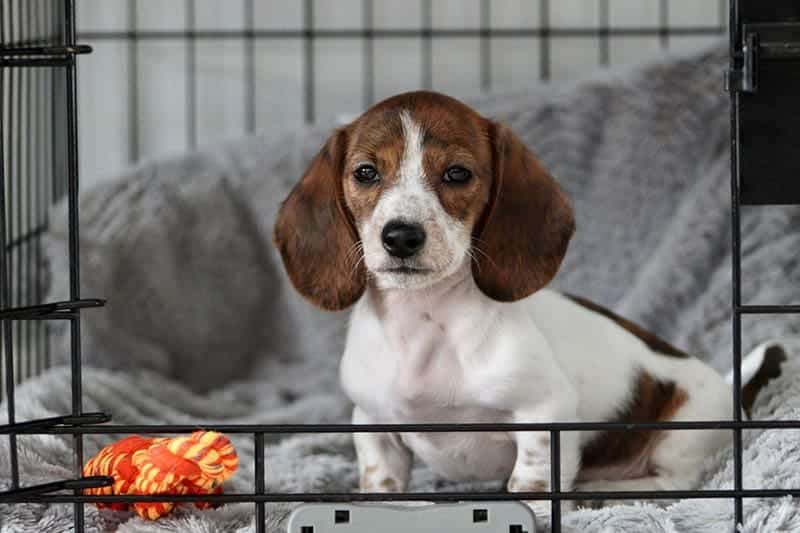
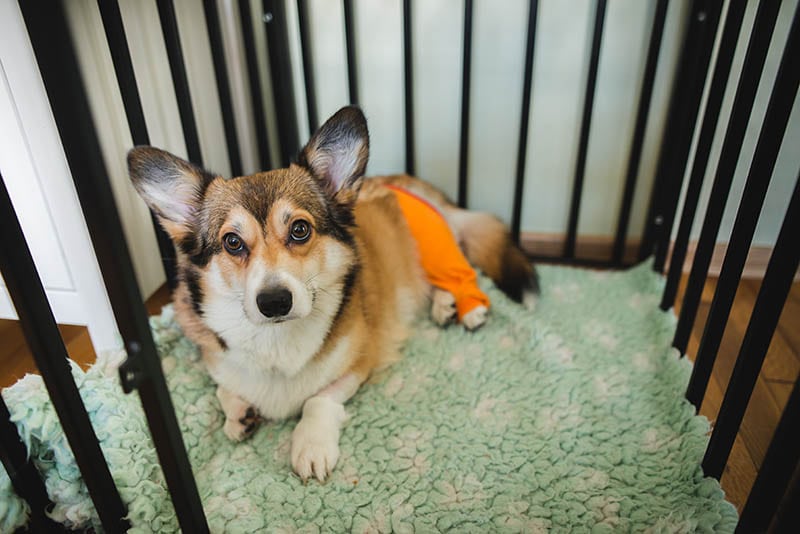
Crates come in many different sizes and styles and choosing the right one can make or break your training. Your pet should be able to sit, stand up, lay down, and turn around comfortably in their crate. Crates with ventilation and lots of visibility can be more comfortable and inviting, however, some dogs will feel more secure in an enclosed crate.
Know when to use the crate.
Make sure your pup has plenty of physical and mental stimulation before you leave them in their crate for longer periods. Exercising beforehand will reduce stress and encourage calmer behaviors.

How to Crate Train a Puppy That Hates Their Crate
1. Introduce the crate slowly.
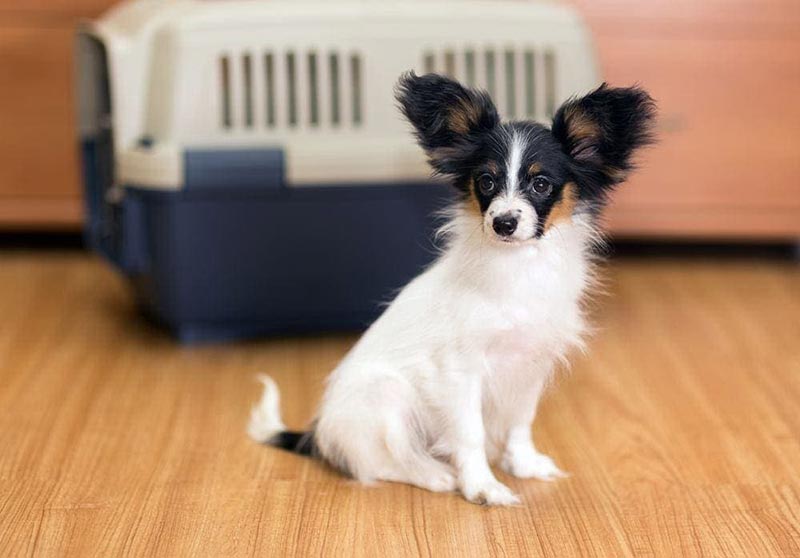
If your pup already has negative associations with their crate, you’ll need to go back to the beginning and re-introduce them to their kennel as if they’d never seen one before. It needs to be introduced slowly and positively. Leave the door open and place treats inside to entice your pup to explore it on their own accord. Allow them to go in and out as they deem fit without any pressure.
2. Try to create positive associations.
If your puppy is resistant to entering their crate, help them by creating positive associations with it. Offer them a meal or their favorite treat inside the kennel, or even just next to it if they are extremely fearful. Maybe toss their favorite toy in there once in a while. It can take some time for your pup to recognize that going inside the crates means yummy food or fun playtime, but they will eventually make that connection.
3. Leave something with your scent inside.
Dogs have an extremely powerful sense of smell that they use to interact with their world. Their crate may not initially be comforting as it doesn’t have a familiar scent. Put something with your scent on it inside the crate to provide that much-needed comfort your pup needs to calm down. This can be a shirt you’ve recently worn but not washed or a blanket you often use.
4. Fix the problem.
Your puppy hates their kennel for a reason, and your job is to determine what the problem is so you can fix it. This step is much easier said than done, but it is a non-negotiable part of fixing your pup’s fear or hatred of their crate.
For example, puppies that have been left in their kennels for too long may learn to associate them with thirst, hunger, or soiled bedding. Puppies that have previously been kennelled for punishment will naturally create negative associations with their crates. Your pup’s dislike of their crate could even come down to something as simple as it is too close to your loud heater or laundry machine.
5. Make the space comfortable.
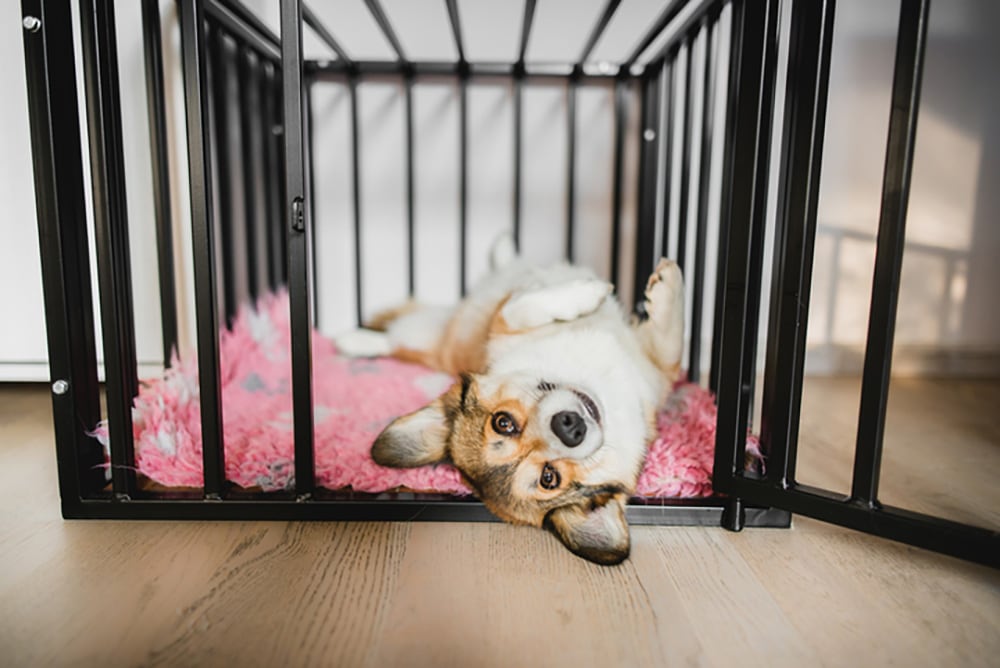
The crate should be a comfortable and inviting space for your pet. To make the kennel cozy and reassuring, use soft blankets and bedding and put items with your pup’s scent on them inside. Don’t overcrowd the space, however. Placing the crate in the living room is often a good idea as it is usually a comfortable area, with people present.
6. Close the door gradually.
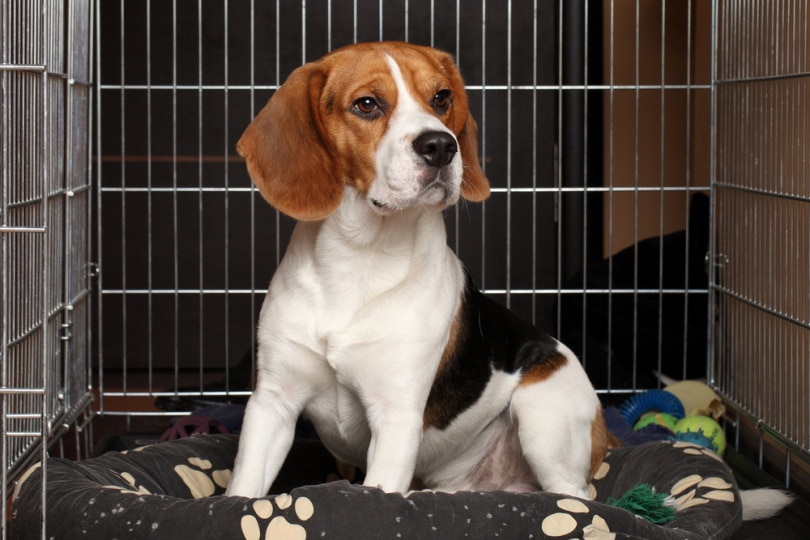
Once your pup is comfortable going into their crate voluntarily, and spends a bit of time in there without prompting, start slowly closing the door behind them while you’re present. At first, you’ll want to immediately open the door upon closing it to prevent anxiety. As your puppy gets more comfortable with the idea of being inside their crate with the door closed, slowly increase how long you leave it closed. Keep a close eye on your puppy’s body language to gauge their comfort level during this step.
Important: Never close the door on a puppy exhibiting signs of stress, fear, or anxiety. If your pup becomes stressed, you will need to go back a step in your training.
7. Offer lots of praise and rewards.
Puppies can be very treat and praise-motivated, so offering your pup these rewards can go a long way in helping them be comfortable with their kennel. Positive reinforcement techniques help them learn that being in the crate equals getting a treat or praise from mom and dad.
8. Consider professional help.
If these steps don’t help acclimate your pup to their crate, it may be time to seek professional help. A dog trainer or veterinary behaviorist can provide you with insight into your pup’s fear or hatred of their crate and help you devise a plan to address their specific needs.
If you need to speak with a vet but can't get to one, head over to PangoVet. It's our online service where you can talk to a vet online and get the advice you need for your pet — all at an affordable price!


Final Thoughts
Crate training a puppy who hates their crate can be a long and challenging process, but it is not entirely impossible. You’ll need to exercise patience and consistency in training, but over time, your pup should become more comfortable as they realize their crate is a safe and protective space for them. However, if you’re really struggling and your puppy is showing no sign of letting go of their crate hate, we recommend reaching out to a professional dog trainer or behaviorist to help you build a training plan.
Featured Image Credit: Jaclyn Vernace, Shutterstock