Vizsla Separation Anxiety: How Common It Is & What to Do (Vet-Verified)


In this article
Vizslas are beautiful, loving dogs that make great companions for active people. Whether you’re taking your Vizsla hunting or hiking, they’ll happily join you on an adventure. Because of their high energy and desire for human companionship, though, it’s not uncommon for Vizslas to develop separation anxiety.

What Is Separation Anxiety?
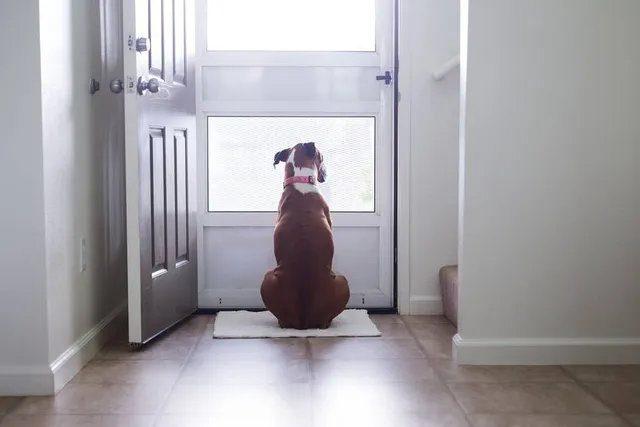
Separation anxiety occurs when a dog experiences notable stress when left alone. For some dogs, this may only happen when they’re left home alone, but other dogs can have such severe cases that even being left alone in a room can cause extreme stress for them.
Oftentimes, separation anxiety develops in high-energy breeds that aren’t provided with enough exercise and enrichment, breeds that rely strongly on their bond with humans for a sense of safety, and dogs that have never experienced being left alone, which many people first discovered when they returned to work after the pandemic. The Vizsla is both high energy and highly social, which can make them prone to developing separation anxiety.
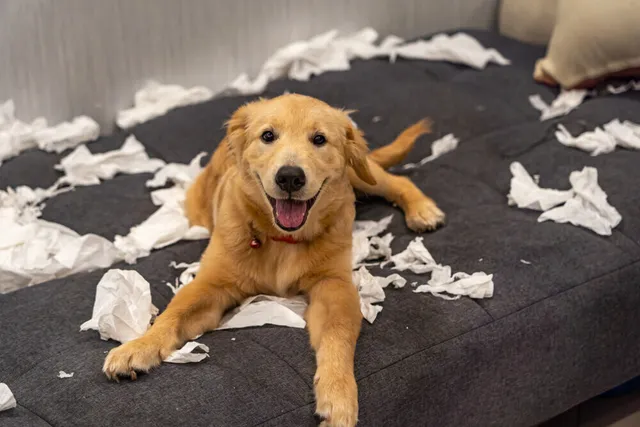
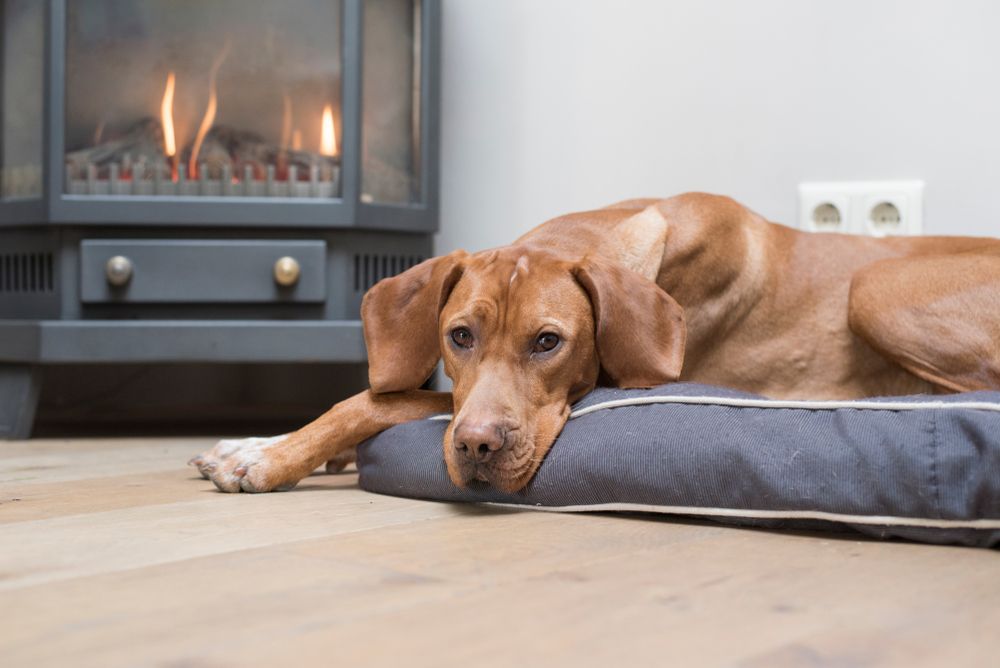
Separation anxiety in dogs can manifest in multiple ways. Some dogs may bark or attempt to break out of their crate when left alone. Some dogs may have accidents in their kennel or the home. In severe cases, dogs have been known to chew through doors and walls and break windows and glass doors in an attempt to find relief from their stress.

What to Do to Manage Your Vizsla’s Separation Anxiety
1. Start Prevention While Your Dog Is Young
One of the biggest mistakes many new dog owners made during the pandemic was never providing their puppies with alone time. After a year or two of the constant companionship of a human, it was very difficult for many dogs to adjust to their owners going back to work.
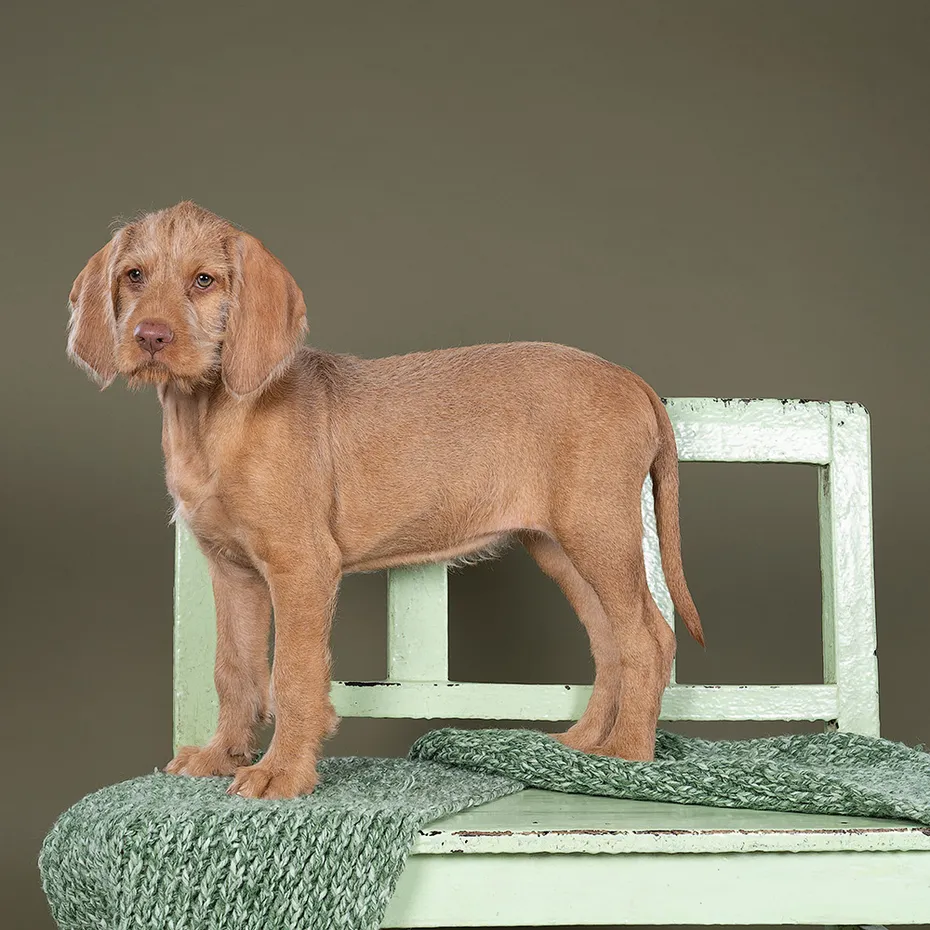
When your Vizsla is still a puppy, make sure you provide them with plenty of alone time. Crate training is an excellent way to create a space that feels safe, comfortable, and calm for your dog. By ensuring your dog spends time alone in their safe space, even if you’re in the home, you’re setting your dog up to be comfortable with alone time and making them less reliant on your presence.
2. Provide Enrichment and Exercise Daily
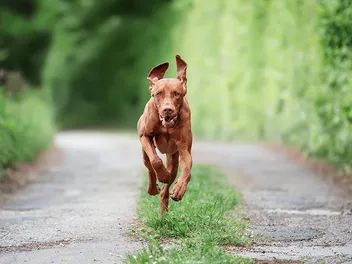
The Vizsla is a high-energy breed that was developed for hunting. They were bred to have the stamina to last through an entire day of hunting, as well as to have a strong connection with their human handlers. Because of this, your Vizsla needs plenty of daily enrichment and exercise.
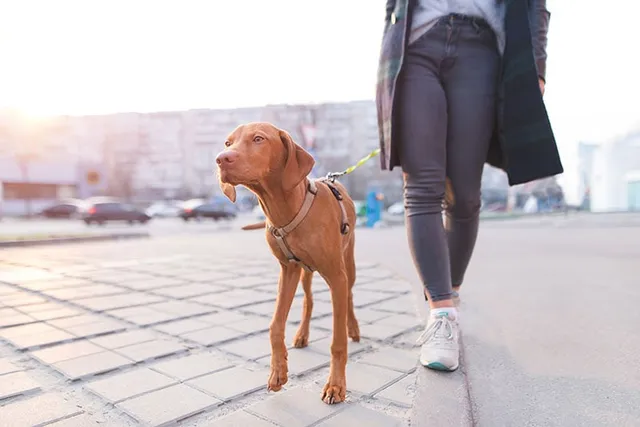
This breed is rarely satisfied by a walk around the block. Running, hiking, bikejoring, and canine sports are excellent options for burning Vizsla energy. Enrichment activities can involve snuffle mats, puzzle toys, training sessions, scatter feeding, and one-on-one quality time with you. Your Vizsla needs a variety of exercise and enrichment activities that they experience routinely to help manage any excess energy.
3. Stick to a Routine
A routine can be a wonderful tool for helping to manage separation anxiety in your Vizsla. Your dog can become comfortable knowing that they’ll receive meals and exercise at the same times every day and that you’ll leave but also return at the same times every day. Creating a routine will reduce the stress associated with your dog feeling like their day is unpredictable and chaotic.
4. Reduce Anxiety
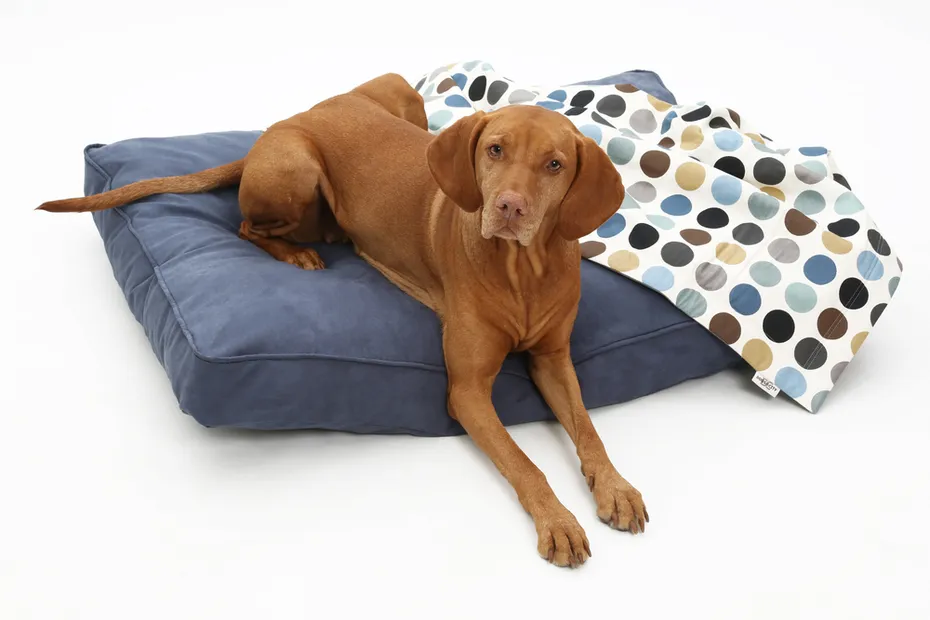
While a routine is one way to reduce anxiety levels in your anxious Vizsla, there are other options. For some dogs, prescription medications may be needed temporarily or permanently to help manage their anxiety levels. Ensure your dog always has a quiet, safe place in your home where they can spend time when they feel like they need it. This should be a space that is away from noisy children and other pets so your dog can decompress.
5. Don’t Punish Your Dog
When you walk in and see that there’s a dog-sized hole in your bedroom door, it’s likely that your immediate reaction will be to punish your dog. However, punishment for your dog’s behaviors related to their separation anxiety will only increase their confusion and stress, making them more likely to act out.
Separation anxiety is deeper than just your dog seeking attention. They may be filled with stress, fear, and an overwhelming sense of loneliness when experiencing separation anxiety. If you punish your dog for their anxious behaviors, then they will likely continue to do the behaviors since the underlying issue hasn’t been addressed. However, on top of this, you could associate your coming home with a bad consequence which may add stress and anxiety to your dog’s day.
6. Don’t Make a Big Deal Out of Leaving
It’s tempting to give our dogs a smooch on the head and make a big song and dance of it every time we leave the house. If you have an anxious Vizsla, you’re probably more likely to make a big deal out of leaving. You may even find yourself trying to reason with your dog that you’ll only be gone for a little while, you’ll come back, and that they’ll be safe. Unfortunately, dogs simply don’t understand this.
If your dog experiences anxiety when you leave, then making a show of you leaving can increase their anxiety because now they’re focused on you leaving. Simply collect your things, give your dog a high value treat that will take them a long while to get through, such as a Kong filled with frozen goodies, and quietly walk out the door. In some cases, the routine of your leaving can make things a little worse, so try to switch up the time you leave by a couple of minutes to see if this helps. This part of separation anxiety involves us training ourselves out of some of our current habits.
7. Practice Positive Reinforcement
Since punishment and negative reinforcement can make separation anxiety worse, it stands to reason that positive reinforcement could be a powerful tool in managing it. While it is difficult to provide positive reinforcement when you’re not with your dog, you can provide positive reinforcement of calm and desirable behaviors when you’re around them.
Get your dog used to seeing you handling your keys, even when you aren’t about to leave the house, then provide a high-value reward for them ignoring this or responding calmly. Try leaving your dog alone in a room or just step out of your house for a few seconds, then reward your dog when you come back if they respond calmly to you leaving.
Reward them when they choose to go somewhere in the home and spend time by themselves. Any behavior you see your dog doing that indicates they are not reacting inappropriately to being alone or seeing someone coming or going should be marked and rewarded.
8. Talk to a Vet or a Veterinary Behaviorist
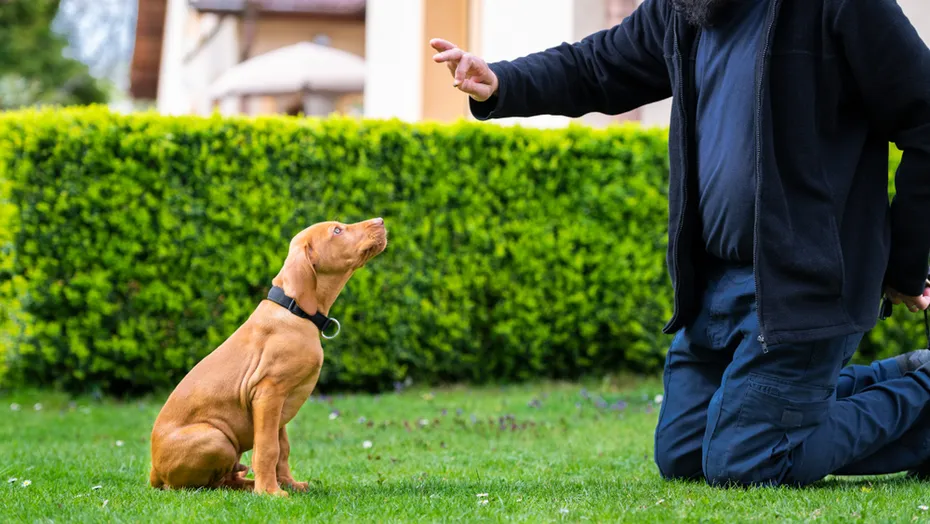
Sometimes, separation anxiety is something that you simply can’t manage alone, especially in an anxiety-prone breed like the Vizsla. Severe separation anxiety may require the assistance of a professional to get under control. If you’re struggling to manage your dog’s separation anxiety, don’t hesitate to reach out to a vet for management options. If you have a veterinary behaviorist near you, getting an appointment with them is also an excellent option.

In Conclusion
Separation anxiety occurs relatively frequently in Vizslas, especially when their physical, mental, and emotional needs are not being met daily. There are many things you can do in your daily life to get your dog more comfortable with spending time alone, but don’t avoid reaching out to a professional for help. This can be a very difficult issue to manage on your own!
See Also:
Sources
https://www.pdsa.org.uk/pet-help-and-advice/looking-after-your-pet/puppies-dogs/large-dogs/hungarian-Vizsla#:~:text=Vizslas%20form%20strong%20bonds%20with,negative%20behaviour%20due%20to%20stress.
https://www.akc.org/expert-advice/training/dog-separation-anxiety/
https://parkwoodanimalhospital.com/client-resources/breed-info/Vizsla/?accessible=0
https://vcahospitals.com/know-your-pet/separation-anxiety-in-dogs
Featured Image Credit: mveldhuizen, Shutterstock
Expert dog care, straight to your inbox
News, insights, expert advice, and everything dog.

No spam — unsubscribe anytime.
By signing up, you agree to our Terms & Conditions and Privacy & Cookies Policy.
How useful was this post?
Click a star to rate. You can leave written feedback afterwards. (We read all feedback.)
Brooke Billingsley spent 9 years as a veterinary assistant before becoming a nurse in 2013. She lives in Arkansas with her boyfriend, and loves all animals; currently sharing a home with three dogs, two cats, five fish, and two snails. She has a soft spot for special needs animals and has a three-legged senior dog and an internet famous cat with acromegaly and cerebellar hypoplasia. Fish keeping has become a hobby of Brooke’s and she is continually learning how to give her aquarium pets the best life possible. Brooke enjoys gardening and keeps a vegetable garden during the summer months. She stays active with yoga and obtained her 200-hour yoga teacher certification in 2020. She hosts a podcast focusing on folklore and myth and loves spending her free time researching and writing. Brooke believes that every day is an opportunity for learning and growth and she spends time daily working toward new skills and knowledge.