Are Pit Bulls Allowed in Dog Parks? Breed-Specific Legislation Explained (Vet-Approved)


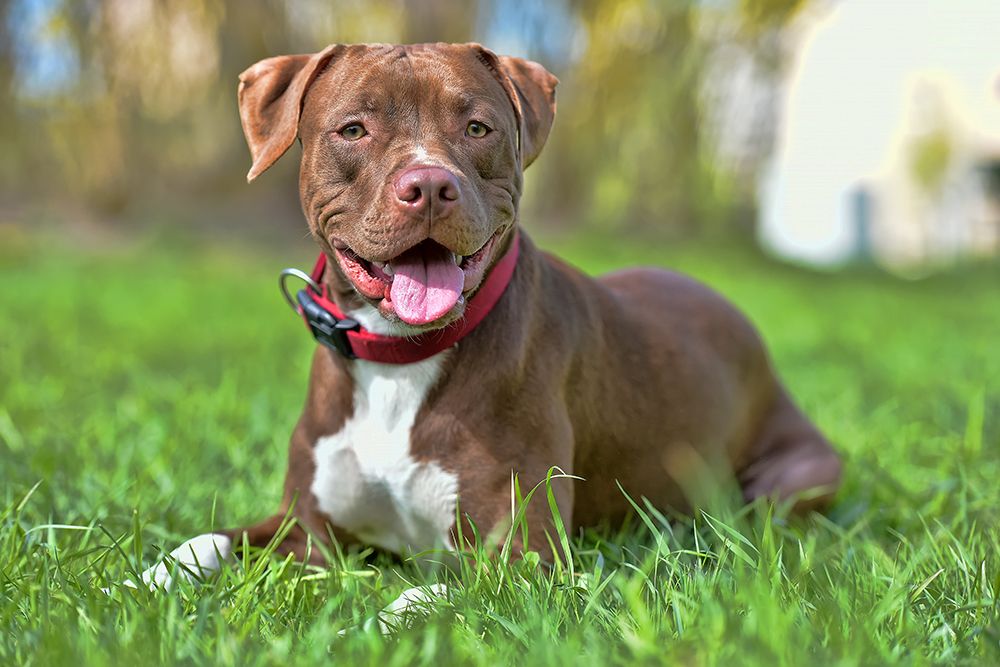
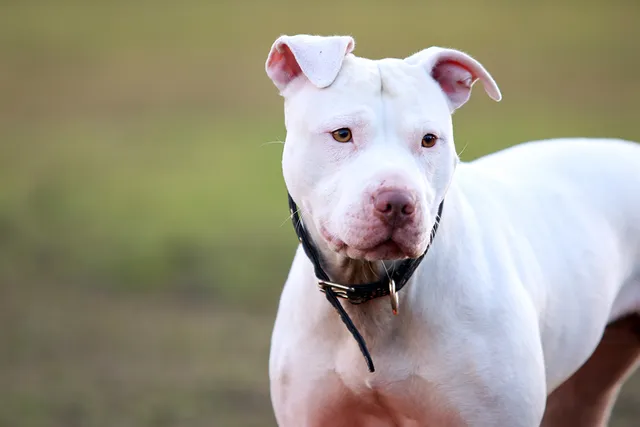
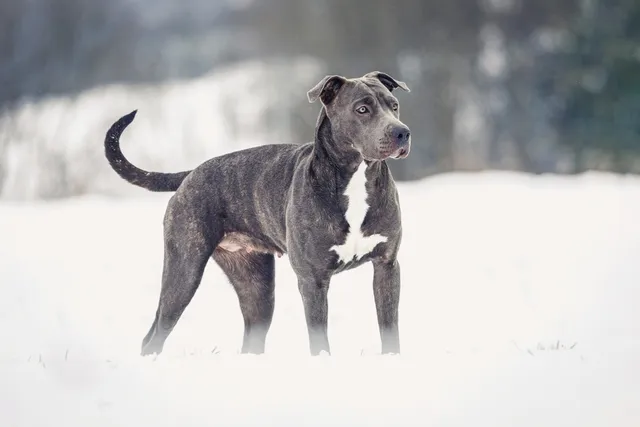
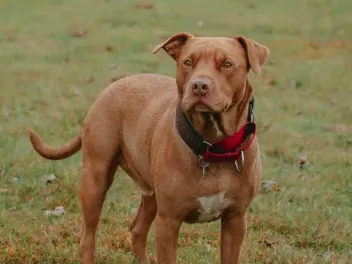
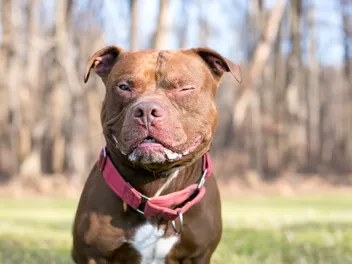
Unfortunately, even saying the name Pit Bull is enough for some people to raise fears about public safety, let alone that of our pets. The legality of Pit Bulls in dog parks often tows a fine line between these concerns and the reality of the situation. The term “Pit Bull” usually refers to the American Pit Bull Terrier, but can include other breeds.
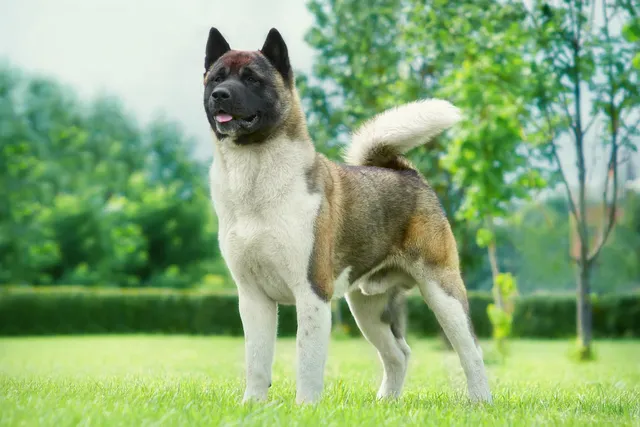
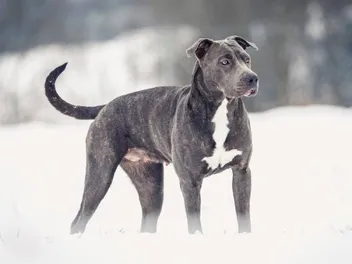
However, even experienced animal handlers sometimes struggle to distinguish between Pit Bulls and other similar breeds and may class a dog as a Pit Bull when, in fact, they are not.
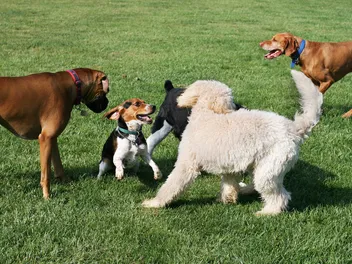
The answer to whether you can bring your Pit Bull to off-leash dog parks is that it depends. Simply put, whether a Pit Bull is allowed at a dog park depends on your area and the park’s rules. If your Pit Bull has not been specifically declared dangerous due to their behavior, whether they are allowed in a dog park or not hinges on local and state breed-specific legislation.

Dog Park Rules About Pit Bulls
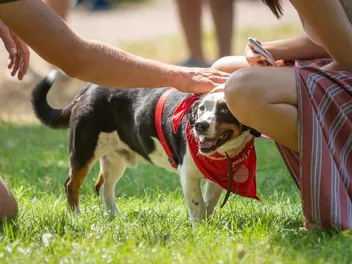
Dog park rules are created with the safety of all dogs in mind. For example, the basic ones concern vaccinations, and you’d be hard-pressed to find any shared canine space that doesn’t include this as part of their rules.
Remember that the administration of dog parks is all about covering the bases with liability. The regulations often cite dogs’ reproductive status and the ability of the handler to manage the dogs in their care. When it comes to allowing Pit Bulls, some places view them as dangerous dogs regardless of their individual behavior.
Whether or not they’re allowed to go there depends on local regulations and the individual rules of the dog park. For example in Minneapolis “Dogs declared as dangerous animals under city code or potentially dangerous under state statutes may not use OLDPs”,1 but a dog is declared dangerous in Minnesota on their actions and not breed.2 You might be able to find a Pit Bull dog park depending on the breed-specific legislation in your area.
Areas with breed-specific legislation sometimes put limitations on owners with Pit Bulls. You can check breed-specific legislation here however BSL census provides a disclaimer for their services; since laws are subject to change you need to verify any information with the local authorities.

Breed-Specific Legislation
Breed-specific legislation aims to protect the public from animals deemed dangerous, for example, from those that are more likely to injure people severely. The concern is valid, given the disproportionate number of children attacked. Kids under the age of 6 are less likely to recognize warning signs leading up to a conflict, making them more vulnerable.
Legislation against Pit Bulls is based on factual data identifying Pit Bulls in 65.6% of dog-related fatalities between 2005 and 2017.3 Even in areas with no such laws, the sight of a Pit Bull may trigger complaints. Unfortunately, Pit Bull owners sometimes experience a bias against their dogs. However, putting a target on these animals doesn’t tell the whole story.
The Problems with Breed-Specific Legislation
Any dog can bite. Remember that dogs share a common ancestor with wolves, even though they diverged from these canines roughly 27,000 years ago. Aggression is a normal instinct for your pup, however, this trait has been hugely dampened by the process of domestication meaning most dogs are exceedingly tolerant of humans.
Some dogs have a lower threshold for aggression, while others may bite because they are scared, in pain, or uncomfortable. Even canines you wouldn’t associate with this behavior have bitten humans.
Underreporting may explain the prevalence of certain breeds in dog-attack data. Small dogs can bite just as readily as large ones, but they may also inflict less damage. This can lead to the event not being recorded because the victim did not attend a hospital or report the incident. That makes rules banning Pit Bulls at dog parks seem unfair. After all, the goal is to prevent all biting incidents. However, municipal parks also have the liability question to consider and if a dog is more likely to inflict severe damage they have a basis for breed-specific legislation.
Another area of bias may come from people incorrectly labeling an aggressive dog as a Pit Bull. Even people in the field have trouble identifying them correctly. It’s one reason the CDC no longer tallies the breed in injury reports. If the data isn’t accurate, administrators can’t make informed decisions. That includes excluding Pit Bulls from dog parks.
Laws typically paint these considerations with a broad brush. Many responsible Pit Bull owners with well-mannered dogs exist, yet breed-specific legislation erroneously punishes them by putting them in the same group as people with dangerous dogs. It’s not fair to these dogs or their owners, but this is seen as a sacrifice for overall public safety.

Irresponsible Pet Ownership
Many organizations, like the American Veterinary Medical Association (AVMA), oppose breed-specific legislation that can influence whether Pit Bulls are allowed in dog parks. The problem is that it doesn’t address the cause: irresponsible pet ownership. That’s probably your primary concern when you go to these places. You’re expecting everyone to be in control of their pets, as the rules state.
Many things can create the perfect storm for aggressive encounters. Improper socialization sets any dog up for conflict. It can cause fear and ramp up the risk of biting injuries. Pit Bulls have an unfortunate history of fighting that can put them in homes where this behavior is encouraged despite the actions of enthusiasts who tried to shed these associations with selective breeding. Sadly, it still occurs today, as the infamous and horrific dogfighting case of former Atlanta Falcons football player Michael Vick reminded us.
A city that decides to ban Pit Bulls in dog parks is merely looking out for the users’ safety. Many breeds that fall under this umbrella term are powerful animals that must have experienced and responsible owners to train and manage them.

Final Thoughts
Bans targeting Pit Bulls are an obstacle owners of these dogs may encounter. We strongly urge you to start by checking breed-specific legislation in your area. Also, check with the administration of any dog parks you want to visit before bringing your dog there. Make sure your pet is updated on their vaccinations, particularly rabies, and fulfills all the necessary criteria. Pit Bulls have many obstacles to scale, as many fans of this breed understand. They are aware of the nuances of public perception. The problem of dog aggression goes deeper than breed and factors like socialization, care, and training will come into play. All in all, responsible pet ownership should be the ultimate goal of anyone who invites any dog into their lives.
Sources
https://www.avma.org/resources-tools/pet-owners/dog-bite-prevention
https://www.avma.org/sites/default/files/resources/dog_bite_risk_and_prevention_bgnd.pdf
https://content.naic.org/cipr-topics/breed-specific-legislation
https://www.sciencedirect.com/science/article/pii/S109002331500310X
https://www.cell.com/current-biology/fulltext/S0960-9822(15)00432-7
https://www.avma.org/javma-news/2017-11-15/dangerous-dog-debate
Featured Image Credit: Anna Krivitskaya, Shutterstock
Expert dog care, straight to your inbox
News, insights, expert advice, and everything dog.

No spam — unsubscribe anytime.
By signing up, you agree to our Terms & Conditions and Privacy & Cookies Policy.
How useful was this post?
Click a star to rate. You can leave written feedback afterwards. (We read all feedback.)
Since 2009, Chris has written on a variety of topics. Her motto with all of her writing is “science-based writing nurtured by education and critical thinking.” She specializes in scientific topics, with a special love for health and environmental topics, and of course, pets of all shapes and sizes.
Chris lives happily with her husband and three cats in the land of 10,000 lakes, writing, wining, and boating as much as she can. She and her husband, Norm, were awarded the State of Kentucky Colonel Honor for their restoration work at Mammoth Cave National Park.