How to Keep Your New Puppy Healthy: 10 Vet-Approved Tips


In this article
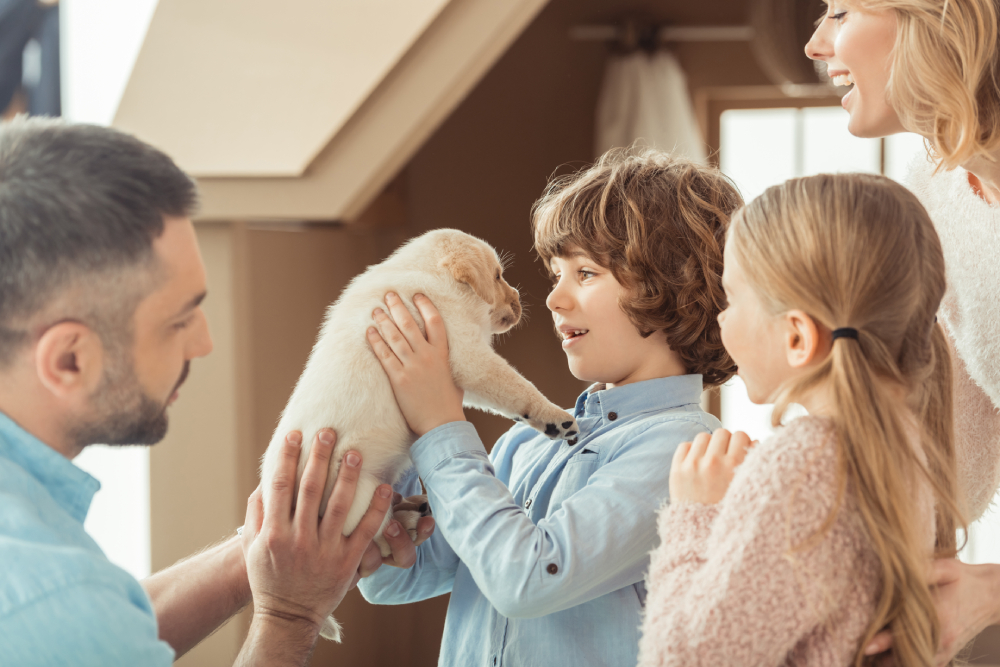
Bringing home a new puppy is an exciting and fun time for your family but can also be stressful. Puppies can be a handful to deal with, and there are a lot of things that should be considered before and after bringing a puppy home. Keeping your puppy safe and healthy is your responsibility as their new owner, so it’s important to be prepared for a new puppy in your home. What exactly are the best ways to do this? Keep reading while we give you some of the top tips to follow.

The 10 Tips for Keeping Your Puppy Healthy
1. Have a Wellness Exam Performed

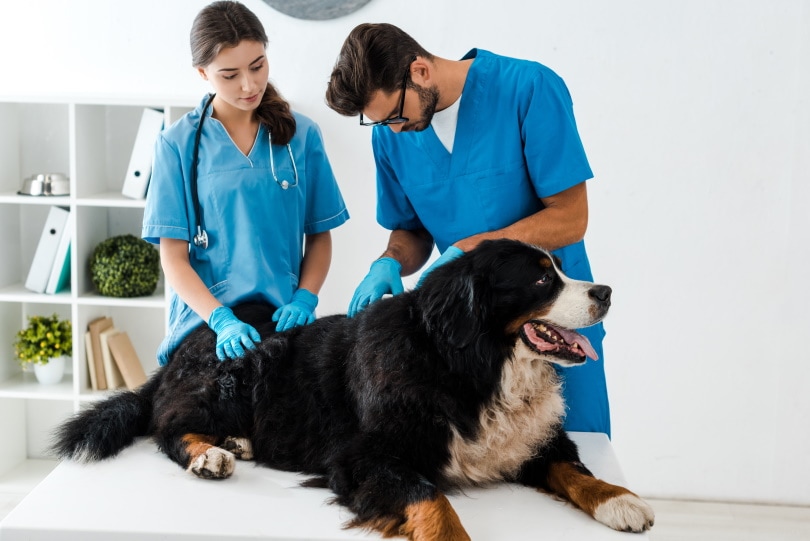
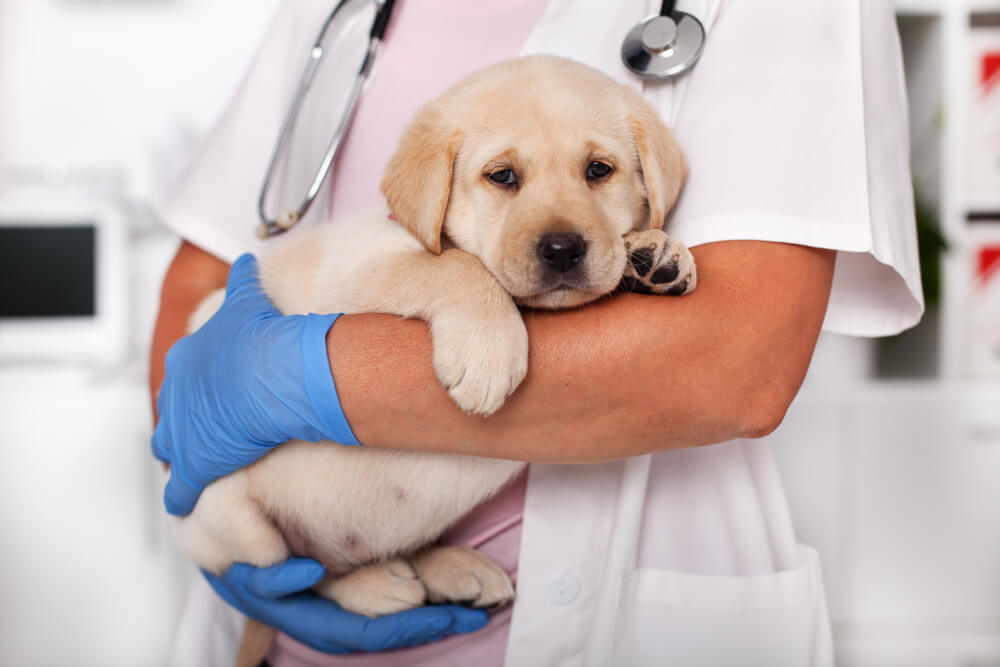
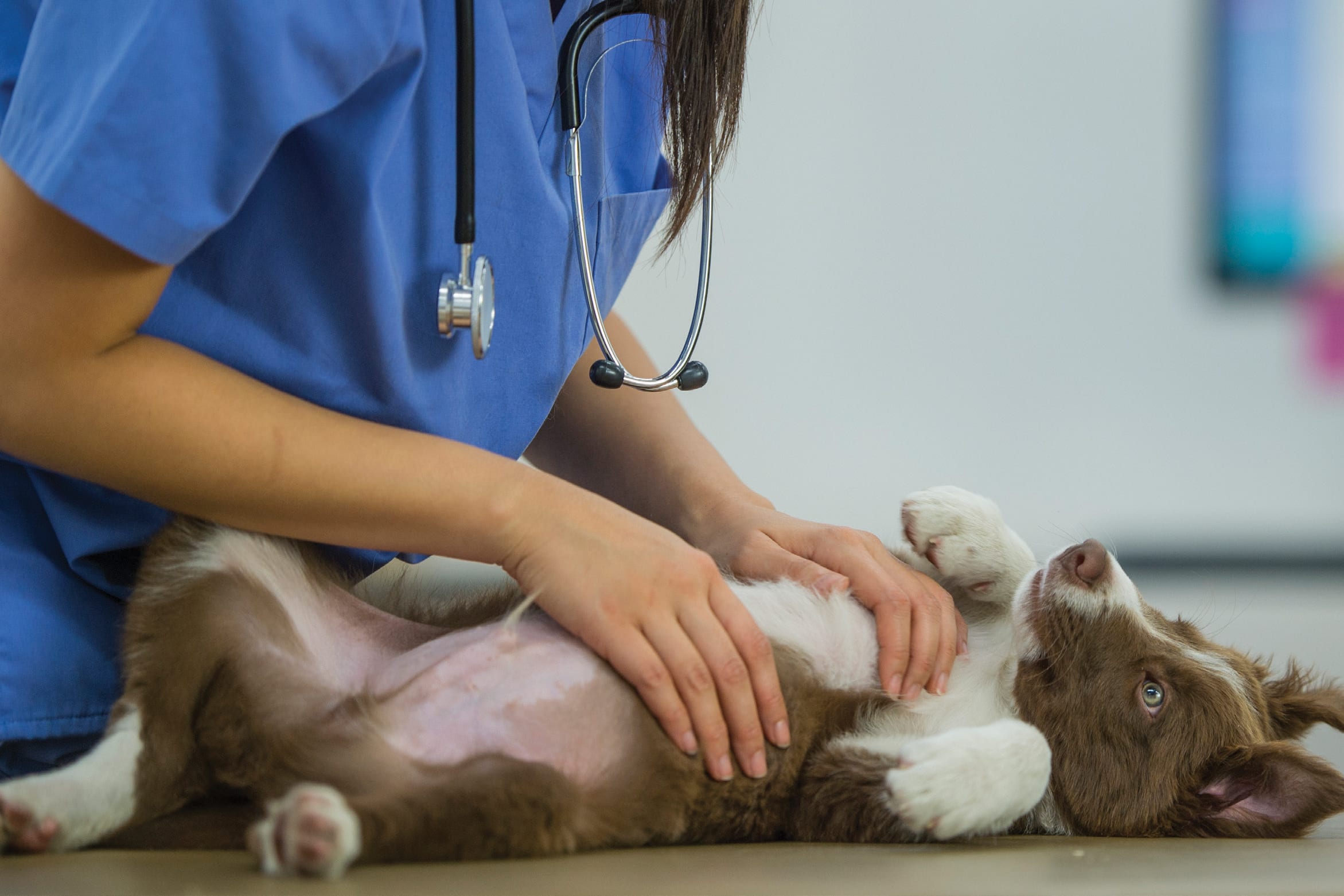
When you pick up your new puppy, it’s ideal to contact a veterinarian and set up a new puppy appointment. Even if your puppy has a certificate of health from their breeder, it’s important to get your puppy established with a vet as soon as possible. Having your pup seen by a vet will provide you with peace of mind and help ensure they’re healthy. Some breeders and rescue organizations even require a new puppy visit as part of their adoption contract.
2. Keep Their Vaccines Updated
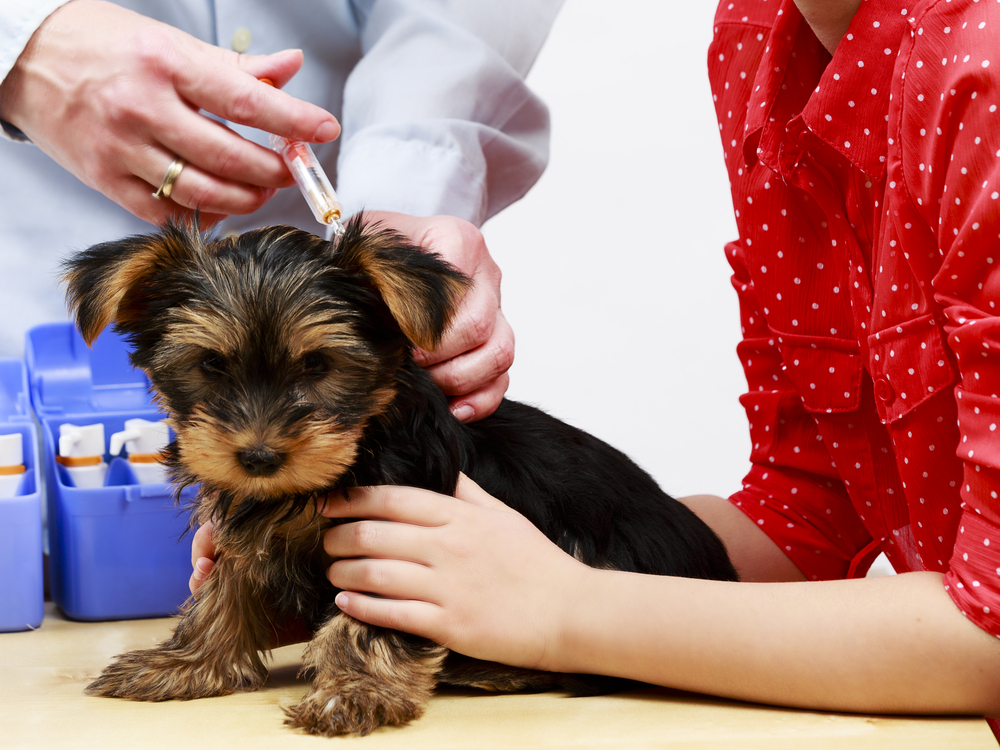
Adult dogs typically only need vaccinations annually or twice per year, but there is a whole set of vaccines that puppies should receive to keep them healthy and build their immune system. Some breeders and rescue organizations may opt to vaccinate their pups on their own, but ideally, you should talk to a vet about the puppy vaccination schedule that they recommend. Make sure to stick to their schedule as closely as possible to avoid having to restart vaccinations or allowing your puppy to get sick with a preventable illness.
3. Feed a High-Quality Puppy Food
There are so many dog foods on the market that it can be overwhelming to choose one, but a vet can help you narrow it down to a few of the best foods based on your pet’s age, breed, and size. Puppies should receive food specifically designed for puppies until they are at least 6 months to a year old. If your puppy is a large or giant breed dog, make sure to talk to a vet about whether a large-breed puppy food is appropriate for them or not.
4. Crate Train Them

Puppies have an uncanny ability to get into just about anything, including things you would’ve never thought they might. Training your puppy to use a crate will not only ensure they stay safe when unattended, but it also teaches your pup that they have a safe, personal space where they can spend time. A crate should be a positive thing for your dog, so make sure not to use the crate as a punishment. Especially while your dog is still a puppy, it’s safest to keep them in a crate anytime they are unattended to keep them out of trouble.
5. Teach Them to Walk on a Leash
Walking on a leash is the safest thing for your puppy when they’re outside of a fenced area. There are multiple situations in which your puppy will need to be able and willing to walk properly on a leash, so starting leash training right off the bat will help ensure that your puppy stays safe.
6. Train Obedience Commands
The typical obedience commands, such as “sit” or “stay,” are important for your puppy to learn. However, there are two other commands that are often overlooked in puppies but can be used to save their life: “leave it” and “drop it.”
“Leave it” can be used when your puppy is taking an interest in something that they shouldn’t, while “drop it” can be used once your puppy has already picked up an inappropriate object. These commands can help to keep your belongings intact, as well as keep your puppy safe from things like electrical cords, toxins, and objects that may cause an intestinal obstruction.
7. Create a Routine

Most dogs thrive with a routine, so creating one can be a great way to help your puppy stay healthy and keep their stress levels low. When you first bring your puppy home, things will be a little chaotic for the first few days while the household and puppy all adjust to each other.
Routine can be established by feeding, walking, and pottying your puppy at the same times every day. Even if you work from home, it’s also a good idea to get into the habit of leaving your puppy alone for periods of time every day. This will help reduce the risk of separation anxiety from being around you too frequently.
8. Get Them on Antiparasitic Medications
There are multiple parasites that can impact dogs, including fleas, heartworms, and intestinal parasites. Prescription medications from a vet can help to prevent and treat these parasites. Talk to a vet at your pup’s first puppy visit about getting them started on these medications as well as how frequently you will need to give them. Puppies will require larger doses as they grow, so buying in bulk may not be the best choice until they’ve reached their adult size.
9. Socialize Them
Socialization is key to helping your puppy develop into a healthy, happy dog. Many people believe that socialization just consists of taking their puppy places, like dog parks and restaurant patios. However, socialization is much more than this.
To properly socialize your puppy, they should learn to be comfortable in different types of environments, but it’s also important that they learn to focus on you for commands in these situations. Improper socialization can lead to an anxious adult dog.
10. Provide a Safe Environment

There are lots of things that your puppy can get into to hurt themselves in the average home and yard. Make sure to fully puppy-proof your house and yard to keep your pup safe. Cover electrical cords, keep small objects picked up and put away, and keep human food out of reach.
You will also need to ensure that proper introductions are done between the other animals and children in the house and your new puppy. Without proper introductions, you may unintentionally be setting your puppy up for a situation that may be dangerous.

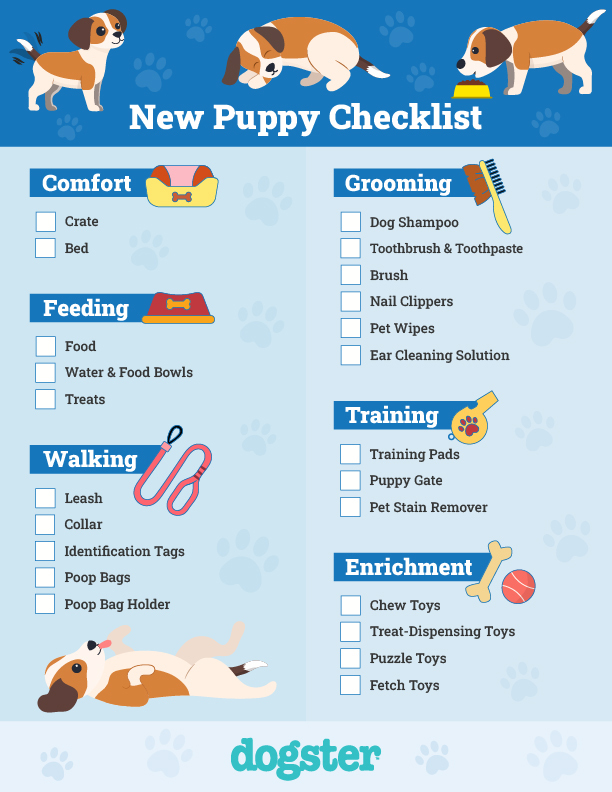
New Puppy Checklist
Conclusion
It can be a chore to take all the steps necessary to keep your puppy healthy, but it’s absolutely worth it! Puppies are such a joy to be around, but they can be little scoundrels, so be prepared to put a lot of time and effort into your puppy. With proper training, care, and socialization, your puppy will be an excellent companion to you for years to come!
Featured Image Credit: Helen Sushitskaya, Shutterstock
Expert dog care, straight to your inbox
Vet-reviewed advice, training tips, and the best of Dogster. Free, and you can unsubscribe anytime.
By signing up, you agree to our Terms & Conditions and Privacy & Cookies Policy.
Brooke Billingsley spent 9 years as a veterinary assistant before becoming a nurse in 2013. She lives in Arkansas with her boyfriend, and loves all animals; currently sharing a home with three dogs, two cats, five fish, and two snails. She has a soft spot for special needs animals and has a three-legged senior dog and an internet famous cat with acromegaly and cerebellar hypoplasia. Fish keeping has become a hobby of Brooke’s and she is continually learning how to give her aquarium pets the best life possible. Brooke enjoys gardening and keeps a vegetable garden during the summer months. She stays active with yoga and obtained her 200-hour yoga teacher certification in 2020. She hosts a podcast focusing on folklore and myth and loves spending her free time researching and writing. Brooke believes that every day is an opportunity for learning and growth and she spends time daily working toward new skills and knowledge.
Join the conversation
Ask a question, share your story, or send private feedback.