Get

In Your Inbox

Dogster is reader-supported. When you buy via links on our site, we may earn an affiliate commission at no cost to you. Learn more.

Do Dogs Pee More in Cold Weather? Vet-Verified Facts & Useful Tips


Share

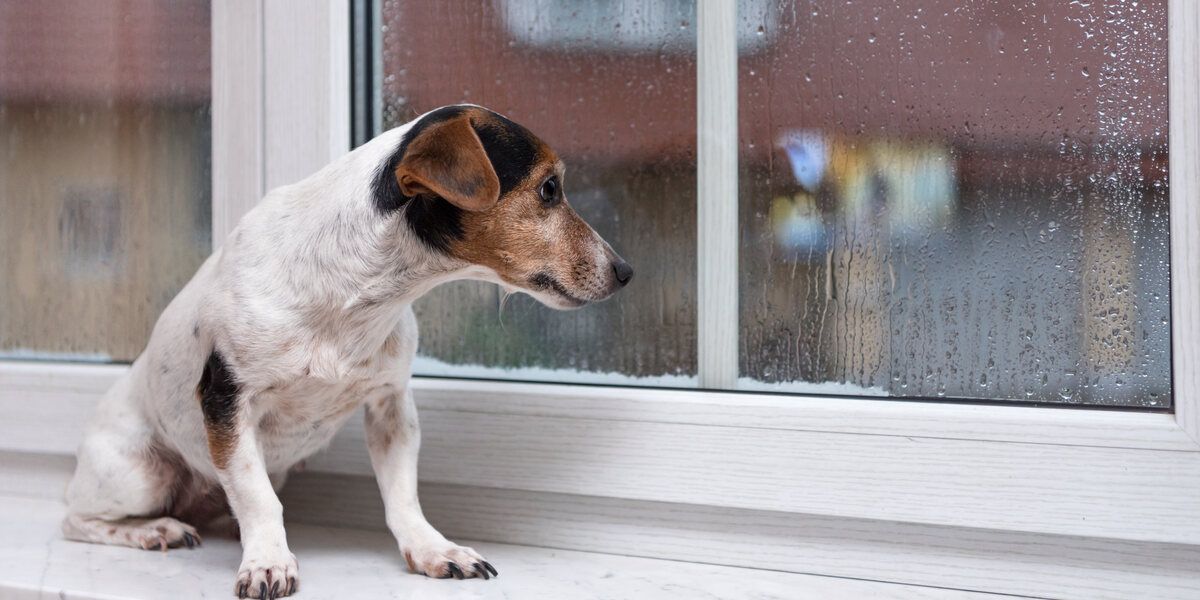
small Jack Russell Terrier dog in window

A dog’s needs change as the seasons do, and wintertime comes with its unique set of challenges. Many dogs choose to hold in their pee and poop when they deem it too cold to go outside, but this can lead to accidents indoors. Another thing dog owners sometimes notice is that their pets appear to need to pee more often during cold weather. Is this a real phenomenon, or are they imagining it?

As it turns out, yes, some dogs do need to pee more in cold weather (and, spoiler alert, so do some humans!). Read on to learn more.

divider single dog paw oct 2024

Why Do Dogs Pee More in Cold Weather?

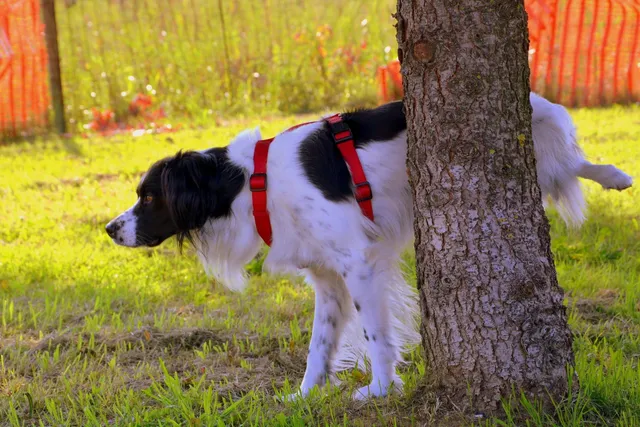
Brown poodle dog peeing over some tall grass in a dog park
Image Credit: Ching Louis Liu, Shutterstock

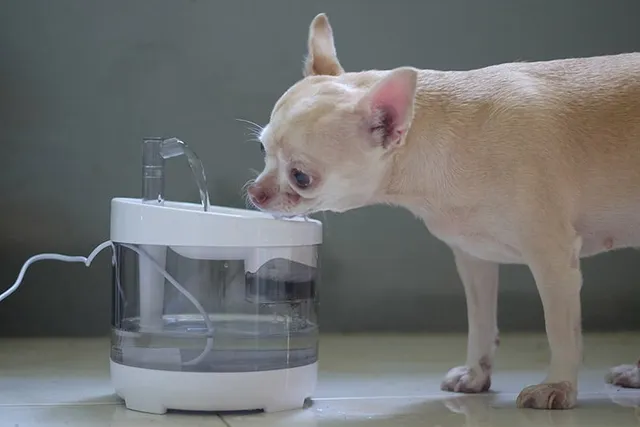
Proper hydration is important year-round, but it’s especially important to ensure your pups are hydrated during the cold winter months. You may find that your dog drinks more during the cooler months when the humidity is lower because a well-heated home or apartment can be very dry and dehydrating. As we all know, the more a dog drinks, the more they typically pee.

It’s also believed that a dog’s body may go through cold diuresis when in colder weather. This is a phenomenon that has been extrapolated from human medicine where when the body is exposed to cold temperatures, it naturally constricts blood flow to the skin to keep the core warm and direct blood flow to the vital organs. Blood pressure then increases due to the same amount of blood being pumped through a smaller space, and so the kidneys work overtime to filter out the excess fluid to keep blood pressure from getting too high. The excess fluid is then released through the bladder.

What Other Bathroom Habit Changes Occur in Cold Weather?

Many dogs change their bathroom habits when the weather is cold, snowy, rainy, or otherwise unbearable. Other changes you may notice in your dog during the winter include:

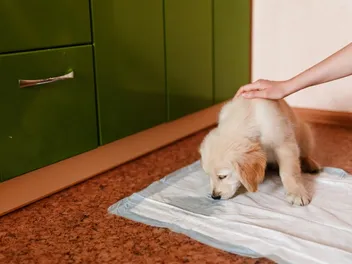
  • Indoor accidents: Some dogs prefer eliminating inside their home when the weather outside is frightful. However, many underlying health conditions can cause inappropriate elimination as well, so don’t be so quick to discount your pup’s indoor peeing or pooping as weather-related, especially if they’re exhibiting other signs or behavioral changes.
  • Shortened bathroom breaks: Dogs may pick up the pace when doing their business outside during the colder months of the year to reduce their exposure to the elements. We certainly can’t blame them for that one!

How Can I Make My Dogs More Comfortable to “Go” Outside?

Outside is the best place for your dog to eliminate, but it can be difficult to convince your pup to do so when they have to contend with piles of snow and frigid temperatures. Thankfully, there are some things you can do to make the season more comfortable for your pup and easier on yourself, too.

harrier puppy in the snow during winter
Image By: Joachim Bago, Shutterstock

Clear a space for them

When dogs are first trained to poop and pee outside, they may create associations with the environment, such as the feel of the grass under their feet. These surfaces will feel different to your dog when wet or snow-covered, so help your pup remake those associations by making the ground feel as close as possible to what they’ve become accustomed to feeling. Clear a patch of snow from an area in your yard so your dog can see and feel the grass. Though the grass may look different (flattened and brown), it can help them feel more comfortable eliminating when they see something that looks familiar to them.

Get them winter gear

Winter can last an awfully long time, and without the proper attire, your pup could be miserable. Buy your pet a sweater or jacket and booties if they tolerate clothing. You may want to introduce attire before the snow starts flying, though, just to give them some time to get used to it.

Praise and rewards. Help your dog make positive associations with going outside during the frigid months by offering them tons of praise and tasty rewards whenever they pee or poop outside. It’s essential to treat and praise them while they’re still outside so they can make the connection that eliminating outdoors means getting a treat.

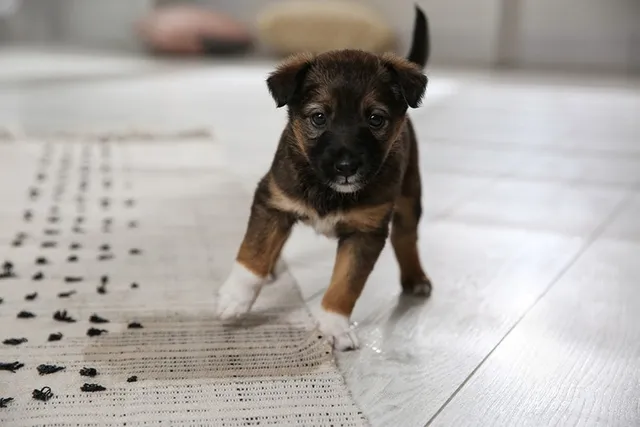
Chocolate Labrador Retriever puppy pees on carpet
Image Credit: New Africa, Shutterstock

divider single dog paw oct 2024

Final Thoughts

Some dogs (and humans) may pee more during the winter due to the increased water consumption brought on by the dry air inside their heated homes. Peeing more during cold weather can also be a result of cold diuresis.  The colder weather can make dogs change their bathroom habits in other ways, too. You can help your pet maintain proper elimination habits throughout the winter by ensuring their bathroom breaks are quick, comfortable, and warm with our tips above.


Featured Image Credit: thka, Shutterstock

Want content like this delivered to you?

Sign Up For Our Newsletter

News, insights, expert advice, and everything dog

* By submitting, you agree to our Terms & Conditions and Privacy & Cookies Policy.


How useful was this post?

Click on a star to rate (you can leave written feedback after clicking submit)

Help us improve Dogster for pet parents!

Your feedback really matters.

What did you like about this post? Also how can we improve it?

Join the conversation

Leave a Reply

You’re very welcome to leave a comment or question. Please know that all comments must meet our community guidelines, and your email address will NOT be published. Let’s have a positive and constructive conversation.


Talk With A Vet Online

Peace of mind,
anywhere, anytime

Affordable vet advice

The Spice Cabinet Dangers Most Dog Owners Don’t Think About

Most people know chocolate is off-limits for dogs. Fewer realize that some of the most common herbs and spices sitting in a kitchen...

A Major Breakthrough in Canine Anxiety Care: FDA Approves First Dual-Purpose Medication

Why This FDA Approval Is Such Important News For years, veterinarians and pet parents have struggled with a frustrating reality in canine behavioral...

Ask Dr. Paola- Help! Can Shock Collars Cause Seizures? (June 1, 2026)

Welcome to our “Ask Dr. Paola” series, where every Monday we bring expert advice straight from Dr. Paola Cuevas (MVZ) to help our...

Behind Most “Bad” Dog Behavior Is a Pretty Simple Problem (and Solution)

Dogs are supposed to be easygoing companions, and many seem to live up to it: sleeping on the couch for hours, watching the...

More related

Do Dogs Like It When You Talk to Them? Vet-Reviewed Facts & Communication Tips

If you find yourself talking to your pup, you’re far from alone. Whether you’re in a room full of people or all by...

Do Cavalier King Charles Spaniels Like Water? Vet-Reviewed Facts & Swimming Tips

Some breeds are good at running, and others are good at swimming. Which kind of breed is the Cavalier King Charles Spaniel, and...

Springer Spaniel vs Cocker Spaniel: Key Differences (With Pictures)

Are you looking for an affectionate, intelligent, energetic, and gorgeous dog? If so, the Springer Spaniel and the Cocker Spaniel fit the bill...

How Far Underground Can a Dog Smell? Vet-Verified Facts & FAQ

A canine’s nose is more impressive than many people realize. Dogs use their noses to navigate and determine so many things about their...

Keep reading

Can Dogs Eat Rye Bread? Vet-Verified Nutrition Facts & FAQ

Sharing food comes naturally to us. It doesn’t matter if it’s our family or a friend; it’s a bonding experience. Therefore, it’s not a stretch if the things we want to give our dog extends to many tasty morsels we...

Can Dogs Eat Rye Bread

Retriever Dog Food Review 2026: Pros, Cons and Recalls

Review Summary Introduction There are many smaller dog food brands that get overlooked and are rarely discussed, and Retriever dog food is one of those. Their recipes are produced in the United States and have been around for a good...

Dogster_Retriever Dog Food Review

10 Dog Food Trends in 2026: Pet Food Industry Facts & Statistics

Note: This article’s statistics come from third-party sources and do not represent the opinions of this website. With today’s consumers enjoying better education and more resources to improve their dogs’ quality of life, manufacturers are ramping up their efforts to...

golden retriever dog eating healthy dry food from bowl at home

Can Dogs Eat Rice Pudding? Vet-Approved Facts & FAQ

Anyone who owns a dog knows how it feels to be enjoying a yummy snack only to look over and see big, begging eyes watching each bite you take. With the close relationship we share with our dogs, it’s only...

Can Dogs Eat_rice pudding

Can Dogs Eat Tomato Sauce? Vet-Verified Risks & Safety Tips

Dogs like to snack on their owners’ leftovers and will even beg for table scraps, which causes many people to worry if tomato sauce is dangerous for canines. While plain tomato sauce is safe for dogs, commercial brands of tomato...

Can Dogs Eat Tomato Sauce

9 Best Dog Foods for High Triglycerides in 2026 – Reviews & Top Picks

“High triglycerides” isn’t a term that many people are familiar with. But your vet may have told you that your dog has high triglycerides and that you need to do something about it. Simply put, having high triglycerides means your...

dog eating

Can Dogs Have Balsamic Vinegar? Vet-Reviewed Facts You Should Know!

Balsamic vinegar is a delicious condiment that can be used in many types of cuisine in many ways. Whether it’s in dips and sauces or added to a marinade, it’s a tasty addition that adds a sweet “zing” to the...

Can Dogs Eat_balsamic vinegar

Can Dogs Eat Artichokes? Vet-Verified Nutrition Facts & FAQ

Artichokes are large thistle-like perennials grown for their edible flower buds. Their leaves, stems, and roots are often used to make extracts for medicines, but the plant can also be used in recipes like dips and side dishes. The plant...

Can Dogs Eat Artichokes

Love Dogs? So Do We! Join the Dogster Community

Stay informed with expert pet care insights delivered straight to your inbox! Discover professional guidance on animal behavior, feeding tips, trusted product picks, and much more.


Sign up for the Dogster Email Newsletter