In this article
View 2 More +Allowing your dog to be off leash can be a great way for them to get exercise, play games and practice obedience. However, before your dog is allowed off leash, they will need some training. This type of training can be challenging, especially if you are a first-time dog owner. If you need help, read on for a step-by-step guide to training your dog to be off leash. We’ll provide plenty of tips and answer all your questions!

Before You Begin
Before you begin training your dog to be off leash, you should teach them basic commands, such as “sit” and “come,” to build a strong obedience foundation and ensure that you have a certain amount of control over your pet while working on this more advanced technique. Purchase a second, longer leash of 15–30 feet to accompany your standard leash to help with training, and find a fenced-in area with no distractions.

How to Train Your Dog to Be Off Leash
1. Start With On-Leash Training
Start with on-leash training in your chosen safe environment using your standard walking leash. Practice walking, recall, and other commands with your pet to ensure that they know the commands before you start using a longer leash or allowing them to run free.

2. Progress to a Long Leash
Once your pet consistently behaves on a standard leash, you can switch to the longer version and start giving them extra space. Provide plenty of positive reinforcement in the form of treats, pets, and praise when they continue to follow your commands, and gradually increase the length of the leash as long as they are doing well.
3. Drop the Leash
When your dog is following your commands consistently, even with the leash at full length, the next step can be to drop the leash and let it drag on the ground. Doing so can allow your dog to run free without getting too excited and breaking training. It also makes it easier to regain control if your dog starts to misbehave.

4. Try Going Fully Off Leash
When you feel that you can trust your dog based on how they behave with the long leash, you can start to let them roam free without the leash, albeit still inside the secure area. Continue practicing recall and commands to ensure that your pet behaves, even after several sessions, as some dogs might want to test boundaries. If they fail to listen, go back to using a long leash, and repeat.
5. Gradual Expose Your Dog to Other Environments
Once they are used to roaming freely in a controlled area and following instructions without fail, you can gradually start to introduce free roaming in other environments. Choose increasingly difficult areas with more distractions, and watch your pet carefully to see how they react, but always check that the area is secure and pet friendly first.
6. Do Consistent Reinforcement
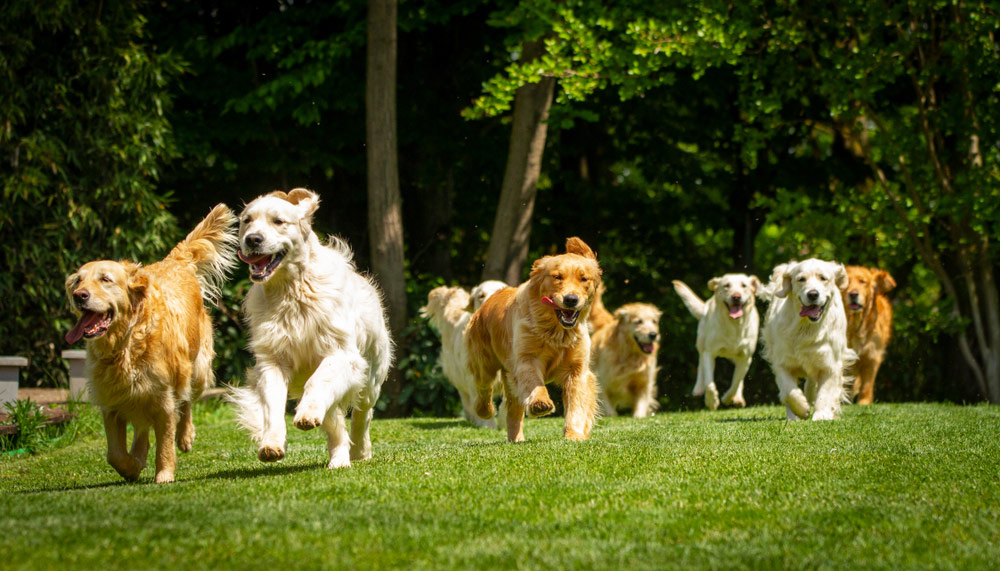
Even when your dog is behaving off-leash, regularly practice and reinforce commands, especially recall, in various settings to ensure that your pet returns to you when you need them to, no matter the situation.
7. Learn About Your Dog
Spending time with your pet with off-leash training sessions will help you be more in tune with their personality and behavior. Learn your dog’s limits and triggers so you can predetermine the safety of an area and reduce the risk of any problems.Remember that not every area may be safe for your dog to be off leash so be sure to use your dog’s new found freedom wisely.

Tips and Tricks for Off-Leash Training
- Before you allow your dog to roam free, ensure that they know the recall command and come to you on the first try each time, no matter the distraction.
- Always have plenty of your dog’s favorite treats on hand to reward them when they do something right and remain interested in your training sessions.
- Only allow your dog off leash in safe, designated areas away from traffic, dangerous wildlife, and other hazards.
- If your dog is easily distracted or has a strong prey drive, extra caution, patience, and training will be necessary. Never get upset with your pet if they are not catching on, as they will be less likely to want to continue training.
- Be aware of and adhere to local leash laws. Even if your dog always follows your commands, certain areas may require you to leash them for safety reasons.
- Recall and leash your dog when encountering other people, especially children, other pets, or wildlife, as an unleashed dog can be frightening and these could be distracting for your dog.
- Always have a leash with you while walking so you can regain control of your pet if you need to.
- Ensure that your dog wears a collar with ID tags and has a microchip to increase the chance of getting them back if they run off.
- Be patient and don’t rush the process. Every dog learns at their own pace.

Frequently Asked Questions
Is It Safe to Walk My Dog Off Leash?
Safety will depend on your dog’s personality and training. Ensure that you spend a significant amount of time training your dog to run off leash and that they follow your commands in high-pressure environments before you allow them to be around people or other animals.
Are There Specific Areas Where My Dog Can Be Off Leash?
Many communities have designated off-leash dog parks or areas where you can take your pet and allow them to run free. Research local regulations, ask around, and look online for pet-friendly areas with a section for off-leash running.

What Are the Benefits of Walking My Dog Off Leash?
Off-leash walking can enhance your dog’s physical and mental well-being, as they get more freedom to explore, sniff, and play. It can also help them get more exercise, especially high-energy dogs that may be hard to keep up with.

Summary
Training your dog to walk off leash requires teaching them the proper commands, especially the recall command, and practicing it frequently with an increasingly longer leash. Patience and plenty of positive reinforcement are essential for success, and some dogs will take longer than others to start following your commands each time.
Certain dogs, especially those with a strong prey drive, can be particularly difficult, and you may never be able to let them safely be off leash unless there are no other people or animals around. If you’re struggling with this training, talk to your vet or an animal behaviorist for advice specific to your dog.
Featured Image Credit: Hrecheniuk Oleksii, Shutterstock