In this article
View 4 More +One of the most common issues that new dog owners face when bringing home a dog from the shelter or a rescue is the presence of diarrhea. Many rescue dogs can end up having diarrhea after they come home, and many times, this diarrhea ends up on your carpet. This can be stressful, frustrating, and concerning. How common is diarrhea in rescue dogs? Should you worry about it? How long does it take to go away?
These are common questions that many people ask after bringing a rescue dog home from the shelter, and we have the answers. In the vast majority of cases, diarrhea in rescue dogs is common and benign. It should resolve itself quickly after your dog settles in, but that is not always the case. Here is everything you need to know about diarrhea in rescue dogs, including what to do about it and when to be concerned.

How Common Is Diarrhea in Rescue Dogs?
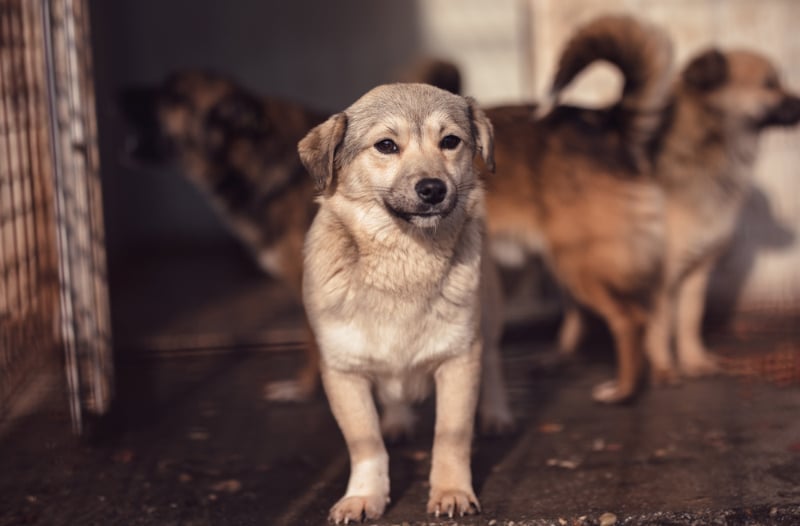
Diarrhea is very common in rescue dogs. In fact, it is one of the most common health conditions that dogs suffer from as they transfer from a shelter to a new home. Most diarrhea incidents clear up within a few days. Diarrhea is so common in rescue dogs that most shelters will provide information about this transitional diarrhea when you adopt your dog.
As long as the diarrhea is mild, your dog isn’t showing any other signs, and it clears up in a few days, there should be no need to worry.
The 3 Causes of Diarrhea in Rescue Dogs
There are three main causes of diarrhea in shelter dogs. Those causes include stress (or anxiety), changes in diet, and parasites.
1. Stress
Stress and anxiety from being in the shelter or the move to your home can create inflammation in a dog’s digestive system or throw off the normal balance of gut bacteria. Either way, diarrhea can result. Once your new dog gets comfortable with their new surroundings and feels safe in your home, the diarrhea will often clear up.

2. Diet Changes
Diet, including a change in diet or poor diet, can also lead to diarrhea. Some shelters feed their dogs donated food, which means that dogs can eat a variety of different things on any given day. Your dog will probably also get a change in diet when you bring them home. This constant change can lead to digestive upset, including diarrhea.
Once you settle on food for your new dog, be consistent and stick with it. If you are worried about transitioning your dog’s diet, you can ask the shelter what food they were feeding so that you can gradually switch them over to help alleviate instances of diarrhea.
3. Parasites
Lastly, your dog could be suffering from a parasitic infection. The shelter is full of dogs of all kinds, and they all share one environment. This can lead to the transfer of parasites from one dog to another. Most parasite infections can be easily treated with deworming medications, but some infections might require more intensive treatment from your veterinarian. If you are concerned that your dog might have parasites, it is best to bring them in for a checkup at the vet to make sure that everything is normal.
The bottom line is that rescue dogs go through a series of serious changes in a very short amount of time. They get a new home, new diet, new family, and new routine all in a matter of days. This upheaval can have a number of effects on your dog, and many of them can lead to diarrhea.
How Serious Is Diarrhea in Shelter Dogs?
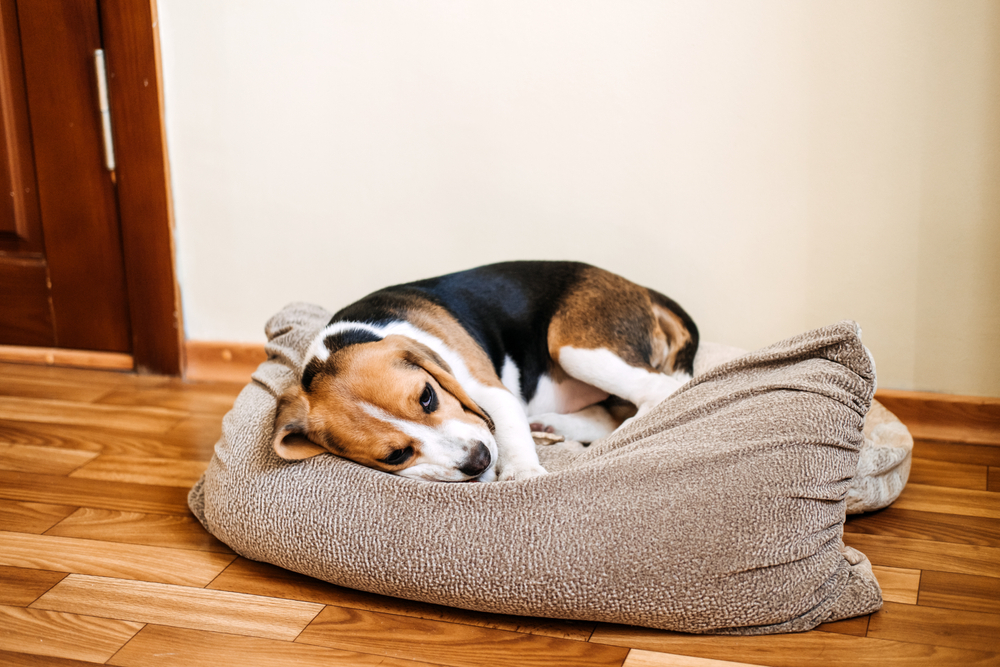
Diarrhea is usually not serious in shelter dogs. It can be annoying and frustrating to deal with, but it usually resolves in a few days with little to no treatment. Diarrhea is considered serious if it is explosive, constant, or if it is paired with other signs. You should be concerned if your dog is having constant diarrhea and also refuses to eat or if your dog is showing signs of lethargy or has blood in the stool.
Frequent diarrhea can lead to dehydration, which can be serious if it persists. Normally, mild diarrhea is not a cause for immediate alarm or concern. If your dog is having a short bout of diarrhea and it does not seem to be affecting their mood, attitude, or behavior, then the issue will likely resolve on its own in a few days.
How to Treat Diarrhea in Your Rescue Dog
Often diarrhea in your newly adopted dog will resolve by itself once they get settled in and require no treatment. However, if it fails to go away or becomes more severe with other signs, speak to your vet. They may recommend withholding food, a change in diet, or the addition of probiotics and fiber.
If you need to speak with a vet but can't get to one, head over to PangoVet. It's our online service where you can talk to a vet online and get the advice you need for your pet — all at an affordable price!

When to See a Veterinarian
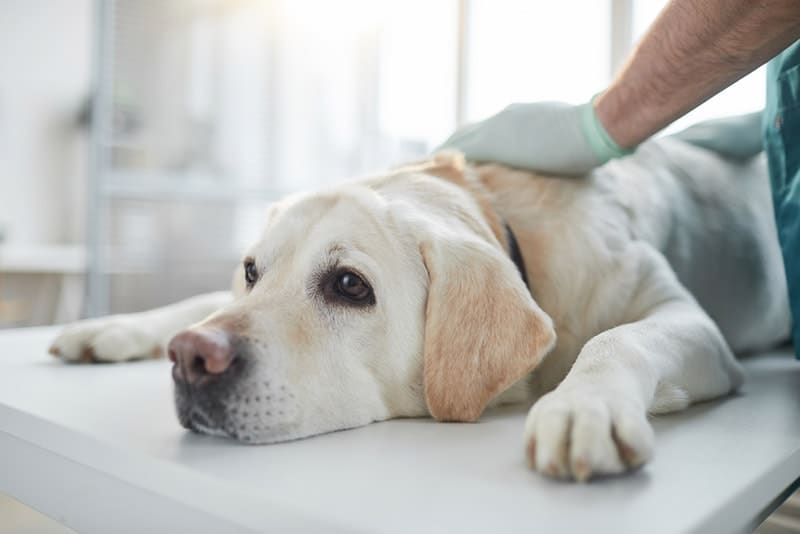
It is often recommended that owners take their rescue dogs to the vet within a week of bringing them home, regardless of whether they have diarrhea. A checkup will help ensure that your new dog doesn’t have any health concerns, and it will get their new medical file started for future visits and treatments. You should take your dog to the vet if they are having explosive diarrhea, won’t eat, aren’t settling in, or are showing signs of lethargy or labored breathing. You can also bring them in if you want to seek medication to help alleviate the signs (and the mess) of your dog’s issues.
Severe diarrhea may need professional treatment including antibiotics or other medications and supportive care such as fluids or hospitalization.
Conclusion
Seeing diarrhea in your new rescue dog can be worrying, but it is very common. Rescue dogs have everything about their lives changed in an instant, which can lead to stress and digestive problems. This commonly results in mild diarrhea that will often resolve in just a couple of days with some at-home monitoring.
If the diarrhea does not clear up in a reasonable amount of time or if you are worried about your new dog’s overall health, you should consult your veterinarian for advice and medication.
See also:
- Can You Marry a Dog? Unusual Facts Explained
- Biewer Terrier Dog Breed Info, Pictures, Care, Facts, Traits
Featured Image Credit: MAD.vertise, Shutterstock