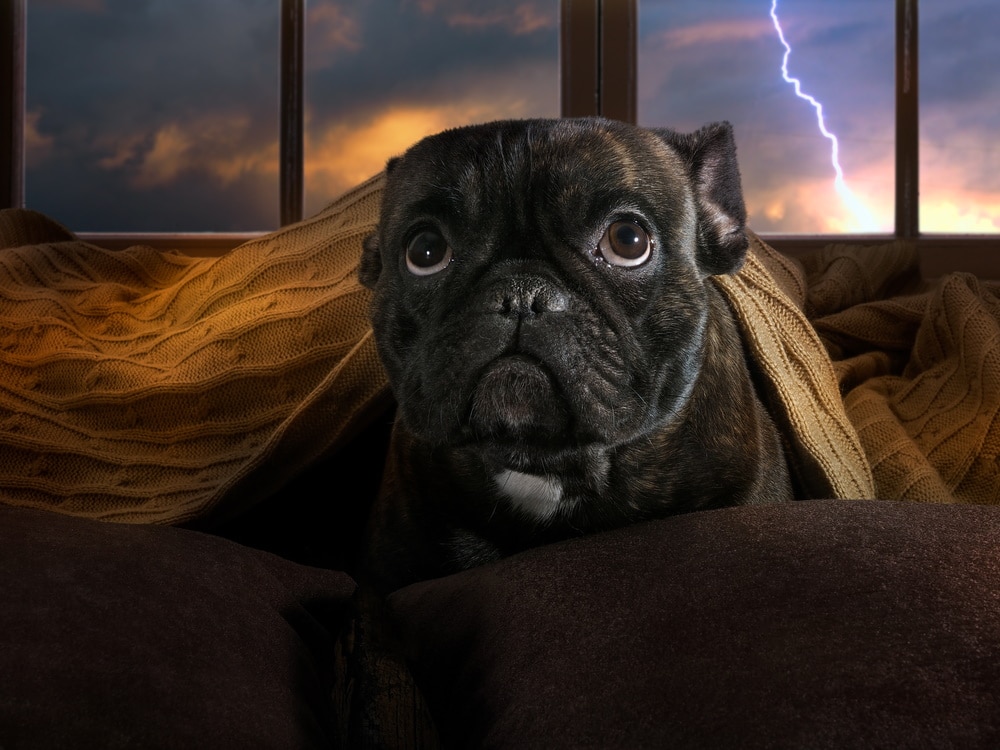
It can be worrying to watch your furry pal jump out of their skin every time a bout of thunder strikes. Dogs are naturally afraid of loud noises like thunder, and it doesn’t help that we can’t just tell them that thunder is actually harmless. So, what’s a concerned pet parent to do about their dog’s fear of thunder? You have a lot of options, thankfully! In this article, we’ll outline what you need to know and how to most effectively soothe your dog’s fear. Read on for the specifics.

The 6 Tips to Help With Your Dog’s Fear of Thunder
1. Learn Dog Body Language
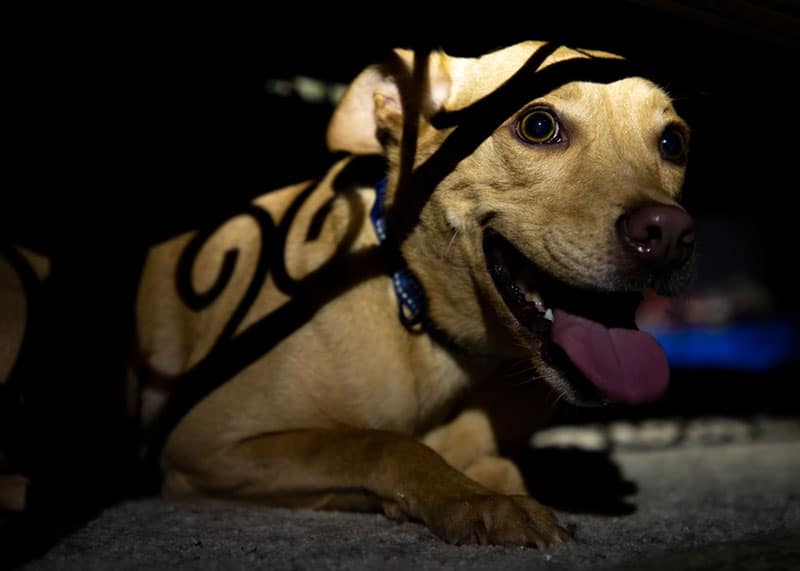
The first step to helping your dog’s fear is to spot when they’re scared. Every dog is unique and has their own way of showing fear, whether it’s hiding or acting out. Identifying these fear signs can help you know when your dog is on edge. You should also predict when thunderstorms are likely to occur by looking at weather reports and stay home with them (or have someone to care for them), as they are likely to become more fearful if left alone.
- Panting
- Shaking
- Excessive drooling
- Pacing or aimless walking
- Growling
- Chewing
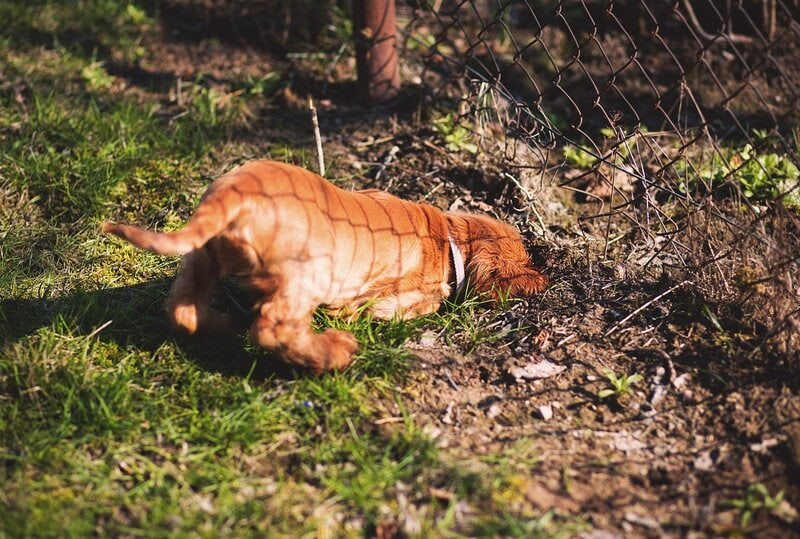
- Digging at the ground
- Clinginess
- Hiding
- Running away from you
2. Radiate Calmness
Now that you can better understand your dog’s body language, you should work on how you specifically react to a thunderstorm. If you’re jumpy, anxious, or visibly scared yourself, your dog can pick up on that and will mirror your anxieties. If you act like it’s not a big deal and exude that energy, your dog will hopefully relax and begin to mirror you. If you’re not scared, why should they be? Of course, you should never punish or shout at your dog for any fearful behaviors they might show during a thunderstorm.
Do whatever is needed to create calmness, for some dogs this means giving comfort and attention, for others a fun game will help take the mind off the storm. Dogs that are food motivated may enjoy a stuffed kong or treat puzzle and dog safe chews are also a great way for dogs to self soothe. If your dog prefers to hide then let them stay where they feel safe, however if they seek reassurance from you then calmly give them comfort, ignoring them won’t help.
3. Provide a Safe Space for Your Dog
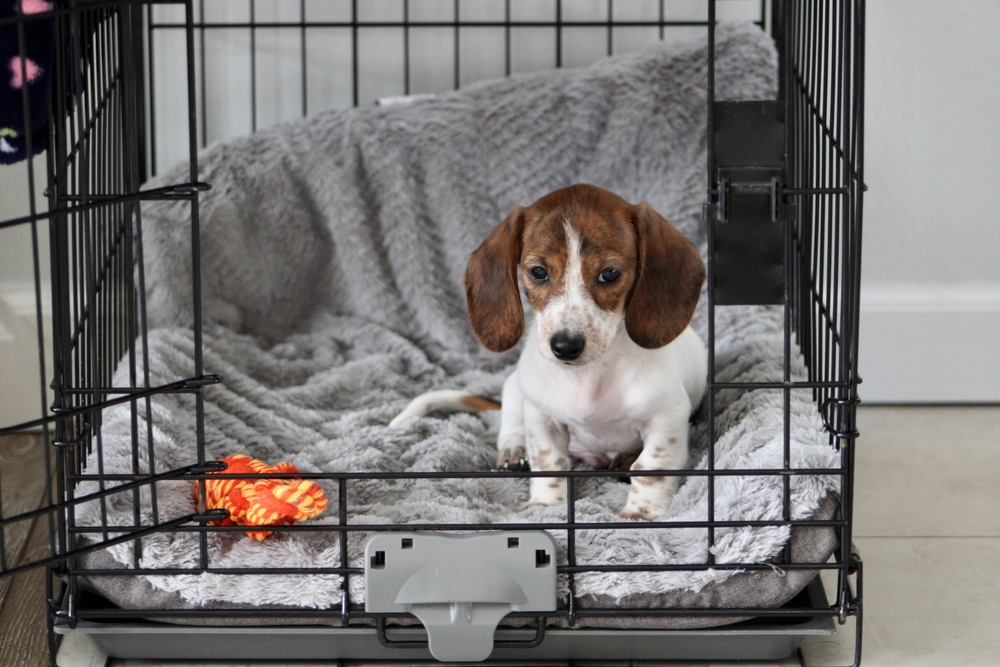
Keep dogs inside during a storm and give them a safe, secluded area of their own that they can relax and unwind in. For many dogs, this is a crate or private, cordoned-off corner with a comfy bed. If your dog is crate-trained, even better. Create as many positive associations as you can with your dog and their safe space. This could include feeding them kibble and treats in the crate or including the crate in games.
Regardless of where it’s at, a safe space is crucial for treating a fear of thunder. Dogs instinctively go where they feel safest when they’re scared, but having no safe space will stress them out more. Aim for a den-like space. Even a corner of a room can be covered with a blanket to emulate an enclosed den and muffle some of the sounds.

4. Desensitization Training
Structured desensitization training can be used to teach a dog to not fear thunder and to see it as normal. This takes time as it needs to be done gradually, and is best done under the guidance of a qualified behaviorist. There are many specific approaches, but the most common is to play the offending sound (thunder) on a home speaker at a very low volume that does not cause your dog to be fearful.
Increase the volume gradually and repeat this process. Sessions should usually take place daily for 5 to 10 minutes, you can also pair the noise with treats or a favorite toy. Every time, make the thundering noise slightly louder and observe your dog’s reaction, the goal is to keep your dog calm and relaxed during the session. Intensely afraid dogs may take more time before you can increase the volume between sessions. Ask a veterinarian how to do these desensitization sessions right.
If you need to speak with a vet but can't get to one, head over to PangoVet. It's our online service where you can talk to a vet online and get the advice you need for your pet — all at an affordable price!

5. Use Background White Noise
Masking thunder with background noise of your own is also helpful. White noise is a popular choice, but many people swear by serene classical music to make their dog feel calmer.
A few other options are sports games, your favorite TV show, or the radio. The more distracting and “regular” the day feels, the better! Your favorite TV or radio shows are good options because your dog likely associates that time with you being happy while being more likely to give absent-minded scratches.

6. Try an Anxiety/Thunder Jacket
Research shows that wearing a specially weighted jacket or shirt like a ThunderShirt can make a dog display fewer stress behaviors and help their heart rate slow to a calm rate. That makes these jackets a helpful tool for dog owners who are having a hard time getting their dogs used to thunder. It isn’t a cure-all, but we think an anxiety jacket is worth trying for a fear of thunder. Pheromone products which contain a synthetic analogue of the calming dog appeasing pheromone (DAP) can also provide comfort and reassurance, and non-prescription calming supplements and treats are available. Seek advice and support from your vet, they may refer you to a behaviorist and can prescribe medications if needed.
Conclusion
It’s perfectly normal for your dog to be scared at the sound of thunder, but the best thing you can do is to stay with them during storms and remain calm, give them a safe space, and try to drown out the noise. Thunder jackets, calming medications and pheromone diffusers can also all help your dog feel more relaxed. Seek advice and support from your vet and a qualified dog behaviorist, over time dogs can be taught to tolerate thunder noises through a desensitization program.
FeaturedImage Credit: Irina Kozorog, Shutterstock
 The 6 Tips to Help With Your Dog’s Fear of Thunder