How to Teach a Dog to Respect Children: 10 Vet-Approved Ways


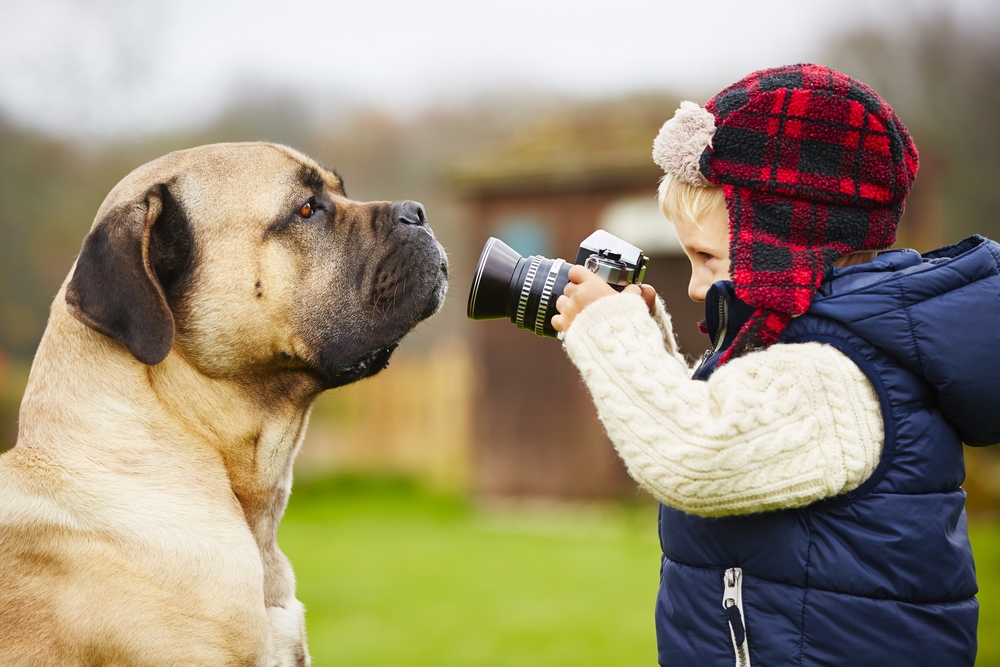
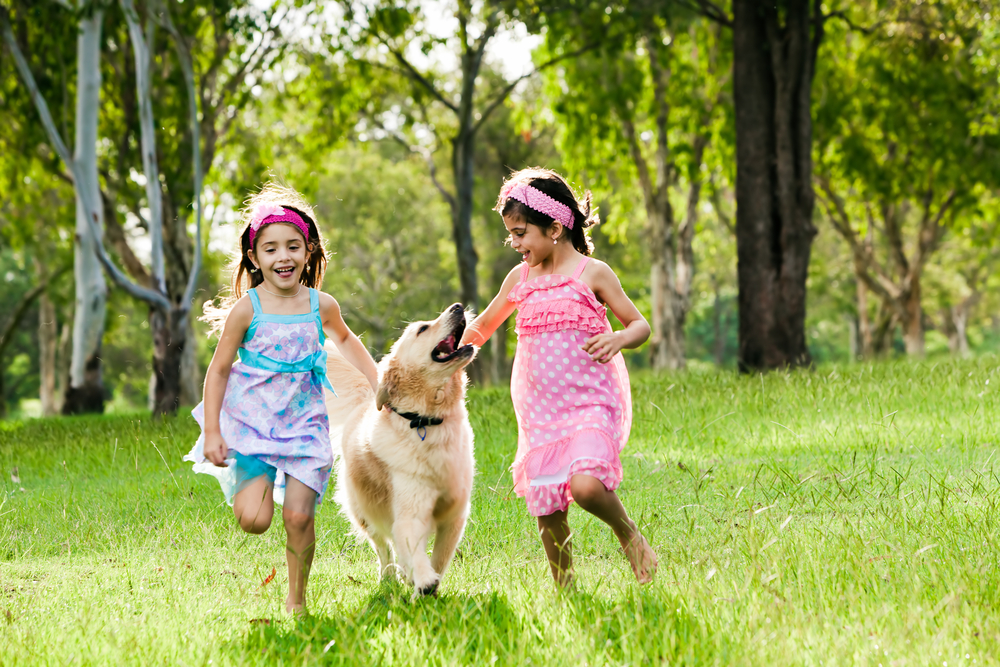
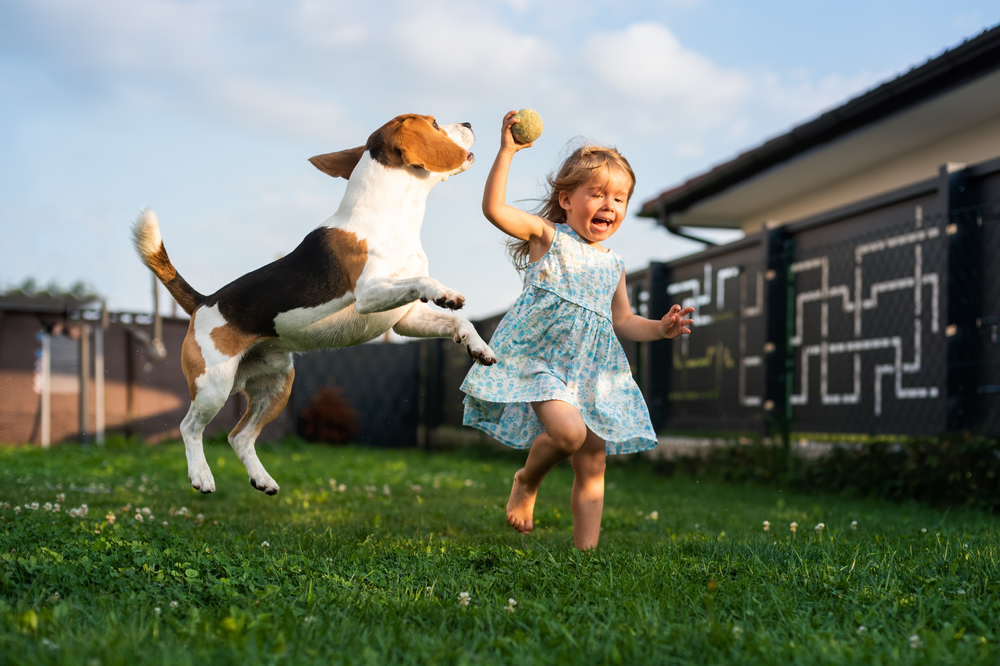
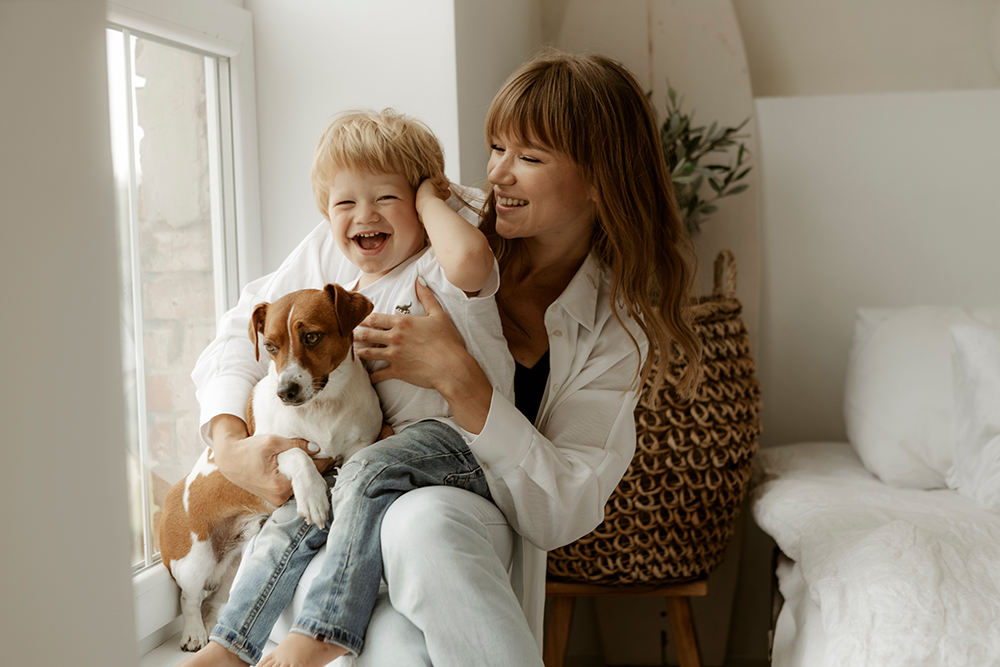
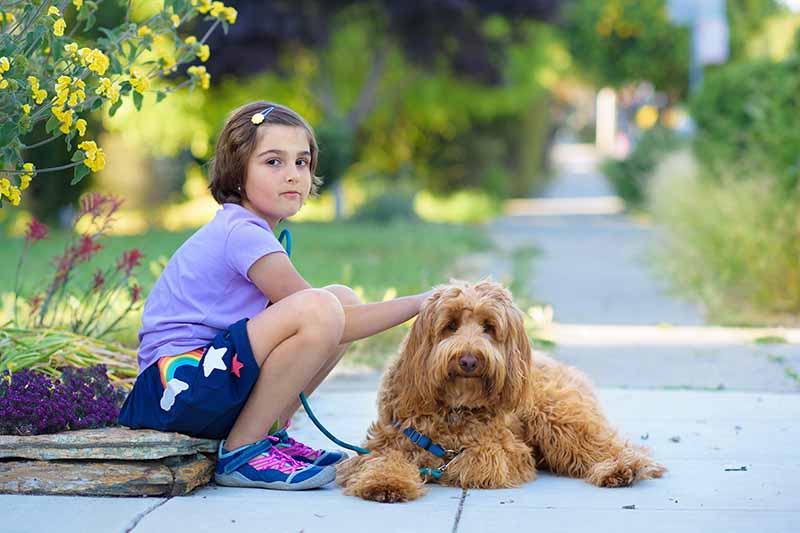
It’s great to see children and dogs getting along, and many adults have fond memories of being brought up with the family dog. Children and dogs can become best friends. They are playmates for one another, and they can form a very strong bond.
However, this close relationship doesn’t happen overnight, and it does take some time and effort on your part, as a parent to your children and your pets, as well as a degree of learning and understanding from both the dog and the child.
Below, we look at 10 ways you can teach your dog to respect your children, as well as other children they meet while out and about.

The 10 Ways to Teach a Dog to Respect Children
1. Teach Children to Be Respectful
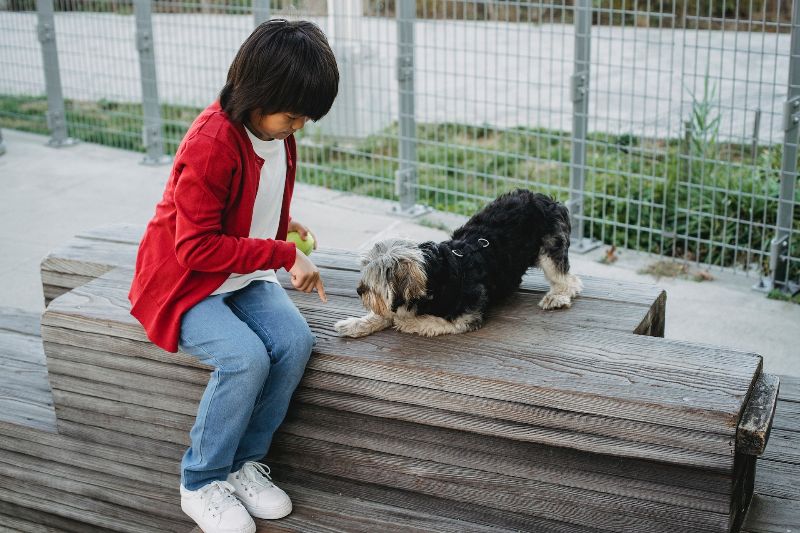
You do need to teach your dog to be respectful and careful around children, but this needs to go both ways. Children need to know how to respectfully treat dogs, minimizing hair grabbing and tail pulling, and learn when to leave the dog alone.
Just like people, dogs need some alone time, typically when they are sleeping or eating, and it is best to teach these boundaries to your children as soon as possible.
Equally, you need to teach your children that while it might be okay to approach your dog to give them love, they shouldn’t approach any dog they see in the street without first getting permission from that dog’s owner and ensuring that the dog is friendly and knows how to behave around children.

2. Manage Meetings
When your dog first meets your children or another child, you need to carefully manage these first interactions. You must be on hand to make sure the child or children behave respectfully and so too does the dog.
Determine both the mood of your dog and the child or children they are meeting. Your dog might be having a day when it wants to be left alone while your children are being especially active, and this won’t lead to a positive experience for either party.
3. Start When Your Dog Is Young
Obviously, this isn’t possible if you adopt or even inherit an older dog, but you should ideally start the process of having children and dogs meet when they are both as young as possible. Puppies are inquisitive and playful, whereas adult dogs might prefer their own space, especially if they haven’t had to deal with kids before.
4. Socialize Your Dog
Socialization is a crucial part of development for all dogs, not to mention children. It introduces a puppy to new situations, and it gets them used to meeting new people. If you can introduce a young puppy, ideally younger than 15 weeks of age to children, both in and out of the house, it will go a long way in helping the dog to accept the noises and activity of children without becoming stressed by them.
Puppy classes are a great place to start socializing. The other dogs and owners are in the same boat as you, which means they have more understanding of what you’re going through, and everybody is there for the same reasons. Puppy classes also give you the tools you need to be able to effectively train your pup.
Socialization doesn’t end when you get to the door to head home, though, and you should continue with your efforts throughout the week. Your vet could be another great source of training information.
5. Desensitize Your Dog to Being Handled
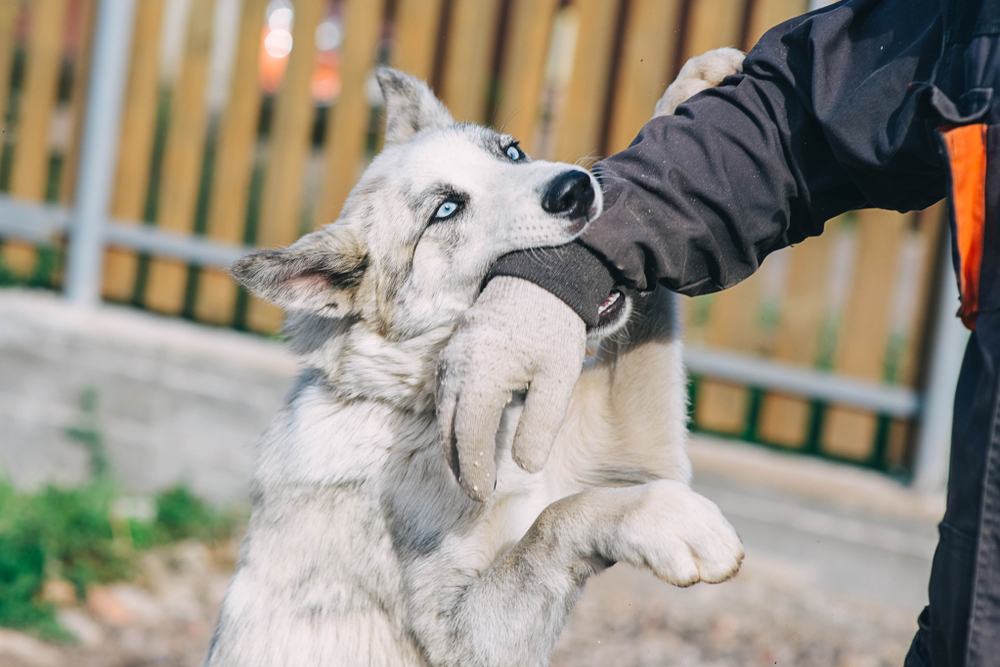
Children can be grabby, and dogs are especially attractive as subjects for that grabbing. They have tails, ears, and coats of fur, all of which are at the perfect height for children to grab. Even a well-behaved and respectful child will, at some point, grab at your dog. Desensitize your dog to this kind of handling.
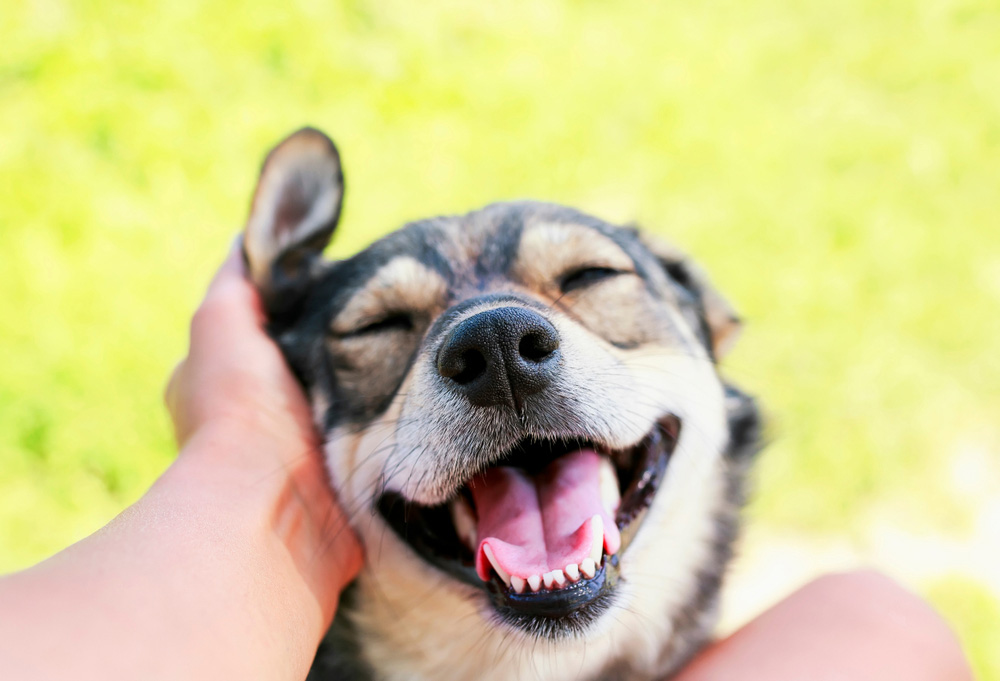
Start by handling your dog’s ears and tail, pairing each touch with a treat. As your dog becomes more comfortable with these areas being touched, make your touches more irritating, e.g. lightly prodding your dog. You don’t want to hurt your dog at all, but your aim is to get them used to being touched, and giving them a positive association with children and treats.
6. Reward Positive Interactions
When your child and your dog do meet, be prepared to reward your dog’s good behavior. This positive reinforcement will teach your dog that good things happen when it behaves respectfully around children.
Have a pocket of treats ready and when your dog sits and lets your child pat them, give them a treat. When they play or just when they have positive interactions, give your dog a treat. Eventually, they will approach your child because they associate doing so with positive rewards.
7. Teach Good Manners
Some dogs are naturally wary around children. Others love to meet and greet them. Even small dogs can cause injuries to children when they jump up or if they try and jump on a sleeping child. Therefore, you need to teach your dog good general manners. Discourage jumping up, using the same positive reinforcement training techniques mentioned above.
Teach commands like down, sit, and stay, and ensure that your dog responds to these. They will help you out of a lot of potentially difficult situations as your dog ages and they will help ensure a positive experience for both the dog and child.

8. Set Boundaries
Your child and your dog both need to have boundaries and they should be able to expect those boundaries to be met by the other party. When your dog is in its bed, stop your child from approaching them. That needs to be your dog’s personal space.
Similarly, your son or daughter’s bed should be their sanctuary and a place of calm, not a place to play and interact with the dog. You should also set boundaries with food, toys, and other belongings.
9. Never Leave Them Unattended
No matter how well early or subsequent meetings go, there is always a risk of accidental injury, and if you aren’t there to ensure your child doesn’t grab at your dog, you can’t hope to prevent every possible negative interaction.
Do not leave the two of them alone. If you need to leave the room, take either the dog or your child with you.
10. Choose a Child-Friendly Breed
With socialization, training, and calm early meetings, any dog can get along with your children, but some breeds are known to be especially good with children.
If you are considering getting a dog but haven’t yet got one, choose a breed like a Labrador. Labradors are great all-round pets. They are loving and loyal, gentle, extremely forgiving, and understanding, which is why they make such good family pets.
Other breeds that make good pets for families with children include Beagles, Poodles, and even some giant breeds like Bernese Mountain Dogs, so there are plenty of options out there for would-be owners.

Conclusion
The idyllic view of family life tends to include one or two children and a family dog and having children certainly doesn’t mean you can’t have dogs. It will take time and some effort to ensure that your dog and your child get along, but it will be worth it.
Choose a suitable breed, if you don’t have a dog yet, and set boundaries for both parties. Do not leave the two of them alone and teach your child to be respectful around your dog, because this will help prevent any negative experiences or reactions from your dog.
Sources
Featured Image Credit: Jaromir Chalabala, Shutterstock
Expert dog care, straight to your inbox
Vet-reviewed advice, training tips, and the best of Dogster. Free, and you can unsubscribe anytime.
By signing up, you agree to our Terms & Conditions and Privacy & Cookies Policy.
Matt is a freelance writer from the UK. He lives with his partner and daughter, as well as two cats and one dog. A data analyst by profession, Matt moved from numbers to words more than 15 years ago and has been writing ever since. Having volunteered at a local animal sanctuary, he has a lot of experience with dogs, cats, and horses. Matt has also kept bearded dragons, a variety of birds, fish, guinea pigs, hamsters, mice, and rats. His daughter has adopted the same passion for animals, keeping and breeding snakes. A geek at heart, Matt is a member of a local board gaming group and regularly forces his family to “enjoy” board games with him at home.
Join the conversation
Ask a question, share your story, or send private feedback.