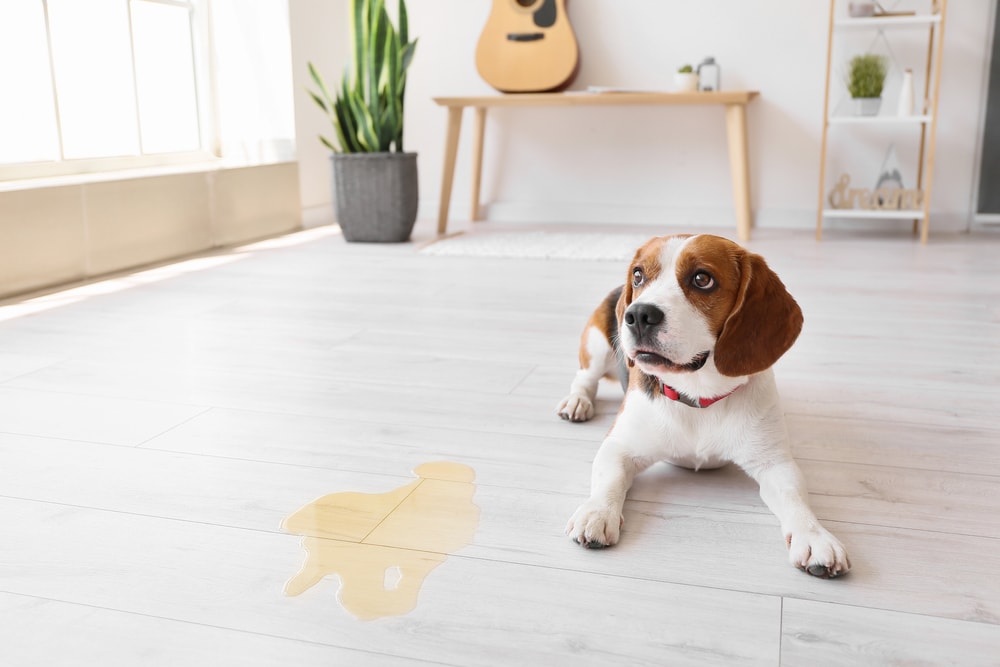
By the time your dog is 1 year old, you’ve dealt with the puppy blues, housebreaking, crate training, socialization, and a host of other woes. The good news is that, by now, your dog is over their tumultuous puppy stage, although they may be in the midst of adolescence. Larger breeds tend to mature slower than smaller breeds, but dogs may not reach full social maturity until they are about two years of age. So although your dog will likely have mastered a lot of the basic obedience training and manners, there is still a lot to do! Let’s delve into the specifics of various major areas in your dog’s life to give you a baseline of what you should be expecting as they approach a year old.

Things to Expect From a 1-Year-Old Dog
Behavior
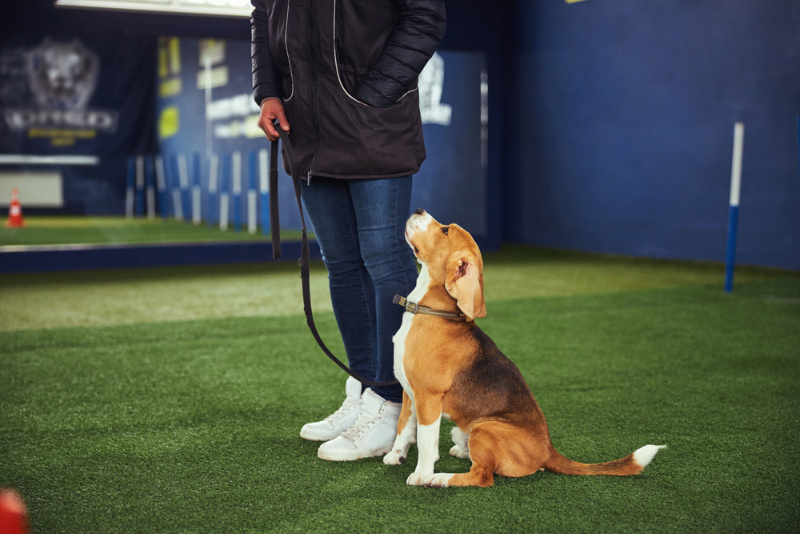
Puppies become adolescents at around 6-12 months of age, and depending on the individual and their breed, this ‘teenage’ phase usually finishes between 18 months to 2 years of age. So at one year of age, even though you might expect your dog to behave more like a sensible adult, their brain is still maturing. This period of development is coupled with a rise in reproductive hormones, which can trigger greater exploratory behavior in dogs and many owners feel their dogs are no longer listening to them!
Adolescence can be a difficult time for some dogs and their owners, it is important to remain patient and persevere with reward-based training. How a dog behaves through this period will be partly influenced by their learning and training up to this point. Reach out to a trainer or dog behaviorist for advice and support if needed.
Diet
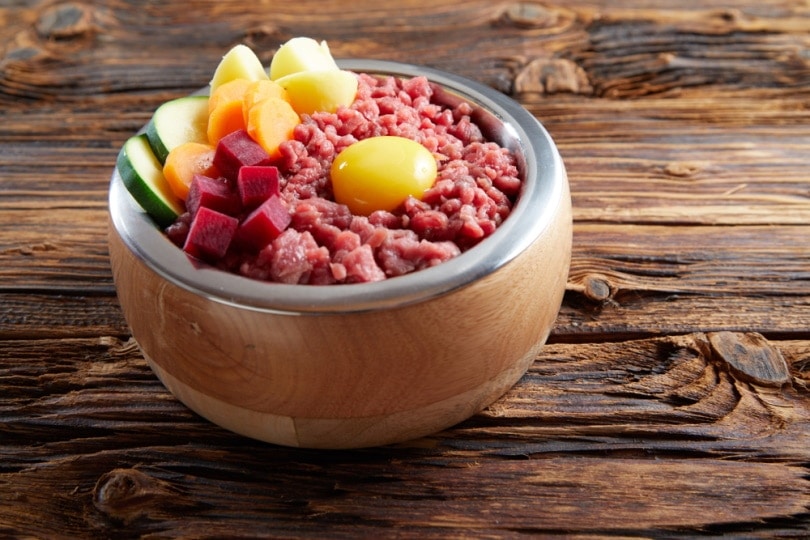
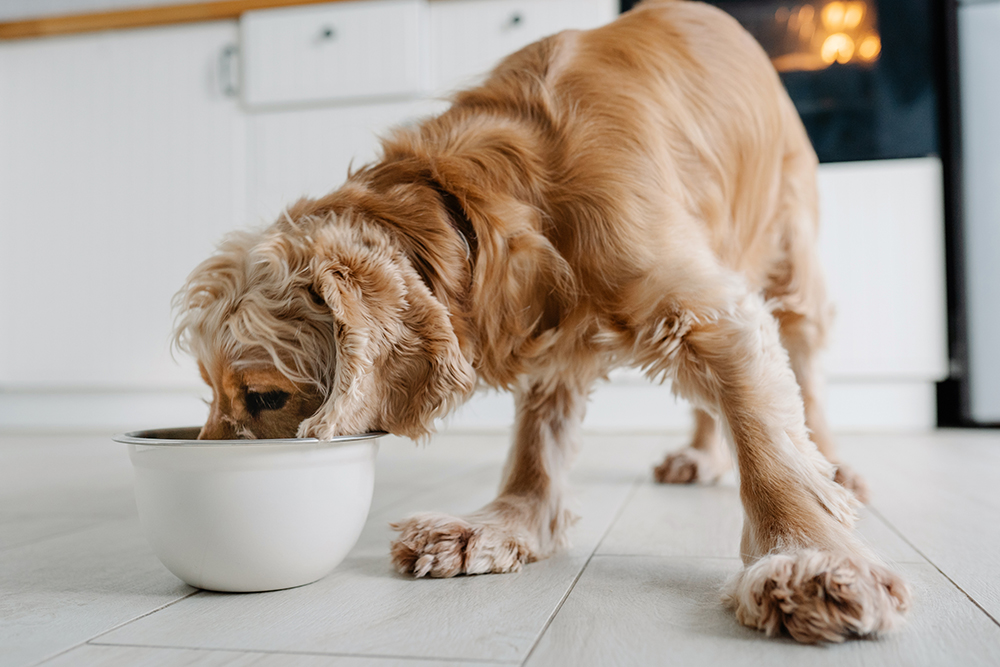
At a year old, most dogs can and should graduate to adult dog food as they reach their fully grown size and their nutritional needs level out. At this point, your dog’s energy requirements are changing because they’re not growing as quickly. However, different breeds grow at different rates, and large or giant breeds may need to stay on a puppy diet for longer, so it is best to ask for advice from a vet before making the change. Gradually change their meals to the new kibble. The standard recommendation is to gradually transition them to their new food over 7 to 14 days, but this can sometimes take a few weeks, depending on the individual.
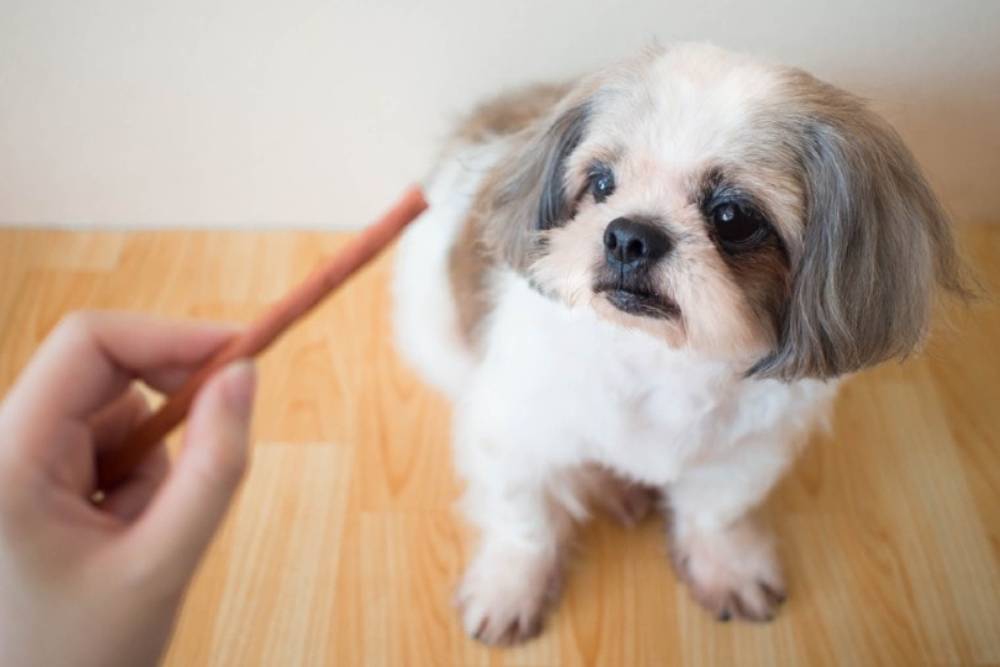
You also need to be careful about how many treats and snacks are offered. The more treats you give, especially during training sessions, the more likely it is that your dog will gain weight. As a general rule, treats should make up no more than 10% of your dog’s diet.
If you need to speak with a vet but can't get to one, head over to PangoVet. It's our online service where you can talk to a vet online and get the personalized advice you need for your pet — all at an affordable price!

Exercise
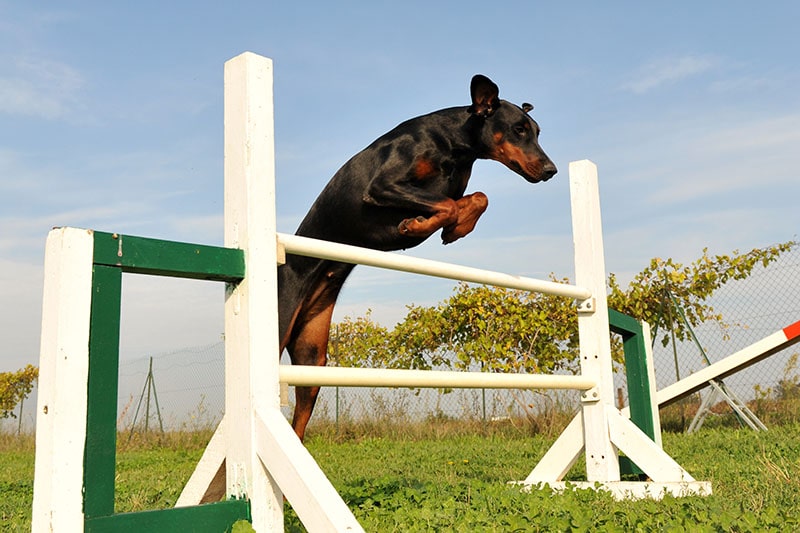
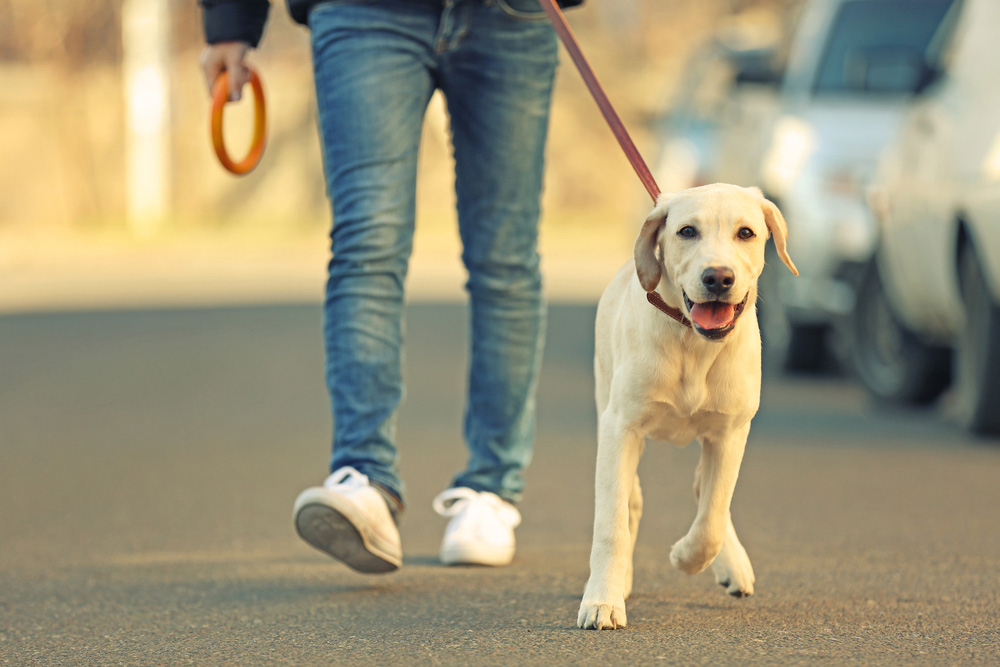
One year old dogs are past their more vulnerable puppy phase and most have a fully developed skeletal system. That means more playtime! Your dog can partake in more vigorous activities that may have been off-limits from 6 to 12 months, like longer runs, hikes, or agility. The caveat here is to wait until at least 15-18 months if you have a large or giant breed dog, as their bodies may have not fully developed quite yet and need more time. Small breeds should be good to go at a year old, though. Speak to a vet for advice regarding your individual dog, the key is to ensure they’re getting adequate exercise without overexerting them or doing too much high impact exercise.
Health
Your dog is past the gauntlet of vaccinations a puppy receives in the first year, but now it’s about time for their annual wellness check and first-year vaccinations. A vet will advise you on the correct vaccination schedule for your pup based on their lifestyle and risk. If you haven’t already, this is a good time to schedule having your dog spayed or neutered unless a vet advises otherwise. It’s important to mention any significant changes in diet, like new kibble, or any other problems you’ve been noticing.
There are also several medications you’ll need to keep up with. Flea and tick medication are needed to keep the nasty biters away, and heartworm is crucial to prevent life-threatening heartworm infections.
Keep up with regular dental care, brushing your dog’s teeth with a dog-specific toothpaste is the best way to prevent plaque and tartar build-up and future dental issues.
Sleep
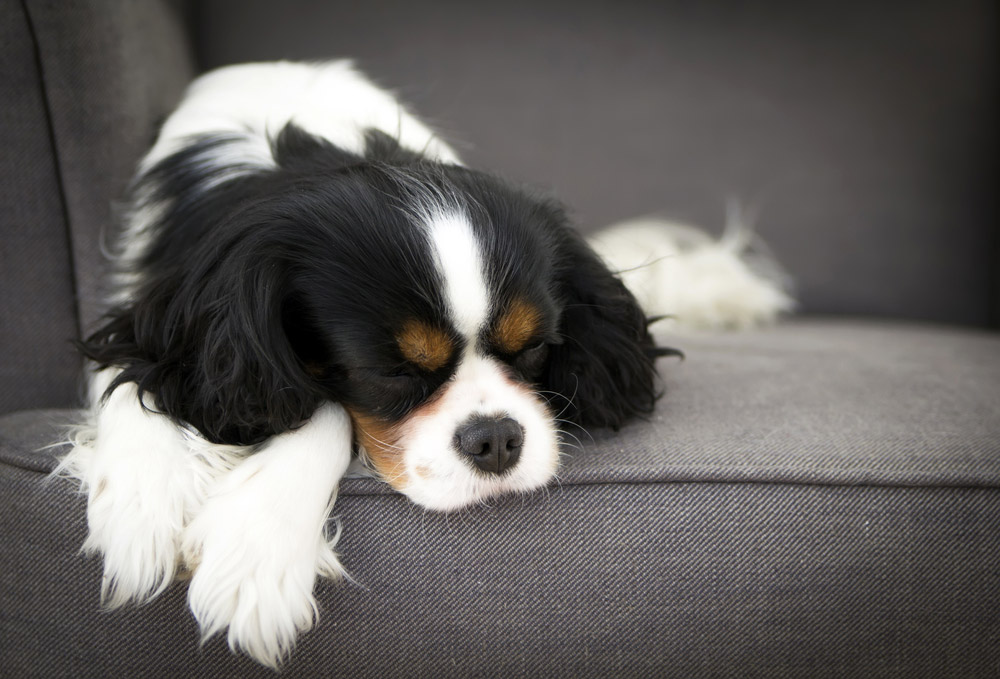
Adult dogs sleep about 12 to 14 hours on average, but some sleep as little as 8 hours a day. This means they’ll be awake more often than before, and it may be time to devise a new schedule for their day-to-day routine. The silver lining here is that, at a year old, your dog probably has a regular sleep schedule down and can hold their bladder/bowels through the night.
Some dogs experience sleep regression at this age, but it shouldn’t be much of an issue. The best thing you can do to aid any sleep disturbances is to keep things as regular and calm as possible to avoid introducing potential stressors that could further worsen their sleep quality.
Training
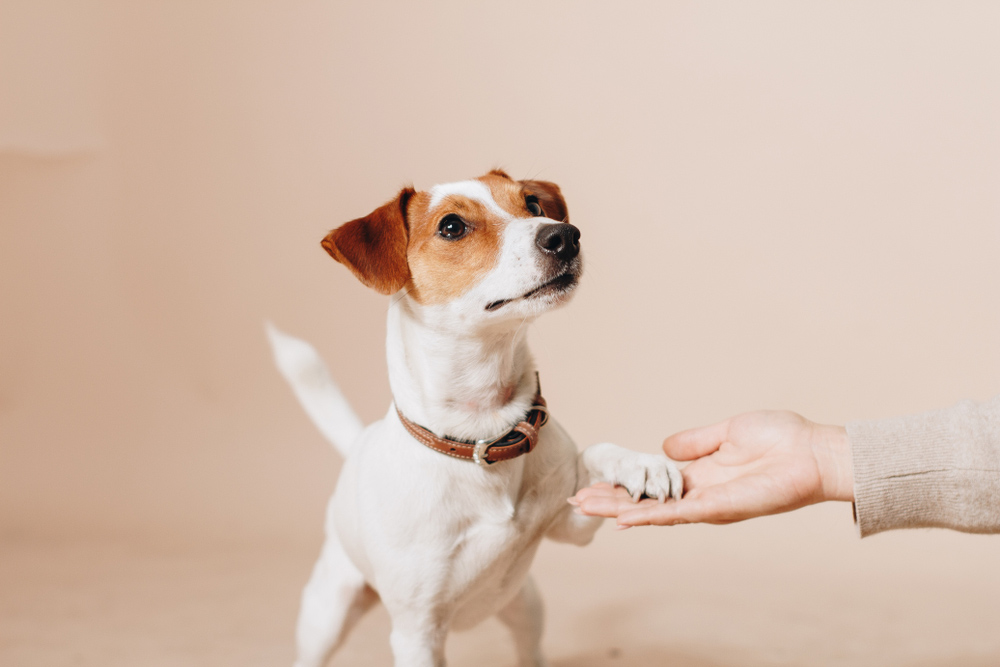
It is never too late to train your dog. The best time to start was yesterday, but the next best time is now. Your dog is growing into their full size, and dogs, especially large breeds, can become rowdy or destructive if you don’t curb bad behavior. Positively reinforcing desirable behavior is the way to go, while scolding and punishment are demonstrably harmful to your training efforts and your bond with your pup.
If your dog is exhibiting severe behavioral problems, like persistent leash tugging, nuisance barking, or destructive chewing, we recommend reaching out to a professional dog trainer or a vet. They’ll be able to help you pinpoint the biggest flaws in your training approach and how you can best train your dog. Some dogs simply don’t respond to certain types of training techniques, and other dogs require more cajoling than others to cooperate. There’s no one-size-fits-all approach to dog training, so don’t be afraid to experiment until you find something that works for your dog.
Grooming
Your dog has grown into their adult coat and probably sheds at least minimally. Try to keep up with at least one weekly brushing session. Dogs with long, shaggy fur may need more work and a sturdier brush with pins for removing mats. Your dog can go a while without a bath unless they get visibly dirty—every 6 weeks is a good rule of thumb. Try using a gentle, oatmeal-based dog shampoo that helps nourish your dog’s fur without stripping hair oils that provide luster.
Our Favorite Products Selecting the right shampoo and conditioner makes the world of a difference when grooming your pup. Our favorite products are the duo by Hepper. The Oatmeal Pet Shampoo is formulated with aloe and oatmeal to soothe skin and hydrate the coat. The Pet Conditioner works at eliminating tangles and taming frizz and static. Both products are pH-balanced and formulated with pet-friendly ingredients, free of harsh soaps, chemicals, and dyes. Give this duo a try to heal and nourish your dog's coat, and leave them with an irresistible just-left-the-spa cucumber and aloe scent. At Dogster, we’ve admired Hepper for many years and decided to take a controlling ownership interest so that we could benefit from the outstanding designs of this cool pet company!
Image
Product
Details

Hepper Oatmeal Pet Shampoo
Check Price

Hepper Pet Conditioner
Check Price
Conclusion
The first year of being a dog parent is filled with turmoil and lost sleep, but it’s well worth seeing the dog your puppy becomes. More confident, curious, and active than ever, you still have a lot of work to do! Be patient and continue reward-based training through their adolescence, and keep up with health checkups and preventative flea and worming medications. Reach out to a vet and/or trainer with any concerns.
- Related Read: 10-Year-Old Dog: Vet-Approved Care Tips
Featured Image Credit: Ovchinnikova, Shutterstock