Norfolk Terrier Dog Breed: Info, Pictures, Traits & Care

In this article
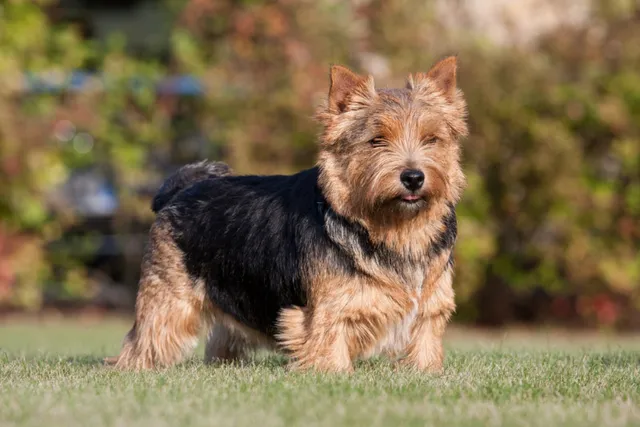
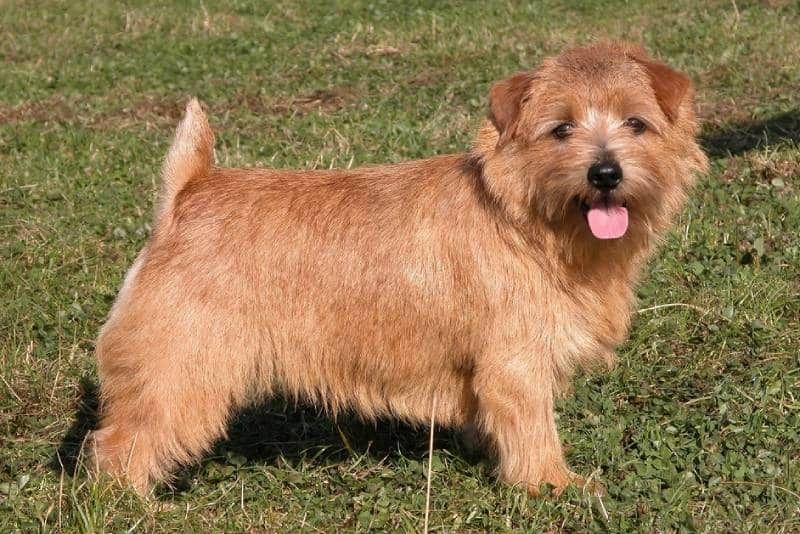
The Norfolk Terrier is an amiable little dog, measuring up to 12 inches tall. They are alert, lively, and playful, and known to be good with children: a combination that makes them especially popular with young families, and they will form very close bonds with their humans. However, the Norfolk Terrier also makes a good watchdog because they are lively and alert and switched on to the presence or emergence of potential threats.
Make time for plenty of exercise, ensure you train and socialize the dog, and enjoy regular playtime to ensure that the Norfolk Terrier is a happy addition to a home.
Breed Overview
Height:
Weight:
Lifespan:
Colors:
Suitable for:
Temperament:
The Norfolk Terrier is closely related to the Norwich Terrier. Both breeds were once considered the same but are now classified as separate by kennel clubs. The Norfolk Terrier has folded ears while the Norwich Terrier has rounded ones: otherwise, there are few differences between the two.
Originally bred to deal with rats, the Norfolk Terrier is an independent little dog. While this does mean that it shouldn’t suffer separation anxiety, it also means that it needs to be entertained when you leave the house. Provide toys and offer both physical and mental stimulation to ensure that your little terrier behaves well while you’re away from home.
Norfolk Terrier Characteristics

Norfolk Terrier Puppies

Even in the UK, where the breed originates, the Norfolk Terrier is a rare breed, having been placed on the Kennel Club’s “at watch” list. Only around 400 examples of the breed are registered there, each year. Outside the UK, the breed is even scarcer, which means potential buyers need to take care to ensure they really are buying a Norfolk Terrier.
Ideally, meet both parent dogs, but at least the mother, and make sure you know what a Norfolk Terrier looks like when you do visit. Ask for proof of health screening and when you do meet the puppy, ensure that it looks healthy and that it is attentive without being overconfident. Although they are scarce, Norfolk Terriers are not that highly sought after, which means prices should still be reasonable.
Consider adopting a Norfolk Terrier. Although they make good pets, some can still end up in shelters and rescues. It’s a difficult life for any dog in a shelter, and by adopting, you not only give that dog a good life, but you also enable the shelter to rescue another dog.
As with any puppy, the Norfolk Terrier will need socializing and training early. These early months represent the developmental stages in a dog’s life. What your puppy learns before it reaches adulthood will be instilled in them throughout their later years. Introduce them to new people, other dogs, and situations they haven’t yet encountered. They will learn that new things are nothing to be feared, which will make them less likely to be standoffish with other dogs or aloof around strangers.
Temperament & Intelligence of the Norfolk Terrier 🧠
The Norfolk Terrier was originally bred to hunt and dispose of rats. It would have worked independently, being left to locate and dispatch rats without too much human intervention. Although it is more likely to be kept as a pet than a working dog today, the breed still retains many of its original traits. It is relentless in pursuit of its goals, needs physical and mental stimulation, and can be an independent pup.
Despite its independent nature, the Norfolk Terrier can make a delightful pet. They are loving with family and friendly with strangers. They will usually get along with other dogs, although do have a natural prey drive. It will chase smaller animals, and even the movement of fluttering bags or the occasional blowing leaf can lead to running out of the garden, so owners need a secure outdoor area. The size of the breed means that it can adapt to life in an apartment, but it will require regular exercise and stimulation to ensure that it doesn’t become bored and potentially destructive.
The Norfolk Terrier does enjoy playing and will benefit from having somebody willing to throw a ball, pull a rope, and find other ways to keep it entertained. Alternatively, canine sports are a good outlet for this breed’s physical needs and mental acuity.
Are These Dogs Good for Families? 👪
Norfolk Terriers make very good family pets. They are loving with their human family members, as well as being bright and lively. They especially enjoy playing and because they are terriers, they are tough little dogs that can handle a little rough play, even with young humans.
You will need to train your Norfolk to be gentle around young children, while also ensuring that young children know how to be respectful around smaller dogs. The breed can be somewhat protective over children, but they usually understand what constitutes playtime, so they are more likely to join in if children have friends over.

Does This Breed Get Along With Other Pets? 🐶 😽
The Norfolk Terrier was bred to hunt rats, which means it has a strong prey drive for smaller animals. Any rats, hamsters, and potentially even small rabbits could be under threat if they are let out of their cage, so ensure all small animals are securely kept away while the dog has access to the room.
Otherwise, it will do well with other pets, as long as you take the time to make gradual introductions. The playful nature of the breed means that while it might want to befriend cats, the cats might be reluctant to be involved. Generally, dogs will learn barriers quite quickly, especially following feline admonishment. It will usually get along with other dogs and might benefit from having a canine playmate to keep it entertained.
Things to Know When Owning a Norfolk Terrier:
The Norfolk Terrier can do well in an apartment but can also benefit from living in a house with space outside to run and play. Ensure that the yard or garden is secured, however, because terriers are renowned for being good at escaping. This will especially be a problem if the dog sees a cat or small animal nearby. Terriers are good at digging, which means you need to protect valued plants. You will need to ensure fences and other barriers do not allow easy egress via freshly excavated subterranean tunnels.
While the breed is not known for being aggressive, it is highly alert and constantly on the lookout. Although not prone to barking, the Norfolk Terrier will sound an alert if it sees or hears something it considers a threat, and this combination makes the breed a handy watchdog.
Food & Diet Requirements 🦴
This relatively small breed doesn’t have a huge dietary requirement. They will eat around one cup of dry kibble per day, although if your Norfolk Terrier is especially active, they might benefit from being given a little more. If you use food-based tidbits as training tools, or you give treats as a general reward for good behavior, you will need to take this into account and reduce the amount of food you give. With small breeds, it is very easy to overfeed because it only takes a couple of treats or an extra handful of food to surpass their calorific requirements.
If you feed canned food, follow the manufacturer's guidelines regarding the volume of food. And if your vet has recommended a specific diet, follow those guidelines above all others. Like most dogs, the Norfolk Terrier will do well on two meals a day, and like a lot of terriers, you might have to find ways to slow your Norfolk’s feeding habits. Try a slow feeder bowl, which restricts the amount of food your dog can wolf down in one sitting.
Fresh drinking water should be readily available, and access should not be restricted.

Exercise 🐕
The breed is lively and alert and will enjoy spending time playing and generally burning off energy. This will also benefit you because it will reduce incidents of playful exuberance, which can manifest as undesirable behavior.
Provide 30 to 60 minutes of walks per day and look for other ways to exercise your Norfolk Terrier. The breed can do well in agility and may also take to other forms of canine sports, which also provide a great way to build a bond between the two of you.
Training 🎾
Training is an important part of any dog’s development, but especially for an independent-minded breed like the Norfolk Terrier. If you don’t provide direction and guidance, they will make up their own mind about what is acceptable behavior, which will increase the likelihood of unwanted behavior.
Enroll in puppy classes when your dog is young. Your dog will learn basic commands, and you will learn how to train your dog. It will also give you a sympathetic environment in which to start socializing your dog. Other attendees will be in the same boat and will be looking for opportunities to introduce their young dogs to other people and other puppies.
You should continue both socialization and training outside puppy classes. Training typically starts with litter training and with terrier breeds, you will want to teach “drop” and “leave” commands, as well as “stay.” Use positive reinforcement training techniques and reward and praise your dog for positive behavior, while ignoring or distracting your dog when it does something you don’t want to repeat. The playful Norfolk Terrier may see a lot of things as a game, so make sure you aren’t accidentally encouraging unwanted behaviors.
Also, ensure that your puppy meets different groups of people by taking different routes and trying to go on walks at different times of the day. Socialization can also continue in the home. Invite family and friends around, although don’t overstimulate your puppy with too many visitors at once, and bear in mind that young dogs will need time to escape and sleep so they can process all the new situations they have faced.

Grooming ✂️
The Norfolk Terrier has a double coat with a soft undercoat and a wiry topcoat. Although it doesn’t require too much intense grooming, you should brush the coat at least every couple of days. You should also trim the coat every few months but don’t be too vigorous with the trimming. The unkempt look of the Norfolk Terrier is part of its appeal and is typical of this type of dog.
Brush teeth at least twice a week and ideally every day, using a dog toothbrush and toothpaste. If you start when your dog is still a puppy, it will be easier for both of you when your dog gets older. Similarly, start trimming nails when your dog is still a puppy.
Health and Conditions ❤️ 🏥
Terriers are generally tough and hardy breeds, and the Norfolk Terrier is no exception to this. However, like any breed, it is somewhat prone to certain hereditary conditions and some other problems. In particular, the Norfolk is prone to allergies and may also develop hip dysplasia and arthritis.
Hip dysplasia occurs when the bones of the hip do not develop properly, and it can cause discomfort, eventually leading to arthritis. It may be possible to have an operation to help prevent the problem from worsening. Arthritis is painful and can prevent normal movement. Medication is available to help control the symptoms but there is no cure for arthritis once it has developed.
Male vs Female
Male Norfolk Terriers will grow slightly larger and heavier than females, although both genders remain small. Males can be more playful, but they are also more prone to wanderlust and more likely to try and escape. Females can be more prone to temperament changes and are less cuddly than males. However, the character of the individual dog, as well as its upbringing and history, are more likely to determine the traits and characteristics of a dog.

3 Little-Known Facts About the Norfolk Terrier
1. They Were Once Called Jones Terriers
The breed was originally developed by Frank Jones, an English horseman. He wanted a dog that was skilled as a rat killer but would also join fox hunts. Originally, the breed was named the Jones Terrier after its founder, but this was later changed to the Norfolk Terrier.
2. Norfolk Terriers and Norwich Terriers Were Once Classified as the Same Breed
Norfolk is a county in England, and Norwich is its most populous city. Before the late 20th Century, the Norfolk Terrier was known as the Norwich Terrier, which could have either folded ears or straight ears. However, the breed split off with the Norwich Terrier having straight ears and the Norfolk Terrier having the folded ears.
3. They Can Be Very Independent
Terriers are well known for being independent dogs, which can make them a challenge for owners. Although the Norfolk Terrier is considered less independent than other terrier breeds, they still have an independent streak. This means they will sometimes do what they want, rather than what you want, and will require regular and ongoing training to help dull this independent nature. Luckily, the Norfolk Terrier is also considered friendlier and more personable than other terrier breeds.
Final Thoughts
The Norfolk Terrier is a relatively new breed, having been developed in the 20th Century as a rat hunter and fox bolter. Although it is somewhat independent in nature, it makes a good family pet because it is loyal to its humans and easier to manage than other terrier breeds.
Despite this, it is a relatively unknown breed, even in the UK where it was developed. If you do manage to find a Norfolk Terrier, expect to spend time playing and invest as much time as possible into training and socialization while your dog is still young: you will benefit from the hours you invest when your dog gets older.
Sources
Featured Image Credit: Sue Thatcher, Shutterstock
Expert dog care, straight to your inbox
News, insights, expert advice, and everything dog.

No spam — unsubscribe anytime.
By signing up, you agree to our Terms & Conditions and Privacy & Cookies Policy.
How useful was this post?
Click a star to rate. You can leave written feedback afterwards. (We read all feedback.)
Matt is a freelance writer from the UK. He lives with his partner and daughter, as well as two cats and one dog. A data analyst by profession, Matt moved from numbers to words more than 15 years ago and has been writing ever since. Having volunteered at a local animal sanctuary, he has a lot of experience with dogs, cats, and horses. Matt has also kept bearded dragons, a variety of birds, fish, guinea pigs, hamsters, mice, and rats. His daughter has adopted the same passion for animals, keeping and breeding snakes. A geek at heart, Matt is a member of a local board gaming group and regularly forces his family to “enjoy” board games with him at home.